Tag: these
-

Secrets of the Cemetery: Urban Exploration Guides
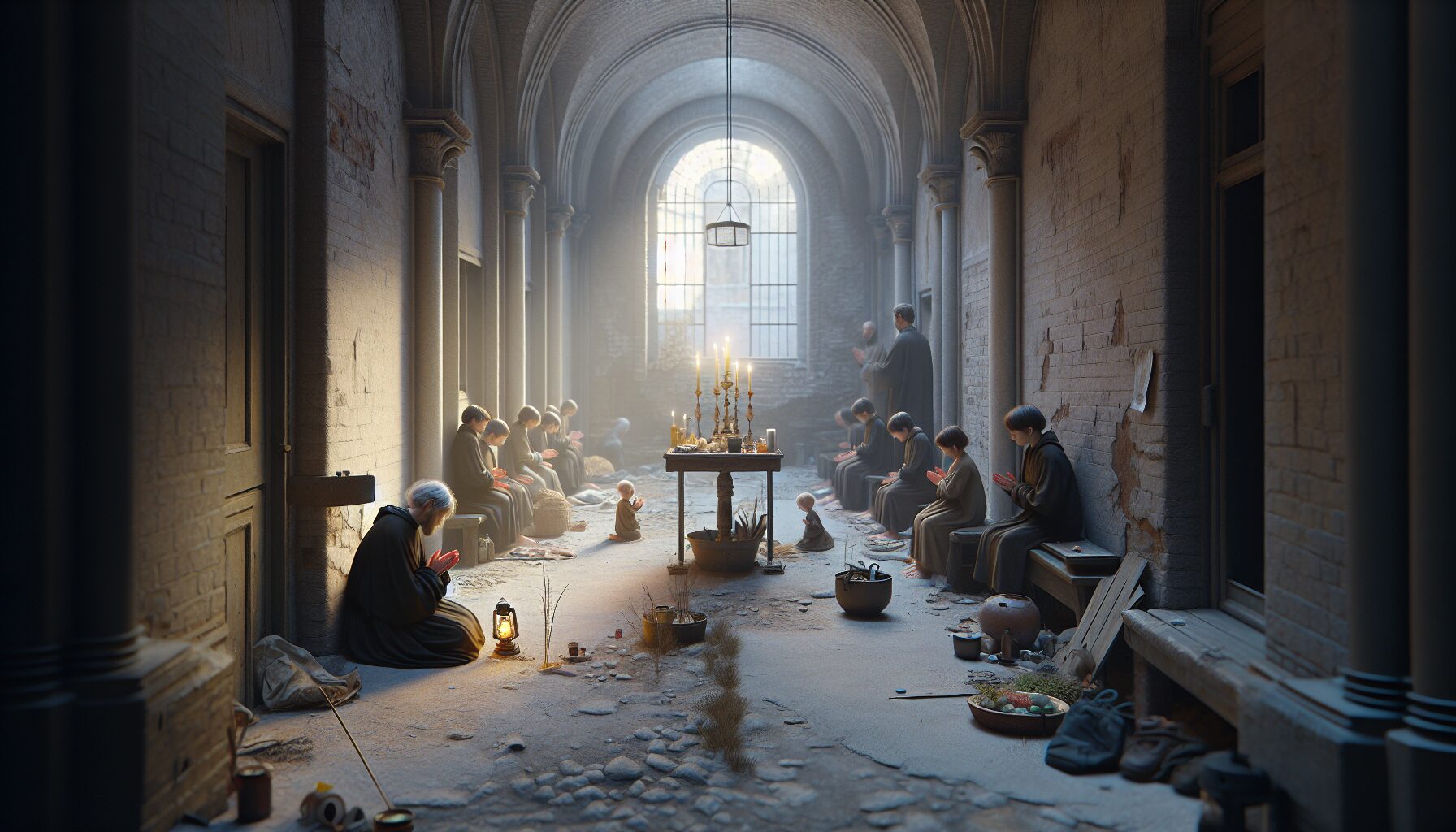
Urban exploration, or urbex, has seen a dramatic rise in popularity over the past decade. Among the myriad locations that captivate the minds of explorers, cemeteries hold a particular allure. These age-old resting places, shrouded in history and mystery, offer a unique journey into the past. This article delves into the secrets of the cemetery and provides a comprehensive guide for those looking to discover these urban sanctuaries.
Why Cemeteries?
Cemeteries are often overlooked as sites of historical significance. Nonetheless, they are more than just resting places for the deceased. Cemeteries can reveal intriguing aspects of cultural, architectural, and genealogical history. Stephen Jackson, a renowned urban explorer and author of “The Hidden Stories Beneath Our Feet”, notes, “Every gravestone is a window into the past, often bearing tales of tragedy, triumph, and transition.”
For the urban explorer, cemeteries represent a serene escape from the urban hustle and bustle, offering not only a connection to history but also an opportunity to experience nature within the city.
Preparing for Your Exploration
- Research: Before setting off, familiarize yourself with the cemetery’s history and layout. Websites like Find A Grave provide invaluable historical data and GPS coordinates of interesting sites within cemeteries.
- Respect and Etiquette: Always approach cemeteries with respect. Remember, they are sacred grounds. Adhere to any posted rules and be mindful of ongoing funerals or visitors.
- Timing: Plan your trips during the day, as many cemeteries close at dusk. Morning light often reveals the best hues for photographs, while afternoons might offer interesting shadows.
An awareness of cemetery-specific etiquettes can enrich your experience and prevent any unintended disrespect. As Lucy Moore, from the Urban Exploration Association, emphasizes, “We are guests here. Treat the area with the same respect as you would a museum.”
The Architectural Wonders
Many older cemeteries feature stunning examples of architecture and sculpture. Styles range from Gothic and Victorian to more modernist designs. Mausoleums, ornate headstones, and statues can be found across state lines and national borders. In some cases, the cemetery becomes not just a resting place but a canvas for art and architectural expression.
“These aren’t just burial grounds; they are cities of the dead, each with its own vernacular,” says Monica Rivera, a cultural heritage expert.
In Search of Stories
Every cemetery abounds with stories waiting to be uncovered. Is there a legendary ghost? A notorious figure laid to rest? Even the inscriptions themselves tell tales of the eras they represent. Look for historical figures’ graves, read the epitaphs, and try to imagine the life stories behind the names etched in stone.
- Local Legends: Engage with the locals to hear tales and legends that might not be documented.
- Guided Tours: In many cities, guided tours are available, providing insights you might not gather on your own.
- Special Events: Keep an eye out for special events. Some cemeteries host twilight tours or historical reenactments that breathe life into these hushed places.
Learning about those who came before us not only adds depth to our exploration but enriches our understanding of the societal and cultural landscape over time.
Safety Tips
While cemeteries are generally safe, caution is still advisable. Stick to well-trodden paths to avoid uneven ground or hidden hazards. Always let someone know your plans and estimated return time. Additionally, keep an eye on the weather—rain can make paths slippery and treacherous.
For night-time tours—if permitted—bring a flashlight for better visibility, but be discreet, as flashing lights can disturb the peace of the area.
Conclusion: A Journey Worth Taking
Cemeteries offer a unique blend of history, art, and reflection, serving as a tangible link between the past and the present. Exploring these resting places demands respect but rewards the curious heart with tales of yore and the silent beauty of remembrance. So lace up those boots, grab a notepad, and start uncovering these urban oases that tell stories as rich and varied as the individuals they enshrine.
For those drawn to the hidden corners of their cities, cemeteries represent a profound journey—a journey into the shadowy corridors of time itself. As Monica Rivera concludes, “There’s a story behind every stone, and it’s just waiting for you to uncover it.”
-
Dusty Altars: Forgotten Religious Artifacts
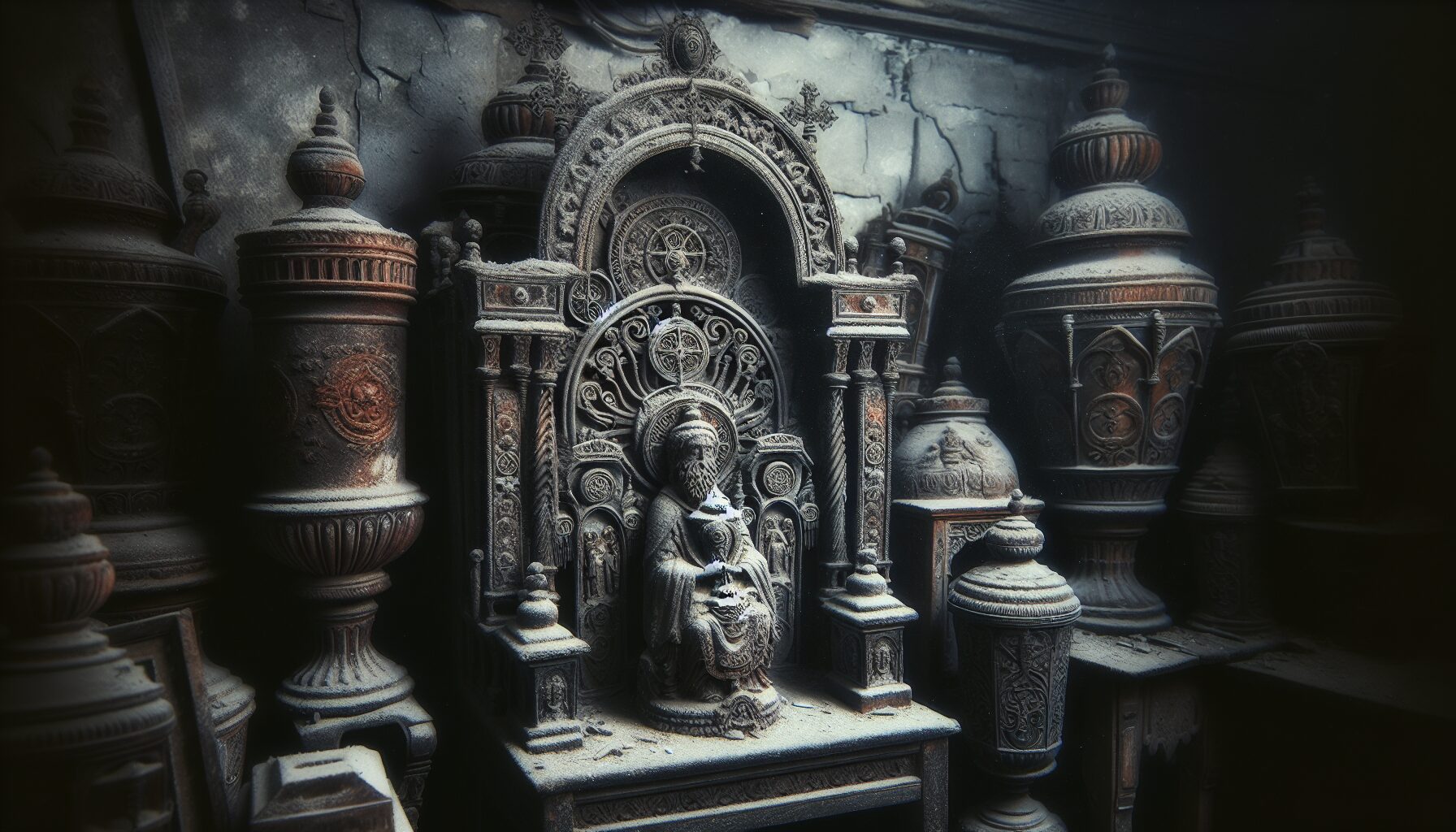
Throughout history, religious artifacts have played a crucial role in the practice of faith and the expression of spirituality. However, as time moves forward, many of these sacred items have become forgotten by the general public and remain largely unrecognized within dusty altars. These artifacts, once revered, are now relegated to museums, private collections, and neglected sacred spaces. This article delves into the world of forgotten religious artifacts, exploring their history, significance, and the reasons why they deserve renewed attention.
The Significance of Religious Artifacts
- Symbols of Faith: Religious artifacts serve as tangible representations of the divine and are imbued with spiritual significance. They often symbolize the core tenets of a faith and provide a focal point for worship.
- Cultural Heritage: These artifacts are windows into the past, showcasing the artistry, craftsmanship, and beliefs of different cultures throughout history. They are crucial to understanding the evolution of spiritual practices and cultural exchange.
- Ritual Purposes: From amulets to relics, many artifacts have played critical roles in rituals, offering blessings, protection, and a means of communication with spiritual entities.
Examples of Forgotten Religious Artifacts
The Ark of the Covenant
The Ark of the Covenant is one of the most enigmatic and revered religious artifacts in history. Described in the Bible as a gold-covered wooden chest, it is said to have contained the stone tablets of the Ten Commandments. According to Smithsonian Magazine, the Ark disappeared after the Babylonian conquest of Jerusalem, and its whereabouts remain one of the greatest religious mysteries (source).
Buddhist Relics
Buddhism is rich in relics, often in the form of items believed to be remains of the Buddha or other significant monks. These relics are stored in stupas or stately pagodas. Over centuries, many of these relics have been lost to time, with some being subjects of modern archaeological pursuits. As noted by The New York Times, recent discoveries in Afghanistan have reignited interest in understanding their historical presence (source).
Indigenous Sacred Items
Indigenous cultures across the globe hold various sacred items in high esteem. These artifacts include masks, carvings, and tools used in ceremonies. Unfortunately, colonialism and cultural erosion have caused many of these artifacts to be forgotten or repurposed. Preservation efforts by tribal communities aim to restore the prominence and respect these items once commanded.
Preservation Challenges
The preservation of religious artifacts presents unique challenges. These include environmental factors such as humidity, temperature, and light exposure. Many of these artifacts require specialized care to prevent degradation.
- Funding and Resources: Often, the organizations managing these artifacts lack funding and expertise necessary for proper preservation.
- Political and Cultural Sensitivities: Artifacts can be embroiled in controversies over ownership, often sparking debates between nations, religious groups, and cultural institutions.
- Technological Limitations: While modern technology can aid in preservation, it cannot fully halt the slow passage of time, underlining the importance of photographic documentation and digital archiving.
Reviving Interest in Religious Artifacts
“A deeper understanding of religious artifacts connects us with a past often obscured by the fog of time.” — Historian Michael Roberts
To revive interest in these artifacts, we must blend education, technology, and community engagement:
- Educational Programs: Educators can integrate religious artifacts into history and art curricula, granting students a firsthand look at the intersection of faith and culture.
- Virtual Exhibitions: The digital age brings forth opportunities to showcase artifacts globally via virtual museums, removing geographic and financial barriers to education.
- Community Involvement: Engaging local communities to assist in artifact preservation and storytelling ensures that these items retain their cultural significance and historical narratives.
Conclusion
Religious artifacts, although sometimes forgotten, are powerful connections to our shared past. Their stories convey the diverse spiritual pathways humanity has traversed and remind us of the cultures that have shaped our modern world. By acknowledging the importance of these sacred items, we honor the beliefs and traditions they represent, ensuring that they remain a vital part of the world’s cultural and spiritual tapestry.
As the sands of time continue to shift, it is imperative that we renew our efforts to preserve and celebrate these dusty altars, allowing future generations to unlock the stories and teachings they encapsulate.