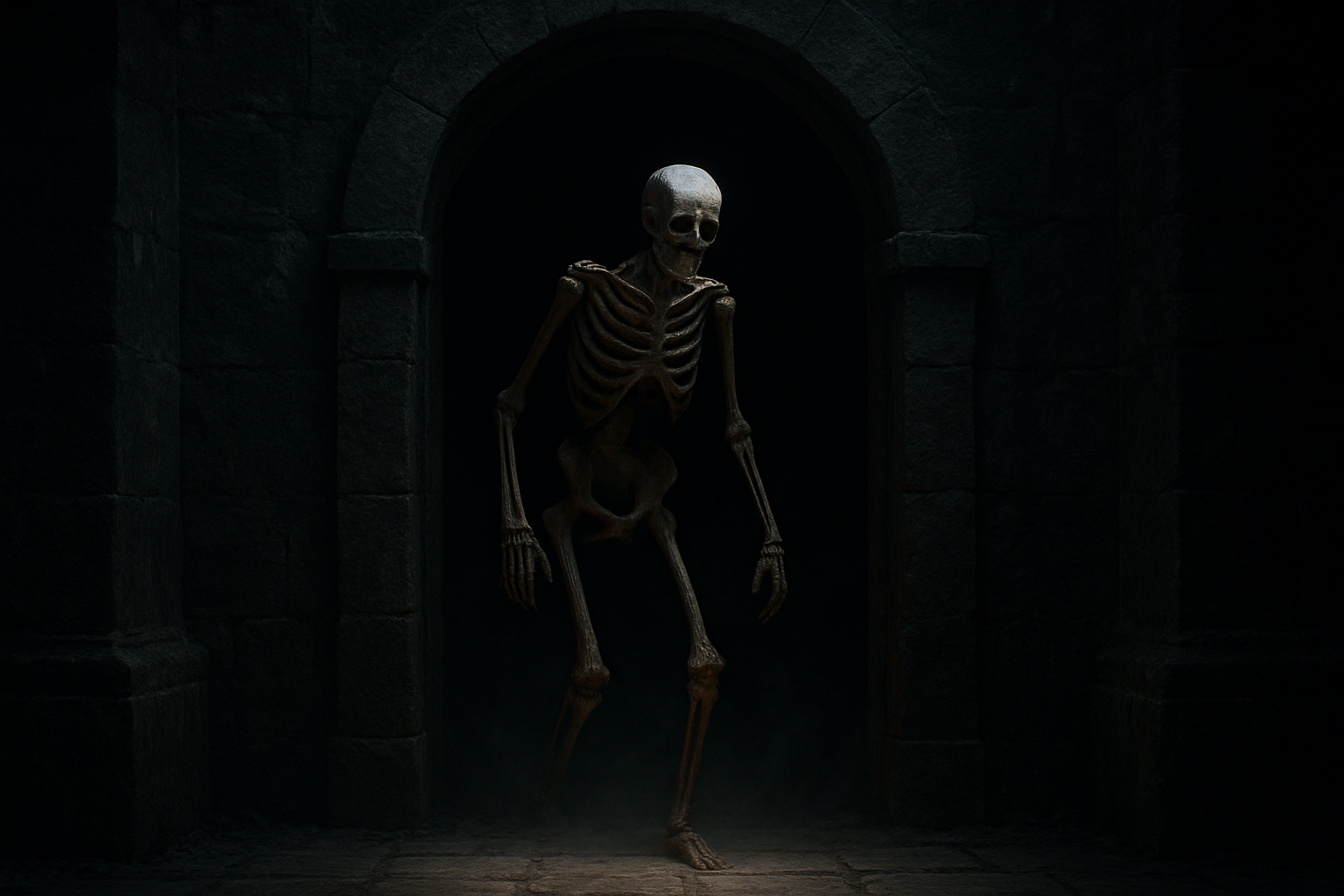
Death has long been portrayed as the ultimate unknown, a shadowed threshold that every human must one day cross. Throughout history, exploration of this concept has influenced the narratives of cultures and spiritual traditions across the globe. Yet, within the mystique of this inevitable end lies the tantalizing notion of death as a gateway, a corridor to new beginnings or realms often unexplored by the living.
Understanding Death Beyond the Finality
Conventional views of death regard it as the closure of life’s chapter, an end to personal narrative. However, numerous philosophies and faiths suggest a transformative aspect to death, positioning it as a vital transition rather than a conclusive halt. In various texts, death is not merely a cessation but a metamorphosis into something far greater.
“Death is the beginning of immortality.” — Maximilien Robespierre
Robespierre’s words echo the belief that life as we know it is a limited perception, and death could be a movement towards an immortality of a different nature. This concept is reflected in many spiritual doctrines, where death does not stand as an end but as a transformative passage to a profound rebirth or enlightenment.
Near-Death Experiences: Glimpses Beyond
Near-death experiences (NDEs) have captured interest across scientific and anecdotal spheres. Dr. Raymond Moody, in his seminal work, “Life After Life“, documented countless cases where individuals describe passage through a tunnel, encounters with ethereal beings, and overwhelming senses of peace, suggesting a non-terminal characteristic of death. (Life After Life)
While empirical evidence around NDEs remains inconclusive, these experiences shed light on how individuals perceive death as less of a consummation and more of an adventurous transition. For many, these narratives affirm beliefs that death indeed acts as an interdimensional portal.
Mythologies and Traditions: Mapping the Afterlife
Across various cultures, mythologies have personified the idea of death as a gateway. The ancient Egyptians meticulously documented their beliefs of the afterlife, where the soul navigated dangerous realms guided by sacred texts such as the Book of the Dead. Similar concepts appear in The Tibetan Book of the Dead, guiding souls through the bardos — intermediary states after death.
“The supreme bliss is in the understanding of death. With it, all fears vanish.” — Bhagavad Gita
The Bhagavad Gita, a cornerstone of Hindu philosophy, teaches that death is a transition of the soul into new forms and realms. Such perspectives highlight a universal human curiosity and the desire to map the terrain beyond life’s boundary.
Physiological and Philosophical Perspectives
From a physiological standpoint, neuroscientists have explored the brain’s activity as life fades. Hypotheses suggest that the brain might play a final vivid symphony of sensory experiences, possibly explaining mystical and peaceful sensations reported in NDEs.
Philosophically, existential thinkers such as Jean-Paul Sartre and Martin Heidegger have pondered the meaning of death. According to Heidegger, confronting the inevitability of death can bring authenticity to life, prompting existential introspection. (Stanford Encyclopedia of Philosophy on Heidegger)
The Portal Within: Personal Reflections
Ultimately, contemplating death as a portal extends beyond cultural and philosophical examination towards a deeply personal and intimate journey. Each individual grapples differently with the questions of existence and what lies beyond. Acknowledging death as a passage can engage us in profound reflection, encouraging a richer, fuller embrace of life itself.
Personal reflections on death as a transition can foster resilience, shape our ethical frameworks, and inspire compassionate engagement with the world. For many, opening up to the notion of a transformative threshold invites both solace and a sense of purpose, transforming the inevitable end into a hopeful continuance.
Embracing the Unknown
Evolving views on death as a portal do not aim to dispel fear entirely. Rather, they offer new ways of understanding our existence and potential beyond. While the shadows of the threshold may remain, approaching death with curiosity and openness can illuminate life with deeper meanings and connections.
As the great mystic Rumi once shared:
“Goodbyes are only for those who love with their eyes. Because for those who love with heart and soul, there is no such thing as separation.” — Rumi
In this light, death indeed emerges as less of an end and more of an enduring embrace — a transition into the unknown that is rich with possibility and profound in its promise.