Tag: through

  • Angels and Ash – Symbolism of Death and Renewal

    Angels and Ash – Symbolism of Death and Renewal

    You need to be logged in to view this content. Please . Not a Member? Join Us
  • Ashes and Eternity – Meditations on Life’s Transience

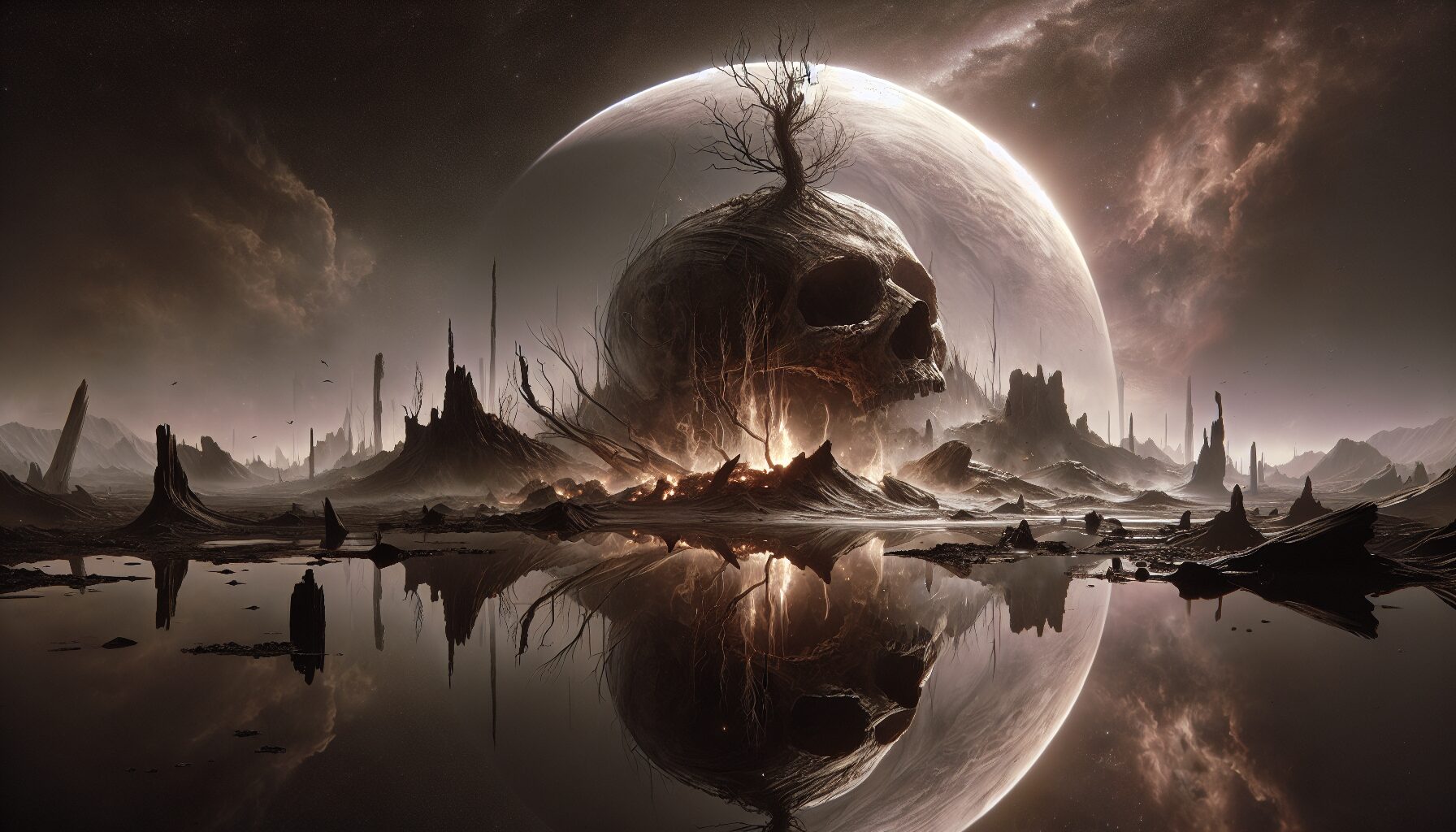
    Ashes and Eternity – Meditations on Life’s Transience

    Ashes and Eternity: Meditations on Life’s Transience

    Throughout the ages, humanity has pondered the fleeting nature of life and the eternal mysteries that lie beyond. From ancient mythologies to modern philosophical explorations, the concepts of ashes and eternity have been central to our understanding of existence. This meditation aims to explore the themes of impermanence and eternity, drawing from diverse cultural and philosophical perspectives.

    The Symbolism of Ashes

    Ashes have historically been symbolic of both death and rebirth. In many cultures, ashes are what remain after fire—a powerful element of transformation—consumes the material. They remind us of the transient nature of life, how all things ultimately decay and return to the earth. Yet, they also symbolize what remains eternal.

    • Hindu Philosophy: In Hindu rituals, ashes are used in last rites and are scattered in sacred rivers. This symbolizes the body’s return to nature and the soul’s journey towards rebirth. The Bhagavad Gita, a sacred Hindu text, notes, “As a man casts off worn-out garments and puts on new ones, so the soul casts off the body and takes on a new one” (Bhagavad Gita 2:22).
    • Christianity: On Ash Wednesday, Christians don ashes on their foreheads, symbolizing repentance and mortality. The phrase “Remember that you are dust, and to dust you shall return” (Genesis 3:19) emphasizes human mortality and the promise of eternal life through faith.
    • Buddhism: The Buddhist concept of Anicca, or impermanence, reminds followers that all forms are transient. Ashes, as remnants of fire, teach the lesson that clinging to material life leads to suffering. This is encapsulated in teachings found in the Pali Canon, which urge detachment from the material world.

    Eternity in Philosophy and Religion

    While ashes symbolize the transient, eternity represents the timeless and boundless. The pursuit of understanding what exists beyond life’s fleeting moments has been a central theme in philosophy and religion.

    • Plato’s Eternal Forms: Plato posited that beyond the physical world lies a world of perfect forms, eternal and immutable. In his work, “The Republic,” he described the cave allegory, highlighting the belief that true knowledge comes from understanding the eternal world beyond our sensory experiences.
    • Christian Afterlife: Christianity promises eternal life through salvation. The Bible speaks of an everlasting realm where “God will wipe away every tear from their eyes, there will be no more death or mourning” (Revelation 21:4), offering hope of transcendence beyond mortal life.
    • Islamic Perspective: In Islam, life after death is a fundamental tenet. The Qur’an describes a day “when the Earth is flattened out and the mountains are crushed to powder” (Qur’an 56:4-5), preceding eternal paradise or punishment, emphasizing accountability beyond this world.

    The Interplay Between Temporality and Eternity

    The tension between life’s brevity and the promise of eternity offers profound reflections on how we live our lives. This duality encourages individuals to seek meaning and connection within the finite scope of their existence.

    “Man is the only creature who refuses to be what he is.” – Albert Camus

    Camus’ existential philosophy suggests that the quest for meaning is uniquely human, driven by awareness of mortality and the aspiration for transcendence. His idea of “The Absurd” revolves around the tension between the desire for meaning and the silence of the universe.

    • Mindfulness and Presence: Practices like mindfulness teach embracing each moment, aware of its impermanence. This philosophy draws from Buddhist traditions, reminding practitioners that life’s great beauty lies in its transience.
    • Legacy and Influence: Many find solace in the belief that their actions, contributions, and influences remain long after they are gone. As Maya Angelou once said, “Your legacy is every life you’ve touched.”
    • Spiritual Enlightenment: For some, spiritual enlightenment offers a path to understanding eternity. The concept of nirvana in Buddhism exemplifies liberating oneself from the cycle of death and rebirth, reaching an eternal state through inner peace and understanding.

    Conclusion

    The meditation on ashes and eternity is a reflection of the perennial human endeavor to understand and reconcile the finite with the infinite. Whether through cultural traditions, philosophical inquiry, or spiritual contemplation, the journey through life’s temporary nature onto the threshold of eternity offers us insights into the essence of existence. As we contemplate these themes, we are reminded of the wisdom in embracing life’s transience while aspiring for the eternal values that define our legacy and the cosmic continuity.

    In the end, as the Greek philosopher Heraclitus observed, “The only constant in life is change.” In acknowledging this, we find a pathway not to despair, but to profound appreciation and inspiration.

  • The Vanishing Point – Existential Reflections on Time and Space

    The Vanishing Point – Existential Reflections on Time and Space

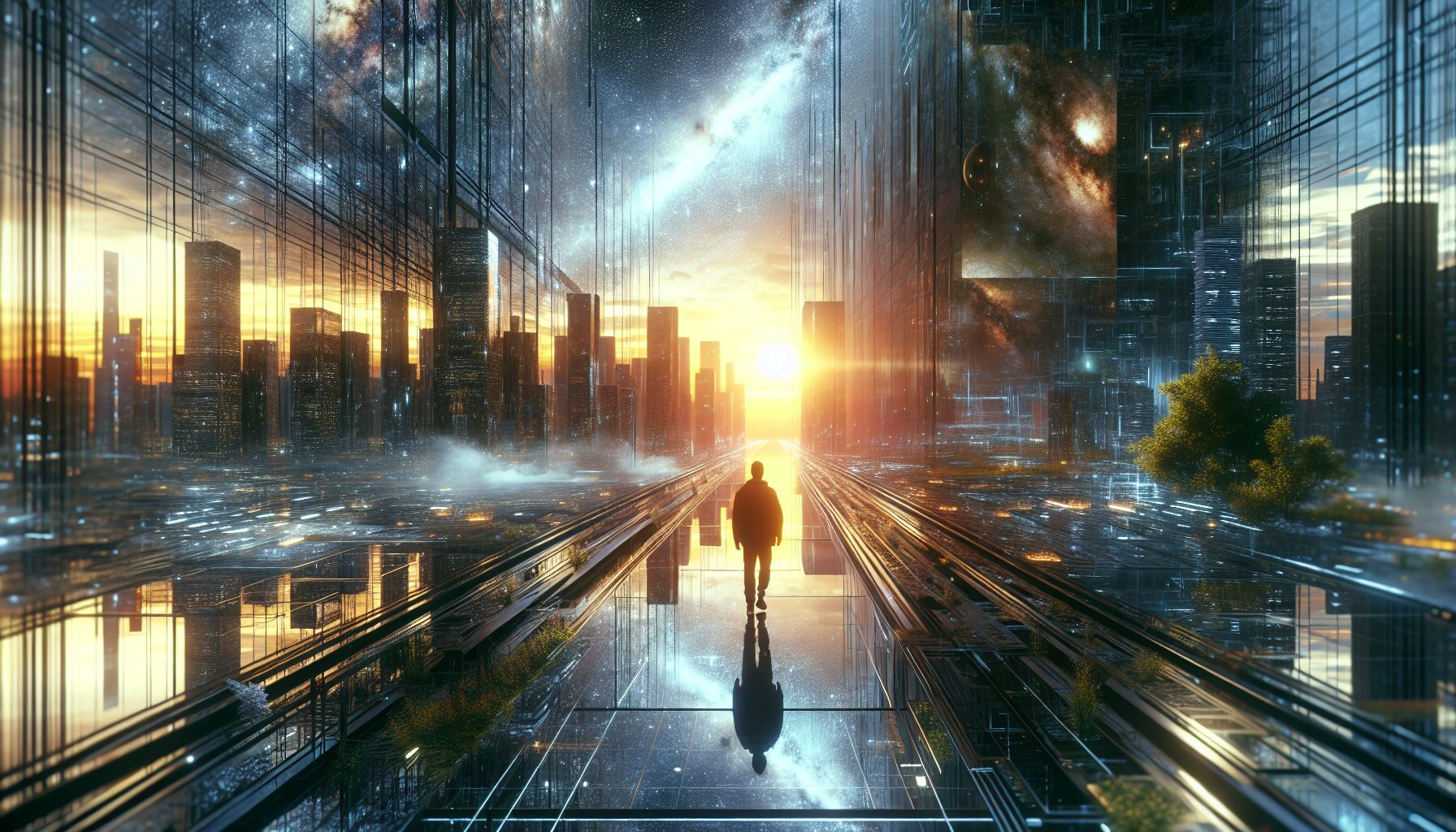
    The Vanishing Point: Existential Reflections on Time and Space

    The concept of the vanishing point bridges the realms of art and philosophy, offering contemplation on existence through the lenses of time and space. In art, the vanishing point is where lines converge, granting the illusion of depth on a flat surface. In existence, it prompts reflection on our journey through time and the spaces we inhabit.

    The Convergence of Lines: Perspective in Time

    Understanding time and space often begins with understanding how we perceive reality. Just as artists use perspective to create depth, our perception shapes the way we experience existence. The vanishing point, in this context, symbolizes a future moment, a time yet to come where all of our actions and decisions converge.

    “Time is what prevents everything from happening at once.” – Ray Cummings

    Time is linear in human perception, constantly moving forward. Yet, philosophers like Henri Bergson argue that time is a continuous flow, better understood as duration rather than a series of discrete points. Our focus on future “vanishing points” may lead us to neglect the present, the true canvas on which we paint our lives.

    Spaces We Inhabit: A Canvas of Experiences

    The spaces through which we move influence how we perceive time. Urban environments with their bustling rhythms skew our perception, making days seem longer due to the density of experiences packed into them. Conversely, natural spaces can stretch time, allowing moments of stillness and reflection.

    • Urban Spaces: The fast-paced life demands that we focus on future goals, the next vanishing point on our horizon.
    • Natural Spaces: These environments encourage us to embrace the present moment, offering a respite from the relentless march towards the future.

    In philosophical discussions, space is not just the physical distance between objects but also the environment where events unfold. The space we choose to inhabit, like the brushstrokes on a canvas, defines our experiences and shapes our personal narratives.

    The Existential Question: What Awaits at the Vanishing Point?

    The idea of a vanishing point in life prompts existential questions about purpose and destiny. If all lines of our life converge at a single point in the future, what lies there? Is it fulfillment, as suggested by Taoist philosophies, or merely an illusion akin to the artistic trickery on canvas?

    Jean-Paul Sartre claimed that “existence precedes essence,” positing that we must create meaning in our own lives. In this view, the vanishing point is not predetermined, but something we construct through our choices and actions.

    “Man is condemned to be free; because once thrown into the world, he is responsible for everything he does.” – Jean-Paul Sartre

    Navigating the Ephemeral Journey

    To ponder time and space is to engage with the ephemeral nature of our journey. We strive to exert control, to direct our narrative towards a meaningful vanishing point. Yet, we are often faced with uncertainty, akin to navigating uncharted waters, relying on the stars above as guides.

    • Mindfulness: Embracing the present moment through mindfulness can anchor us amidst the chaos of future ambitions.
    • Reflection: Regular reflection allows for a recalibration of our trajectories, ensuring our actions align with our innermost values.

    In the end, the vanishing point is both a concrete goal and an illusion, a reminder to live intentionally in both the present and future dimensions of our existence. Our understanding of time and space is part of a larger philosophical endeavor to grasp our place in the universe. As we traverse the vast landscapes of life, let the vanishing points not just shape our paths but also enrich our experiences along the way.

    This exploration encourages us to look beyond the simplicity of lines on paper, challenging us to see time and space as interconnected, continuously shaping our understanding of reality. For further reading on the philosophical implications of space-time, explore the Encyclopedia Britannica’s comprehensive guide.

  • The Invisible Choir: Songs for the Departed

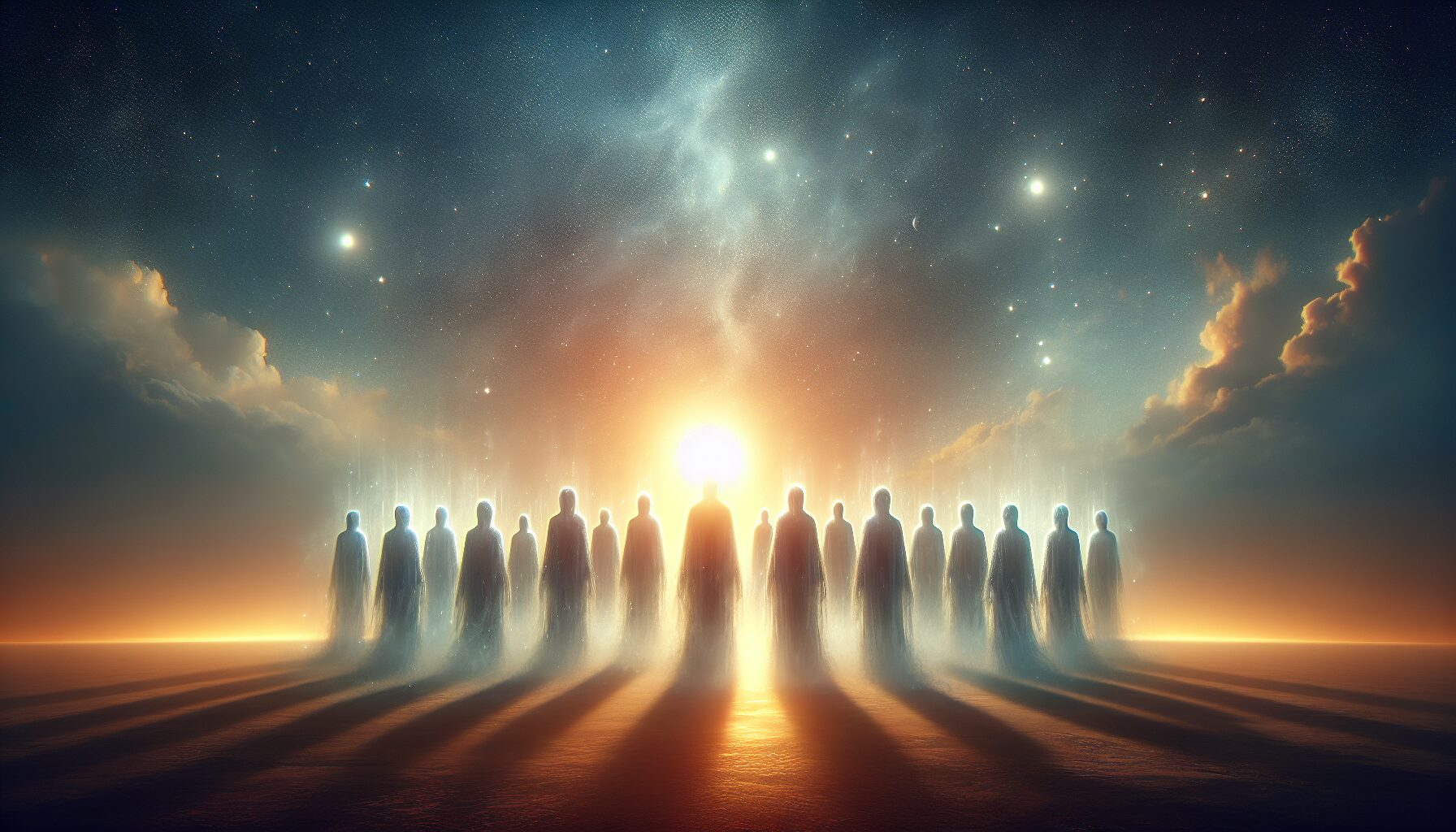
    The Invisible Choir: Songs for the Departed

    In a world characterized by constant noise and ceaseless chatter, there exists a serene realm where silence is golden, but melodies echo through the ether—an ethereal sphere occupied by The Invisible Choir. This imagined ensemble sings for those who have departed, offering a haunting yet beautiful testament to lives once lived and stories worth remembering.

    “Music is the divine way to tell beautiful, poetic things to the heart,”

    – Pablo Casals

    The concept of music as a form of communication with the departed is not new. Across different cultures and throughout history, music has played an integral role in funerary practices and rituals aimed at easing the soul’s journey to the afterlife. These traditions, from mournful dirges on Scottish bagpipes to the spiritually uplifting chants of Buddhist monks, illuminate music’s unique power to bridge the gap between the earthly and the divine.

    • Historical Roots: In ancient Egypt, tunes were believed to accompany the deceased through the underworld. Similarly, in Greece, music was an offering to gods and guides for the souls.
    • Cultural Significance: African griots use music as a storytelling vehicle, keeping the spirit of ancestors alive through generations.
    • Modern Interpretations: Contemporary compositions, like those of composer Eric Whitacre’s Virtual Choir, allow voices worldwide to join in ethereal harmony, demonstrating the continuing evolution of this tradition.

    The Invisible Choir taps into this rich tapestry of cultural practices. While the choristers may be unseen, their voices resonate with those left behind. Singing of joy and sorrow, loss and remembrance, The Invisible Choir provides solace to the living. Amidst quietude, their songs decorate silence with warmth and reflection, embracing the grieving with the comfort of melody.

    Technological Connection: The digital age offers new pathways for The Invisible Choir. With platforms like YouTube, SoundCloud, and others, compositions can be shared globally, reaching those who need the healing touch of music, no matter where they are.

    This metaphoric choir isn’t about grieving alone; it’s a celebration of legacy and memory. With each note, The Invisible Choir reaffirms that while the body may fail, the spirit endures through the connective tones of music. It is a gentle reminder that life, though temporary, leaves an indelible mark, and through song, the departed remain among us, serenading through the echoes of eternity.

    The Invisible Choir is an invitation—to pause, listen, and feel—the undying lullaby sung for the departed, a promise that melodies never die.

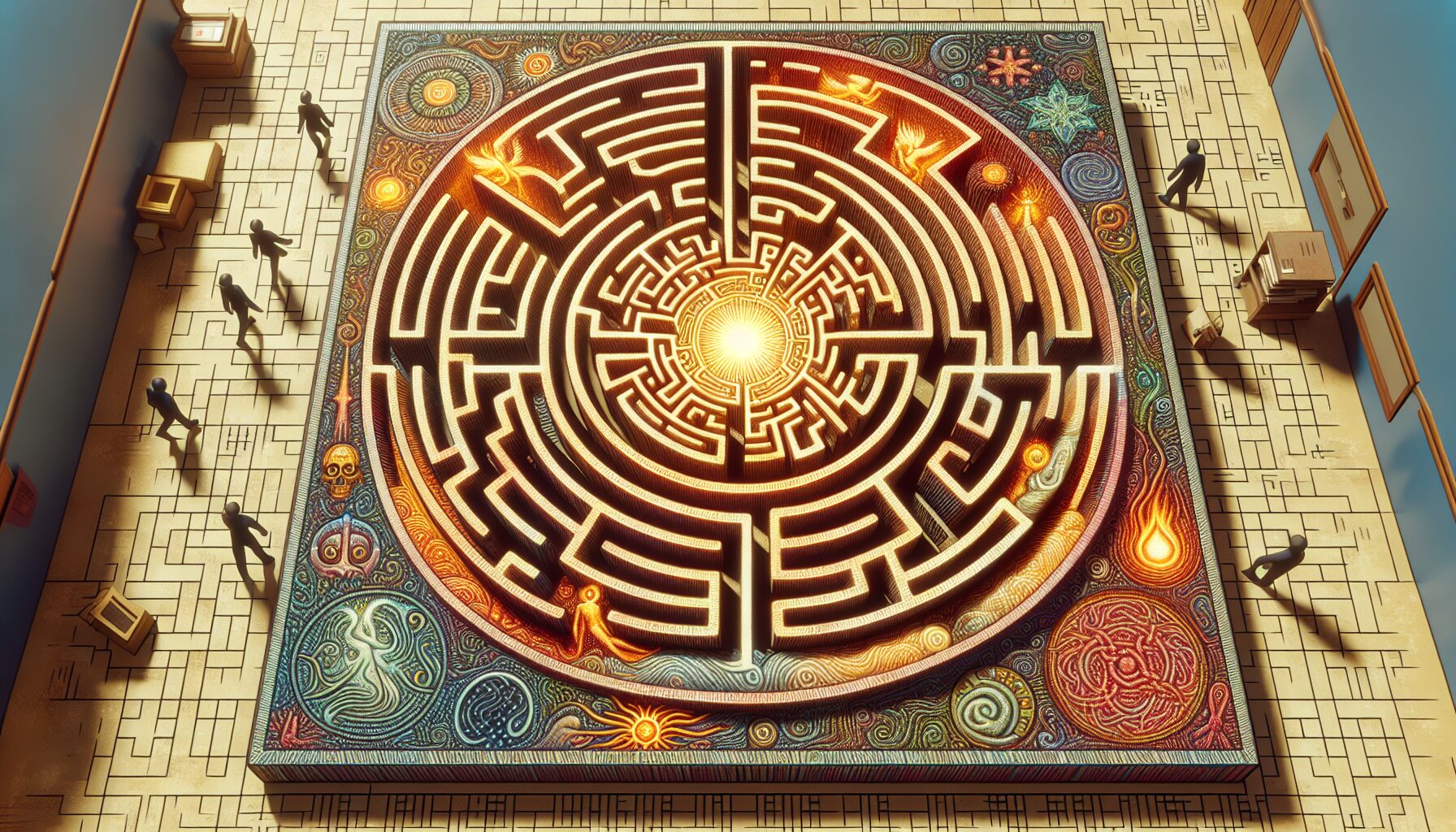
  • Mapping the Invisible: Spiritual Cartography

    Mapping the Invisible: Spiritual Cartography

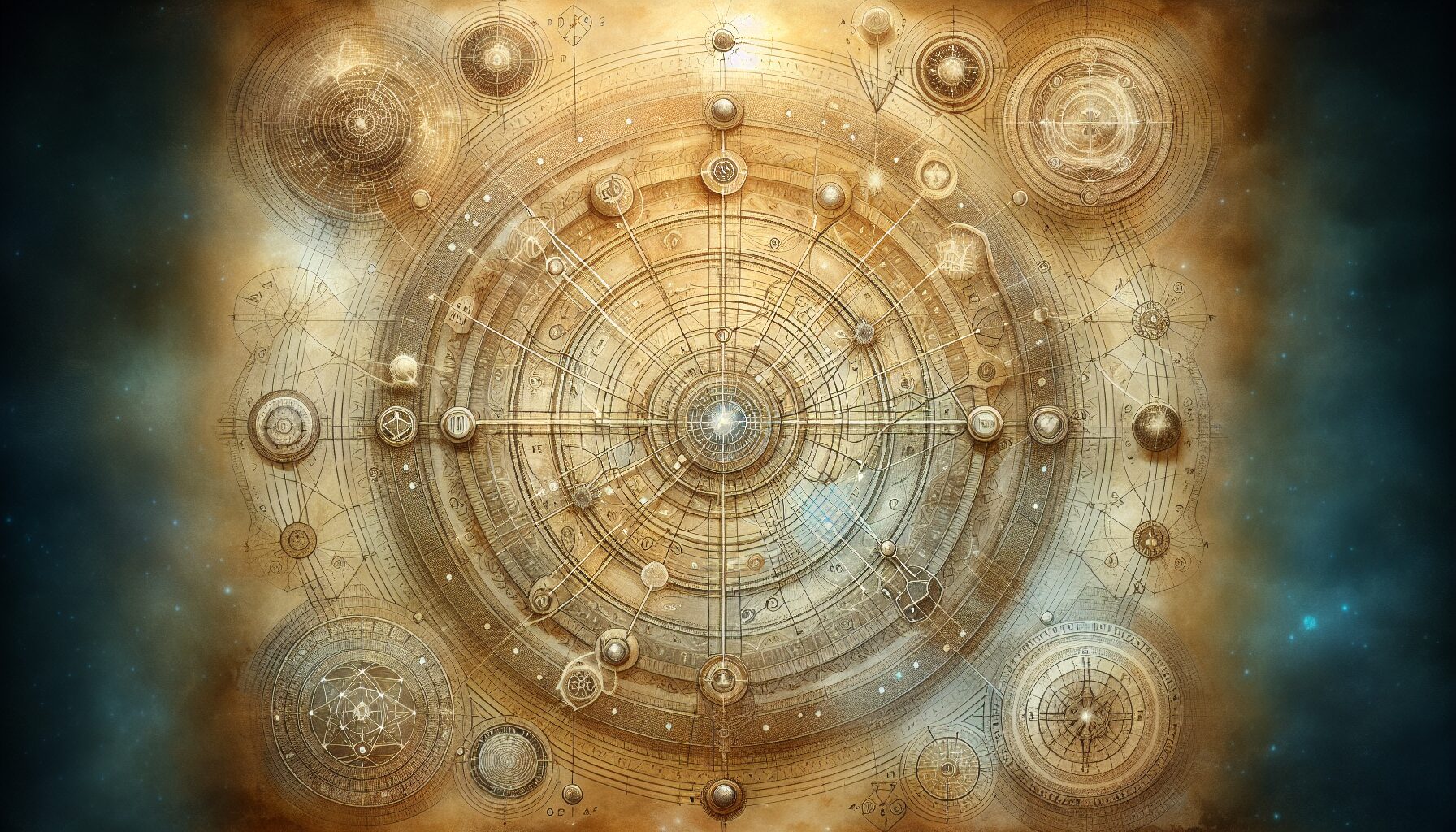
    In an era where technology has mapped almost every corner of the earth, there remains a vast, unmapped expanse: the spiritual realm. Spiritual cartography explores how different cultures, faiths, and individuals conceptualize the unseen worlds surrounding and within us. This intriguing field serves as a bridge between the tangible and the transcendental, offering insights into human consciousness, beliefs, and the quest for meaning.

    What is Spiritual Cartography?

    Unlike traditional cartography, which renders geographical features on paper or digitally, spiritual cartography is an abstract discipline. It seeks to chart realms that are not visible to the naked eye yet are vividly real for those who traverse them. These maps are figurative, representing journeys through cultural myths, religious doctrines, personal introspections, and mystical experiences.

    Historical Perspectives: Tracing Early Spiritual Maps

    The idea of mapping spiritual terrains is not new. Ancient civilizations like the Egyptians, Mayans, and Greeks created maps to illustrate their beliefs about the cosmos and afterlife. The Egyptian Book of the Dead, for instance, can be seen as a form of spiritual cartography, guiding the soul through the complex geography of the afterlife to achieve immortality.

    In the realm of literature, The Divine Comedy by Dante Alighieri is a masterful exploration of the afterlife, delineating a journey through Hell, Purgatory, and Paradise. Similarly, John Bunyan’s The Pilgrim’s Progress serves as a metaphorical map for the Christian soul’s journey towards salvation.

    “Dante’s epic poem gives us more than a vision of the medieval Christian cosmos; it provides insight into the human psyche, reflecting our internal struggles, aspirations, and fears.” — Encyclopedia Britannica

    Indigenous Cultures and Sacred Geography

    Many indigenous cultures possess an intimate connection to their lands, often viewed as sacred geographies imbued with spiritual significance. These communities have crafted intricate spiritual maps, though they may not exist in a physical form.

    • Aboriginal Australians – Their conception of the Dreamtime is a spiritual map of Australia’s landscapes, embodying creation stories and guiding laws.
    • Native American Tribes – Tribes like the Navajo view their land as a living entity, with each sacred site signifying a spiritual node on their internal maps.

    Such maps emphasize the symbiotic relationship between landscape and spirituality, where geography acts as a canvas for cultural myths and spiritual practices.

    Modern Interpretations and Personal Journeys

    In contemporary times, spiritual seekers often create their personal spiritual maps. These may involve practices such as meditation, journaling, and art, helping individuals navigate their inner landscapes.

    “Meditation is akin to charting a map of one’s inner world, where each moment of insight represents a landmark in the journey towards enlightenment.” — Psychology Today

    The Role of Technology and Virtual Worlds

    The digital age presents new opportunities and challenges for spiritual cartography. Virtual reality and online platforms allow for the creation of immersive spiritual experiences, simulating journeys through spiritual realms. However, the risk of disconnecting from authentic experiences is real, prompting a need for integration of traditional wisdom with modern innovations.

    • Virtual Reality Meditation: Platforms like Headspace offer guided meditations, helping users explore their mental landscapes.
    • Interactive Storytelling: Games like Journey and Abzû create a sense of spiritual exploration and discovery through interactive, virtual worlds.

    Challenges in Spiritual Cartography

    Charting spiritual realms comes with its challenges. Unlike physical maps, spiritual maps are subjective, varying dramatically from one culture or individual to another. Their interpretation requires an openness to different belief systems and an understanding of the symbolic language unique to each faith or personal mindset.

    An essential challenge is ensuring respect for diverse spiritual practices while taking an inclusive approach toward the universal human quest for meaning and connection.

    The Future of Spiritual Cartography

    As global connectivity increases and cultural exchanges become more frequent, spiritual cartography could evolve into a more integrated discipline, blending insights from multiple traditions. Scholars, artists, and technologists may find new ways to depict the spiritual journey, offering guides for future generations seeking wisdom and solace in the unseen realms.

    Mapping the invisible is ultimately a reflection of humanity’s enduring longing to understand our place within the cosmos. As we continue to explore both outer and inner worlds, spiritual cartography remains a vital tool for navigating the mysteries of existence and embracing the invisible ties that bind us all.

    For further exploration and to dive deeper into your own spiritual journey, consider starting with resources like Mindful.org or engaging with communities that practice introspective art and meditation.

  • Posthumous Advice: Letters from Elders

    Posthumous Advice: Letters from Elders

    The wisdom of the elders has always been a treasured asset, a beacon of guidance for younger generations navigating the complexities of life. In a world captivated by the dazzling innovations of the present and the enticing prospects of the future, there is timeless value in looking back and learning from the experiences of those who have walked life’s paths before us. This article explores the poignant practice of posthumously receiving advice from elders through letters and writings left behind for family, friends, or society at large.

    The Tradition of Letter Writing

    Letter writing, especially in the form of advice or reflections intended for future readers, has a revered place in history. From historic figures to everyday individuals, people have been writing letters as a means to communicate their thoughts, share their emotions, and impart their wisdom.

    “To send a letter is a good way to go somewhere without moving anything but your heart.” — Phyllis Theroux

    Such letters, especially when discovered posthumously, transform into treasures that offer intimate insights into the author’s world and worldview. They serve as personal time capsules, capturing the essence of their lives and times, and invariably viewed through the lens of deep personal connection.

    Notable Examples of Posthumous Letters

    There are numerous instances where letters have provided profound insights or advice long after their authors have passed. These letters span various subjects, from personal reflections to universal truths that remain relevant across generations. Here are a few notable examples:

    • Albert Einstein: One of his most famous letters was to his son, Hans Albert, wherein he shared advice on life and the importance of finding joy in work. “That is the way to learn the most, that when you are doing something with such enjoyment that you don’t notice that the time passes,” wrote Einstein, emphasizing happiness in one’s pursuit.
    • George H.W. Bush: In a letter to his grandchildren, Bush shared moving sentiments and stories, illustrating the values he hoped they would embrace. He wrote candidly about courage, kindness, and the importance of family.
    • Virginia Woolf: Before her tragic death, Woolf wrote letters that exhibited profound introspection. These letters reveal much about her struggles and triumphs in mental health and her staunch belief in the power of literature and art.

    The Role of Letters in Modern Times

    In today’s digital age, the art of letter writing has been somewhat overshadowed by instant communication methods such as emails, texts, and social media. However, the enduring value of a physical letter remains significant, serving as a tangible reminder of personal connection and deep reflection.

    Psychological Impact: Receiving a posthumous letter from a loved one can have a profound psychological impact on the recipient. It often provides a sense of closure or continuity, offering advice or reaffirmation that can be as comforting as it is enlightening. Such letters allow the reader to reconnect with the voice and spirit of the author in a meaningful and often cathartic way.

    Creating a Legacy Through Letters

    For those contemplating their legacy, writing letters to be read after they have passed can be a powerful exercise. It allows an individual to reflect on their life, recognize the values they deem most important, and consider the lessons they wish to impart to their loved ones.

    “The best way to predict your future is to create it.” — Abraham Lincoln

    Indeed, creating these personal narratives allows the elders to speak beyond the grave, bonding generations through heartfelt stories, shared wisdom, and enduring advice. In doing so, they create a tapestry of experiences and knowledge that can significantly impact the lives of future generations.

    Conclusion

    The letters of our elders, delivered posthumously, remain vibrant sources of inspiration and wisdom. They serve as bridges to the past, illuminating pathways with lessons that help guide us through the intricacies of life. As we continue to forge our futures, it is the whisper of these shared experiences, thoughtfully captured in penned words, that often guide our steps forward.

    In seeking to understand our place within the continuum of human experience, the advice these letters impart is invaluable. It reminds us not only of the power of words but of the enduring connection we have with those who came before us—underscoring that, in the words of long-lost voices, we may find a clearer understanding of ourselves.

  • Lanterns in the Fog: Photography Essays

    Lanterns in the Fog: Photography Essays

    Photography is an art form unlike any other, capturing fleeting moments and vivifying the silent stories of our lives. It has the power to evoke emotion, tell profound tales, and reveal unseen beauty. Among the multitude of subjects and themes in photography, few are as enchanting and otherworldly as the sight of lanterns illuminating a foggy landscape.

    “Photography takes an instant out of time, altering life by holding it still.” — Dorothea Lange

    This essay explores the unique charm of photographing lanterns in the mist, blending the transient beauty of nature with the warm, persistent glow of human creation.

    The Mystique of Fog

    Fog is an atmospheric phenomenon that mystifies landscapes, blurring edges, and softening the harsh realities that usually define our surroundings. It creates a natural canvass for photographers, one that is ever-changing and imbued with a sense of ethereal beauty. The ephemeral nature of fog inspires a race against time to capture its essence before it vanishes with the rising sun or shifting winds.

    • Fog naturally combines light and shadow, introducing dramatic contrasts that can transform ordinary scenes into extraordinary vignettes.
    • It acts as a veil, allowing subjects, such as lanterns, to emerge as focal points against a soft, blurred backdrop.
    • The diffused light of the fog provides an even, gentle illumination which requires special exposure techniques.

    In essence, photographing fog is akin to painting with light; a delicate dance of shutter speed, ISO, and aperture to capture a scene that speaks to both the present moment and an enduring mystery.

    Lanterns: Beacons of Light

    Lanterns hold a special place in the realm of photographic subjects. Symbolic in their own right, they represent enlightenment, guidance, and hope. When placed within a foggy environment, lanterns take on a mythic quality, their glow penetrating the opaque mist and casting a serene, almost spiritual ambiance.

    Why Lanterns?

    • Symbolism: Lanterns have been historically used as symbols of wisdom and enlightenment. In photography, they punctuate a foggy scene with cultural and emotional depth.
    • Contrast: The stark contrast between the bright, contained light of a lantern against the soft blanket of fog draws the viewer’s attention inevitably towards the light source.
    • Emotional resonance: The imagery invokes feelings of nostalgia and hope, offering viewers a beacon to guide them through the uncertain fog of their own lives.

    Creating the Composition

    Capturing the interplay between lanterns and fog requires a deft hand and an intuitive eye for composition. The photographer must navigate the delicate equilibrium between the seen and unseen, the immediate and the infinite.

    “To me, photography is an art of observation. It’s about finding something interesting in an ordinary place.” — Elliott Erwitt

    Steps to Craft the Perfect Shot

    • Timing: The fog is dynamic, so timing is key. Early mornings or late evenings, when the air is cool, provide the best chances for mist formation.
    • Location scouting: Choose locations with natural features like trees, water bodies, or paths which can add layers to your composition.
    • Use of props: Incorporate traditional or ornate lanterns to deepen the cultural context of your photograph.
    • Experimentation: Adjust camera settings and try different angles to capture the fog’s interaction with the lantern light.”

    For an extended discussion on these techniques, visit Outdoor Photographer.

    Case Studies: Photos that Speak

    To illustrate the profound impact of such photography, consider these case studies of renowned artists who have perfected the art of fog and lanterns.

    Annie Zhang’s “Silent Illumination”

    Zhang, an award-winning photographer, created a series titled “Silent Illumination” where she portrayed the ancient town of Pingyao, with its history-laden paths illuminated by the gentle glow of lanterns through a heavy mist.

    The photographs convey a sense of timelessness, as if peering through the veil of history itself, where every cobblestone whispers stories of the past.

    Elliott James’s “Shadows and Light”

    Elliott James, renowned for his black and white landscape prints, presents a stark, emotive contrast with his series “Shadows and Light”. The lack of color intensifies the visual drama of lanterns piercing through monochrome fog, urging viewers to confront both the light and the shadows within their psyches.

    James’s work exemplifies how variations in lighting and contrast can communicate the depth of human experience beyond the visible spectrum.

    Conclusion: The Enduring Power of Light

    In the world of photography, lanterns and fog create a metaphor for the human condition itself. The fog represents uncertainty, doubt, and mystery—the unknown space each of us navigates in our journey. Lanterns, meanwhile, symbolize guidance, hope, and the intrinsic human spirit that perseveres through even the densest mists.

    “Taking pictures is savoring life intensely, every hundredth of a second.” — Marc Riboud

    As you embark on your own photographic explorations, consider the unique opportunity that photographing such mystical subjects provides. Let the interplay of fog and lanterns not just inspire your art, but also illuminate your path as you decode the visual poetry of this wondrous world.

  • The Dust of Angels: Poetry and Prose

    The Dust of Angels: Poetry and Prose

    You need to be logged in to view this content. Please . Not a Member? Join Us
  • Letters from Limbo: Fiction and Nonfiction

    Letters from Limbo: Fiction and Nonfiction

    You need to be logged in to view this content. Please . Not a Member? Join Us
  • Paper Relics: Creating Objects of Memory

    Paper Relics: Creating Objects of Memory

    You need to be logged in to view this content. Please . Not a Member? Join Us