
Tag: twilight

  • Twilight Rituals – Practices for the Modern Occultist

    Twilight Rituals – Practices for the Modern Occultist

    As the sun sets and the shadows lengthen, many modern occultists find this liminal time ideal for engaging in rituals that bridge the mystical and the mundane. Twilight, a time of transition, carries ancestral memories of practices repeated throughout history. Here, we delve into some contemporary twilight rituals that continue to inspire and connect practitioners with their spiritual paths.

    Understanding the Significance of Twilight

    Twilight signifies a magical in-between time; neither fully day nor night. It has always represented a gateway between worlds, a time ripe for reflection and introspection. As Marie-Louis von Franz, a Swiss psychologist and scholar of Jungian psychology, once remarked, “Twilight is that place between where one thing becomes another, and anything is possible.” (Source)

    Popular Twilight Rituals

    • Shadow Work Meditation: This practice is about delving into one’s subconscious to acknowledge and heal hidden aspects of the self. As shadows blend in during twilight, practitioners sit in meditative states, often outdoors, to merge and reconcile their darker sides.
    • Elemental Invocation: In this ritual, practitioners call upon the four elements—earth, water, air, and fire—during twilight. This can involve lighting candles for fire, pouring water for the element of water, standing barefoot on grass for earth, and taking deep breaths for air, typically in an open space where the fading light can be embraced.
    • Creating a Sigil: Sigil magic involves creating an abstract symbol that holds personal meaning or intent. With twilight’s fading light, many find it conducive to focus and silently meditate on these symbols, infusing them with purpose and intention.

    The Role of Community in Modern Practices

    The sense of community and shared experience can greatly enhance individual practices. Many occultists participate in group rituals, often conducted during twilight to harness collective energy. These gatherings may include exchanging knowledge, performing group spells, or simply being present with others who share similar beliefs. As noted by Dion Fortune, a prominent occultist, “Magic is the art of changing consciousness at will,” a process that can be amplified in communal settings. (Source)

    Conclusion

    Twilight rituals offer a profound way for modern practitioners to bridge the old and the new, the mystical and the tangible. Whether practiced in solitude or community, these rituals remain a testament to the enduring human quest for spiritual connection and transformation.
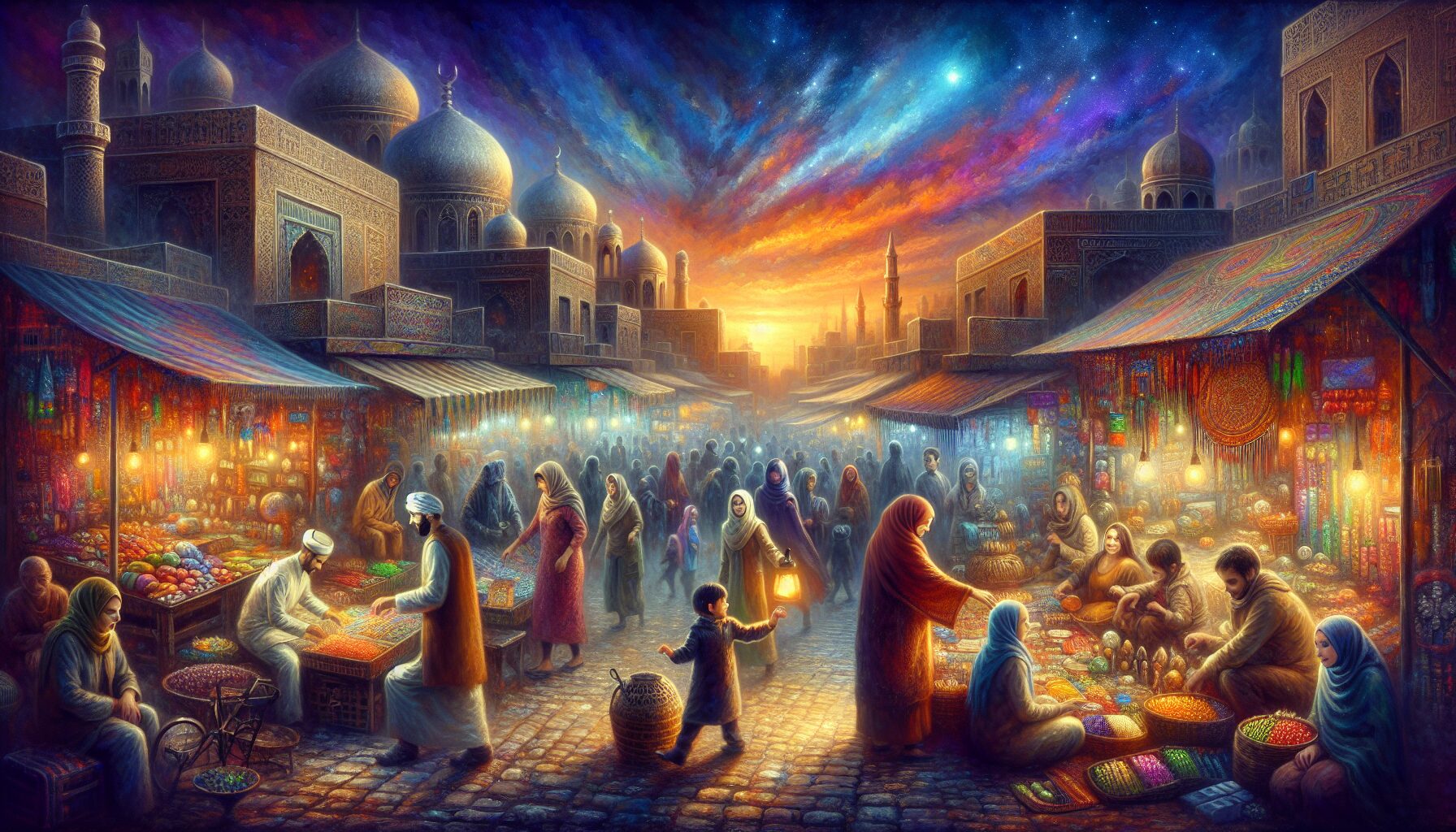

  • Twilight Markets: Buying and Selling the Intangible

    Twilight Markets: Buying and Selling the Intangible

    You need to be logged in to view this content. Please . Not a Member? Join Us
  • Twilight Between Worlds: The Art of Mourning and Memory

    Twilight Between Worlds: The Art of Mourning and Memory

    Mourning is a universal language, an inevitable journey traversed by every human heart. It is an art form, a complex tapestry woven with strands of memory, emotion, and ritual. The experience of mourning often exists in a “twilight” between worlds—caught between the tangible reality of loss and the intangible presence of memory.

    The Universality of Mourning

    Every culture around the globe engages in mourning practices, each bringing its own unique traditions. These practices serve as a bridge, helping the living to connect with the dead and to reconcile with the void left behind. As psychologist William Worden suggested, mourning involves a series of tasks that must be worked through, such as accepting the reality of the loss and adjusting to a world without the deceased (source).

    Art as a Vessel for Memory

    Art has long been a crucial conduit for expressing the inexpressible facets of grief. Whether through painting, music, or literary expression, art captures the essence of our memories and immortalizes them. Author Joan Didion, in her poignant memoir The Year of Magical Thinking, portrays her exploration of personal grief following the loss of her husband. Didion writes, “Grief turns out to be a place none of us know until we reach it” (source).

    “The role of art is not to only show what is pleasing but to connect with the facets of existence that remain unspoken,” philosopher Alain de Botton once remarked (source).

    • Music: Compositions like Mozart’s Requiem evoke the depth of sorrow while offering solace through harmony and melodic beauty.
    • Visual Art: Painters like Frida Kahlo and Edvard Munch externalized their grief, creating enduring works that resonate through time.
    • Literature: From Emily Dickinson’s elegiac poetry to contemporary memoir, writing has been a sanctuary for the bereaved.

    Evolving Traditions

    In modern times, technology has invited new dimensions to the act of remembering. Virtual memorials and digital legacies have emerged, providing platforms for expressing grief and commemorating lives in ways previously unimaginable. This evolution reflects society’s continuous attempt to harness new mediums to maintain a connection with those who have departed.

    The journey of mourning is not about reaching a defined destination but about existing in that twilight—cherishing memories while navigating the new normal. It’s the precious blend of past and present, sorrow and solace, that allows us to truly appreciate the art of loss and remembrance.