Tag: unconscious

  • Jung and the Angelic Archetype

    Jung and the Angelic Archetype

    Jung and the Angelic Archetype

    Carl Jung is known for his pioneering work on the subject of archetypes – that is, the fundamental images and symbols which are part of our collective human experience. The term archetype refers to these fundamental patterns of behavior and thought which exist within the collective human mind. It is these archetypes which are responsible for our unique personality and which, Jung argued, are the source of our creativity. The most compelling of Jung’s insights, however, was the idea that there were some archetypal figures in the collective human mind which were, and continue to be, the source of all religious faiths, myths and legends. These archetypes are the source of the collective human soul, Jung argued, and it is they which form the basis of our spiritual development.

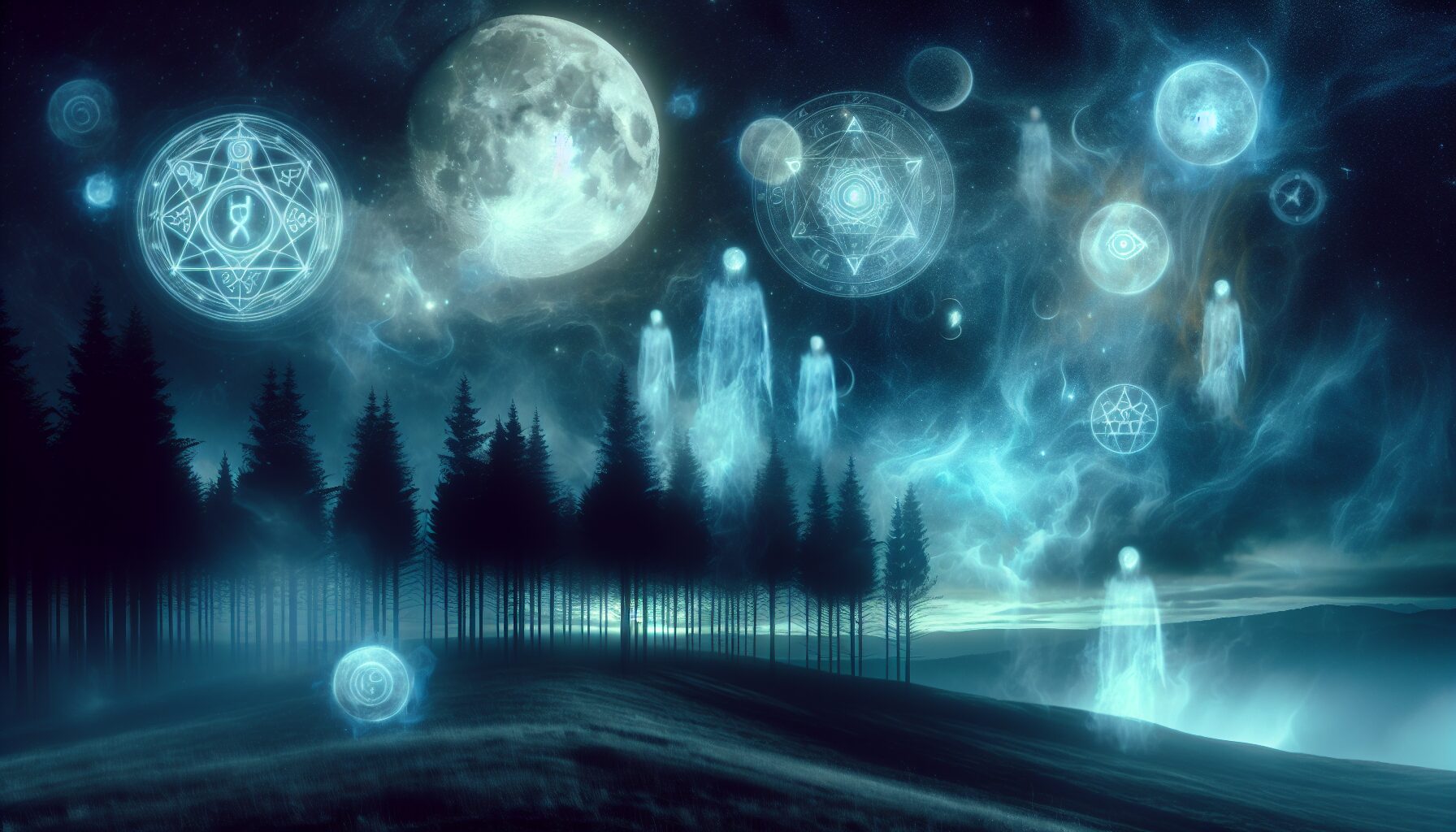
    One of Jung’s most famous concepts is that of the archetypal image of the angel. In Jungian terms, an angel is an archetype which can manifest in many forms. These angels, as Jung argued, can manifest as a physical embodiment of the archetype, an idea or symbol which can be expressed through art, language and religious belief systems. In addition to the archetypal angel, Jung also suggests that we have our own guardian angels, which are not the physical manifestation of the archetypal angel, but rather a more unique expression of the archetype. These angels are unique to each person, and can manifest in the form of a guide, guardian or protector of the individual.

    In this respect, Jung was a firm believer in the power of the unconscious mind. The unconscious is, as Jung argued, the source of our creativity and imagination. In his book, “The Red Book”, Jung explored the concept of the unconscious extensively, and found that it is this source of creativity which manifests in our dreams and fantasies. Jung also suggested that the unconscious mind is the source of our archetypal images – that it is these images which form the basis of our spiritual development. It is the unconscious which, in Jungian terms, is the source of the “collective unconscious” – that part of our mind which we share with all other individuals in the world.

    The archetypal angel, however, is one which can manifest itself in many ways. In some cases, it is a physical manifestation of an angelic being, while in others it is an internal angelic figure that emerges from the depths of our unconscious mind. Jung argued that these angels can be found in all religions, mythologies and spiritual traditions.

    In this respect, Jung’s work on the archetypal angel was revolutionary. Jung’s concept of the archetypal angel can be found in a variety of spiritual and religious traditions, including that of Christianity, Islam, Judaism and many more. In addition to the physical manifestation of the angel, Jung also suggested that there is an internal manifestation of the angel, which can be seen in those moments when we feel an inexplicable connection with another individual. In this respect, the archetypal angel is a figure which exists at the source of our being.

    Jung’s concept of the archetypal angel, therefore, forms the basis of all spiritual and religious beliefs. It is the source of all religious icons, the image which we each worship, and which is part of our spiritual and cultural heritage.

    User
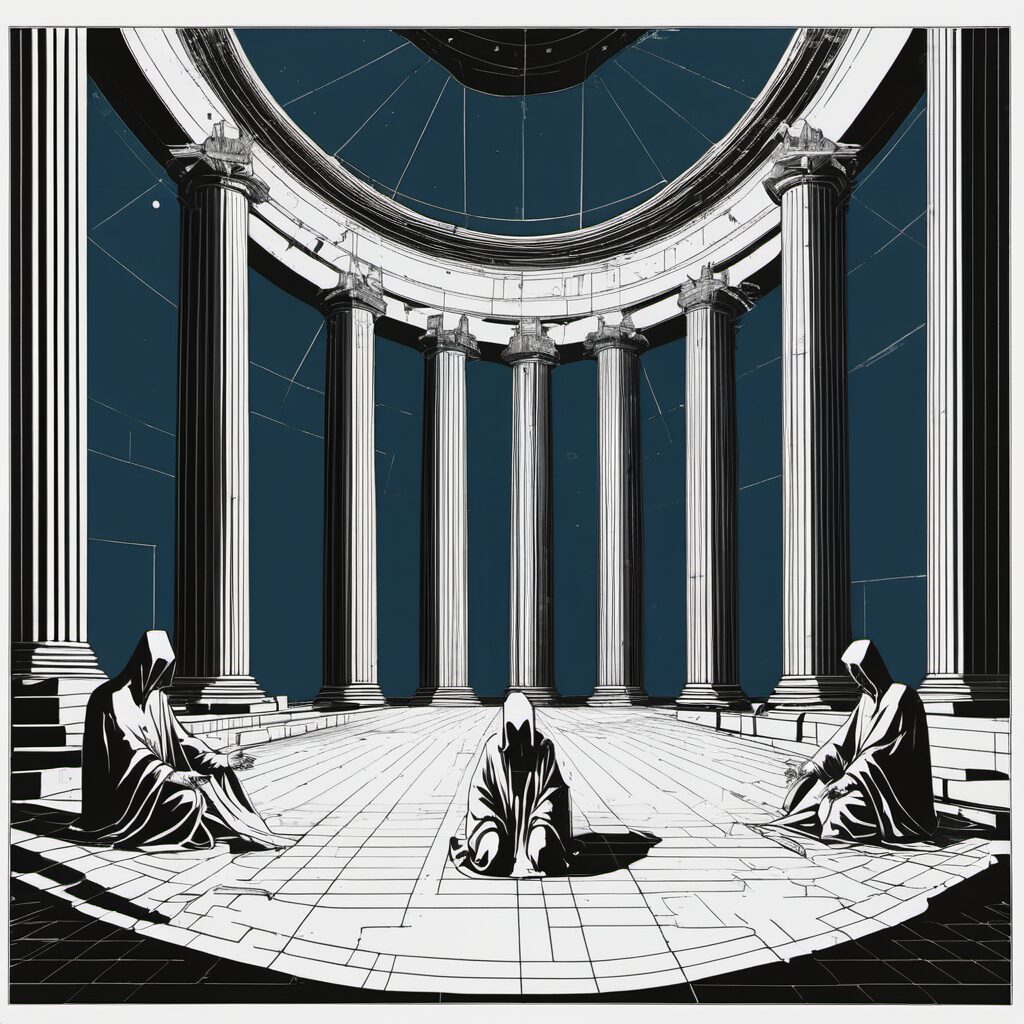
  • Angels and the Collective Unconscious

    Angels and the Collective Unconscious

    Angels and the Collective Unconscious

    Written by John Dee

    Published 2022

    Angels have been an important aspect of human culture throughout history. They have been seen as messengers from the divine, protectors of the world and the faithful messengers of the gods. In many cultures, angels are often depicted as powerful entities, with wings, a halo, and divine symbols.

    However, angels are not a topic of popular science. The general public has no idea of what they are or where they come from. As a result, many misconceptions and myths have been perpetuated regarding angels. In order to dispel these misconceptions, we need to take a closer look at the concept of the collective unconscious.

    The collective unconscious is a concept introduced by Carl Jung, which is a metaphor for the collective thoughts and feelings of an entire society or culture. It is similar to the concept of the unconscious mind, which is comprised of all the thoughts, feelings, and memories that an individual is not consciously aware of.

    We can think of the collective unconscious as a collective consciousness, which encompasses all the beliefs and beliefs of an entire society. It is believed that the collective unconscious can contain spiritual, mythological, and religious beliefs that are believed to be universal.

    From a psychological standpoint, the collective unconscious is made up of a collective body of thought that is often used as a means to help individuals come to terms with their own personal issues. It is often used to explain the “voices” people hear in their heads, which may be related to thoughts, emotions, or ideas that are not consciously known.

    The concept of angels, in particular, is often associated with the collective unconscious. Angels are believed to be powerful messengers of the divine that can provide guidance, spiritual protection, and comfort to those in need. In terms of this definition, angels can be thought of as spiritual entities that are often seen as messengers from the divine. They can be thought of as celestial beings that are sometimes associated with the godly or the holy.

    In terms of cultural and religious beliefs, angels have been an integral part of many religions for centuries. They are often depicted as powerful beings and are often depicted in art, religion, and folklore. In some religions, angels are believed to be messengers of the god and the goddess, and are often depicted as beings of light and divine beings.

    In conclusion, angels are a fundamental part of human culture that has been associated with the collective unconscious for centuries. They are often seen as powerful messengers of the divine that can provide spiritual guidance, comfort, and protection. They are often associated with the concept of the collective unconscious and are seen as celestial beings that are sometimes associated with the gods and goddesses.
    User

  • The Hidden Psyche: Jung, Symbols, and Spiritual Awakening

    The Hidden Psyche: Jung, Symbols, and Spiritual Awakening

    The Hidden Psyche: Jung, Symbols, and Spiritual Awakening

    In this article, we will explore the concepts of Jung, symbols, and spiritual awakening.

    Introduction

    Jung’s approach to the human psyche was to see it as an archetypal journey, a “psychic journey” as he put it, where the unconscious aspects of our mind are mapped and reflected in our personal lives. This can also be seen as a quest for a greater understanding of our own identity and purpose in life.

    Jung himself had a lifelong fascination with symbols, in particular animal and bird imagery. These symbols have been used for centuries to awaken our minds and help us to see the deeper meaning of our lives.

    Symbols and their meaning

    Jung believed that the symbols that we use, consciously and unconsciously, in our daily lives had a deep meaning and could be used as a guide to personal fulfillment.

    For Jung, symbols were an expression of the unconscious and were therefore connected to our dreams, our emotions, and our deeper spiritual essence. They reflect a connection to the collective unconscious, the common ground of all humanity.

    Examples of Jungian symbols

    Jungian symbols include animals like the elephant, which represent strength and stability. Birds, such as the hawk, are symbols of enlightenment, and can also indicate a need for spiritual awakening.

    Jungian symbols can also be seen in everyday objects, such as a red apple, which is a symbol of sexuality and fertility. They can also be seen in art and architecture, as they hold great spiritual significance.

    Spiritual awakening and symbols

    Spiritual awakening involves a transformation, from mundane to the divine. This can be symbolized by a journey to the East, where the sun is viewed as a god.

    Spiritual awakenings, like the “alchemical” journey, can be symbolized in a journey to the East. This is the journey of ascent, where the sun is seen as a god.

    Conclusion

    In this article, we explored Jung’s approach to the psyche, which includes symbols as a reflection of our unconscious, or the collective unconscious. This approach is an important way of understanding the spiritual meaning of symbols.

  • The Shadow Archetype – Darkness as Human Pattern

    The Shadow Archetype – Darkness as Human Pattern

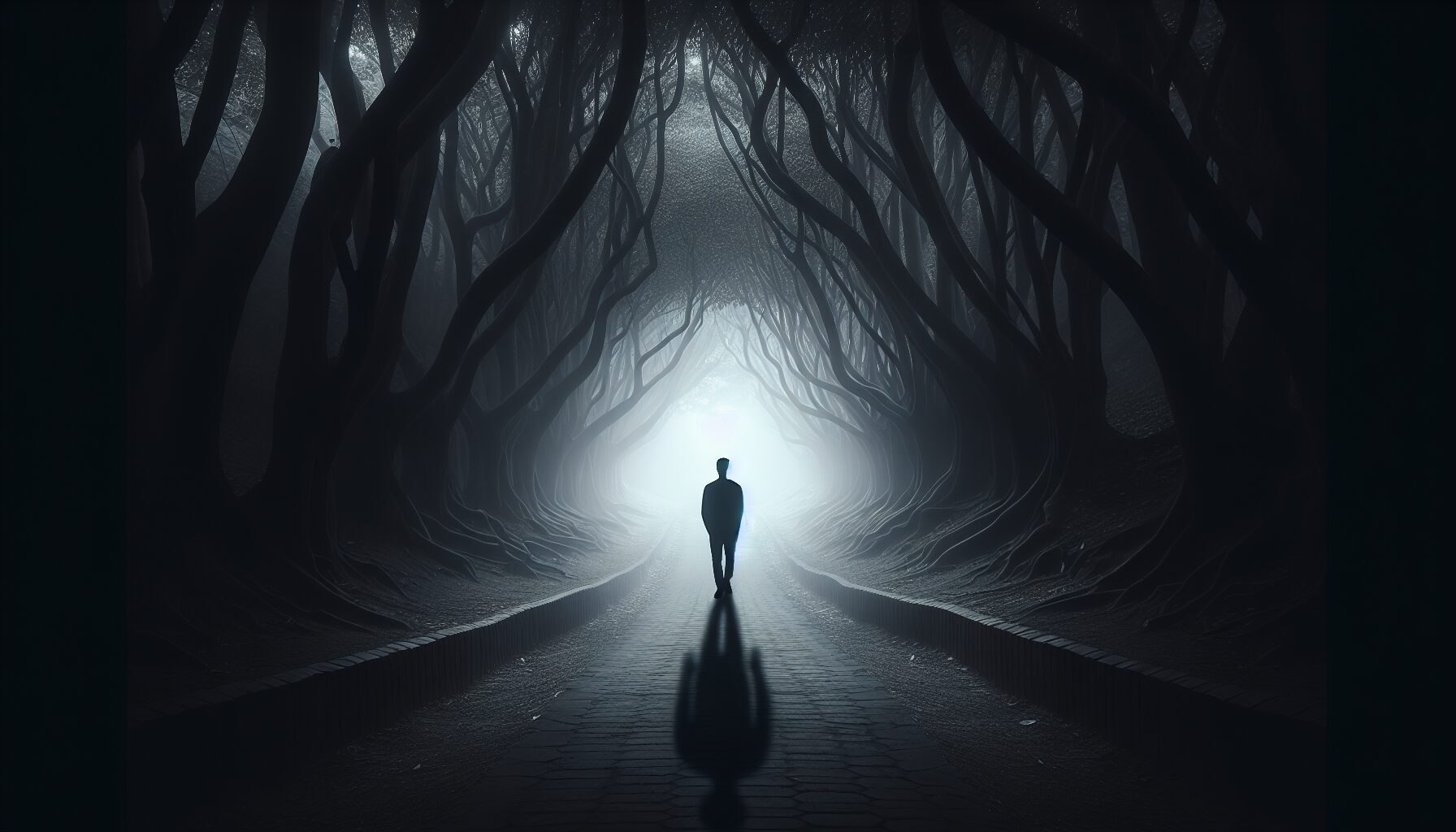
    In the rich tapestry of human psychology, the shadow archetype holds a place of intrigue and complexity. Originally coined by Carl Jung, the shadow represents the unconscious part of the psyche where repressed desires, memories, and emotions reside. This archetype embodies the dark aspects of one’s personality, those parts we wish to conceal from the world and often, from ourselves.

    “Until you make the unconscious conscious, it will direct your life and you will call it fate.” – Carl Jung

    The shadow exists in everyone, a fundamental component influencing behavior and perception. Rather than viewing it as wholly negative, Jung believed facing our shadow is essential for achieving personal growth and self-awareness. This confrontation leads to what he termed individuation, the process of integrating different elements of the psyche to form a well-rounded personality.

    • Origins and Meaning: Derived from the depths of the unconscious mind, the shadow archetype can contain everything outside the light of consciousness. It is often perceived as chaotic or unruly, yet it holds the keys to creativity and insight, providing a deeper understanding of human emotions and motivations.
    • Recognition and Acceptance: Recognizing one’s shadow involves acknowledging parts of oneself that might be deemed unacceptable or uncomfortable. This includes negative traits like anger, envy, and greed, but also positive qualities that may seem too overwhelming or threatening, such as assertiveness or ambition.
    • Integration and Growth: Integration is the process of embracing these dark elements and using them constructively. By harmonizing the shadow with the conscious self, individuals can experience a more authentic and fulfilled life, as understanding the full spectrum of their inner world leads to a balanced existence.

    In literature and myth, the shadow often manifests as a character or force acting against the hero, symbolizing internal struggles reflected outwardly. From Frankenstein’s monster to Jekyll and Hyde, these narratives explore the consequences of ignoring or denying the shadow, illustrating how repression can lead to destruction or chaos.

    “The shadow is a moral problem that challenges the whole ego-personality, for no one can become conscious of the shadow without considerable moral effort.” – Carl Jung

    Recognizing and reconciling with the shadow requires courage and honesty. In doing so, we unlock deeper layers of self-awareness, nurturing connections between our light and dark sides. This integration not only cultivates personal harmony but also fosters empathy and understanding toward others, as we become more attuned to the hidden aspects of human nature.

    For more insights into Jung’s theories, you can visit the C. G. Jung Page.

  • Night Visions – Dreams, Symbols, and the Occult Mind

    Night Visions – Dreams, Symbols, and the Occult Mind

    The domain of dreams is a mysterious realm, bridging the gap between waking reality and the subconscious. Throughout history, humans across various cultures and belief systems have sought to understand the symbols and signs that appear during these nightly sojourns. The occult, with its deep roots in mysticism and ancient wisdom, offers intriguing insights into the symbolic language of dreams.

    The Symbolic Nature of Dreams

    Dream symbols are the mind’s way of communicating complex ideas and emotions in a visual language. According to Psychology Today, dreams often reflect personal feelings, societal issues, or even unresolved trauma. Carl Jung, a pioneer in dream analysis, suggested that “dreams are the royal road to the unconscious” and spoke of the “collective unconscious,” a reservoir of shared symbols and archetypes.

    Dreams and the Occult Mind

    Within the occult tradition, dreams serve as a portal to other realms. They’re believed to be a form of astral projection, where the soul travels to different planes of existence. This perspective views dreams as more than mere psychological phenomena, but as spiritual experiences that can reveal profound truths and insights.

    “The interpretation of dreams is the royal road to a knowledge of the unconscious activities of the mind.” – Sigmund Freud

    Engaging with Dream Symbols

    Practitioners within the occult often keep a dream journal to record and analyze their nightly visions. This practice aids in identifying recurring symbols and patterns, helping individuals decipher their personal meaning. Common symbols include:

    • Water: Represents emotion, intuition, and the unconscious mind.
    • Paths: Symbolize life decisions or one’s journey through life.
    • Animals: Reflect instincts or aspects of the personality.
    • Houses: Represent the self and various aspects of the psyche.

    The Transformative Power of Dreams

    By engaging with our dreams using both psychological and occult frameworks, one can experience personal growth and transformation. The process of interpreting dreams is not just about analyzing symbols but understanding one’s own emotions and desires.

    In today’s fast-paced world, connecting with our dreams offers a rare opportunity for introspection and healing. Whether viewed through the lens of psychology or the mystic traditions of the occult, the value of dreams remains undiminished. As the veil of night falls, allow the visions that emerge to guide, teach, and inspire.