Tag: vanishing

  • The Hollow Star – Mythology of Vanishing Worlds

    The Hollow Star – Mythology of Vanishing Worlds

    The Hollow Star: Mythology of Vanishing Worlds

    Across cultures and eras, mythology has served as a repository for humankind’s understanding of the cosmos and our place within it. Among these myths, tales of disappearing worlds or “hollow stars” occupy a unique niche, representing both wonder and caution.

    What Are Hollow Stars?

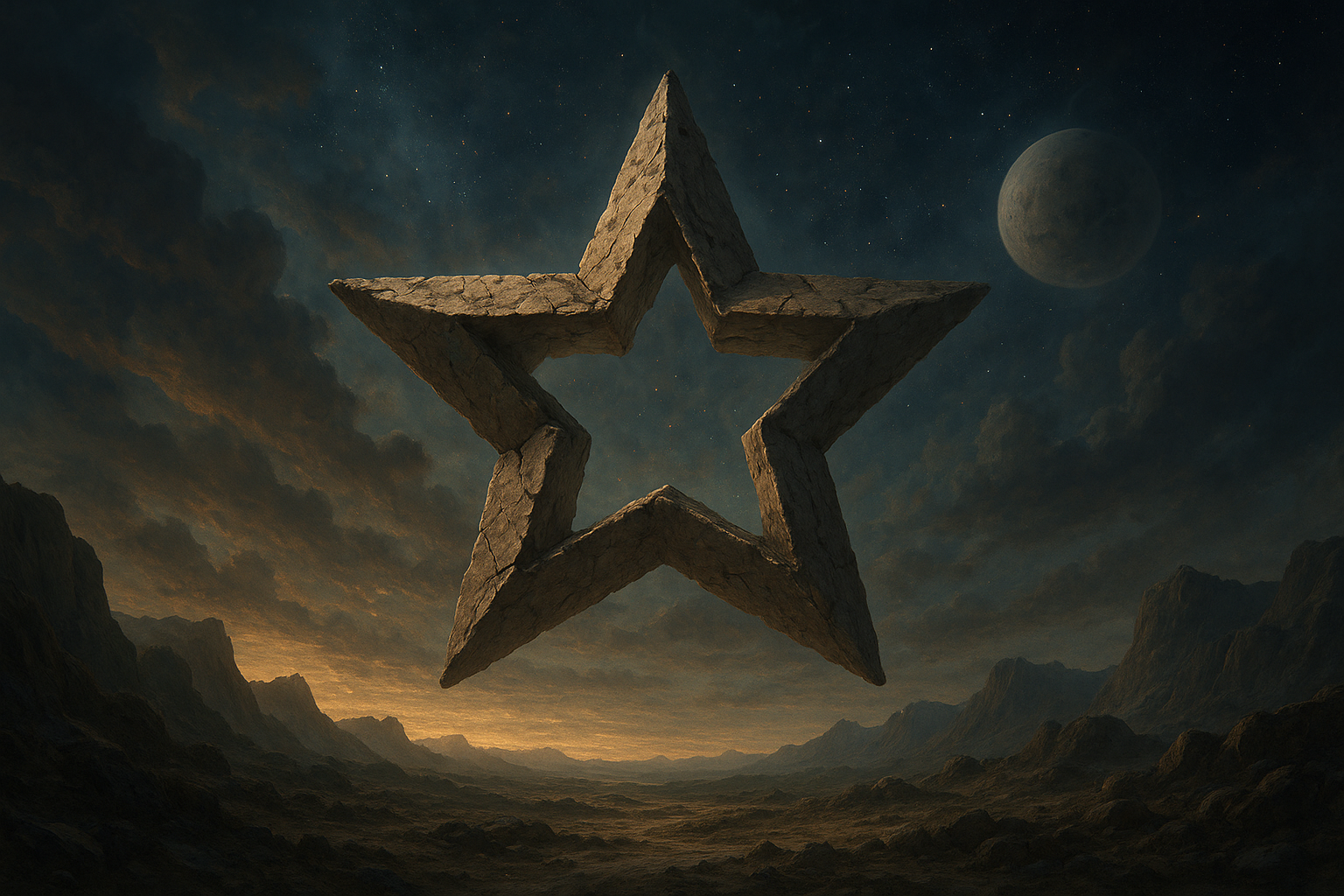
    The concept of the “hollow star” extends beyond mere astronomy, embedding itself deeply within the lore of several ancient civilizations. These myths tell of celestial bodies either diminishing, vanishing, or hiding enigmatic worlds within their cores. These narratives often reflect existential musings about creation, destruction, and the transient nature of life.

    Mythologies and Their Hollow Stars

    • Greek Mythology: The Vanishing Island of Delos

      In Greek mythology, Delos was a floating island, said to appear and disappear as it pleased. This island was significant as the birthplace of Apollo and Artemis. In Homeric Hymn to Apollo, Delos agreed to become the birthplace of the gods, only then becoming fixed and visible to mortals.

    • Hindu Mythology: Shambhala

      Shambhala, a legendary kingdom mentioned in Hindu and Tibetan Buddhist texts, is believed to be a mystical, hidden realm. Encyclopædia Britannica describes Shambhala as a place shrouded in mystery, accessible only by the purest of souls. It is thought to lie beneath or within a star or region invisible to ordinary sight.

    • Navajo Beliefs: The Lost City of Cahokia

      “The lords created many worlds… the third world was dimly lit by a red star, there they saw a place set aflame with the light of a hollow star.” – Navajo Creation Myth

      According to Navajo traditions, the hollow star represented worlds or cities like Cahokia, which shone brightly for a time and then vanished into obscurity, teaching lessons about the impermanence of glory and power.

    Symbolism of the Vanishing Worlds

    The theme of vanishing worlds and hollow stars often symbolizes inevitable change and the cyclical nature of the universe. These stories remind us that even the most seemingly stalwart elements of our universe are subject to the passage of time.

    Cultural Interpretations

    • Cycle of Creation and Destruction: Within many traditions, the cycle of birth, death, and rebirth is central. The vanishing worlds represent death and the renewal of creation, as seen in the Greek’s constant creation of worlds on Mount Olympus.
    • Warnings and Prophecies: The tales of these hollow stars serve as warnings, their narratives urging societies to respect the cosmic order. Hindu texts caution that the virtues associated with Shambhala are to be honored lest the realm remains forever concealed.

    Modern Echoes and Scientific Parallels

    Today, the mythology of hollow stars finds resonance in scientific phenomena. The hypothesis of black holes reflects ancient myths where celestial bodies consume worlds around them, reminiscent of the vanishing islands and kingdoms of old.

    Astronomers have also speculated about stars like Betelgeuse, whose sudden dimming suggested an impending vanishing of a supernova—mirroring myths of stars appearing to ‘disappear.’ These findings continue to deepen our fascination with the transcendental and transformative powers attributed to the cosmos.

    Conclusion: Navigating the Cosmos of Myths

    The rich tapestry of myths surrounding hollow stars and vanishing worlds offers insights into human psychology and cosmology. By studying these ancient stories, we engage with our ancestors’ imaginative attempts to grasp the cosmic mysteries, grounding our own existence in an interwoven celestial narrative. As the cosmos continues to reveal its secrets, the myths that accompany these revelations serve as enduring guides, merging science and spirit.

    Ultimately, these legends encourage humility before the stars, as they shine as both navigators and symbols of life’s transient nature. The hollow star reminds us that while worlds may vanish, their stories forever illuminate the skies.
  • The Vanishing Pantheon – Mythology of Dissolution

    The Vanishing Pantheon – Mythology of Dissolution

    The Vanishing Pantheon – Mythology of Dissolution

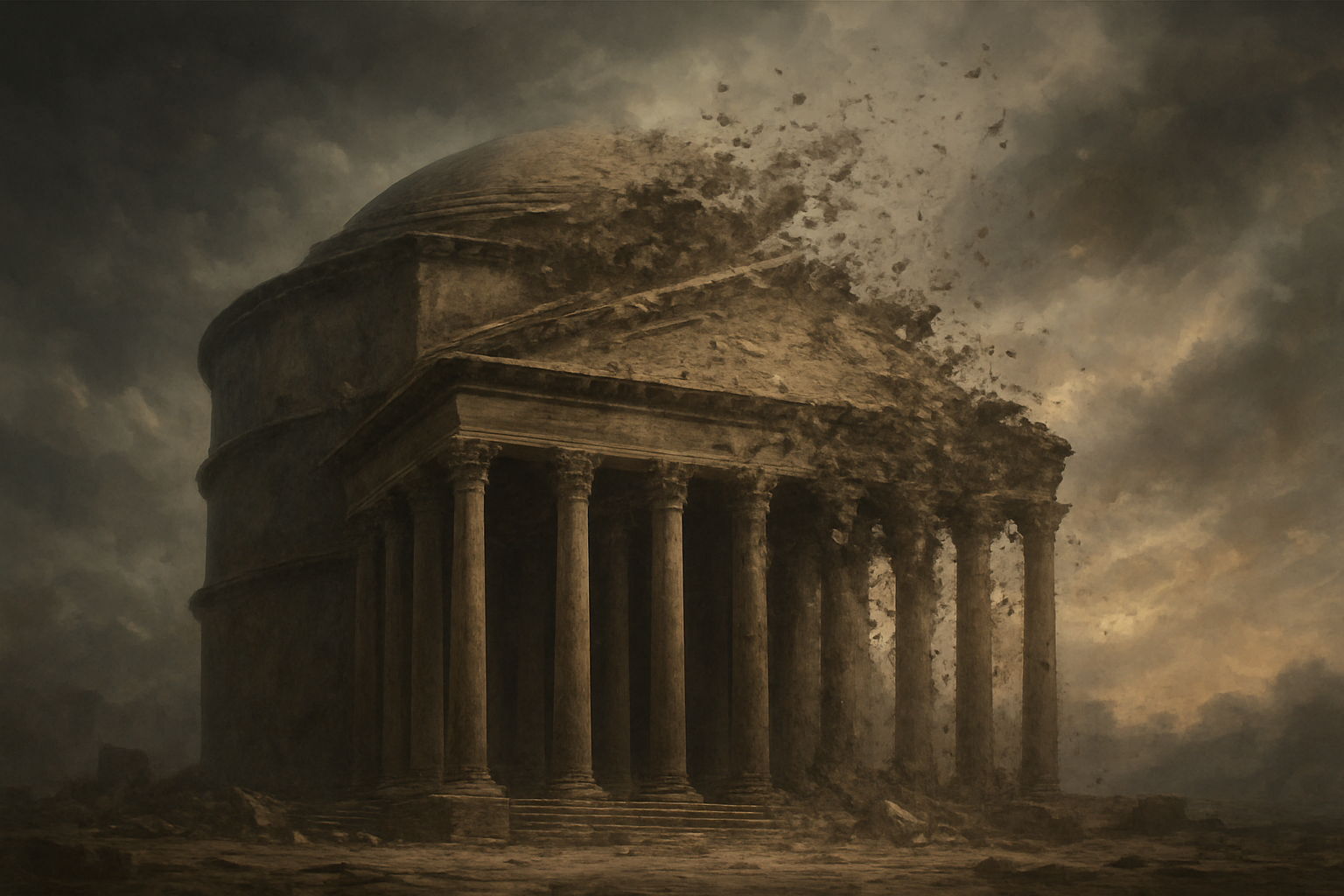
    Throughout human history, myths and legends have served as powerful lenses through which cultures interpret the mysteries of existence. As societies change, so too do their divine pantheons, sometimes expanding but often contracting, as gods and stories fade into obscurity. This phenomenon—a vanishing pantheon—is where mythologies dissolve and reshape, reflecting the evolving beliefs and priorities of civilizations.

    The Mythical Landscape

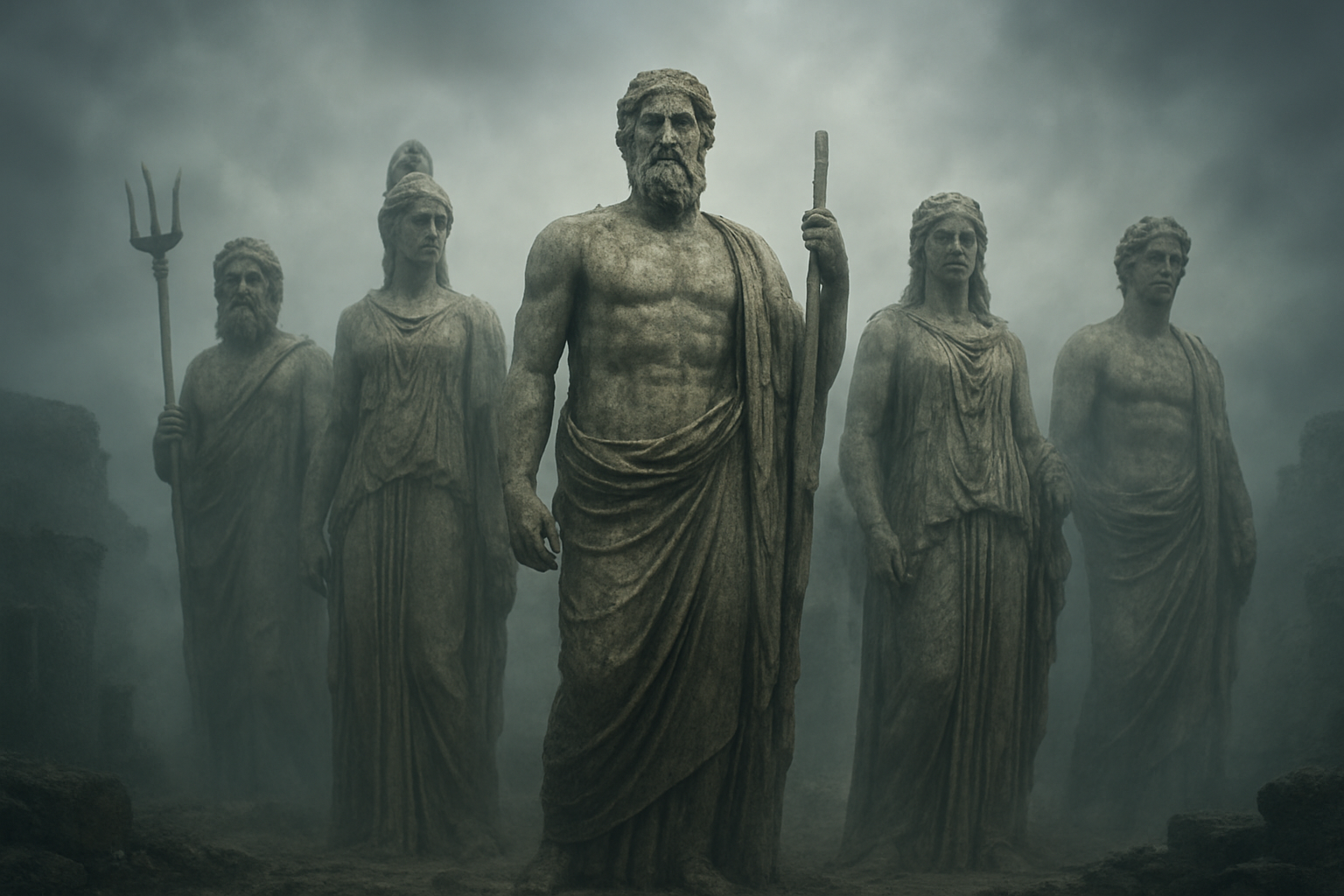
    In antiquity, civilizations like the Greeks and Romans possessed complex pantheons with gods who personified natural elements, human emotions, and societal values. These deities were integral to everyday life, with rituals and stories reinforcing their presence. As time passed, however, factors such as cultural shifts, the rise of monotheistic religions, and colonial conquests led to the disintegration or transformation of these mythologies.

    Factors Leading to the Dissolution of Pantheons

    • Religious Evolution: The rise of monotheistic faiths often resulted in the collapse or assimilation of polytheistic beliefs. For instance, the spread of Christianity throughout the Roman Empire significantly reduced the prominence of Roman gods.
    • Cultural Syncretism: As cultures interacted through trade and conquest, pantheons merged. The Egyptian and Greek integrations resulted in hybrids like the god Sarapis, reflecting both traditions.
    • Societal Change: Shifts in societal structures and priorities can render certain deities obsolete. In times of societal upheaval, such as the fall of empires, the old gods often fade away with the civilizations that worshipped them.

    A Modern Reflection

    In contemporary times, the allure of ancient mythologies persists, yet their roles have transformed. Today, these stories often serve more as cultural touchstones or inspirations for literature and film rather than as active religious beliefs. Neil Gaiman, in his novel American Gods, explores this theme, depicting old gods struggling to survive in a modern world dominated by new “gods” of technology and commerce. Gaiman’s work is a testament to the ongoing relevance and reinterpretation of myth in understanding human culture.

    “A myth is a lie that conveys a truth.”

    — Neil Gaiman

    The vanishing pantheon is not merely about loss but transformation. As the gods of old disappear into the folds of history, their stories continue to resonate, echoing the eternal human quest to find meaning in the world.

  • The Phantom Pantheon – Myth of Vanishing Gods

    The Phantom Pantheon – Myth of Vanishing Gods

    The Phantom Pantheon: Myth of Vanishing Gods

    Throughout human history, gods have played an integral role in shaping culture, morality, and civilization. However, not all deities have stood the test of time. Many gods who were once worshipped fervently have faded into obscurity, becoming part of what some call the “Phantom Pantheon.” These vanishing gods raise intriguing questions about the nature of belief, memory, and the evolution of spirituality.

    The Rise and Fall of Divine Beings

    In ancient times, polytheistic religions thrived across various cultures, each with its own pantheon of gods. As societies evolved, many of these gods slipped into the shadows, replaced by new beliefs. This phenomenon poses an interesting puzzle: why do some gods endure while others vanish?

    For instance, Ra, the sun god of ancient Egypt, was once central to Egyptian religion but receded as new religious currents, like Christianity and Islam, spread across the globe. Neil Gaiman captures the essence of this phenomenon when he writes in American Gods, “Gods die when they are forgotten.”

    The Factors Behind Vanishing Gods

    Several factors can contribute to the decline of a deity:

    • Cultural Shifts: As cultures merge and societies change, religious beliefs often evolve. For example, the Greek pantheon diminished as Roman religion grew and Christianity spread.
    • Political Influence: New political powers may enforce their own religious ideologies, leading to the abandonment of old gods. The Roman Empire’s adoption of Christianity is a classic example.
    • Changing Nature of Worship: The nature of worship itself can change, as seen in the movement from animism to organized religions with centralized gods.

    Mythological Memory: The Role of Storytelling

    Despite their disappearance from active worship, these ancient gods often continue to exist in mythological memory. Storytelling plays a crucial role in preserving their legends. The tales of Thor and Odin from Norse mythology, for instance, endure in literature and popular culture, despite the decline of Norse heathenism.

    “Myth is much more important and true than history. History is just journalism and you know how reliable that is.” – Joseph Campbell

    Campbell’s words highlight the enduring nature of myths beyond their religious origins, living on in stories and symbols.

    Modern Reflections and Reinterpretations

    Today, many ancient gods find new life in modern contexts. Pagan and neo-pagan movements have revived interest in old traditions, often reinterpreting these deities in contemporary spiritual practices.

    • Pop Culture Influence: Cinematic universes, video games, and literature breathe new life into old gods. Characters like Zeus and Athena appear in works like the Percy Jackson series, bringing ancient stories to a new audience.
    • Spiritual Revival: Groups like the Order of Bards, Ovates, and Druids focus on Celtic gods and practices, reflecting a desire to reconnect with ancestral heritage.

    The Mystery and Appeal of the Phantom Pantheon

    The concept of vanishing gods is compelling because it forces us to confront the impermanence of belief. It also raises existential questions about the nature of divinity and the human need for connection with something greater than ourselves.

    The Phantom Pantheon symbolizes the power of belief and the capacity for change inherent in human spirituality. As we navigate the complexities of modern life, these ancient stories may continue to provide insights and inspiration.

    Conclusion

    The myth of vanishing gods serves as a reminder of the fluid nature of faith through ages. While some deities have faded from immediate recollection, their essence lingers in cultural memory, art, and narrative. The Phantom Pantheon invites us to explore how spiritual endurance transcends time, offering new perspectives and guidance even in the modern era.

    Ultimately, the myth of disappearing deities resonates with the continuity of human longing for meaning, connection, and understanding in an ever-changing world.

  • The Vanishing Point – Existential Reflections on Time and Space

    The Vanishing Point – Existential Reflections on Time and Space

    The Vanishing Point: Existential Reflections on Time and Space

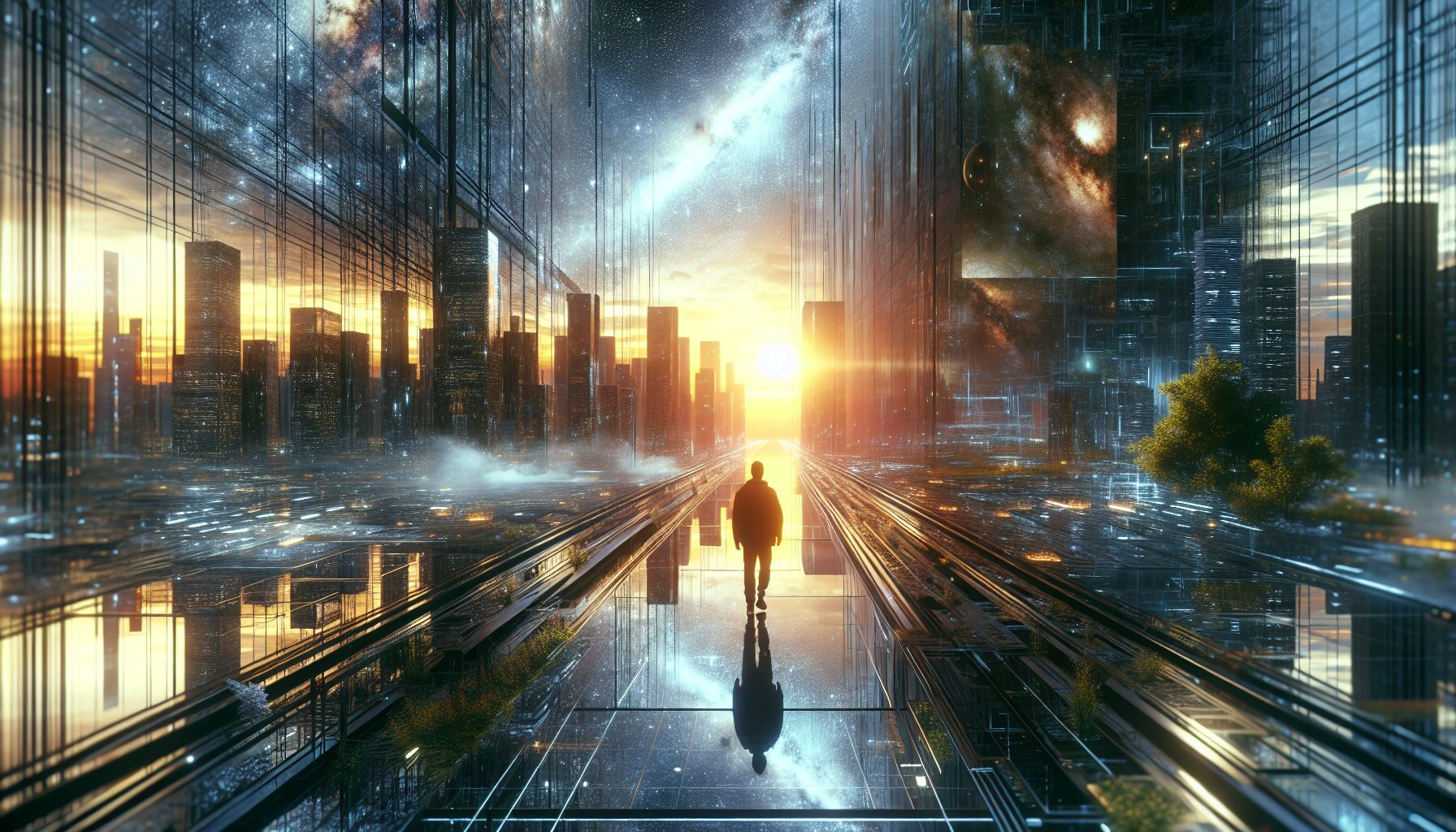
    The concept of the vanishing point bridges the realms of art and philosophy, offering contemplation on existence through the lenses of time and space. In art, the vanishing point is where lines converge, granting the illusion of depth on a flat surface. In existence, it prompts reflection on our journey through time and the spaces we inhabit.

    The Convergence of Lines: Perspective in Time

    Understanding time and space often begins with understanding how we perceive reality. Just as artists use perspective to create depth, our perception shapes the way we experience existence. The vanishing point, in this context, symbolizes a future moment, a time yet to come where all of our actions and decisions converge.

    “Time is what prevents everything from happening at once.” – Ray Cummings

    Time is linear in human perception, constantly moving forward. Yet, philosophers like Henri Bergson argue that time is a continuous flow, better understood as duration rather than a series of discrete points. Our focus on future “vanishing points” may lead us to neglect the present, the true canvas on which we paint our lives.

    Spaces We Inhabit: A Canvas of Experiences

    The spaces through which we move influence how we perceive time. Urban environments with their bustling rhythms skew our perception, making days seem longer due to the density of experiences packed into them. Conversely, natural spaces can stretch time, allowing moments of stillness and reflection.

    • Urban Spaces: The fast-paced life demands that we focus on future goals, the next vanishing point on our horizon.
    • Natural Spaces: These environments encourage us to embrace the present moment, offering a respite from the relentless march towards the future.

    In philosophical discussions, space is not just the physical distance between objects but also the environment where events unfold. The space we choose to inhabit, like the brushstrokes on a canvas, defines our experiences and shapes our personal narratives.

    The Existential Question: What Awaits at the Vanishing Point?

    The idea of a vanishing point in life prompts existential questions about purpose and destiny. If all lines of our life converge at a single point in the future, what lies there? Is it fulfillment, as suggested by Taoist philosophies, or merely an illusion akin to the artistic trickery on canvas?

    Jean-Paul Sartre claimed that “existence precedes essence,” positing that we must create meaning in our own lives. In this view, the vanishing point is not predetermined, but something we construct through our choices and actions.

    “Man is condemned to be free; because once thrown into the world, he is responsible for everything he does.” – Jean-Paul Sartre

    Navigating the Ephemeral Journey

    To ponder time and space is to engage with the ephemeral nature of our journey. We strive to exert control, to direct our narrative towards a meaningful vanishing point. Yet, we are often faced with uncertainty, akin to navigating uncharted waters, relying on the stars above as guides.

    • Mindfulness: Embracing the present moment through mindfulness can anchor us amidst the chaos of future ambitions.
    • Reflection: Regular reflection allows for a recalibration of our trajectories, ensuring our actions align with our innermost values.

    In the end, the vanishing point is both a concrete goal and an illusion, a reminder to live intentionally in both the present and future dimensions of our existence. Our understanding of time and space is part of a larger philosophical endeavor to grasp our place in the universe. As we traverse the vast landscapes of life, let the vanishing points not just shape our paths but also enrich our experiences along the way.

    This exploration encourages us to look beyond the simplicity of lines on paper, challenging us to see time and space as interconnected, continuously shaping our understanding of reality. For further reading on the philosophical implications of space-time, explore the Encyclopedia Britannica’s comprehensive guide.