Tag: warmth

  • Angels at Brigid’s Hearth – Celtic Warmth for Frozen Days

    Angels at Brigid’s Hearth – Celtic Warmth for Frozen Days

    As the chilling winds of winter sweep across the landscape, many find solace in ancient traditions steeped in warmth and comfort. Among these, the story of Brigid’s hearth stands as a beacon of light and tranquility, offering a uniquely Celtic remedy to the winter blues.

    In Celtic mythology, Brigid, one of the most venerated deities, embodies wisdom, poetry, healing, protection, blacksmithing, and domesticated animals. Revered as the Goddess of the Hearth, she is often associated with the nurturing warmth of home and family. When the cold encases the world in its icy grip, stories of Brigid’s hearth provide a sense of inner warmth that many seek to emulate in their homes.

    The Legend of Brigid’s Hearth

    “Brigid’s flame was a symbol of hope, purity, and renewal,” notes Patricia Monaghan in her work, “The Encyclopedia of Celtic Myth and Magic”. “The eternal hearth ensured the survival not just of heat, but of inspiration and creativity throughout the harsh winters.”

    The hearth, in Celtic tradition, was more than just a physical space; it was a symbol of life and unity. It was here that families gathered, stories were told, and songs were sung, inviting angels of warmth and happiness to shield the household from the biting cold. From this ancient practice springs the modern custom of placing a Brigid’s cross over the hearth to protect and bless the home.

    Celtic Traditions in the Modern Home

    Today, these traditions have evolved yet continue to hold profound resonance for many who embrace Celtic culture. Here are a few simple ways to bring Angels at Brigid’s Hearth into your contemporary abode:

    • Craft a Brigid’s Cross: Using simple reeds or wheat, create this iconic symbol to hang in your living space, inviting protection and peace.
    • Create a Hearth Gathering: Set aside time on a cold evening to gather with family or friends around a fireplace. Share stories or read a Celtic legend to warm hearts and spirits.
    • Invoke Brigid’s Warmth: On the feast of Imbolc, traditionally celebrated at the start of February, light candles throughout your home to symbolize Brigid’s guiding presence, chasing away the darkness of winter.

    By integrating these customs into our lives, we open ourselves to the light and love that transcends the chill of the season. Much like the angels at Brigid’s hearth, we can foster a haven of warmth and fellowship even when the world outside remains frozen.

  • The Frostlit Sanctuary – Creating Warmth in Cold Worlds

    The Frostlit Sanctuary – Creating Warmth in Cold Worlds

    In a world where harsh winters and icy landscapes dominate, the concept of a warm and inviting sanctuary becomes indispensable. The Frostlit Sanctuary represents a beacon of warmth amidst the cold, enveloping those who enter in comfort and tranquility. This article explores how one can create such a haven in the midst of cold worlds, through thoughtful design, sustainable practices, and cultural inspirations.

    The Essence of Warmth

    Designing a sanctuary in a cold environment starts with understanding the essence of warmth, which transcends beyond physical heat to evoke a sense of emotional and spiritual comfort. The role of warmth is elegantly summarized by Mary Ann Shaffer and Annie Barrows in their book, The Guernsey Literary and Potato Peel Pie Society, where they state, “Perhaps there is some secret sort of homing instinct in books that brings them to their perfect readers.” Like books, spaces have a way of finding their residents, and the warmth of a sanctuary acts as a guiding beacon.

    Design Principles for a Cozy Sanctuary

    • Natural Materials: Embrace materials like wood and stone, which inherently carry warmth, both in appearance and thermal properties. Their use connects the space to its natural surroundings and adds a layer of rustic comfort.
    • Layered Lighting: Implement a varied lighting scheme featuring ambient, task, and accent lighting to create depth and warmth. The importance of natural light cannot be overstated, as it plays a critical role in enhancing mood and spatial perception.
    • Textural Elements: Incorporate diverse textures through textiles such as wool rugs, soft throws, and velvet cushions to evoke tactile comfort. The juxtaposition of textures fuels a sensorial richness that is central to warmth.

    Sustainable Warmth

    While aesthetics play a crucial role in creating a sanctuary, sustainability ensures that such warmth doesn’t deplete the environment. The integration of energy-efficient design features such as enhanced insulation, passive solar heating, and geothermal systems can drastically reduce heating requirements, making these sanctuaries eco-friendly.

    “We must face the future with awareness and intention, knowing that the choices we make today determine the opportunities available for generations to come.”

    U.S. Green Building Council

    This ideology drives the movement towards minimizing ecological footprints while ensuring inhabitants stay warm through natural means.

    Cultural Inspirations

    Different cultures offer unique perspectives on creating warmth in colder climates, with Scandinavia being a prime example. The concept of “Hygge”, a Danish term describing a mood of coziness and comfortable conviviality, emphasizes not just physical settings but also the relationships and atmospheres within. Writer Meik Wiking, author of The Little Book of Hygge, articulates it as “an art of creating intimacy” and it’s about making the ordinary extraordinary.

    • Kotsuzumi: In Japan, small spaces known as kotsuzumi are designed to be intimate and warm, facilitating close personal interactions.
    • Karst Cultural Influence: In Slovenia, where karst landscapes influence architecture, local materials and earth-friendly heating solutions create unique warm abodes.

    Final Thoughts

    Creating a Frostlit Sanctuary is not just about countering cold but enriching life with warmth that penetrates beyond the physical realm. It requires an amalgamation of considerate design, environmental mindfulness, and cultural appreciation to build spaces that resonate with their inhabitants. As we strive for harmony in our environments, these sanctuaries offer an opportunity for reflection, respite, and rejuvenation amidst the winter chill.

  • Angels and the Art of Warm Blankets – Holding Heat and Heart

    Angels and the Art of Warm Blankets – Holding Heat and Heart

    The concept of warmth extends beyond the physical temperature that surrounds us. It involves the emotional comfort we feel in the presence of something familiar or soothing. Blankets, often associated with this warmth, hold a unique place in both function and sentiment. They are more than just pieces of fabric; they are woven with the threads of compassion, security, and solace. The metaphor of angels and the art of warm blankets intricately explores how these simple textiles become powerful emblems of care and comfort.

    The Historical Significance of Blankets

    Throughout history, blankets have served a variety of purposes, ranging from practical uses for warmth to symbolic acts of kindness. In ancient times, they were a mainstay item for survival, crucial for enduring harsh climates. Made from animal hides and furs, earlier blankets provided critical insulation against cold elements.

    • The Navajo and Their Artistic Expression: The Navajo tribes are renowned for their intricate and colorful blankets, which are not only functional but also sacred pieces of art, marking trade and social status.
    • Medieval Europe: In medieval Europe, elaborately woven blankets were symbols of wealth and prestige. They were often part of dowries and given as cherished gifts at momentous life milestones.
    • Military Use: During wartime, blankets became vital because they could be easily carried and provided essential warmth and coverage for soldiers in the field.

    Blankets as Symbols of Comfort and Compassion

    Blankets have often been equated with the presence of comforting angels. This imagery is rooted in their ability to wrap us in a gentle embrace, much like how we imagine angels extending their wings in protection.

    “A warm blanket is like the embrace of an angel, soothing weary souls with gentleness and love.” — Anonymous

    This metaphor is evident through charitable efforts across the world dedicated to spreading warmth via blankets:

    • Project Linus: Named after the blanket-carrying character from the comic strip Peanuts, this nonprofit organization distributes handmade blankets to children in need. The initiative underscores the calming and supportive power that a simple blanket can carry.
    • The Red Cross: During disasters, one of the immediate responses is to provide blankets to victims. They offer a small but significant sense of safety and protection amidst chaos.

    Cultural Interpretations of Blankets

    In cultures around the globe, blankets are imbued with deeper meanings beyond utility. They often reflect community stories, values, and traditions:

    • The Amish Quilts: The Amish are known for their exceptional quilting, where each stitch tells a story of devotion and simplicity. These quilts are more than functional; they are heirloom pieces passed across generations.
    • Indigenous Māori Weaving: In New Zealand, the Māori people use flax and natural dyes to create vibrant textiles, signifying their connection to the land and spiritual beliefs.

    The Psychological and Emotional Impact

    On a psychological level, the comfort of a blanket can have profound effects. Dr. Sian Rawkins, a clinical psychologist, explains the concept of ‘weighted blankets’ often used for therapeutic purposes: “The gentle pressure provided by a weighted blanket can trigger a feeling of security and calm, much akin to a hug. This can help reduce anxiety and improve overall mood.” (Psychology Today).

    The ritual of wrapping oneself in a blanket mimics a return to security, reminiscent of being swaddled as an infant. This act of self-care is instinctual and universally human, typifying a tactile comfort that words alone may fail to convey.

    The Evolution and Art of Blanket Crafting

    Blanket crafting has evolved into a sophisticated art form. Designers and artisans continue to innovate, creating pieces that are both aesthetically pleasing and functional. Advances in textile technology have introduced new materials such as thermoregulating fabrics that adapt to body temperature, offering optimized comfort.

    Additionally, the rise of DIY culture has reignited interest in handmade blankets, with knitting circles and quilting bees fostering creativity and community. Online platforms like Ravelry have become hubs for enthusiasts to share patterns and techniques, fostering a global community nourished by a passion for textiles.

    Conclusion: Blankets as Modern-Day Comfort Angels

    The dual purpose of warmth and love embodied by blankets cannot be overstated. They serve as modern-day comfort angels, encompassing both physical relief and emotional reassurance. Whether through meticulously hand-stitched quilts or mass-produced warming blankets distributed in times of crisis, these textile pieces continue to hold immense power in our lives.

    As we continue to navigate the complexities of modern life, the humble blanket remains a constant source of sanctuary—a simple yet profound reminder of humanity’s enduring capacity to care for one another. Such is the art of warm blankets: a tangible expression of empathy, an emblem of the angels among us, holding heat and heart in their gentle enfold.

  • The Warm Wing – Comfort Rituals for Frosty Days

    The Warm Wing – Comfort Rituals for Frosty Days

    As the frost nips at the windowpanes and the breath turns to mist in the chilly air, there’s an undeniable call to retreat into the comforting rituals of warmth. These are not just actions but philosophical nods to simpler joys — a practice of mindfulness underlined by warmth and solace.

    The Philosophy of Warmth

    Warmth is more than just a physical state; it’s a mental and emotional sanctuary. Philosopher Arthur Schopenhauer noted, “Compassion is the basis of morality.” In essence, compassion begins with oneself. By indulging in comfort, you nurture your own well-being.

    Comfort Rituals to Embrace

    Finding warmth during colder days can be a joyous practice of self-care. Here are some comforting rituals to transform frosty days:

    • The Art of Tea: Brewing a cup of your favorite tea is not just a gustatory delight but a ceremony of comfort. Consider the words of Lu Yu, the “Sage of Tea,” who regarded its preparation and consumption as both an art and meditation.
    • Cocooning in Textiles: Whether it’s wrapping in a thick woolen blanket or donning a soft sweater, the tactile engagement with warm textiles induces a profound sense of security and coziness.
    • Embracing Hygge: The Danish concept of hygge embodies the magic of enjoying life’s simple pleasures. Light candles, read a book, or share a hearty meal with friends — these are acts of hygge, as explained by happiness researcher Meik Wiking.

    Human Connection and Warmth

    Human interaction is inherently warming. Simple acts such as conversation and shared laughter can transform the coldest of days into warm memories. As the social philosopher Emmanuel Levinas highlighted, “The proximity of the other means responsibility for the other.” By nurturing connections, warmth transcends the physical, reaching into the realms of emotional fulfillment.

    “To be able to find joy in another’s joy, that is the secret of happiness.”
    — Giorgio Basile

    Thus, the rituals of warmth serve as an anchor during the colder months, bonding us with ourselves and those around us. They invite reflection and deeper appreciation for the gentle simplicity nestled in life’s colder days.

  • Shards of Morning Light – Collecting Winter Blessings

    Shards of Morning Light – Collecting Winter Blessings

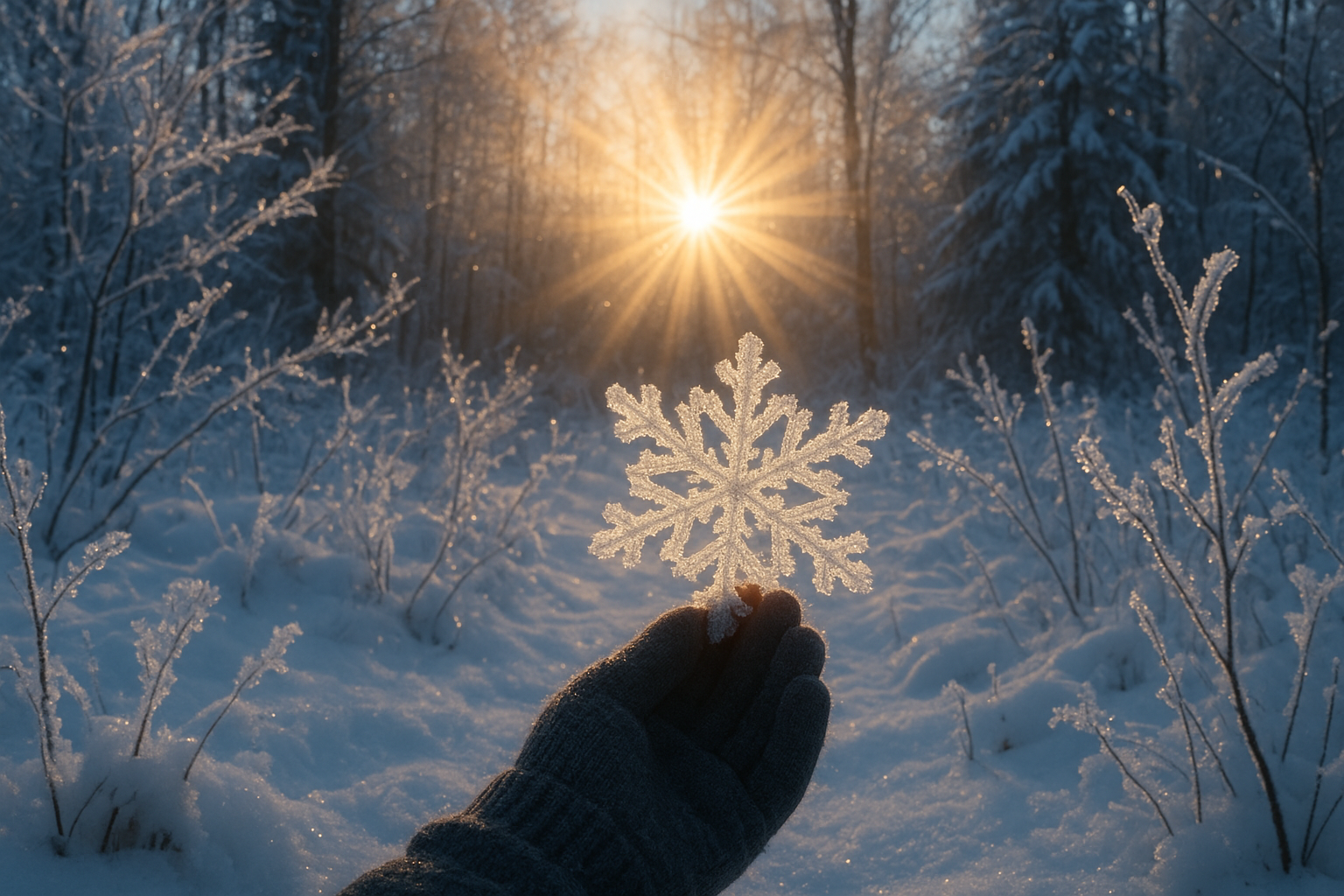
    As the autumn leaves gracefully tumble to the ground, caressed by the whispering winds, the world wraps itself in a silvery cloak. Winter makes its majestic entrance. There’s a magic in the shards of morning light, twinkling like a myriad of tiny diamonds scattered across a frozen canvas. Each daybreak in this season offers its own unique blessings to collect and cherish.

    A picturesque winter morning with the first light breaking through the trees.

    The Beauty of Winter’s Touch

    The serenity that accompanies a winter morning is unparalleled. As the sun stretches its gentle fingers over the horizon, the world glimmers in a soft, pastel glow. Trees, barren yet beautiful, stand as monuments capped with ice crowns. Walking through a winter wonderland, one feels the quiet caress of nature’s artistry. The simplicity of a snowflake juxtaposed against the intricate pattern it forms among its peers is a testament to nature’s eye for detail.

    “In the depth of winter, I finally learned that there was in me an invincible summer.” – Albert Camus

    Embracing the Moment

    Winter mornings provide a unique opportunity for reflection and introspection. It’s a time when the world appears to have paused, waiting to be awakened by the burgeoning warmth of a new day. The sound of boots crunching in the snow is a reminder of the joys of the simplest experiences. As the coffee brews and the frost etches intricate works of art on windowpanes, the heart takes a moment to bask in gratitude.

    • Stargazing: The long winter nights are perfect for observing the stars, and if you’re fortunate, catching a glimpse of the auroras dancing across the polar skies.
    • Fireside Reading: There’s no greater joy than diving into a book while the cold lingers just beyond the warmth of a crackling fire.
    • Winter Sports: From skiing to snowshoeing, the brisk air becomes a vibrant playground for enthusiasts.

    Indeed, winter casts a spell of transformation, asking us to embrace change and find beauty in the stark, the silent, and the still. As the earth blankets itself, it invites us to seek inner warmth and to collect the intangible blessings that each cold dawn discreetly offers. Every shaft of morning light becomes a reminder of the enduring light within.

    The season may seem harsh, but it fosters resilience, quietude, and a deeper appreciation for the brilliant tapestry of life.

  • Cinnamon and Celestials – Gentle Kitchen Magic

    Cinnamon and Celestials – Gentle Kitchen Magic

    The allure of the kitchen has always been intertwined with the mysterious and magical. Among the myriad of spices that adorn our pantry shelves, cinnamon holds a particularly mystical significance. Known not only for its warm, sweet flavor but also for its rich history in folklore and magic, cinnamon is celebrated by many cultures for its purported celestial powers.

    The Mystical Properties of Cinnamon

    For centuries, cinnamon has been cherished as more than just a culinary spice. In ancient times, it was a highly prized commodity, often worth more than gold. Its mystical aura is noted in numerous traditions:

    • Egyptian Rituals: Used in ancient Egypt for embalming and as an offering to deities, showcasing its otherworldly associations.
    • Ancient Rome: The Romans would burn cinnamon during funerals, as it was believed to purify the soul and aid its journey to the afterlife.
    • Traditional Chinese Medicine: Valued for its ability to increase circulation and warmth, cinnamon is seen as a remedy for cold, stagnant energies.

    These traditions reflect the belief that cinnamon carries an energy that transcends its physical properties, bridging the earthly and the celestial.

    Cinnamon in Modern-Day Magic

    Today’s practitioners of kitchen magic often incorporate cinnamon into their practices for its association with prosperity, protection, and love. Using it in simple, everyday rituals can bring a sense of magic and intention into the mundane:

    • Prosperity and Abundance: Sprinkle a pinch of cinnamon into your morning coffee or tea, while visualizing wealth and success coming your way.
    • Protection Spells: Place a small bowl of cinnamon sticks at your home’s entrance to ward off negative energies.
    • Enhancing Love: Add cinnamon to homemade treats to infuse them with warmth and affection. As famed culinary author Julia Child once said, “People who love to eat are always the best people.”

    The Celestial Connections

    “In astrology, cinnamon is linked to the sun, bringing warmth and a spark of divine creativity to those who embrace its energy.”

    The celestial connection of cinnamon suggests it can be used to channel energy from the cosmos, offering a cosmic boost to your physical and spiritual wellbeing.

    Whether through culinary delights or magical rituals, cinnamon remains a potent spice that bridges the earthly and cosmic realms. Its gentle energy is a reminder that the kitchen is not just a place of sustenance, but also a sanctuary where magical possibilities can unfold.

  • Crystal Wings at Dawn – Why Winter Mornings Feel Sacred

    Crystal Wings at Dawn – Why Winter Mornings Feel Sacred

    Crystal Wings at Dawn: Why Winter Mornings Feel Sacred

    Winter mornings have an ethereal quality that stirs something deep within us. The crisp air, the silence broken only by the whisper of the wind, and the gentle glow of the first light all combine to create moments that feel almost otherworldly. These mornings hold a sacredness for many, transcending the ordinary into the extraordinary.

    The Silent Symphony of Dawn

    As dawn breaks on a winter morning, the world pauses. This serene pause can be attributed to the elemental chill in the air that sweeps away the clutter of noise from bustling daily life. Author Lauren DeStefano beautifully captures this when she writes, “The night is always darkest before the dawn. But when a new dawn brings the possibility of new beginnings, there is hope in that darkness.” This quote encapsulates the quiet optimism found in these moments as the day slowly awakens.

    The absence of city sounds, often dampened by snow, allows the senses to expand, filling one’s consciousness with the sights and gentle sounds of a world waking to ice-kissed leaves and frost-gathering branches. This silence can sometimes feel like a symphony—each sound, like the distant cawing of a crow or the gentle swish of a breeze, lending its note to the cold morning air.

    Light and Shadow: Nature’s Dance

    Winter light holds a particular magic, especially at dawn. The low angle of the sun during these months provides a soft, diffused light that casts long, graceful shadows across the landscape. This dance of light and shadow creates a tranquil tableau—one that invites contemplation and reflection.

    “In the depth of winter, I finally learned that there was in me an invincible summer.” – Albert Camus

    Camus speaks to the resilience found within oneself, mirrored in the stillness and the grace of a winter morning’s first light. The interplay of light and shadow reminds us that even in the heart of winter, there is beauty and life—a silent promise of the invincible summer within.

    Natures’ Canvas: The Artistry of Frost

    Frost’s delicate artistry transforms mundane scenes into visual poetry. Patterns emerge on windows like intricate choreography, reflecting the crystalline structures of nature itself. Renowned for its beauty, each frost pattern is unique, rendering the otherwise invisible visible. A closer inspection of frost-covered surfaces reveals the meticulous details of nature’s artwork—an offering made only to those who embrace the early hours.

    Poet Robert Frost, whose very name evokes the season, often encapsulated the spirit of frost and its transcendence in his work. His poetry serves as a bridge between the natural world and human experience—signifying how these frozen mornings can leave a permanent mark on our consciousness.

    The Ritual of Cold Air

    Ancient cultures revered the dawn, seeing it as a time of spiritual and physical renewal. The cold air of a winter morning suffuses an invigorating energy that invites deep lungfuls of revitalizing breath—an act that borders on ritual. This act of breathing deeply, something so fundamental, becomes imbued with heightened awareness. It awakens the senses, bringing clarity as the cold kisses the skin, prompts a blush in the cheeks, and quickens the pulse of the day.

    The Norse mythology speaks of Nótt, the personification of night, who rides her horse through the heavens, leaving behind dew on the grass, heralding the arrival of Dagr, the day. This mythology reinforces the notion of the night not as an end but a necessary precursor to the dawn, a time of rejuvenation and rebirth.

    Gatherings of Warmth and Reflection

    As the sun rises higher and dispels the morning chill, returning indoors brings a new appreciation for warmth. With a hearth aglow or a hot cup cradled in hands, the sanctity of the winter morning lingers, encouraging reflection and gratitude. These moments of warmth serve as a contrast to the cold, promoting a sense of comfort and introspection.

    This return to warmth is akin to Teilhard de Chardin’s sentiment expressed in The Phenomenon of Man:

    “We are not human beings having a spiritual experience; we are spiritual beings having a human experience.”

    Such mornings remind us of our spiritual nature, our connection to the earth, and the warmth that lies not just in our homes but within our hearts.

    Conclusion: Finding the Sacred in the Mundane

    Winter mornings, with their crystal wings unfurled at dawn, indeed feel sacred. They strip back the layers of worldly distractions, offering a momentary glimpse into the divine through nature’s raw beauty and stillness. These mornings remind us of the continuing cycles of life and the quiet strength that lies within.

    Whether experiencing these sacred mornings through a frosted window, amidst a snowy forest, or on a city rooftop, the sense of awe they evoke is universal. This ritual dance of light, shadow, cold, and warmth is a timeless reminder of life’s fragile beauty and profound depth.

    As we continue to navigate the balance between our daily routines and these precious moments, let us carry the sacredness of winter mornings with us—forever touched by the grace of dawn’s crystal wings.
  • Arcane Warmth – Secret Fires Kept by Celestial Wanderers

    Arcane Warmth – Secret Fires Kept by Celestial Wanderers

    Arcane Warmth: Secret Fires Kept by Celestial Wanderers

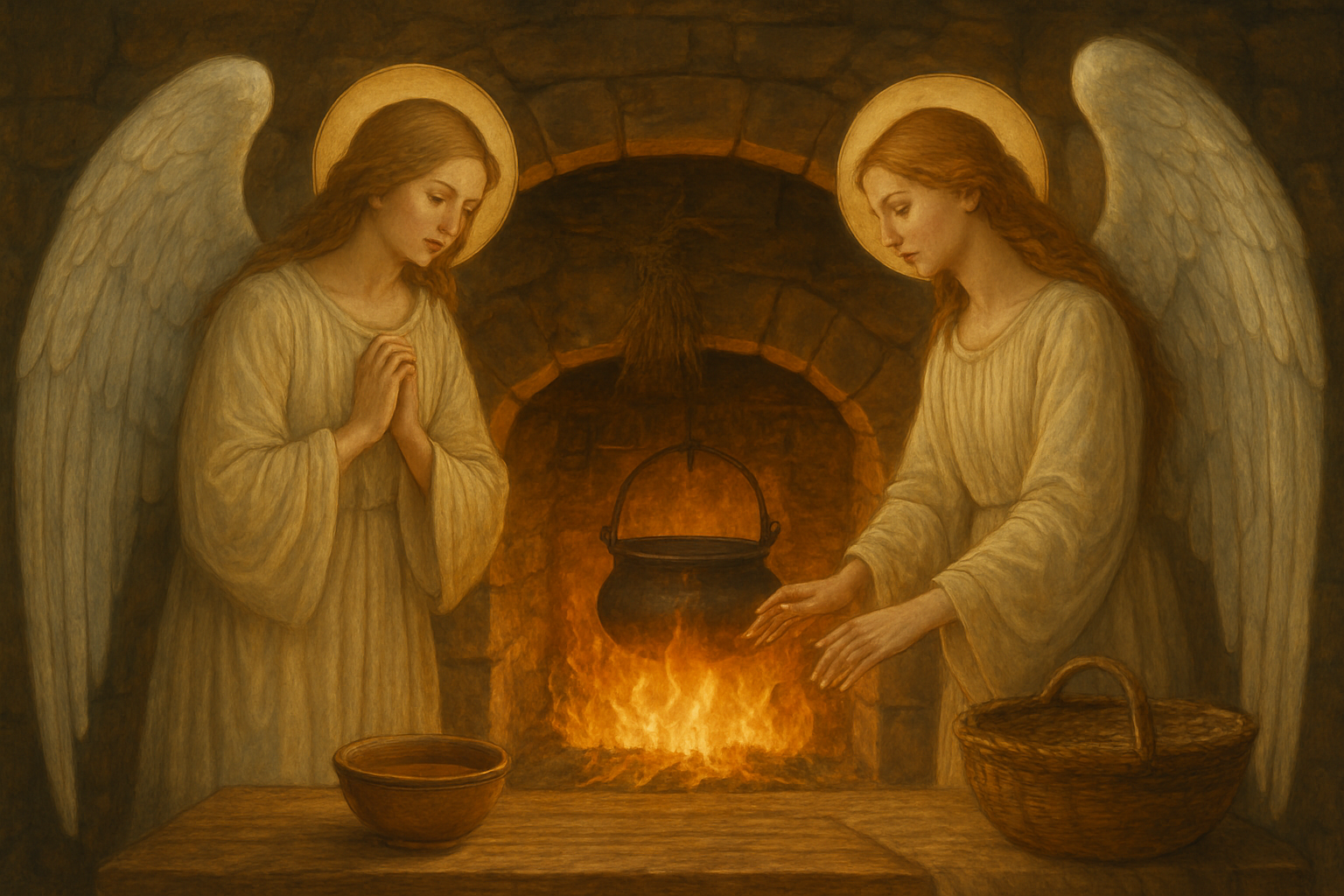
    The celestial wanderers, often referred to as the planets and stars that grace our universe, are not merely distant orbs in the night sky. They are ancient travelers, whose journeys across the cosmic expanse are seen as both a spectacle and a mystery. Among their many secrets, perhaps the most enduring and enigmatic is the concept of ‘arcane warmth.’ This mystical heat, preserved and nurtured by celestial beings, has fascinated humanity for countless generations.

    The Concept of Arcane Warmth

    Arcane warmth is believed to be an ethereal energy emanating from celestial bodies, imbued with the power to sustain life, wisdom, and magical capabilities. This warmth is not merely the scientific heat that we know, which is measurable and explicable through physical laws. Instead, it is an undefinable essence, intertwined with the spiritual and mystical aspects of the universe.

    “The celestial bodies are not merely bodies of matter; they are repositories of arcane warmth, driving the machinery of life and mystery.” — Elara Greenwood, The Mysteries of Celestial Fires

    Astronomical Origins

    The notion of arcane warmth is often rooted in various ancient astronomical and astrological traditions. Many cultures viewed the stars and planets as divinities or vessels of divine power. The Egyptians, for example, revered the sun god Ra, who traveled across the sky bringing light and heat, but also something deeper—a spiritual essence that nourished life.

    • Babylonian Influence: The Babylonians believed in star deities that controlled both fate and fortune. Their view was that arcane warmth was a reflection of divine intervention in human lives.
    • Greek Philosophy: Greek philosophers such as Pythagoras and Plato contemplated the cosmos not only in terms of spatial and temporal dimensions but also as carriers of hidden truths and energies that interconnect humanity with the divine.
    • Vedic Traditions: Vedic texts describe the Sun as Surya, the source of all life-force energy, linking human spiritual and physical vitality to solar emissions.

    Myths and Legends

    Countless myths from around the world speak of sacred fires and hidden warmth that deities control or bestow upon worthy individuals. The legend of Prometheus stealing fire from the gods is a classic example of human appropriation of divine warmth, symbolizing not just physical fire but also enlightenment and knowledge.

    The Norse myth of the Sun and Moon, chased perpetually by wolves across the sky, describes their warmth as a source of eternal power that sustains the worlds of both gods and men. Similarly, in Zoroastrianism, the eternal flame burns as a symbol of divine light and wisdom, representing the arcane warmth of the universe itself.

    The Science Behind Celestial Fires

    Modern science sheds light on the physical aspects of celestial warmth. Stars, through nuclear fusion, generate tremendous energy and heat, illuminating the cosmos and supporting life on planets such as Earth. However, the question remains if there is more to this energy than fundamental physics.

    “Perhaps there is something we cannot comprehend; a hidden tapestry of forces at work, intertwining the physical warmth of the universe with the spiritual and magical.” — Dr. Stellarius Kepler, Intersections of Science and Spirituality

    The Role of Arcane Warmth in Magic and Alchemy

    Alchemy, the medieval precursor to chemistry, frequently arrived at the notion of arcane warmth. Alchemists pursued the Philosopher’s Stone, believed to have the power to transmute base elements into gold and grant immortality by channeling celestial energies. They saw the essences of celestial fires as crucial components of their mystical experiments.

    In magical traditions, such as those practiced by Druids or pagan religions, the sun and celestial bodies are invoked for their warmth which is thought to infuse rituals with power. Arcane warmth is perceived as a vital energy that can be harnessed to influence outcomes, enhance vitality, and connect with spiritual planes.

    The Metaphysical Interpretation

    In the realms of metaphysics, the arcane warmth is akin to the ether, a hypothetical substance once thought to fill the universe, transmitting light and sound. While modern science has moved beyond the concept of ether, metaphysical interpretors regard arcane warmth as an ever-present, all-encompassing connection between the material world and greater cosmic consciousness.

    Some mystics and spiritualists claim the ability to tap into this warmth during meditation or through esoteric practices, aligning themselves with the universal energies. These practices suggest that humans might possess an innate ability to interact with celestial energies, fostering personal and collective transformation.

    Arcane Warmth’s Place in Contemporary Thought

    Today, the idea of arcane warmth continues to inspire both wonder and exploration. While science offers profound insights into the physical nature of stars and planets, the spiritual dimension retains its allure and invites a synthesis of science, spirituality, and imagination.

    • Interdisciplinary Insights: Researchers in fields ranging from astrophysics to philosophy explore the possibilities of consciousness and universal energies, inspired by the concept of arcane warmth.
    • Artistic Influence: Artists and writers often draw from celestial themes and the mysticism of starry realms, inviting audiences to contemplate their connection with the cosmos.

    In conclusion, the secret fires kept by celestial wanderers—the arcane warmth—serves as a powerful metaphor and mystical reality that underscores humanity’s eternal fascination with the universe. It bridges the known and the unknown, beckoning us to explore further, dream deeper, and imagine the possibilities that lie beyond the stars.

  • The Angel Who Lost a Mitten – A Playful Tale of Celestial Winter Mishaps

    The Angel Who Lost a Mitten – A Playful Tale of Celestial Winter Mishaps

    Winter has always held a magical allure with its snow-blanketed landscapes and crisp, frosty air, but it’s not just us mortals who revel in the wintry delights. In a delightful tale that dances between clouds and earth, we find a celestial being who discovers that even angels aren’t immune to the occasional mishap. Discover the charming story of The Angel Who Lost a Mitten, a whimsical narrative about innocence, warmth, and the unexpected adventures of an angelic being.

    An Angelic Stroll Amongst the Snowflakes

    High above the wintry wonderland, where the skies blend with dreams and starlight, angels flutter gracefully, enjoying the sparkling vistas of snow-kissed mountains and shimmering ice. One such angel, a playful spirit known as Ariel, loved descending with snowflakes to dance lightly across frozen lakes and frosty treetops.

    Ariel often visited the earthly realm, especially during the twilight hours when the whole world seemed to glisten. On one particular snowy evening, excitement filled the air as fresh snowflakes started their gentle descent, adding layers of serenity to the quiet landscape below.

    “The earth was wrapped in a blanket of white, and every surface sparkled with the purity only fresh snow can bring,” wrote Jack London.

    The Misplaced Mitten

    As Ariel danced amid the whirling flakes, she wore a pair of hand-crafted mittens, celestial creations warm enough to comfort even the iciest of angel fingers—a delightful contrast against her glimmering wings. The custom was simple: never lose sight of one’s warmth. However, amidst twirls and pirouettes, Ariel’s mitten slipped silently from her right hand, disappearing into the snow below.

    Unaware of her loss, Ariel continued her frolic, until a sudden chill tickled her fingers. She paused, glancing down in surprise as her gloveless hand met the crisp air.

    An Earthly Search

    Realizing the need to retrieve her lost mitten, Ariel decided to search the snowy blanket below. With a soft landing near a slumbering village, she began her search. Snowflakes danced around her as if aiding her quest, each flitting in patterns over the white sea.

    One by one, curious woodland creatures emerged from the hiding, drawn toward the angel’s glowing aura. A curious rabbit, a wise squirrel, and even a majestic deer joined in her search.

    • Rabbit: Expert digger and snow explorer, the rabbit led the charge, nosing through the snowdrifts where the mitten might hide.
    • Squirrel: With his knack for buried treasures, the squirrel scampered up trees, scanning the horizon for any sign of Ariel’s lost warmth.
    • Deer: A graceful addition to their team, guided them with her gentle understanding of the forest’s whispers and secrets.

    A Heartfelt Discovery

    As the night wore on, Ariel’s hope flickered like a lantern through a dense fog. The snowy veil appeared endless. Just as the angel began to despair, a sudden cry erupted from the rabbit, who bounced joyfully near a drift by an ancient oak. There, partially buried and glistening with icy crystals, was the missing mitten!

    With laughter like chimes in a gentle breeze, Ariel thanked her newfound friends for their warmth and companionship. Her gratitude was infinite, as was her resolve never to neglect such heavenly (yet earthy) belongings again.

    The Celestial Lesson

    Ariel’s journey infused both the stars above and the beings below with a sense of joy and togetherness. She returned to the heavens, her hands warmly nestled, with an experience etched forever in her heart.

    “Winter is not a season, it’s a celebration,” as the saying goes, capturing the spirit of Ariel’s wintry escapade, filled with joy and lessons learned.

    Though often unseen, angels might just be sharing in our earthly delights and mishaps, bringing warmth to cold nights and light to our most human of adventures. The Angel Who Lost a Mitten reminds us that even in moments of loss, there is discovery, shared compassion, and warmth as timeless as the stars themselves.