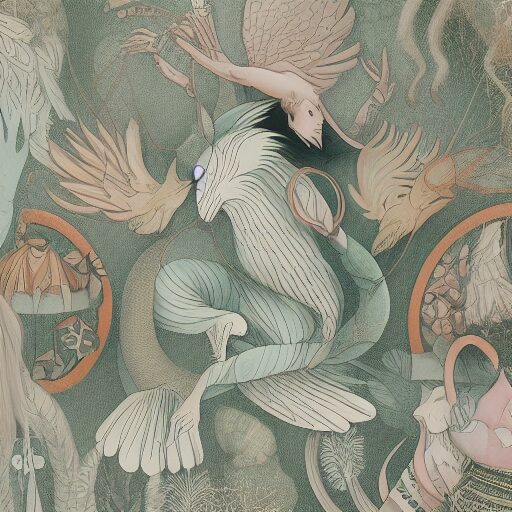
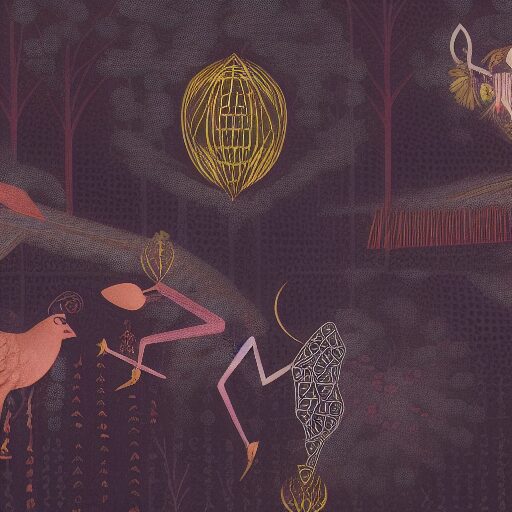
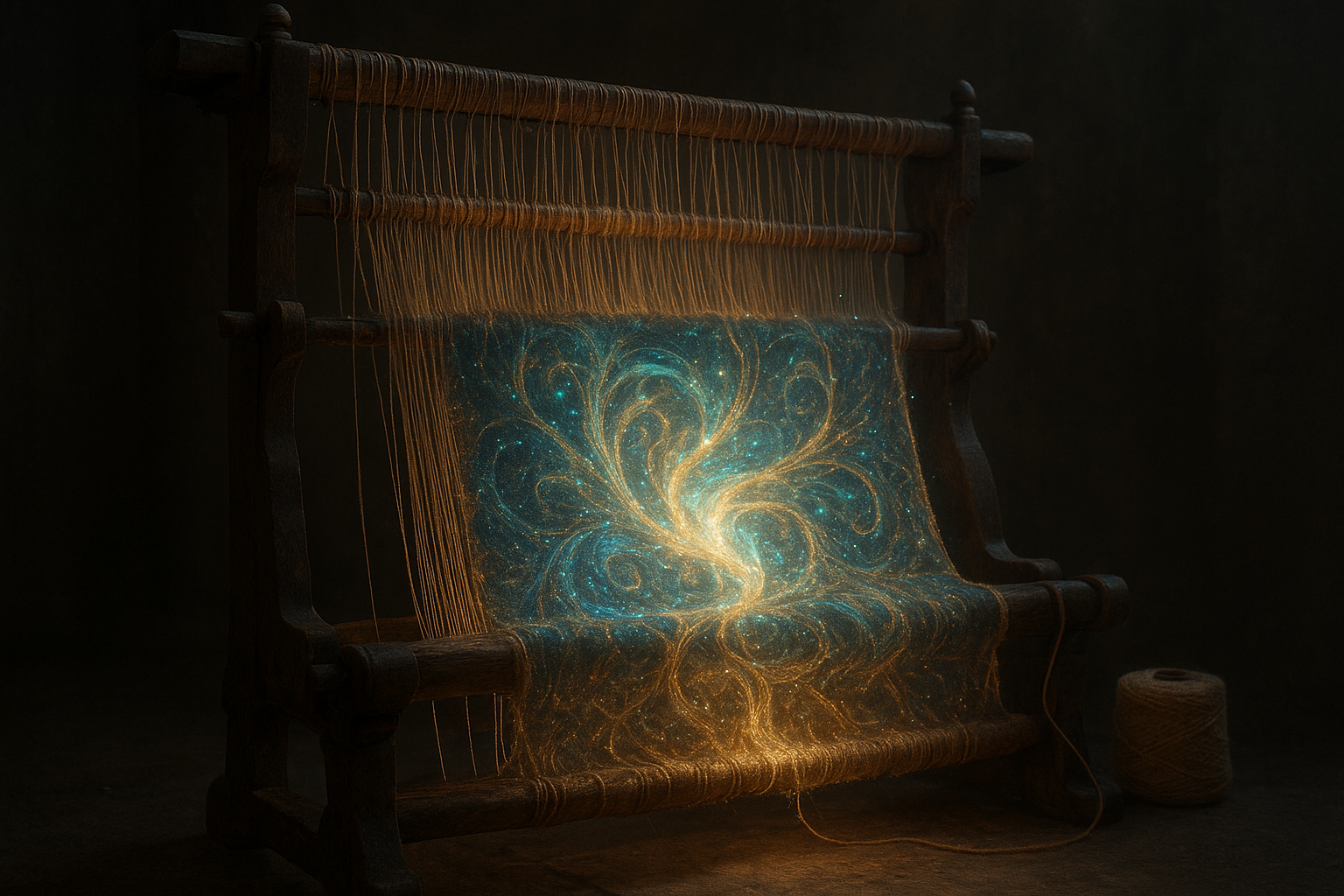
The intricate art of weaving magic into the fabric of reality has long been a fascinating endeavor, both in myth and in the diverse worlds of modern gaming. The concept of the Arcane Loom metaphorically represents this sublime confluence of fate and magic, where every thread holds potential—every weave a choice.
The Mythical Foundation of the Arcane Weave
Historically, the motif of weaving has been a powerful symbol of fate and destiny. In Greek mythology, the Moirai, or the Fates, were often depicted as weavers who spun the threads of mortal lives. Similarly, in Norse mythology, the Norns wove the strands of fate beneath the roots of Yggdrasil, the world tree.
“Man’s life is a thread – the Norns weave and the loom is shuttled with whispers of the future.”
In these tales, the loom acts as a stage where cosmic forces—be it destiny, luck, or magic—intersect, bringing about a tapestry that dictates the course of life and events. Such narratives lay an indelible foundation for the entwining of arcane power and destiny in gaming environments.
Arcane Loom in Modern Fantasy Gaming
Translating this mythos into interactive experiences, game developers have ingeniously crafted worlds where the Arcane Loom manifests as a critical game mechanic. Through strategic choices, players become active participants in weaving the fate of their characters and shaping the game’s narrative tapestry.
Example 1: “The Elder Scrolls V: Skyrim”
- System of Fate: In Skyrim, the skill tree represents the players’ ability to influence and control destiny via choices. Each skill advancement feels like a new thread added to the player’s unique story quilt.
- Magic as the Thread: Magic and shouts (known as Thu’um) serve as the mystical threads of the Arcane Loom, allowing players to perform feats that alter their fate and the world around them.
Franchises like The Elder Scrolls illustrate how fate and magic interplay to provide players with a dynamic and immersive experience, merging choice with power.
Example 2: “Final Fantasy XIV”
- Arcane Sciences: In the realm of Eorzea, players don not just engage with magic but engage with a more intricate network of fate termed ‘the Echo’ which enables players to glimpse into the past.
- The Fabric of Destiny: The elaborate job system allows players to switch between roles, weaving a complex tapestry of combat and support that pivots on tightly-knit strategies and fate-deciding spells.
Final Fantasy XIV exemplifies how players can manipulate destiny using arcane might, maintaining balance and progress within the game’s universe.
The Mechanics of the Arcane Loom
The core of the Arcane Loom lies not just in the accumulation of magical powers or fatalistic threads, but in the interplay of causality and consequence. The successful integration of such systems springs from well-balanced game mechanics and narrative structures that ground player choices in meaningful outcomes.
Dynamic Outcome Systems
In games like Telltale’s releases, the choice-driven stories highlight how every choice branches into unprecedented outcomes. While magic remains a thematic element, it’s the player’s actions—woven together—that define the storyline’s resolution.
Skill Trees and Arcane Choice
Modern RPGs employ skill trees that allow players to invest in various magical and non-magical abilities. These function as individual threads, with the individual choices advancing character development and plotline evolution.
Take, for example, Path of Exile—its intricate skill tree embodies the very essence of planning and fate-weaving, giving players countless ways to construct their path.
Visual Artistry in Weaving Magic
The artistic representation of the Arcane Loom in video games is as essential as mechanical design. The visual component not only enhances immersion but provides a tangible representation of magical threads and objects of power.
Games often visually represent magic and fate weaving through iconic visuals like shimmering threads, glowing auras, or ethereal patterns that provide sensory feedback to the players. Such designs ensure that the mystical nature of the Arcane Loom is an integral and visible aspect of the gaming experience.
The Future of Fate and Magic in Gaming
As gaming technology advances, developers continue to push the boundaries of how magic and fate are intertwined. Virtual reality and augmented reality present new frontiers for the experience of the Arcane Loom, allowing players to engage with the mythos on an unprecedented visceral level.
With AI-driven narratives and procedural generation, the notion of fate and magical interaction can be further expanded, offering dynamic, evolving storylines that grow and react to every choice, every spell, and every action of the player.
The art of weaving fate and magic into intricate tapestries will remain a hallmark of fantasy games, challenging players to both strategize and immerse themselves in worlds where every choice is a new thread in their desired destiny.
Conclusion
The Arcane Loom represents one of the most potent symbols in interactive fantasy. It bridges ancient mythologies with modern technologies, providing a playground in which players actively engage with their destinies. As with the weavers of old, today’s gamers don the mantle of creators, binding magic with fate into a singular narrative tapestry that is forever their own.