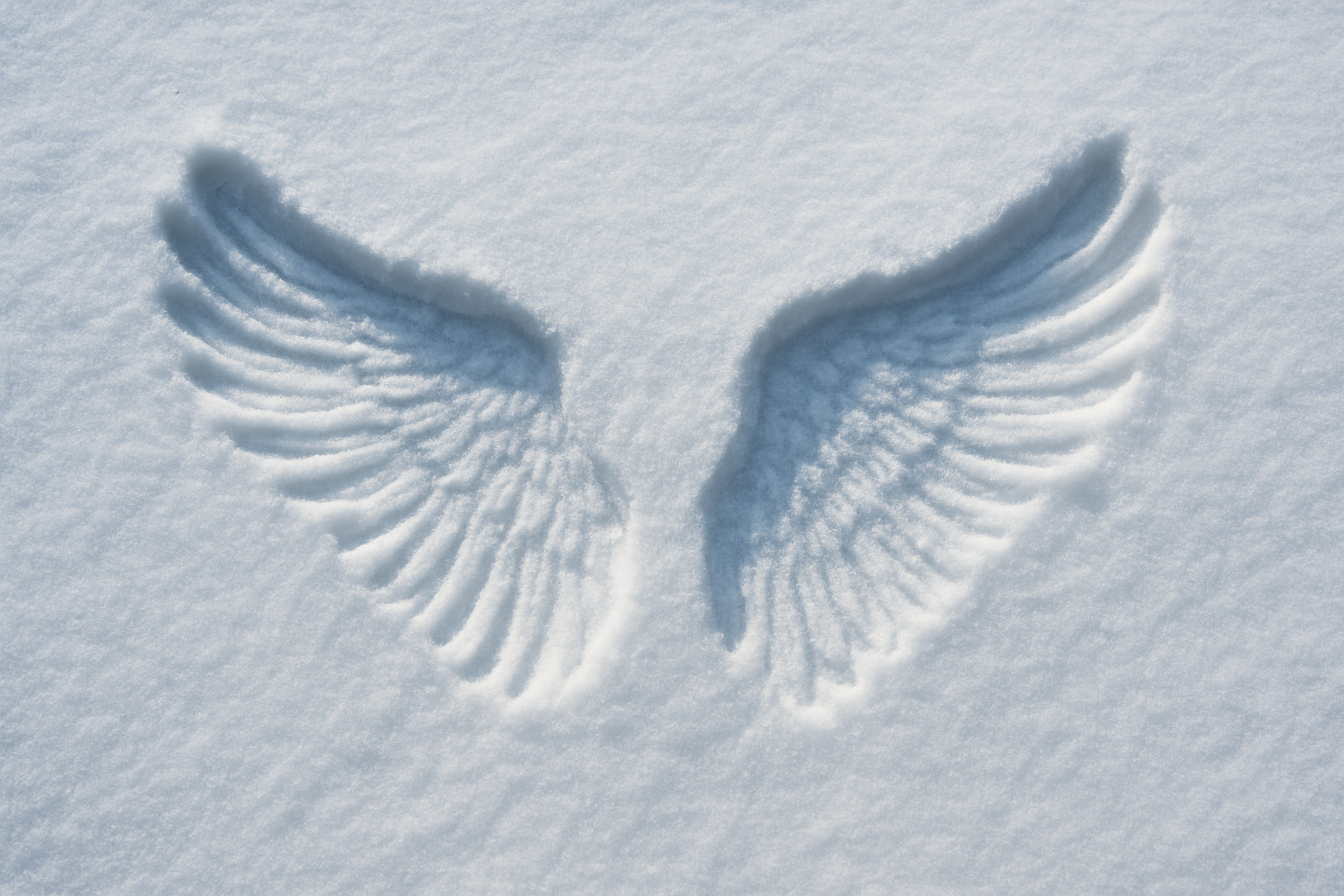
Wingprints in Fresh Snow: Reading Messages from Above
In the silent elegance of freshly fallen snow, nature often leaves messages that tell tales of the unseen. Among these cryptic signatures are wingprints—the whimsical, temporary imprints left by birds as they come into contact with the white canvas below. The study of these patterns offers not only a connection with nature but an insight into the behaviors and lives of winged creatures.
The Art of Wingprints
Snow has always been a surface for storytelling, capturing the footprints of various animals and, more mysteriously, the impression of bird wings. These wingprints occur when birds descend to capture prey, rest briefly, or simply glide too low, brushing against the shimmering whiteness. Each wingprint is a fleeting work of art, a brief moment frozen in time, only to fade away with the next snowfall or gust of wind.
“The snow didn’t give a soft white damn whom it touched.” – E.E. Cummings captured the spirit of how snow interacts universally and indiscriminately, preserving stories of all who grace its surface.
Interpreting the Signs
Interpreting these messages from above involves patience and a keen eye. Bird experts and enthusiasts analyze these prints to decode information about the birds’ flight patterns, their hunting behavior, and even their species. The size, depth, and shape of the imprints can insinuate whether a large owl swooped in softly to snatch a mouse or if a raven landed briefly out of curiosity.
“In nature, nothing is perfect and everything is perfect. Trees can be contorted, bent in weird ways and they’re still beautiful.”
— Alice Walker
Walker’s words remind us that the beauty of these natural imprints lies in their imperfections. Even a seemingly chaotic pattern in the snow is a direct result of a perfectly adapted creature navigating its world.
The Science Behind the Snow
Scientifically, the study of wingprints can offer data on bird population movements, health, and interactions with their habitats. When field biologists come across wingprints, they often document them through photos, measurements, and sketches. Over time, these records contribute to broader ecological studies, aiding in conservation efforts.
- Size and Shape: The wingspan impression can help identify species. A large, circular impression might suggest a predatory bird like an eagle or hawk.
- Depth of Imprint: A deep indentation could indicate a swift landing or a capture in motion.
- Contextual Clues: Surrounding prints or disturbances can tell if the bird interacted with another animal or foraged for food.
Learn how to read signs from owls in winter hiking, courtesy of the Audubon Society.
An Invitation to Explore
The allure of wingprints in fresh snow serves as an open invitation to explore and connect with the natural world. Just as astronomers look to the stars for guidance, those walking through a wintry forest can look down at the snow for stories untold.
Walking through a snow-draped landscape becomes an act of discovery. Each sway and dip in the pattern left behind tells a tale not just of survival and instinct but also of coexistence with the environment. Such engagement deepens our appreciation for nature’s subtleties and celebrates the beauty found in fleeting moments.
“To see a world in a grain of sand and heaven in a wildflower, hold infinity in the palm of your hand and eternity in an hour.”
— William Blake
Blake’s poetry perfectly encapsulates the desire to find significance in the small, often overlooked details around us, just like the delicate brush of wings against snow.
Conclusion
Ultimately, wingprints in fresh snow are more than just evidence of avian presence; they are nature’s way of communicating the rhythm and pulse of life above ground. As the snow spreads its cold embrace, it draws upon itself a map that is as enlightening as it is beautiful. We are invited, if only for a moment, to pause, observe, and celebrate the messages from above.
So, next time you find yourself treading lightly through a snowy wonderland, look closely at the patterns laid before you. You might just find that the whispers from the wings above are waiting to be heard.