Tag: world

  • The Light Beneath the Floorboards

    The Light Beneath the Floorboards

    You need to be logged in to view this content. Please . Not a Member? Join Us
  • The Altar in the Attic: Personal Spiritual Spaces

    The Altar in the Attic: Personal Spiritual Spaces

    You need to be logged in to view this content. Please . Not a Member? Join Us
  • Midnight Cartographers: Mapping the Unseen

    Midnight Cartographers: Mapping the Unseen

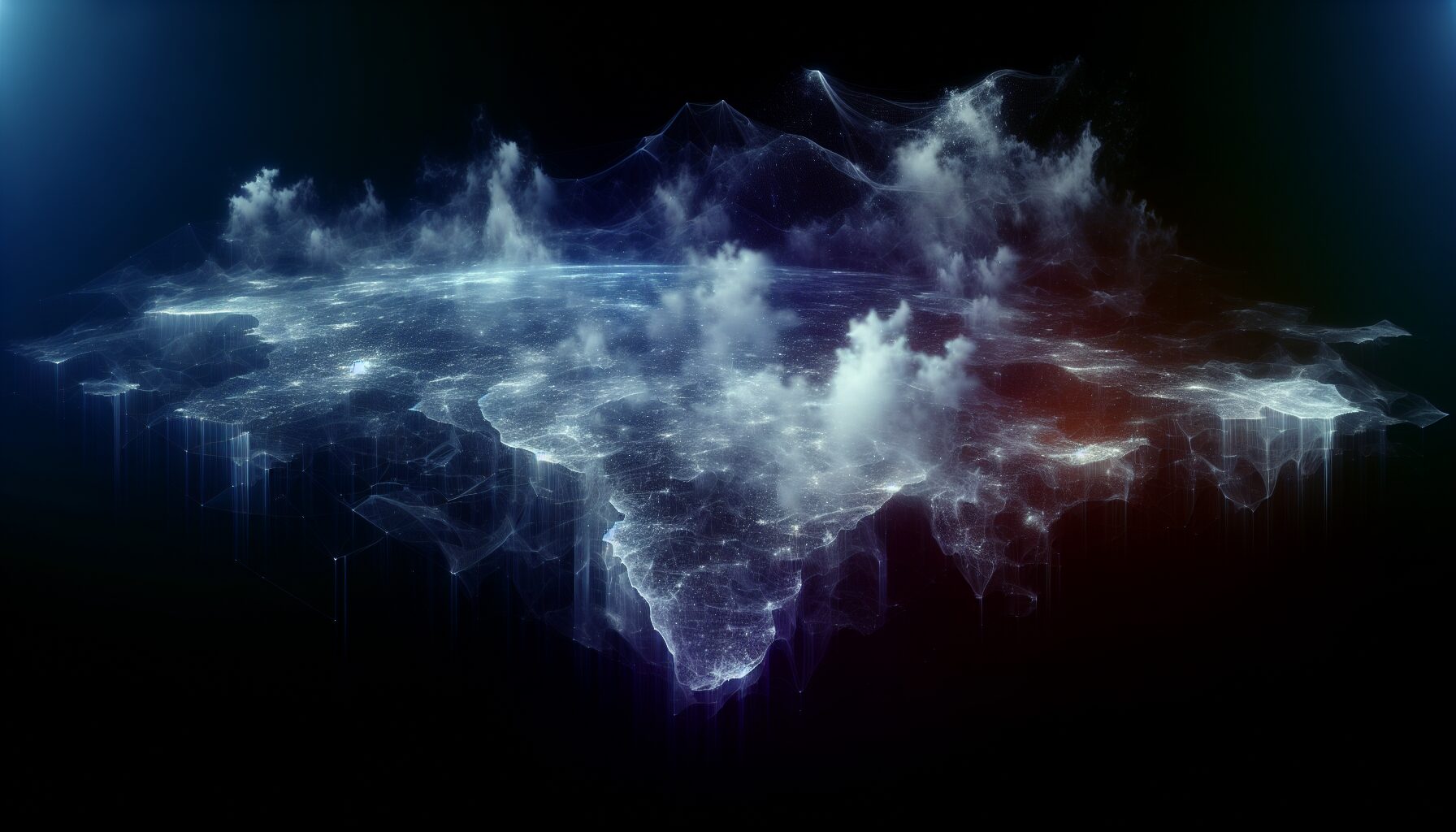
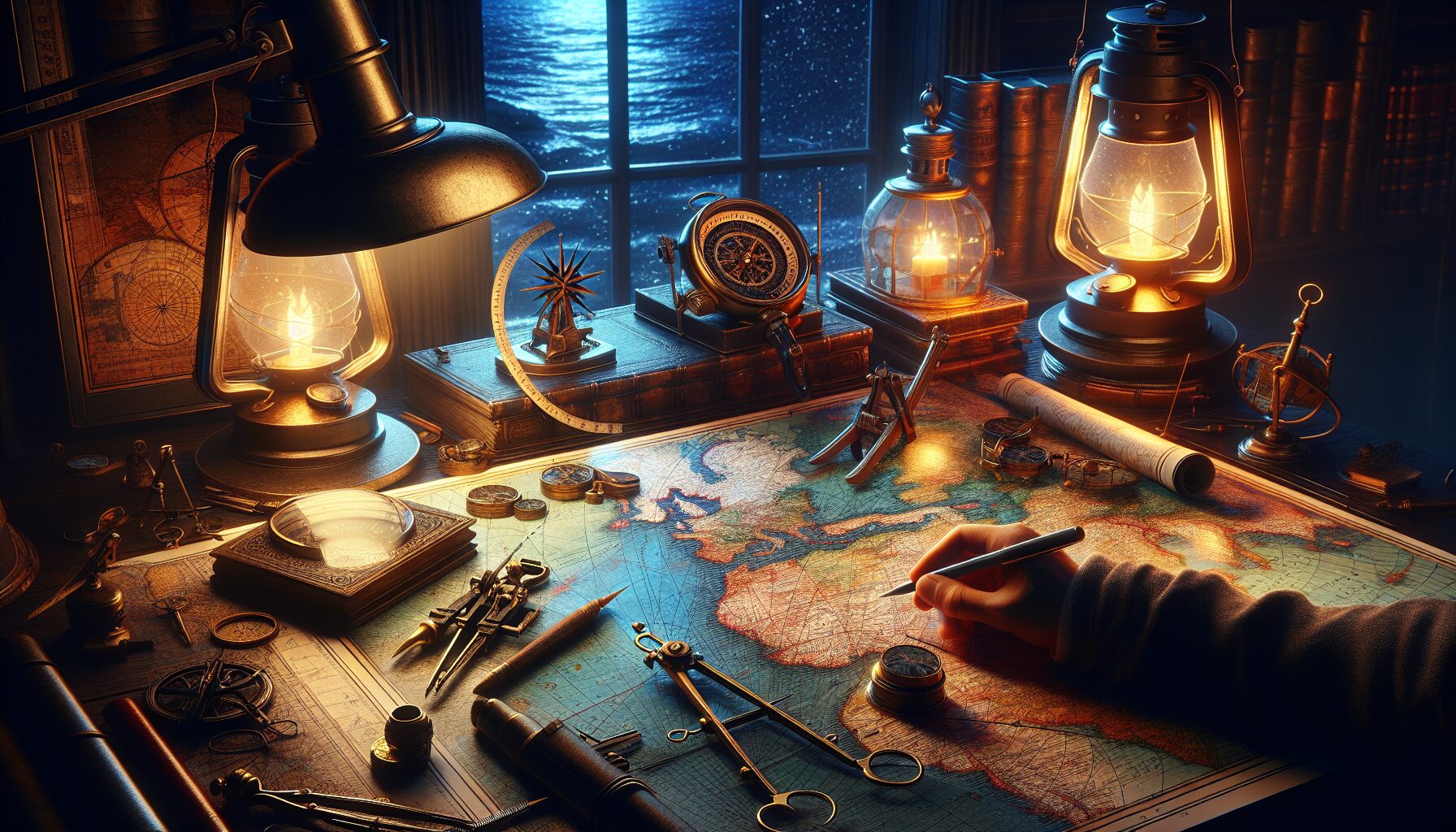
    In an era dominated by satellites and digital mapping technologies, one might presume that every corner of the earth is charted with pinpoint precision. Yet, there exists a cadre of explorers working under the cover of darkness, known as “midnight cartographers,” who dedicate their nights to mapping the unseen.

    The Origins of Nocturnal Mapping

    The tradition of nocturnal exploration stretches back centuries. Historically, sailors navigated by stars, and mystery-shrouded lands were sketched by those daring enough to venture into the unknown. However, the modern midnight cartographer differs markedly from their historic counterparts. These individuals are not guided solely by starlight but are equipped with sophisticated instruments capable of revealing what escapes the naked eye.

    The Tools of the Trade

    • Infrared Cameras: These cameras allow cartographers to detect heat signatures, uncovering not only geographical features but also wildlife activity that goes dormant in the daylight hours.
    • Lidar Technology: Lidar uses laser light to create high-resolution maps. It’s ideal for uncovering terrain that’s hidden beneath vegetation or in areas remote and inhospitable.
    • Drone Mapping: “Drones are revolutionizing the way we chart landscapes,” notes National Geographic. They provide aerial perspectives in real-time, allowing for rapid assessment and data collection.

    “There is something profoundly humbling about revealing what was previously hidden,” says noted cartographer and explorer, Dr. Elena Martinez. “Each new map is like lifting a veil off the world.”

    Mapping the Ecological Nightlife

    For many species, the night is alive with activity. Midnight cartographers play a crucial role in understanding these nocturnal ecosystems. Researchers from the World Wildlife Fund stress the importance of mapping animal movements under the cover of darkness, as these nocturnal habits may hold keys to species survival and ecological balance.

    For instance, bats—critical pollinators and insect controllers—are mapped to track their migratory paths. This information aids in conservation efforts and guides the placement of wind turbines to minimize harm to these creatures.

    Urban Landscapes: The Underworld Odyssey

    Cities, too, teem with unseen layers. There exists an underground world, filled with abandoned tunnels, sewers, and crypts, charted meticulously by these urban explorers. This subterranean maze, often off-limits, offers insights into the historical layers of urban development.

    In cities like Paris and New York, where the ghostly echoes of the past linger beneath modern streets, cartographers clandestinely map these urban underworlds to preserve the whispering history beneath the surface.

    The Ethical Considerations

    With exploration comes responsibility. Midnight cartographers are at the forefront of an ethical debate: how to balance exploration with conservation. Revealing hidden worlds might make them vulnerable to exploitation or overexposure.

    An article from the Smithsonian Magazine highlights that “with the power to uncover also comes the responsibility to protect.” As stewards of these unseen worlds, cartographers often work in collaboration with local communities, ensuring that sacred sites remain respected and protected.

    Conclusion: The Unending Quest

    Despite advances in technology, much of our world remains shrouded in mystery, waiting to be uncovered by those daring enough to venture out when the rest of the world sleeps. Midnight cartographers, with their unique blend of ancient skills and cutting-edge technology, are at the forefront of a new age of discovery.

    They remind us that even in our digitally mapped era, mysteries abound. As the sun sets and shadows grow long, these modern-day explorers quietly go about their work, unraveling the secrets of the unseen world, one map at a time.

  • Ashes to Ink: Writing the End of the World

    Ashes to Ink: Writing the End of the World

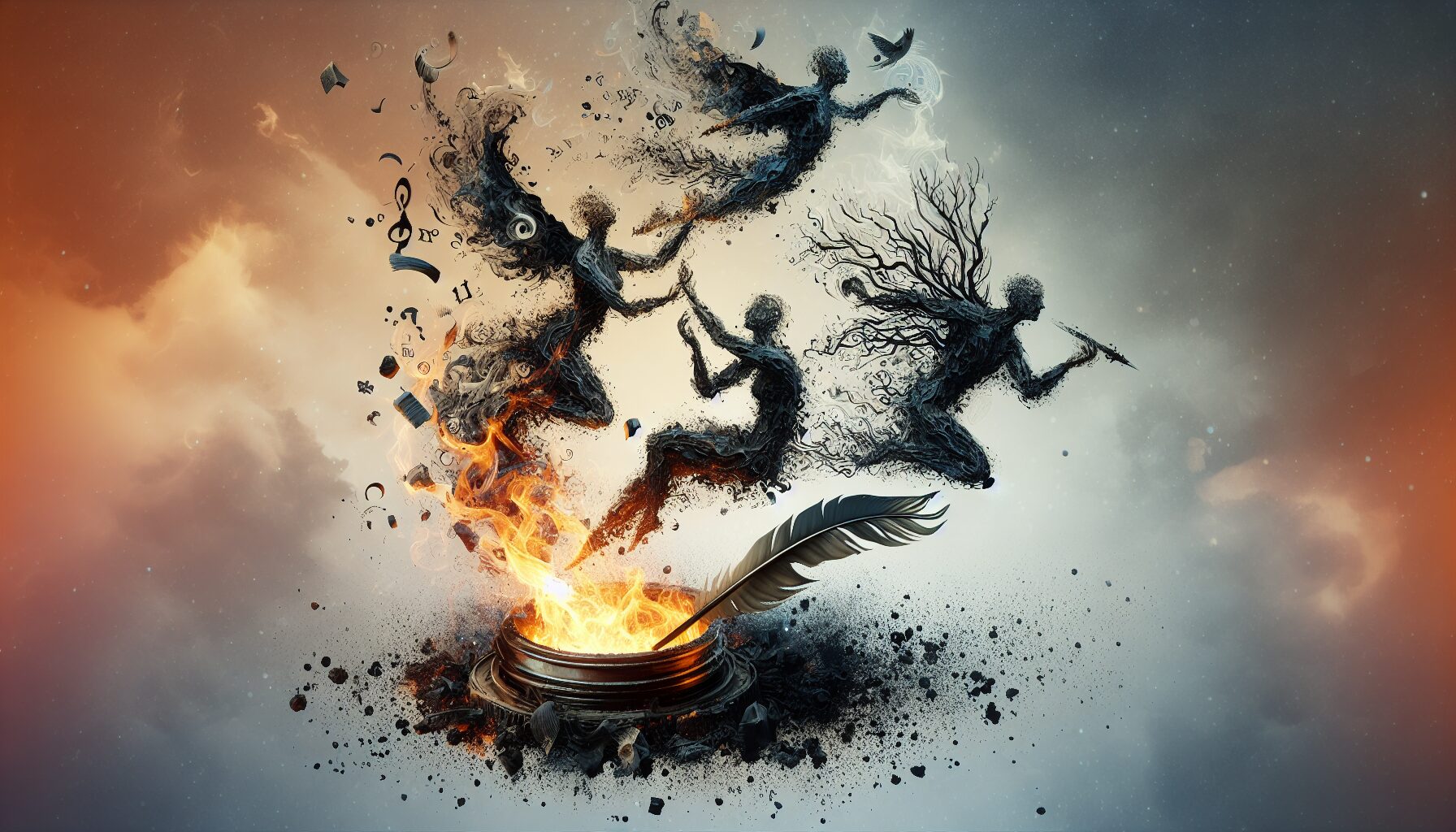
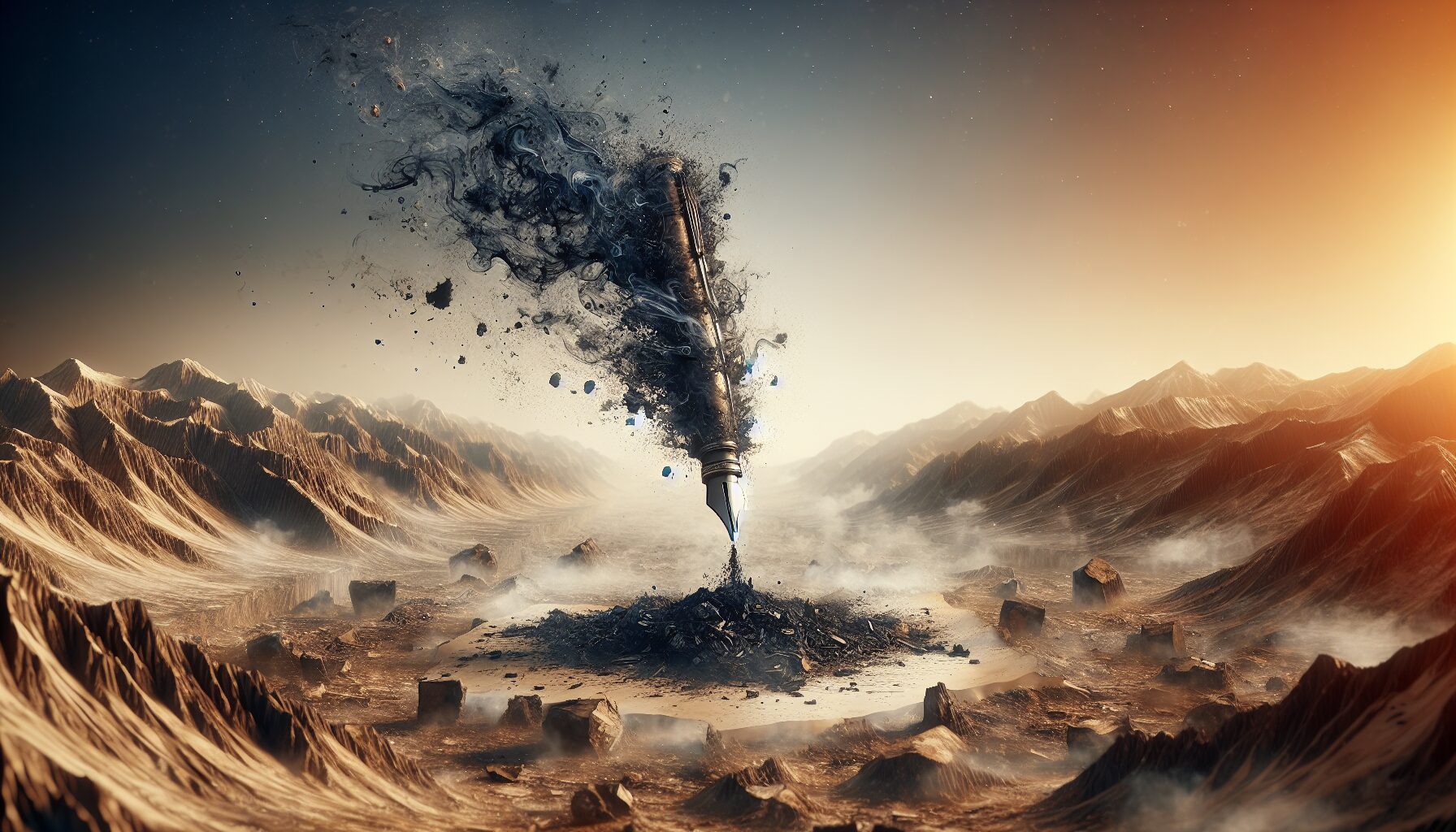
    In an era where every headline feels apocalyptic, from climate catastrophes to geopolitical tensions, the notion of an “end of the world” looms larger than ever. However, these existential threats have ignited a prolific response from writers and artists. Ashes to Ink explores how the apocalypse is being not merely feared but also creatively documented and envisioned, transforming the ashes of despair into a rich tapestry of speculative fiction and thought-provoking narratives.

    The Apocalyptic Canvas: A Brief History

    The idea of the world’s end is not new. Humanity has pondered the apocalypse for centuries, from religious texts to literary classics. The Book of Revelation offers a vivid portrayal of the world’s ultimate destruction, while more contemporary texts, such as Cormac McCarthy’s The Road, paint desolate landscapes where survival is tenuous and hope is fading fast. The recent influx of apocalyptic fiction reflects society’s deep-seated anxieties about the future—an echo of the past, now spoken through a modern lens.

    Giving Voice to Uncertainty: Themes and Motifs

    Today’s apocalyptic narratives often grapple with themes of environmental devastation, unchecked technological advancement, and sociopolitical collapse. These stories serve as cautionary tales, forcing audiences to confront the consequences of current actions. One memorable example is Margaret Atwood’s MaddAddam Trilogy, where she creates a dystopian world ravaged by genetic experimentation gone awry. Atwood, in an interview with The Guardian, once reasoned, “The gardener approach to fiction is essential—plant the seeds of reality and watch how their stories grow.”

    The Power of Climate Narratives

    • Forecasts on Climate Disaster: Many works use climate change as the catalyst for their end-of-the-world scenarios. In Kim Stanley Robinson’s The Ministry for the Future, climate-induced events spur global unrest and innovation in equal measure, illustrating both the threat and potential solutions.
    • The Anthropocene: Some authors delve deeper into humanity’s destructive impact, as encapsulated in Jeff VanderMeer’s Annihilation—an exploration of nature reclaiming control through surreal biomes resisting human incursion.

    Technological Titans and Dystopian Dreams

    As our reliance on technology grows, so do stories depicting its potential to both save and doom us. A new wave of authors like Neal Stephenson and William Gibson explore technological dependency and dystopia, warning of a future where digital innovations spiral beyond human command.

    “The future is already here—it’s just not evenly distributed.” – William Gibson

    • Artificial Intelligence’s Double-Edged Sword: Films and novels alike explore AI and automation as harbingers of both utopian and dystopian futures. Consider Westworld, where autonomous beings rise against their creators, echoing fears of self-aware machines.
    • Digital Identity and Anonymity: Black Mirror episodes often highlight a future where digital personas overshadow our humanity, challenging our notions of self and privacy.

    Survival and Resilience: Humanity’s Enduring Spirit

    While apocalyptic tales frequently depict the collapse of civilization, they also highlight humanity’s unyielding spirit. Titles like The Walking Dead portray not only the struggle to survive but also the complex dynamics of rebuilding society in the ashes of the old world. Characters face moral and ethical dilemmas, reflecting authors’ views on what it means to truly live after an end.

    As George Orwell noted in a letter, “The essence of being human is that one does not seek perfection.” This acceptance underpins many apocalyptic stories: imperfection as intrinsic to humanity’s perseverance.

    Translating Ashes to Ink: The Creative Process

    Writers of apocalyptic fiction draw inspiration from a well of existential fear and transform it into potent literature. The genre invites readers to confront their anxieties in a controlled environment, a kind of safe haven for confronting fears through metaphor and allegory. But how does one translate doom into ink effectively?

    • Realism Meets Fantasy: Authors blend real-world elements with speculative futures to anchor fantastical scenarios in the realm of possibility.
    • Character-Driven Narratives: By focusing on human experience amid catastrophe, writers ensure stories resonate emotionally, creating a connection to the broader world issues being depicted.

    The Impact of Apocalyptic Narratives

    These narratives do more than entertain; they spark dialogue on pressing global issues. From classroom discussions to policy debates, the questions raised by these fictions might empower a generation to act before fiction becomes reality. Alarmingly, some scenarios depicted in these works have already started manifesting. Quoting Simon Ings from ResearchGate: “Science fiction is not predictive; it is descriptive.”

    The Future of Apocalyptic Literature

    With the world evolving at unprecedented rates, apocalyptic literature is bound to continue its evolution, serving as both a mirror and a map. As Greta Thunberg passionately stated in her UN speech, “The world is waking up. And change is coming, whether you like it or not.” Hence, future narratives will likely reflect emerging threats, unforeseen innovations, and potentially new hopes. This literature ensures we remember, speculate, and resolve to change before the ink becomes reality.

    In the end, while humanity writes the end of the world, it also pens its possible second chances. The power of storytelling lies in its ability to ignite action—turning readers from passive observers of calamity into proactive architects of tomorrow’s hope.

  • Nightmare Anthology: Submissions from Readers

    Nightmare Anthology: Submissions from Readers

    You need to be logged in to view this content. Please . Not a Member? Join Us
  • Ceremonies for the Living Dead: DIY Rituals

    Ceremonies for the Living Dead: DIY Rituals

    You need to be logged in to view this content. Please . Not a Member? Join Us