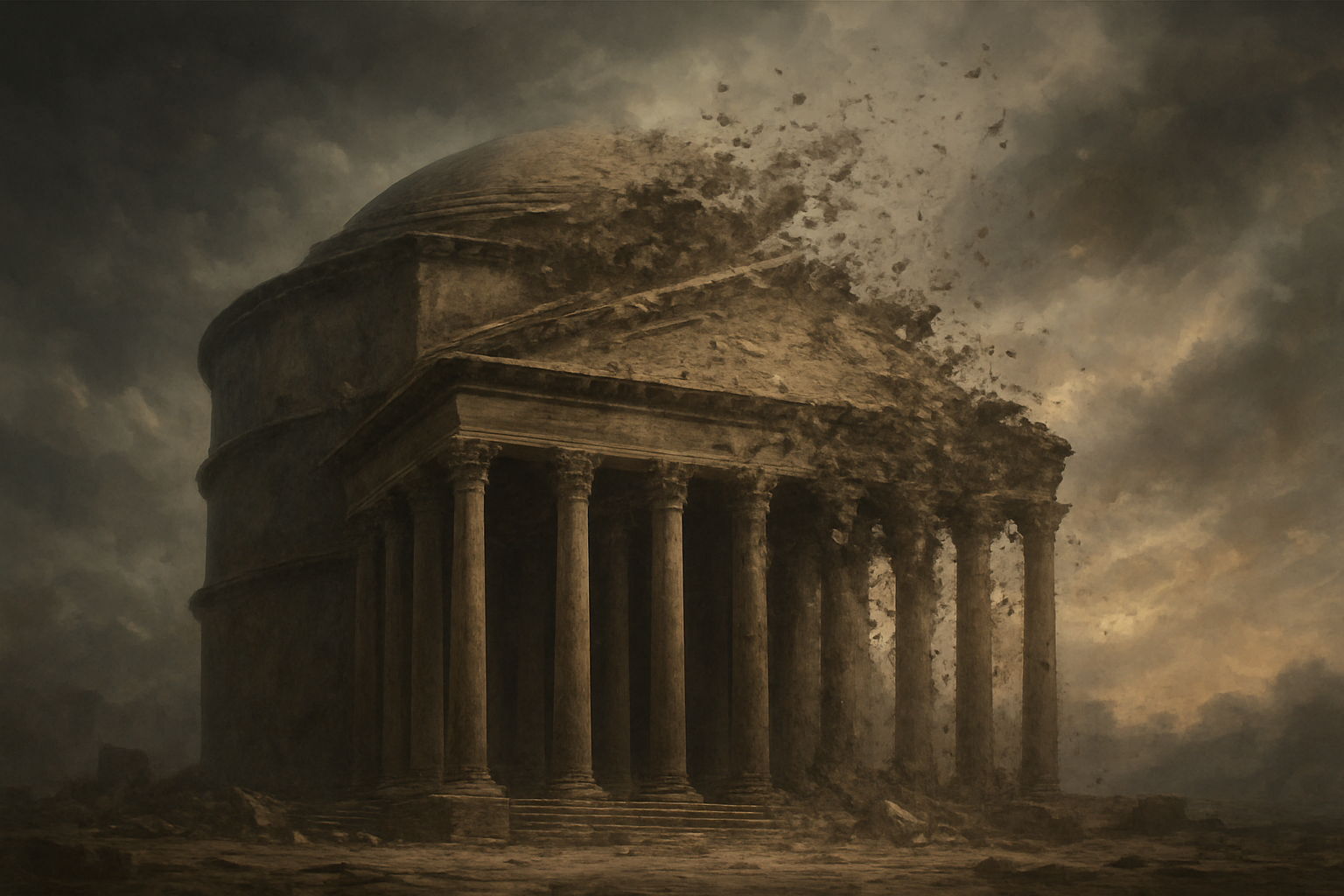
The Vanishing Pantheon – Mythology of Dissolution
Throughout human history, myths and legends have served as powerful lenses through which cultures interpret the mysteries of existence. As societies change, so too do their divine pantheons, sometimes expanding but often contracting, as gods and stories fade into obscurity. This phenomenon—a vanishing pantheon—is where mythologies dissolve and reshape, reflecting the evolving beliefs and priorities of civilizations.
The Mythical Landscape
In antiquity, civilizations like the Greeks and Romans possessed complex pantheons with gods who personified natural elements, human emotions, and societal values. These deities were integral to everyday life, with rituals and stories reinforcing their presence. As time passed, however, factors such as cultural shifts, the rise of monotheistic religions, and colonial conquests led to the disintegration or transformation of these mythologies.
Factors Leading to the Dissolution of Pantheons
- Religious Evolution: The rise of monotheistic faiths often resulted in the collapse or assimilation of polytheistic beliefs. For instance, the spread of Christianity throughout the Roman Empire significantly reduced the prominence of Roman gods.
- Cultural Syncretism: As cultures interacted through trade and conquest, pantheons merged. The Egyptian and Greek integrations resulted in hybrids like the god Sarapis, reflecting both traditions.
- Societal Change: Shifts in societal structures and priorities can render certain deities obsolete. In times of societal upheaval, such as the fall of empires, the old gods often fade away with the civilizations that worshipped them.
A Modern Reflection
In contemporary times, the allure of ancient mythologies persists, yet their roles have transformed. Today, these stories often serve more as cultural touchstones or inspirations for literature and film rather than as active religious beliefs. Neil Gaiman, in his novel American Gods, explores this theme, depicting old gods struggling to survive in a modern world dominated by new “gods” of technology and commerce. Gaiman’s work is a testament to the ongoing relevance and reinterpretation of myth in understanding human culture.
“A myth is a lie that conveys a truth.”
The vanishing pantheon is not merely about loss but transformation. As the gods of old disappear into the folds of history, their stories continue to resonate, echoing the eternal human quest to find meaning in the world.
Comments