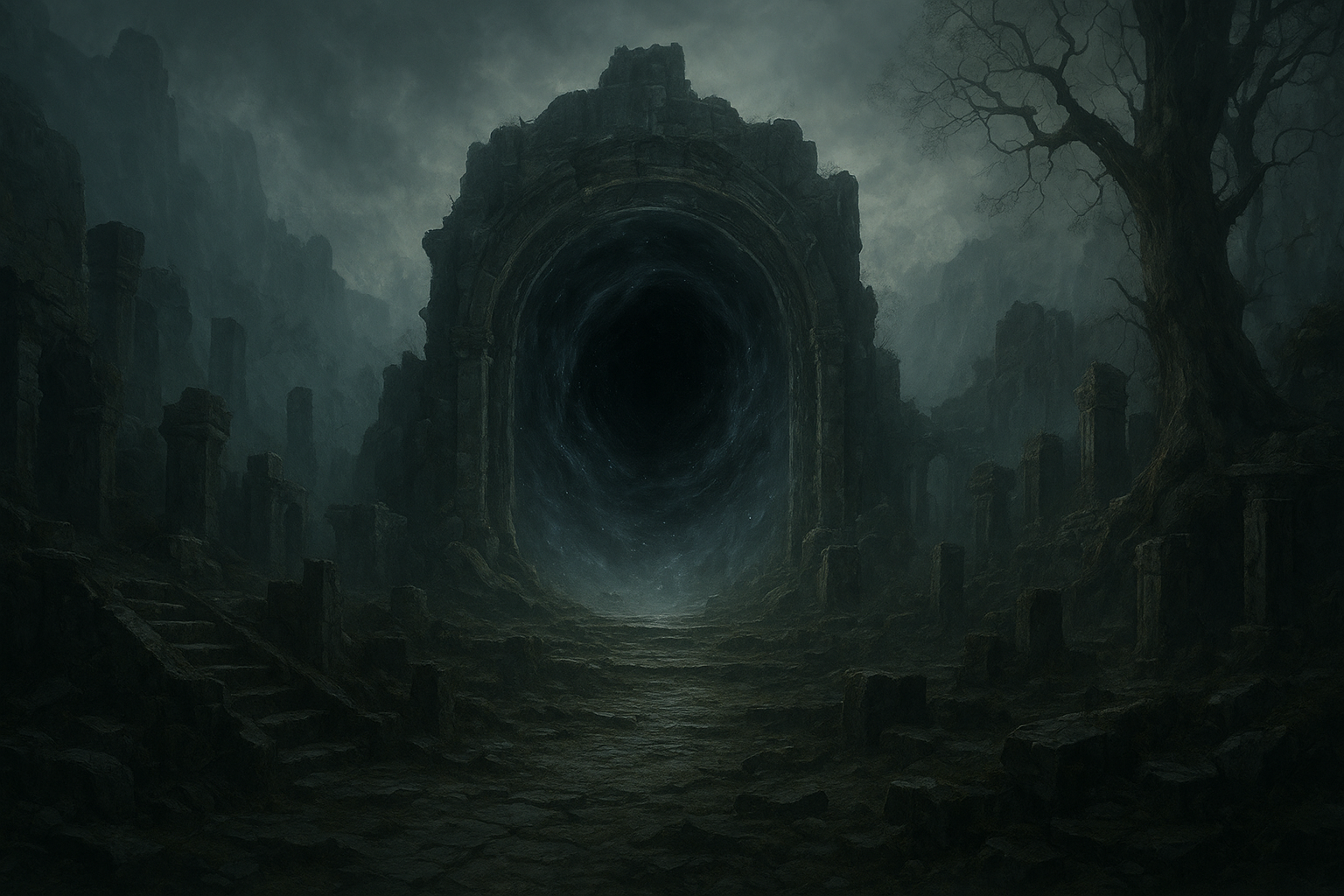
For centuries, the allure of hidden realms has captivated the human imagination. Whether woven into the fabric of ancient mythologies, explored in literary works, or depicted in modern cinema, the concept of secret voids and mysterious realms evokes a sense of wonder and intrigue. What lies beneath the surface of these enigmatic domains? And why are they so compelling?
The Allure of the Unknown
Human beings have always been fascinated by the unknown. This fascination is evident in the ancient myths passed down through generations, tales of realms hidden from ordinary view, accessible only to the chosen few. The idea of secret worlds—be they under the sea, beneath the earth, or in parallel dimensions—has fueled stories that stretch across time and culture.
“The oldest and strongest emotion of mankind is fear, and the oldest and strongest kind of fear is fear of the unknown.” – H.P. Lovecraft
Lovecraft’s observation underscores why these secret voids leave such a profound impact on our psyche. They tap into a primal curiosity, a need to explore the borders of our understanding.
Mythological Precedence
Many cultures feature hidden realms in their mythologies. In Greek mythology, Hades is not just a god but also the underworld—a vast domain hidden beneath the earth. Similarly, Norse mythology speaks of Svartalfheim, the land of the dark elves, and Helheim, the realm of the dead.
These stories often position hidden realms as places of extraordinary power and danger. They are secretive worlds that test the heroes’ courage and wisdom, revealing essential truths about life and death.
Literary Explorations
Authors have long drawn inspiration from these mythical concepts, crafting narratives that explore the depth and breadth of hidden realms. Lewis Carroll’s Alice’s Adventures in Wonderland takes readers down a rabbit hole to a whimsical and nonsensical world. Similarly, C.S. Lewis’s Narnia series invites protagonists through a seemingly ordinary wardrobe into a realm filled with magic and mystery.
- J.R.R. Tolkien’s Middle-earth: With its intricate history, unique languages, and expansive wilderness, Middle-earth serves as a reminder that the most profound secrets are often hidden in plain sight.
- J.K. Rowling’s Wizarding World: Accessible through fleetingly visible portals, this magical realm continues to captivate audiences with its blend of enchantment and intrigue.
The Science of Hidden Dimensions
Beyond myths and literature, the notion of hidden realms finds relevance in scientific discourse. Concepts like string theory propose the existence of multiple dimensions beyond the three we perceive.
String theory suggests that the universe comprises tiny, vibrating strings of energy that exist in higher-dimensional spaces. While these dimensions remain imperceptible to us, they might hold the key to understanding the very nature of reality.
“There is more in heaven and earth, Horatio, than is dreamt of in your philosophy.” – William Shakespeare, Hamlet
Shakespeare’s words encapsulate the scientific quest to uncover the mysteries concealed within these hidden realms. The search for knowledge fuels our imagination and propels our technological advances, allowing us to glimpse what may once have seemed impossible.
Exploration Through Modern Media
Cinema and digital media continue to explore and expand upon the idea of hidden realms. Films like Inception delve into layered realities and subconscious worlds, while series like Stranger Things unveil pocket dimensions fraught with danger and enchantment.
With the advent of virtual reality, audiences can now experience hidden realms, blurring the line between the virtual and the real. These technological advancements have redefined how we explore the unknown, making the investigation of hidden realms more interactive and immersive.
Conclusion
The secret voids and hidden realms of myth, literature, science, and media remind us of humanity’s inherent drive to explore and understand the unknown. They are places where the impossible becomes possible, where the boundaries of reality stretch and sometimes blur.
As we continue to ponder these mysteries, our fascination with hidden realms is unlikely to fade. Instead, it will drive us to deeper inquiries and investigations, encouraging us to delve into the depths of imagination and reality alike.
What do these enigmatic realms say about our world and ourselves? The answers may be closer than we think, hidden in the nexus between myth and reality.
Comments