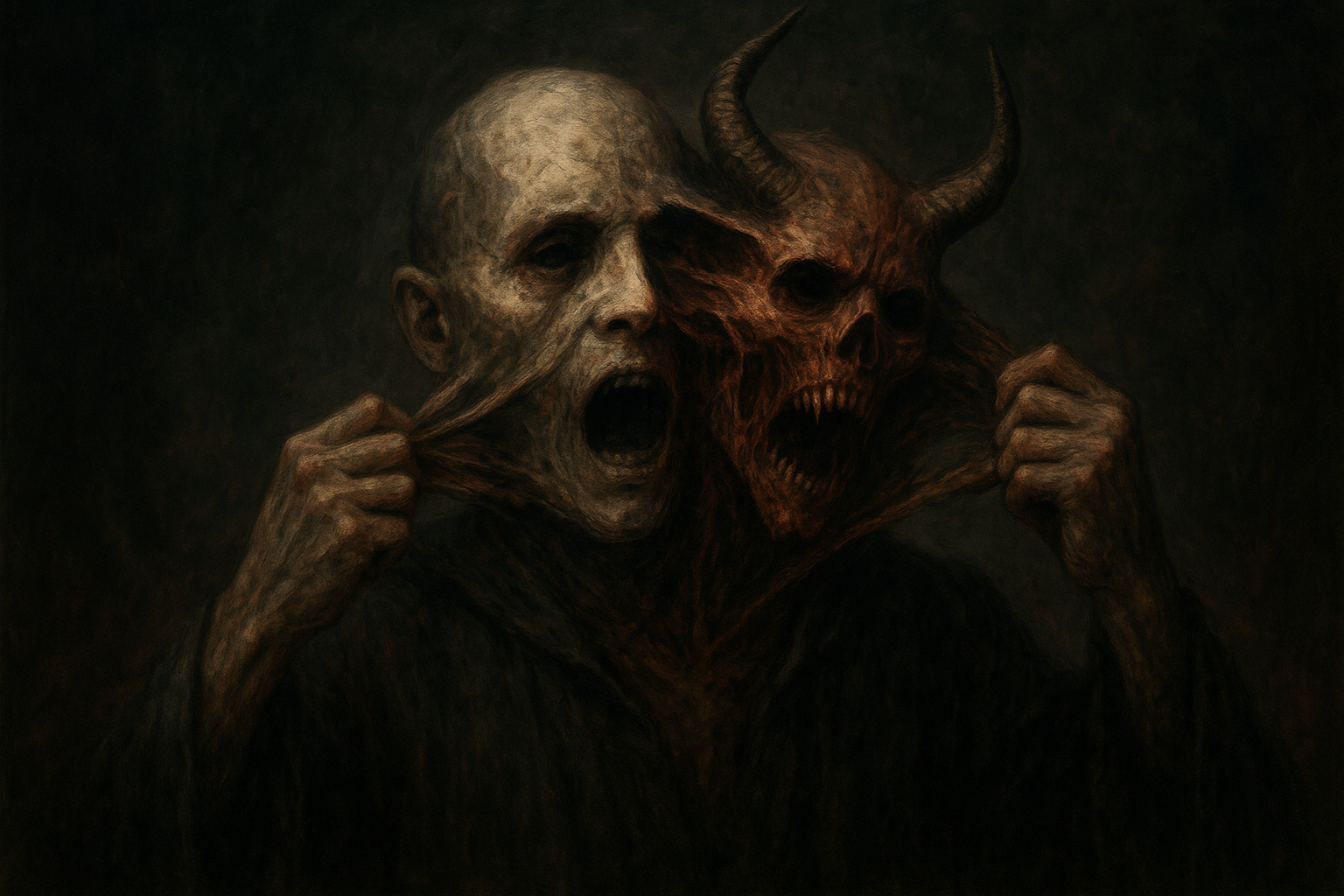
Demonic Dissociation: Depersonalization of the Infernal
In the realm of psychological phenomena and supernatural lore, the concept of demonic dissociation draws a captivating parallel between ancient beliefs and modern-day mental health issues. This intriguing intersection explores the notion of demons possessing or influencing individuals, leading to a state akin to depersonalization. By examining both historical texts and contemporary psychological research, we can better understand how these ideas coexist and intertwine.
The Essence of Demonic Influences
The belief in demonic influences is as old as humanity itself, spanning various cultures and religions. Traditionally, demons have been regarded as malevolent supernatural entities intent on causing harm or chaos. These entities are often portrayed as influencing or possessing individuals, leading to unusual or harmful behaviors. In many religious texts, exorcisms are prescribed to rid a person of such an influence, a testament to the deeply rooted fear and awe surrounding demonic possession.
- A key characteristic of traditional demonic possession involves individuals exhibiting behaviors or speaking in languages unknown to them, suggesting a distinct separation from their usual selves.
- Historical accounts, such as the Demonology by King James I, describe exorcisms and the perceived science behind identifying and expelling demons.
Depersonalization in Modern Psychology
Depersonalization, a term widely recognized in modern psychology, refers to a state in which individuals feel disconnected or estranged from their own self. This phenomenon is part of the broader category of dissociative disorders, which also includes amnesia and identity disturbances.
- According to the American Psychiatric Association, individuals experiencing depersonalization might feel as if they are observing themselves from outside their body, leading to a distorted sense of identity.
- Symptoms can be triggered by extreme stress, trauma, or psychological distress, and the condition can persist, affecting daily life and functioning.
The Parallels Between the Infernal and the Psychological
On exploring the intersections between historical demonic possession and modern depersonalization, a fascinating question emerges: Could ancient descriptions of possession be early interpretations of psychological dissociation? Both experiences involve a profound sense of alienation from one’s identity and an observable change in behavior.
`There is a growing interest in the overlap between psychological dissociation and religious experiences,” notes Dr. Elaine Fox, a leading psychologist specializing in the study of emotion and cognition. “Understanding why the mind dissociates can provide insights into both psychological and spiritual experiences.`
“The supposed possession by demons may reflect the severe dissociation triggered by trauma or distress, being culturally interpreted according to the worldview of the time.” — Dr. Elaine Fox
Cultural Perceptions and Implications
The persistence of demonology in popular culture underscores the ongoing intrigue surrounding these phenomena. Films, books, and television series often explore themes of demonic possession not only as entertainment but also as a metaphor for inner turmoil and identity crises.
- The 1973 film The Exorcist is a classic example, portraying possession with dramatic flair while tapping into the universal fear of losing one’s sense of self.
- Similarly, texts like The Demonologist by Andrew Pyper explore the psychological and supernatural aspects of possession, suggesting parallels between historical demonic encounters and present-day mental health issues.
Convergence and Understanding
To reconcile these narratives of demonic possession and psychological dissociation, one must consider both cultural and scientific perspectives. From the depiction of demons as forces of evil in religious texts to the clinical analysis of dissociation in psychology, both fields attempt to address an age-old question of identity and agency.
The demonic serves as a potent symbol for aspects of the psyche that remain unknown or repressed, and thus feared. By understanding these symbols, we not only gain insight into historical worldviews but also enrich our understanding of the mind’s complexities and vulnerabilities.
As scholars continue to explore these connections, bridging ancient beliefs with modern science, the conversation may pave the way towards a more holistic understanding of human consciousness. In doing so, it challenges us to confront and embrace the darker facets of our psyche, whether demonized or dissociated.
Conclusion
While demonic dissociation remains a largely theoretical concept, its exploration reveals much about cultural interpretations of identity and mental health. The bridges between historical and contemporary understandings of self-estrangement offer valuable insights into the human condition. As we delve deeper into this crossover of beliefs and science, we inch closer to unraveling the mysteries of our own minds.
Comments