Tag: between

  • Angelic Aliens and the Solstice Light – A Cosmic Collaboration

    Angelic Aliens and the Solstice Light – A Cosmic Collaboration

    The concept of alien life often flutters between the realms of science fiction and reality. However, throughout history, there are mystical connections and intriguing theories that suggest a more profound relationship between extraterrestrial beings, celestial events, and spiritual enlightenment.

    One of these intriguing theories involves the alignment of angelic forces, alien entities, and the mystical energies of the solstice. The solstice, a moment when the Sun reaches its highest or lowest point in the sky, has long been considered a time of significant spiritual transformation and cosmic alignment. Ancient civilizations, from the Egyptians to the Druids, celebrated the solstice as a time of renewal and connection with higher realms.

    Connecting with the Cosmos

    According to some spiritual traditions, the solstice is a period when the veil between worlds is thinnest, allowing for a unique connection with the cosmos. The Gaia Theory, proposed by scientists like James Lovelock, posits that Earth functions as a single, self-regulating organism. Extending this idea, some spiritual thinkers suggest that celestial events like the solstice could act as cosmic beacons, drawing in extraterrestrial beings that operate on higher vibrational frequencies.

    “If there are any extraterrestrial intelligences that are aware of our presence, then the solstice could be a time when they are most likely to make contact, riding in on the waves of cosmic energy we ourselves are attuned to.” – Anonymous Philosopher

    Angels or Aliens?

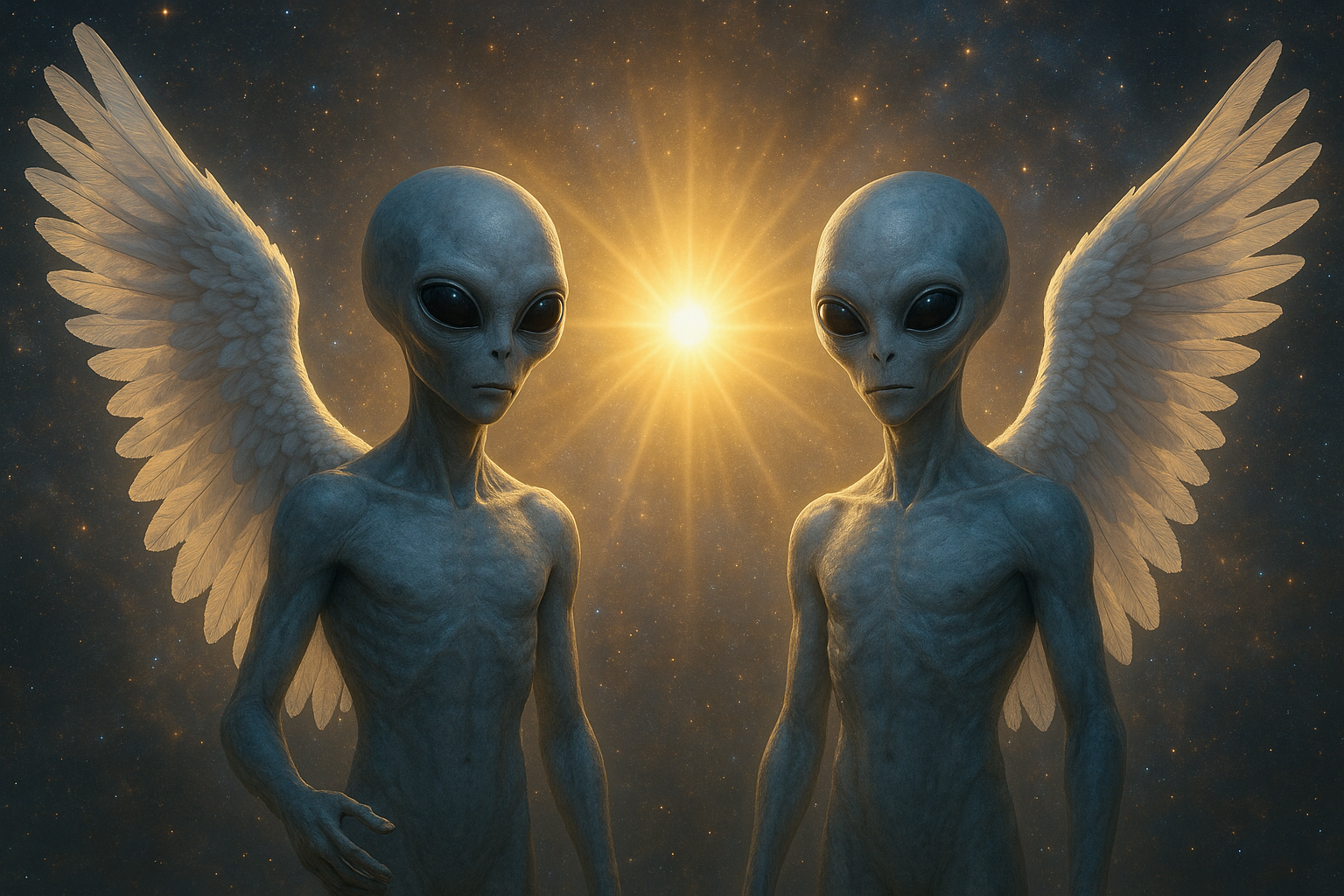
    In various spiritual texts and teachings, there is often a blending of identities between angels and aliens. Angelic descriptions in religious lore sometimes parallel accounts of alien sightings, both depicting beings of immense light and energy. This similarity leads to speculation that divine messengers and visiting aliens might be two interpretations of the same phenomenon.

    • Angels are often described as luminous beings with wings, facilitating communication between the divine and earthly realms.
    • Aliens, as described in countless UFO encounters, are often perceived as advanced, ethereal entities capable of transcending human limitations.

    Whether these connections are literal or symbolic, they fuel the imagination and deepen our curiosity about potential life beyond our earthly existence. Maintaining an open mind to these possibilities invites a richer understanding of our place in the universe.

    As the solstice approaches, individuals and communities worldwide prepare to engage with this sacred time. Whether through ancient rituals, meditative practices, or simply observing the natural transition, people seek to harmonize with the universe’s rhythms. Who knows—perhaps in doing so, we might unknowingly participate in a cosmic collaboration of angelic and alien proportions.

    For those interested in exploring the intersection of spirituality, science, and extraterrestrial life, continue reading more on this topic in resources like Gaia or explore the works of scholars who have bravely delved into these cosmic mysteries.

  • Demonic Dissociation – Depersonalization of the Infernal

    Demonic Dissociation – Depersonalization of the Infernal

    Demonic Dissociation: Depersonalization of the Infernal

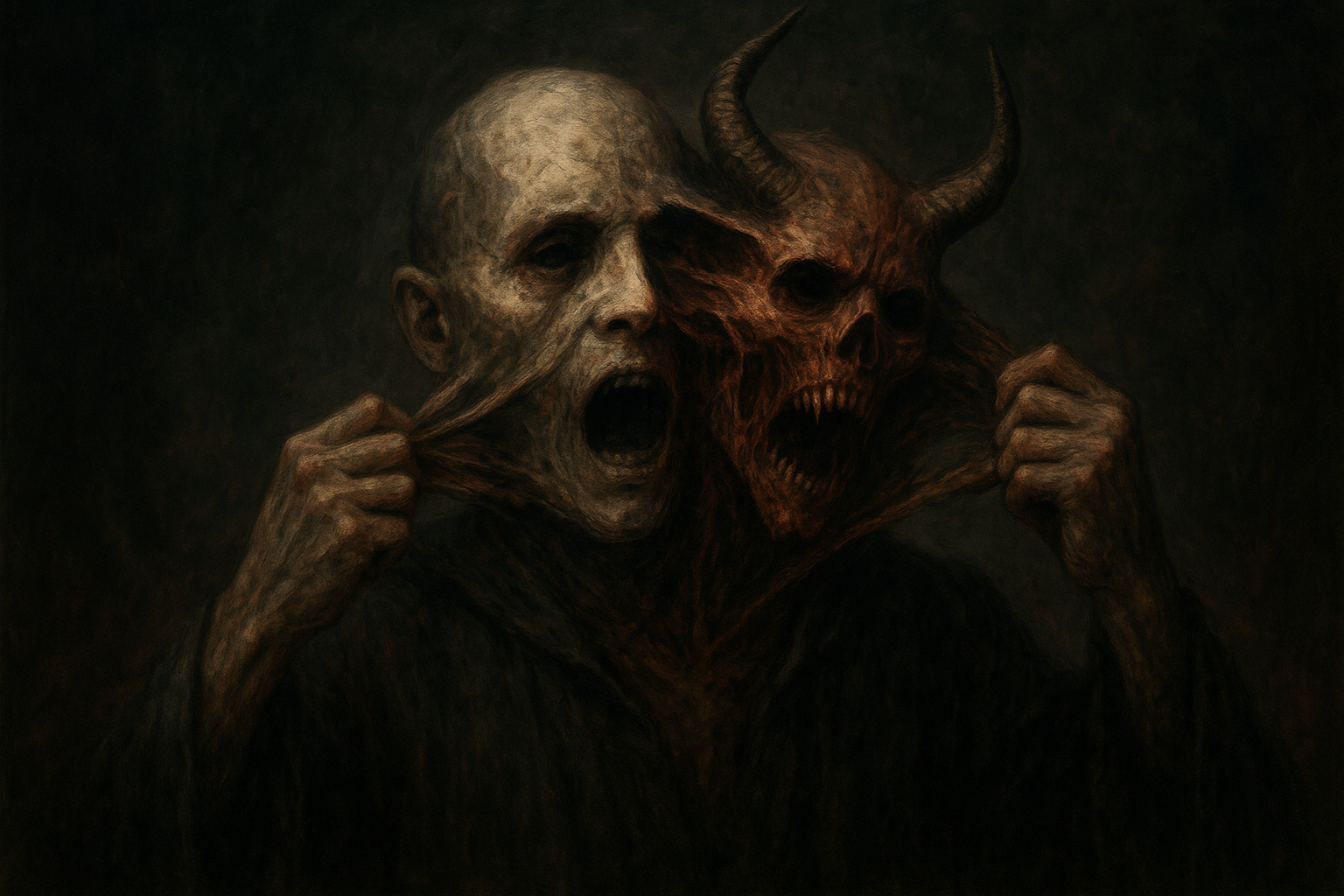
    In the realm of psychological phenomena and supernatural lore, the concept of demonic dissociation draws a captivating parallel between ancient beliefs and modern-day mental health issues. This intriguing intersection explores the notion of demons possessing or influencing individuals, leading to a state akin to depersonalization. By examining both historical texts and contemporary psychological research, we can better understand how these ideas coexist and intertwine.

    The Essence of Demonic Influences

    The belief in demonic influences is as old as humanity itself, spanning various cultures and religions. Traditionally, demons have been regarded as malevolent supernatural entities intent on causing harm or chaos. These entities are often portrayed as influencing or possessing individuals, leading to unusual or harmful behaviors. In many religious texts, exorcisms are prescribed to rid a person of such an influence, a testament to the deeply rooted fear and awe surrounding demonic possession.

    • A key characteristic of traditional demonic possession involves individuals exhibiting behaviors or speaking in languages unknown to them, suggesting a distinct separation from their usual selves.
    • Historical accounts, such as the Demonology by King James I, describe exorcisms and the perceived science behind identifying and expelling demons.

    Depersonalization in Modern Psychology

    Depersonalization, a term widely recognized in modern psychology, refers to a state in which individuals feel disconnected or estranged from their own self. This phenomenon is part of the broader category of dissociative disorders, which also includes amnesia and identity disturbances.

    • According to the American Psychiatric Association, individuals experiencing depersonalization might feel as if they are observing themselves from outside their body, leading to a distorted sense of identity.
    • Symptoms can be triggered by extreme stress, trauma, or psychological distress, and the condition can persist, affecting daily life and functioning.

    The Parallels Between the Infernal and the Psychological

    On exploring the intersections between historical demonic possession and modern depersonalization, a fascinating question emerges: Could ancient descriptions of possession be early interpretations of psychological dissociation? Both experiences involve a profound sense of alienation from one’s identity and an observable change in behavior.

    `There is a growing interest in the overlap between psychological dissociation and religious experiences,” notes Dr. Elaine Fox, a leading psychologist specializing in the study of emotion and cognition. “Understanding why the mind dissociates can provide insights into both psychological and spiritual experiences.`

    “The supposed possession by demons may reflect the severe dissociation triggered by trauma or distress, being culturally interpreted according to the worldview of the time.” — Dr. Elaine Fox

    Cultural Perceptions and Implications

    The persistence of demonology in popular culture underscores the ongoing intrigue surrounding these phenomena. Films, books, and television series often explore themes of demonic possession not only as entertainment but also as a metaphor for inner turmoil and identity crises.

    • The 1973 film The Exorcist is a classic example, portraying possession with dramatic flair while tapping into the universal fear of losing one’s sense of self.
    • Similarly, texts like The Demonologist by Andrew Pyper explore the psychological and supernatural aspects of possession, suggesting parallels between historical demonic encounters and present-day mental health issues.

    Convergence and Understanding

    To reconcile these narratives of demonic possession and psychological dissociation, one must consider both cultural and scientific perspectives. From the depiction of demons as forces of evil in religious texts to the clinical analysis of dissociation in psychology, both fields attempt to address an age-old question of identity and agency.

    The demonic serves as a potent symbol for aspects of the psyche that remain unknown or repressed, and thus feared. By understanding these symbols, we not only gain insight into historical worldviews but also enrich our understanding of the mind’s complexities and vulnerabilities.

    As scholars continue to explore these connections, bridging ancient beliefs with modern science, the conversation may pave the way towards a more holistic understanding of human consciousness. In doing so, it challenges us to confront and embrace the darker facets of our psyche, whether demonized or dissociated.

    Conclusion

    While demonic dissociation remains a largely theoretical concept, its exploration reveals much about cultural interpretations of identity and mental health. The bridges between historical and contemporary understandings of self-estrangement offer valuable insights into the human condition. As we delve deeper into this crossover of beliefs and science, we inch closer to unraveling the mysteries of our own minds.

  • Death’s Whisper – Petit Mort in Human Experience

    Death’s Whisper – Petit Mort in Human Experience

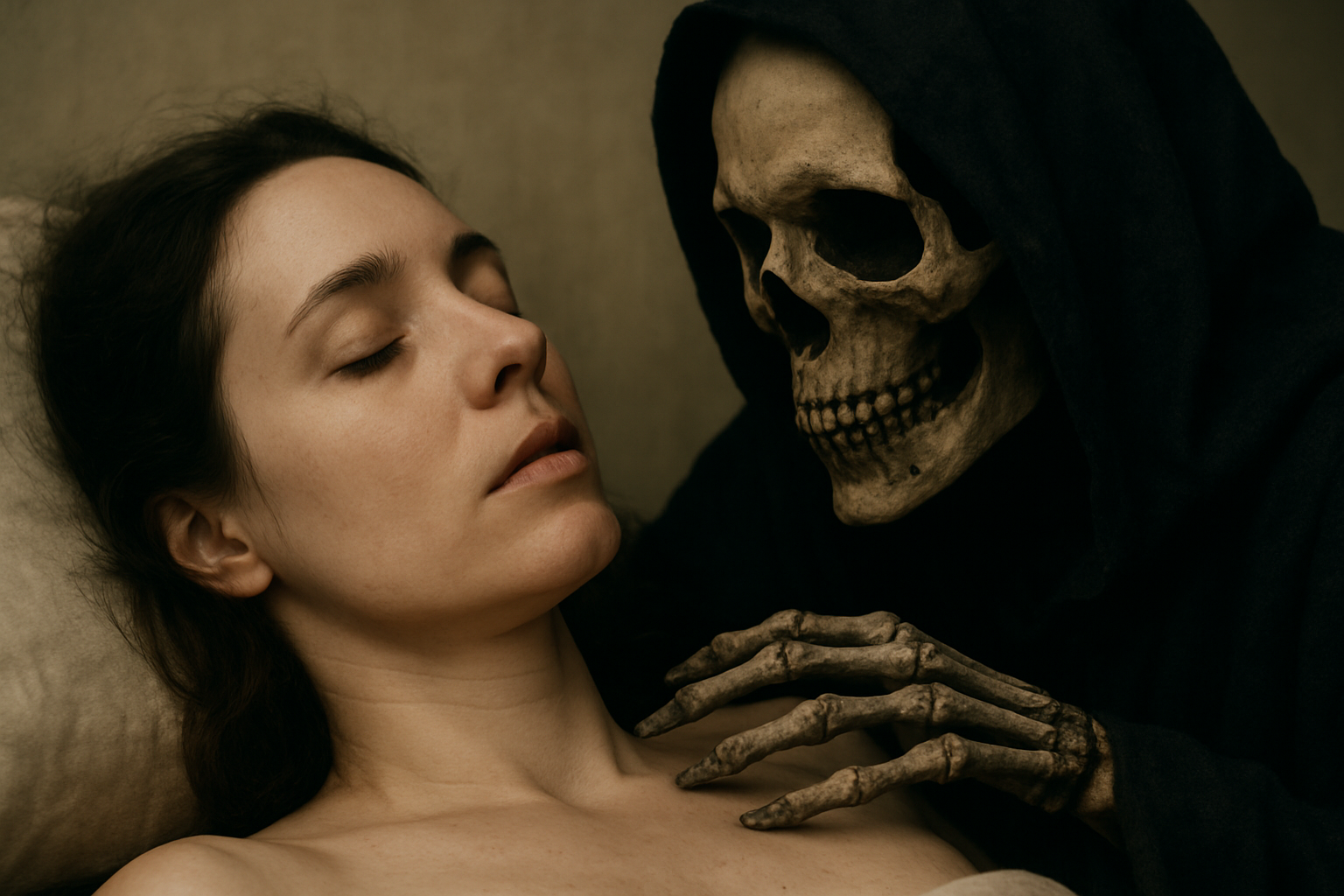
    Throughout history, humans have been fascinated by the idea of la petite mort, a French term that translates to “the little death,” often used to describe the aftereffects of an orgasm. This term poetically encapsulates the momentary sensation of losing oneself or one’s consciousness, associating sexual climax with a mock death.

    Historical Context of La Petite Mort

    The concept of la petite mort dates back to ancient cultures that explored the connection between physical ecstasy and transcendental experiences. From ancient Greece to Eastern philosophies, the idea of a spiritual release that mimics death emerged as a recurring theme.

    “Sex is the consolation you have when you can’t have love.” – Gabriel García Márquez

    This idea is reflected in many pieces of art and literature, suggesting a much deeper connection between life, death, and sexuality than commonly acknowledged.

    Scientific Perspectives

    From a scientific standpoint, the phrase “little death” serves as a metaphor for the body’s physiological response to sexual orgasm. Research into the orgasm shows significant parallels with states of unconsciousness, often focusing on the role of hormones:

    • Oxytocin and Endorphins: These hormones flood the body during orgasm, inducing feelings of pleasure and relaxation. The “high” experienced post-orgasm can lead to a blissful state akin to losing oneself.
    • Prolactin: Levels of prolactin increase following orgasm, which can cause feelings of drowsiness and exhaustion, resembling a temporary state of “death.”

    The link between these hormones and their effects mirrors the age-old idea of a little death leading to a temporary release from worldly concerns.

    Philosophical Interpretations

    Philosophers have long contemplated the nature of consciousness and the significance of losing it, even if for a moment. French philosopher Georges Bataille eloquently expanded the term to include a broader existential dimension, asserting that these moments highlight our mortality and connection to the universe.

    “I believe that truth has only one face: that of a violent contradiction.” – Georges Bataille

    Bataille believed that these brief moments of personal obliteration were not just physical but spiritual as well, allowing us to glimpse the edges of life and death.

    La Petite Mort in Culture and Literature

    From Shakespeare’s works to modern literature, la petite mort frequently surfaces as a motif symbolizing the deep, mysterious link between sex and death. The idea appears in classic texts and has been a theme in various art forms:

    • Literature: Writers such as Emily Dickinson and D.H. Lawrence have explored themes of death and rebirth through intimate human connections, using sex as a narrative device to bridge these existential concepts.
    • Visual Art: Painters like Gustav Klimt and Edvard Munch gripped by understanding both sensuality and mortality often depicted figures in poses suggesting sleep or death intertwined with sexual tension.
    • Film: Cinematic representations often leverage the trope of la petite mort, underscoring the powerful and occasionally dangerous liaisons between characters.

    Religious and Spiritual Views

    Religious interpretations of orgasm and death have historically been split between fear and reverence. Mystical traditions often regard sexual union as a form of divine communion or a bridge to transcendence. For some:

    • Taoism: Practices like Tantra emphasize the spiritual significance of climax as a union of energies, supporting the idea of sex as a doorway to enlightenment.
    • Catholic Mysticism: Saints like Teresa of Avila described their ecstatic visions as both a spiritual and physical surrender to God, which mirrors the duality of orgasmic experiences.

    The Psychological Impact

    Psychologically, many associate la petite mort with vulnerability and intimacy. During orgasm, the release and surrender that occur can break down barriers, fostering a profound connection with one’s partner.

    “The mind is its own place, and in itself can make a heaven of hell, a hell of heaven.” – John Milton

    Intimacy at this level can provoke heightened emotional states and may bring individuals closer to experiencing the impermanence that defines human life.

    Modern Implications and Conversations

    Today, the conversation around la petite mort extends to understanding personal fulfillment and overall well-being. The concept offers insights into modern discussions on:

    • Sexual Health: By acknowledging the broader implications of orgasm, people may develop a more fulfilling approach to their sexual health beyond mere physicality.
    • Mental Health: Understanding the psychological facets of intimacy can aid in addressing issues such as anxiety, depression, and loneliness, highlighting sex as a source of healing.

    The recognition of la petite mort bridges the gap between ancient wisdom and contemporary understanding, emphasizing sex as not just a physical interaction but a transformative, even sacred experience.

    Conclusion

    The exploration of la petite mort reinforces the inherent link between life, death, and the fleeting moments in between. As humans continue to expand their understanding of these experiences, the intertwining of sexuality and mortality remains an ever-present reminder of our quest to understand the deeper truths of existence.

    For more readings on this topic, visit Encyclopedia Britannica.

  • Infernal Whispers – Demons and the Arcane

    Infernal Whispers – Demons and the Arcane

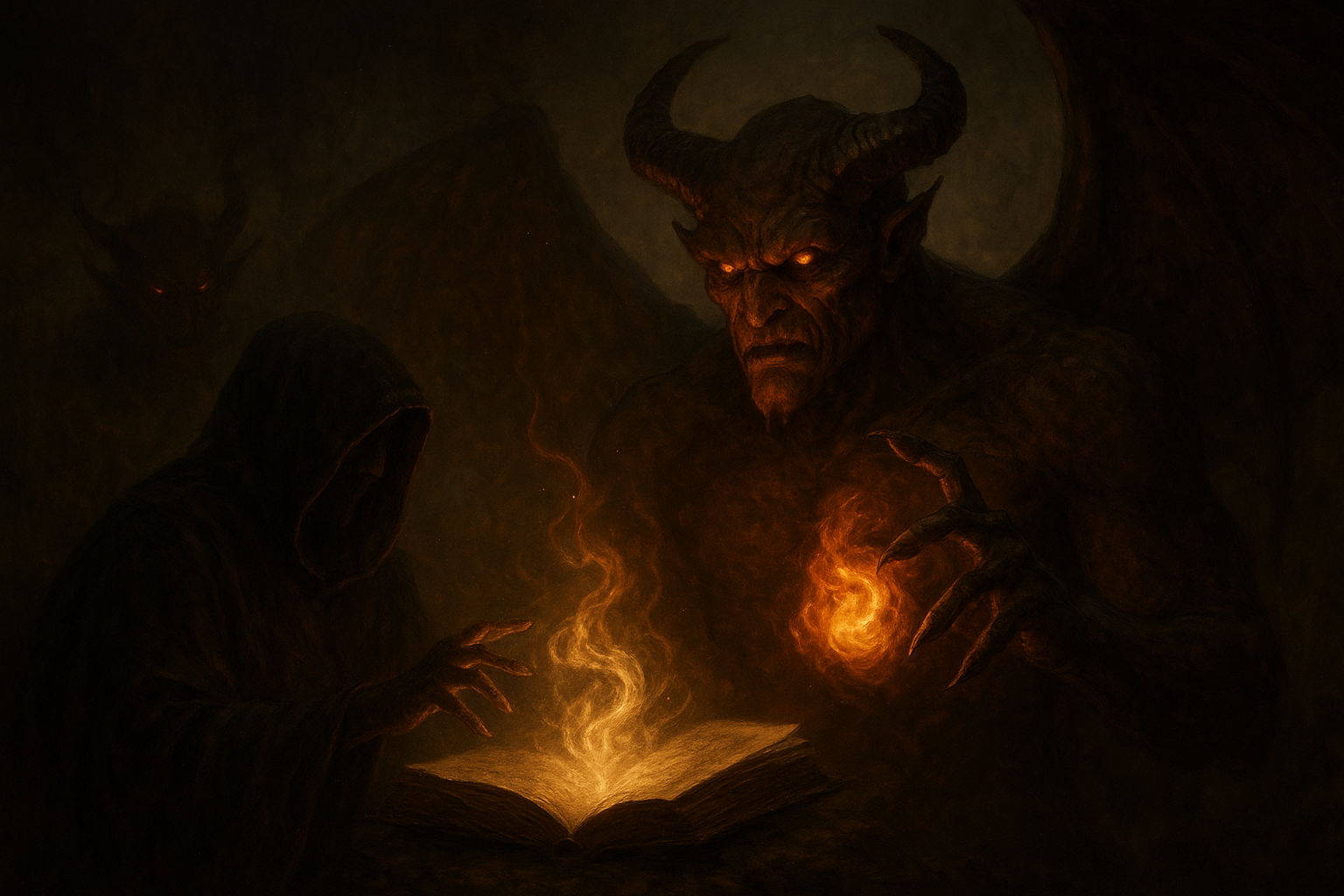
    The realms of the arcane are often shrouded in mystery and fear, as they venture into territories unknown and infamously dominated by demons, those malevolent beings purported to lurk in the shadows of our reality. The relationship between demons and the arcane arts is a complex web of power dynamics, human ambition, and spiritual peril.

    The Origins of Demonic Lore

    Demons have been a part of human mythology and religious literature for millennia, appearing in ancient texts such as The Epic of Gilgamesh and the Bible. These beings are often portrayed as malevolent creatures, intent on sowing chaos and destruction. In Christian theology, demons are seen as fallen angels, led by the infamous Lucifer in his rebellion against God. This narrative has profoundly influenced Western culture’s perception of demons as sinister and corrupters of the soul.

    Meanwhile, other cultures also have their interpretations of demonic entities. In Hinduism, asuras are aggressive spirits often at odds with the devas, representing a dichotomy between chaos and order. The folkloric tales from diverse cultures collectively contribute to a rich tapestry of demonic mythos, each understanding inferring different attributes and intentions to these beings.

    Arcane Arts and Their Practitioners

    Practitioners of the arcane arts, or mages, have historically been depicted as figures that straddle the worlds of reality and the supernatural. Armed with an understanding of ancient rituals and spells, they wield powers that can heal or harm, create or destroy.

    J.K. Rowling, the renowned author of the Harry Potter series, provides a modern take on the arcane, describing a world where magic is both a gift and a responsibility. She writes,

    “Magic is a particularly tricky business. It sometimes has an outcome that you least expect.”

    (source: J.K. Rowling Official Site).

    The allure of the arcane lies in its potential to transcend the ordinary. However, this power often comes at a steep price. Literature and folklore frequently caution that the pursuit of arcane knowledge can lead to unintended consequences, such as pacts with demons, which promise power but envelop the soul in darkness.

    Demons in Contemporary Fiction

    Contemporary fiction continues to explore the intriguing interplay between demons and magic. Novels such as Cassandra Clare’s The Mortal Instruments series and Neil Gaiman’s Good Omens (co-authored with Terry Pratchett) portray demons as multifaceted characters, sometimes even possessing the capacity for good.

    Cassandra Clare emphasizes the moral ambiguity of demons. In an interview, she noted,

    “Demons can represent the internal struggles we face, those parts of ourselves we must confront and understand.”

    (source: Cassandra Clare Official Site).

    Similarly, Neil Gaiman and Terry Pratchett’s Good Omens whimsically dances with the concept of demonic entities, depicting them not as intrinsically evil but as beings with their own agendas, capable of surprising humanity with acts of kindness.

    The Risks of Summoning

    The act of summoning demons is a risky endeavor within the realm of the arcane arts. Summoners may seek the aid of demons for a plethora of reasons—knowledge, power, revenge, or love—but the peril lies in the costs associated with these deals. Often depicted in literature as cunning bargainers, demons are masterful at exploiting human frailties and desires to their advantage.

    In The Master and Margarita by Mikhail Bulgakov, the arrival of the demonic figure Woland in Soviet Russia illustrates the seductive but ultimately destructive nature of demonic pacts, as he manipulates those around him, leaving chaos and insight in his wake.

    Concluding Thoughts

    The narrative of demons and the arcane is one that resonates with many due to its exploration of the eternal struggle between light and dark, good and evil. As we wrap ourselves in tales of magic and the macabre, we are reminded not only of the possibilities suggested by the arcane but also of the boundaries that guard against the unknown.

    Whether depicted as terrifying creatures or misunderstood forces, demons continue to capture our imagination, reflecting our deepest fears and desires through the mirror of myth and magic. As our world continues to evolve, so too will the legends of demons and the arcane, serving as a cautionary tale and scintillating curiosity from which we may all learn.

  • Emptiness Between Stars – Mystery in the Void

    Emptiness Between Stars – Mystery in the Void

    Emptiness Between Stars: Mystery in the Void

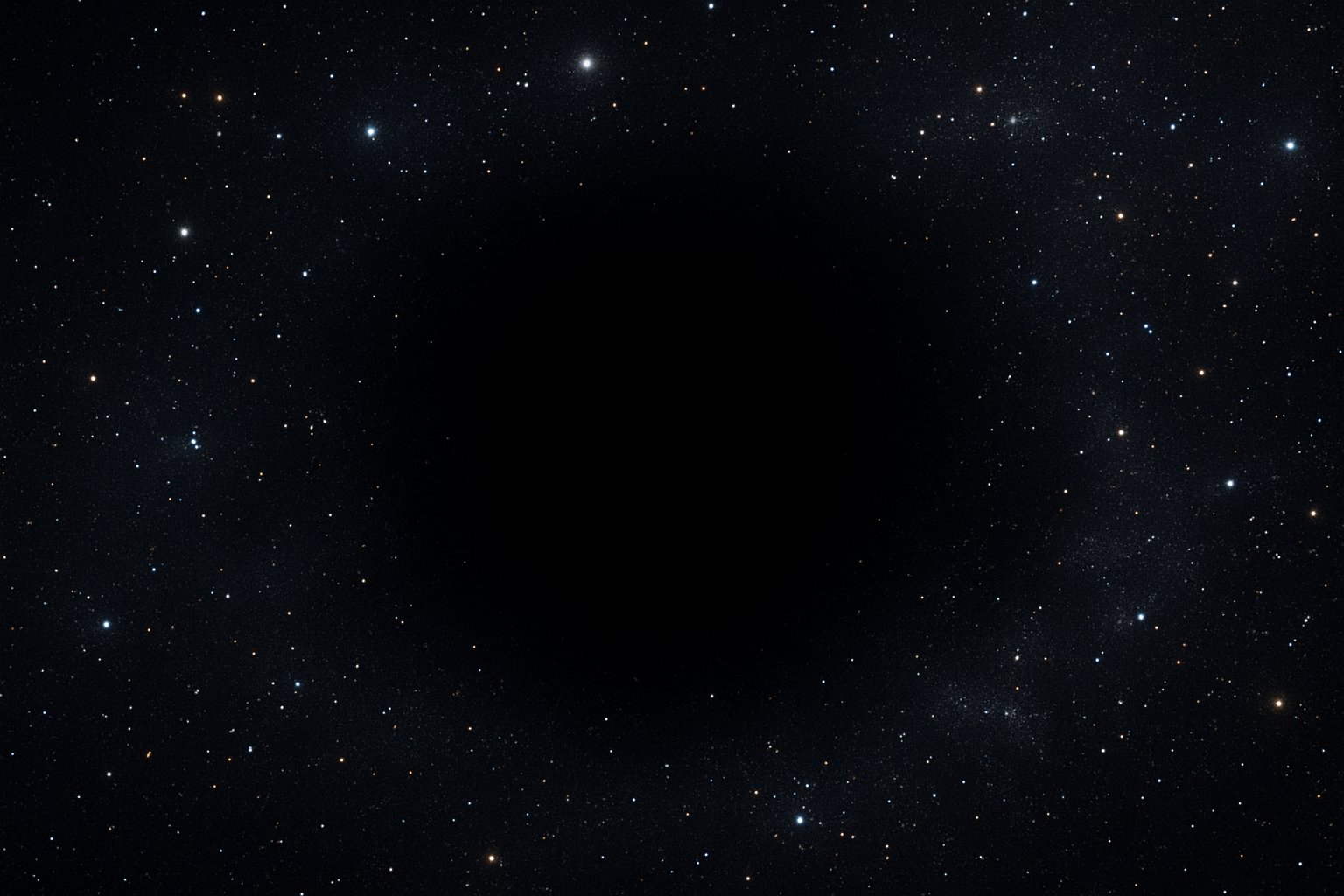
    The universe is an ever-expanding void, filled with celestial bodies that have fascinated humankind since time immemorial. However, what’s even more intriguing than these stellar phenomena is the vast emptiness that surrounds them—the seemingly endless stretch of nothingness that scientists have dubbed interstellar space. Although it is often overlooked amidst the brilliance of stars and galaxies, this profound emptiness between stars holds the deepest mysteries of our cosmos.

    The Nature of Interstellar Space

    Interstellar space is the region beyond the outer boundary of the solar system’s influence, a domain where the Sun’s gravitational pull gives way to the dynamics of the Milky Way galaxy. In terms of volume, it dominates our galaxy, yet it is populated by sparse specks of matter, remnants of supernovae, and invisible forces that we are only beginning to understand. This cosmic void is not entirely devoid of matter or energy—particles of gas and dust, magnetic fields, and cosmic rays wander through it, creating a rich medium for exploration.

    “Space is hard—and it is because we are standing at the epoch of new space exploration that we are confronted more than ever with the crunchiness of the universe that lies beyond.” — Nicole Stott, NASA Astronaut

    The Interstellar Medium

    At the heart of the mystery of interstellar space lies the interstellar medium (ISM), a tenuous collection of gas, dust, and energetic particles. Approximately 99% of the ISM consists of gas in ionic, atomic, and molecular forms, while the remaining 1% is made up of dust particles. Although sparse, this medium plays a crucial role in the life cycle of stars, acting as both a womb and a grave for these celestial giants.

    • Cosmic Clouds: The ISM isn’t homogeneous; instead, it forms vast clouds known as nebulae. These cosmic entities serve as the birthplaces of stars and planets, with their gravitational collapse leading to the formation of these bodies.
    • Stellar Nurseries: The most famous of these stellar nurseries, like the Orion Nebula, paint a picture of how this seemingly void space can become a cradle for new stars.

    Understanding the ISM’s composition and behavior is key to unravelling the nature of star formation and the dynamics of galactic evolution.

    Mysteries in the Void

    The vast emptiness between stars also raises numerous questions—a dance of mystery and knowledge. Among the most fascinating of these are the concepts of dark matter and dark energy, enigmatic forces thought to make up the majority of our universe.

    • Dark Matter: Unlike baryonic matter (the ordinary matter that makes up planets, stars, and galaxies), dark matter does not interact with electromagnetic forces, making it invisible and detectable only through its gravitational effects.
    • Dark Energy: Even more perplexing, dark energy is hypothesized to be responsible for the universe’s accelerated expansion, a discovery awarded the Nobel Prize in Physics in 2011.

    “We know that dark matter makes up about 27% of the content of the universe. The only problem is, we don’t know what it is.” — Jan Tauber, European Space Agency

    These invisible phenomena suggest that the empty spaces between stars may not be as empty as they seem, hiding forces that could fundamentally alter our understanding of physics and the universe itself.

    The Voyagers’ Journey Through the Void

    No discussion of interstellar space would be complete without mentioning humanity’s first forays into the void—the Voyager spacecraft. Launched in 1977, Voyagers 1 and 2 have traveled beyond the heliosphere, our Sun’s domain, into interstellar space. These craft have provided invaluable data about the properties of the void and continue to push the boundaries of human exploration.

    • Pioneering Discoveries: The Voyagers have measured changes in particle densities, magnetic fields, and cosmic rays, offering direct evidence of the ISM’s elusive nature.
    • Endurance in Space: Their longevity and the continuous data they provide are testaments to human ingenuity, acting as beacons of exploration beyond our solar neighborhood.

    “Every time we obtain a new data set, we find ourselves asking more questions.” — Ed Stone, Voyager Project Scientist

    As the Voyagers journey onwards, they symbolize the flame of curiosity that drives us to explore and understand these cosmic blank slates.

    The Philosophical Implications of Emptiness

    The notion of emptiness carries profound philosophical implications transcending the boundaries of science. Throughout history, space has been a metaphor for infinity, an infinite backdrop to our existence that has fueled both existential pondering and artistic expression.

    The Cosmic Perspective:

    • Renowned astrophysicist Carl Sagan eloquently summarized this notion: “The cosmos is within us. We are made of star-stuff. We are a way for the universe to know itself.” Sagan’s words emphasize our intrinsic connection to the universe, encouraging us to reflect on our place within it.
    • The void inspires not only scientific inquiry but also existential thought, prompting questions about our role in a seemingly indifferent universe.

    Whether through the eye of a telescope or the lens of philosophical inquiry, the emptiness between stars challenges us to look beyond the confines of our blue planet and reach for answers in the great unknown.

    Looking Forward

    The empty spaces between stars hold questions that beckon future generations of astronomers and philosophers alike. As our technology progresses, new missions and telescopes may one day peer deeper into the void, uncovering secrets that have been veiled by darkness and distance.

    As the universe continues to expand, so too does our understanding. The emptiness between the stars is more than just nothingness—it is a tantalizing invitation to explore, to discover, and to contemplate the infinite possibilities that lie within the shadowy realms of space.

  • The Labyrinth of the Gods – Myth and Metaphor

    The Labyrinth of the Gods – Myth and Metaphor

    Throughout human history, myths and metaphors have served as the guiding threads through the labyrinthine corridors of cultural identity and existential inquiry. The labyrinth, a poignant symbol that runs deep within the mythologies of various civilizations, embodies both a physical and spiritual journey toward self-discovery and understanding of the divine.

    Origins of the Labyrinth

    The most celebrated labyrinth in myth is perhaps the one on Crete, described in Greek mythology. Built by the master craftsman Daedalus, it was a bewildering double maze intended to contain the Minotaur, a creature with the body of a man and the head of a bull. This myth speaks volumes about the complexity inherent in the relationship between humans and gods, illustrating the struggle of man against fate and divine intervention.

    “In the Labyrinth, the Minotaur represents more than monster or man – it is the symbol of our potential for both destruction and rebirth,” says Joseph Campbell, a preeminent scholar of mythology.

    The Labyrinth as Metaphor

    The labyrinth also serves as a powerful metaphor for the human quest for knowledge and enlightenment. The journey through the labyrinth is akin to the journeys that individuals undertake in their personal lives – filled with twists, turns, and sometimes, daunting dead-ends. It mirrors the spiritual path, where each step is fraught with challenges that test our resolve and character.

    In literature and psychology, the labyrinth motif is often used to explore the complexities of the mind. The psychoanalyst Carl Jung viewed the labyrinth as a model of the unconscious: an intricate structure within which the self is hidden and through which one must navigate to achieve individuation. Jung’s work is profoundly woven into myriad discussions about the symbolism of the labyrinth as both a puzzle and a journey towards self-realization.

    Labyrinths Across Cultures

    The motif of the labyrinth is not restricted to Greek mythology alone. Various cultures have constructed labyrinths, each with its own unique interpretation:

    • Nordic Mythology: The Vikings carved labyrinthine designs to symbolize protection and ensure safe passage. These Troy Towns were believed to trap malevolent spirits or to confuse and fend off what was evil.
    • Native American Traditions: The Hopi people envisioned labyrinths as symbolic of Mother Earth’s womb, highlighting birth, life, death, and rebirth.
    • Christian Symbolism: In the Middle Ages, labyrinths were used in cathedrals, such as the famous Chartres Cathedral in France, serving as a path for pilgrimage and reflecting the soul’s journey toward salvation.

    Relevance in Modern Mythology and Media

    The labyrinth continues to be a prevalent theme in modern storytelling and media, serving as a universal symbol of introspection and transformation. From novels and films to interactive video games, the motif remains deeply embedded in narratives where protagonists must navigate their internal and external labyrinths to emerge changed or enlightened.

    Take, for instance, the film Pan’s Labyrinth by director Guillermo del Toro. It deftly intertwines mythical elements with reality, positioning the labyrinth as a place of moral and spiritual testing, a place where the boundaries between the real and the surreal blur.

    “I have a complicated relationship with fantasy and mythology, and what I love about the image of the labyrinth is that it is both a trap and a way out,” explains del Toro (IndieWire).

    The Timeless Appeal of the Labyrinth

    The labyrinth’s endearing allure lies in its dual purpose: it serves as both a dwelling of transformation and an unraveling of the divine mystery. As we venture through our personal labyrinths, the myths and metaphors invite us to reflect upon our own journeys, much like Theseus, guided by the thread of Ariadne, mustered the courage to navigate darkness and confrontation with the Minotaur.

    In this ongoing dialogue between the metaphysical and the tangible, the labyrinth remains a testament to the ever-evolving relationship between mankind, its inner psyche, and the divine. It bridges the age-old stories of gods and heroes with our modern quest for meaning, identity, and connection.

  • The Infernal Mirror – Demons Reflecting the Self

    The Infernal Mirror – Demons Reflecting the Self

    The Infernal Mirror: Demons Reflecting the Self

    For centuries, demons have plagued the imagination, serving as both terrifying adversaries and potent symbols of humanity’s inner struggles. Whether through literature, art, or religion, these diabolical figures manifest an intricate web of meanings that reflect the multifaceted nature of human psychology and morality.

    The Historical Context of Demonic Imagery

    Demons have been a significant part of mythologies and religions throughout history. From the Assyrian Alû spirits to the malevolent forces described in the New Testament, these entities have personified the darker aspects of the human condition. As Jeffrey Burton Russell, a prominent historian of theology, states, “Demons reflect the social, psychological, and moral dilemmas of their times” (Harvard University Press).

    The role of demons evolved from mere external threats to intricate symbols that cast a spotlight on human imperfections and fears. In many early texts, they were seen as literal beings causing havoc, while later interpretations view them as metaphors for internal battles.

    Psychoanalytic Perspectives: Demons as Archetypes

    The psychoanalytic approach offers a compelling framework for understanding demons as projections of the self. Sigmund Freud’s theories on the subconscious mind suggest that our deepest fears and desires often manifest as external symbols. Carl Jung expanded on this by introducing the concept of archetypes.

    “Demons are symbolic of the shadow – the repressed aspects of our psyche that we refuse to acknowledge.” – Carl Jung

    In Jungian analysis, the shadow is a part of the unconscious mind composed of repressed weaknesses and instincts. When these elements remain unexamined, they can project outwardly in the form of ‘demons,’ representing the struggle between our conscious ideals and subconscious drives.

    Demons in Literature: A Mirror to Morality

    Literature has long been a medium through which the struggle between good and evil is explored. Demonic figures in stories often serve as mirrors of the protagonists’ internal conflicts and societal dilemmas. In John Milton’s “Paradise Lost,” Satan is depicted not just as the ultimate evil but as a complex character embodying rebellion, pride, and ambition.

    William Blake, a well-known critic of Milton, argues that Milton was “of the Devil’s party without knowing it,” suggesting that the poet subconsciously aligned more with Satan’s rebellious nature than with divine authority. This notion underscores how demons can symbolize the attractive yet destructive qualities within ourselves.

    Religious Interpretations: Redemption and Damnation

    In religious contexts, demons often embody the struggle between sin and virtue. The Catholic Church’s depiction of demonic possession symbolizes a soul at war, torn between divine grace and mortal sin. Exorcisms traditionally serve as rituals of purification, the ultimate battle between good and evil fought within the individual.

    Father Gabriel Amorth, a renowned exorcist, described in his writings that “demons are terrifying reminders of the consequences of human error and the potential for redemption through faith” (Catholic Education Resource Center).

    The Artistic Depiction: A Reflection of Culture

    In art, demons have been depicted in myriad forms, reflecting cultural attitudes toward sin, morality, and human nature. The Medieval period saw an intense focus on demonic forms as both literal creatures of Hell and allegories for earthly vices. Hieronymus Bosch’s nightmarish landscapes and figures represent not only religious warnings but also a mirror to the human imagination.

    Mary Douglas, a social anthropologist, observed that “artistic depictions of demons often reflect societal boundaries, embodying the chaos and disorder that lie just beyond the borders of accepted norms” (Oxford Reference).

    The Modern Demon: Technology and Isolation

    In contemporary society, demons have taken on new forms, often embodying the challenges presented by modern technology and urban isolation. Films and literature explore themes of technological corruption, where artificial intelligence and digital landscapes spawn new ‘demons’—manifestations of our fear of losing control to an increasingly automated world.

    For instance, the demon in Fyodor Dostoevsky’s The Possessed can be seen as a precursor to modern interpretations of societal upheaval and ideological madness, reflecting fears of personal and communal transformation.

    Conclusion: The Everlasting Presence of Demonic Reflection

    Demons, in their myriad forms, continue to serve as powerful symbols reflecting the deepest conflicts within the human soul. Their presence persists as a testament to our continued struggle with personal and societal challenges. As external manifestations of our inner fears and desires, demons compel us to confront aspects of the self that we would rather hide.

    From ancient texts to modern cinema, these infernal reflections question, challenge, and ultimately, illuminate the complexities of the human experience.

    As we continue to evolve, so too will our demons, adapting to new contexts and challenges, yet always holding up the mirror to our innermost beings, forcing us to question who we are and what we might become.
  • Celestial Messengers – Angels Between Dimensions

    Celestial Messengers – Angels Between Dimensions

    Celestial Messengers: Angels Between Dimensions

    Throughout history, angels have been prominent figures in various religious and spiritual traditions. Often depicted as divine messengers, these celestial beings are believed to exist between the human world and higher dimensions. But what role do they play in our lives, and how have they been perceived across cultures?

    The Role of Angels in Religious Texts

    In many religious texts, angels are portrayed as intermediaries between humans and the divine. The Bible frequently references angels delivering God’s messages to humans, as in the story of Gabriel announcing to Mary that she would bear the Son of God.

    “The angel went to her and said, ‘Greetings, you who are highly favored! The Lord is with you.’” – Luke 1:28

    Similarly, in Islamic tradition, angels (“malāʾika” in Arabic) are essential to the faith. According to Islamic belief, the angel Jibril (Gabriel) revealed the Quran to Prophet Muhammad.

    Angels Across Cultures

    Various cultures around the world have different interpretations and depictions of angels:

    • Hinduism: While the concept does not align directly with the Abrahamic traditions, deities and celestial beings like devas play a similar role.
    • Ancient Greece: The daimon or daemon was an intermediary spirit, somewhat akin to an angelic figure.
    • Indigenous Beliefs: Many indigenous cultures have spirit guides or ancestral spirits serving as protectors and messengers.

    The Concept of Angels in Modern Spirituality

    In contemporary spirituality, the belief in angels has transcended traditional religion, often embraced by individuals seeking guidance from higher dimensions. Angel therapy, which involves harnessing the perceived power of angels to heal and guide individuals, gained popularity due in part to figures like Doreen Virtue.

    “People love to believe in angels because they’re like a bridge between the known and unknown, seen and unseen. Angels are associated with goodness, purity, and bringing light.” – Doreen Virtue

    This movement typically promotes personal empowerment through the idea that angels can be invoked to assist in facing life challenges.

    Scientific Perspectives

    Despite a lack of empirical evidence, interest in the metaphysical aspects of angels has piqued some scientific curiosity. Several psychologists and researchers analyze why humans are drawn to angelic imagery and the notion of protective, otherworldly beings. For many, angels serve as a comforting symbol that transcends the limitations of the mortal world, offering hope and solace.

    “Humans have long been fascinated by the possibility of a higher power looking out for us. Angels personify the spiritual and emotional security that many people crave.” – Dr. Andrew Newberg, neuroscientist at the University of Pennsylvania

    Angels in Art and Literature

    Angels have been a source of inspiration in art and literature throughout history. From Renaissance paintings of cherubic beings to contemporary fiction featuring angels as protagonists, these celestial entities continue to captivate artists and audiences alike.

    • Art: During the Renaissance, artists like Michelangelo and Raphael depicted angels in their iconic frescoes and canvases, often using them to portray themes of divinity and salvation.
    • Literature: In John Milton’s Paradise Lost, angels play pivotal roles in the narrative, exploring themes of obedience and rebellion.

    The Enduring Mystery of Angels

    Angels remain enduring symbols of the mystical and the divine across human history. Whether as guardians, messengers, or guides, they represent humanity’s timeless quest for connection with something greater. While their existence between dimensions may lack scientific substantiation, their presence in cultural and spiritual consciousness endures, continuing to intrigue and inspire.

    As our understanding of the universe expands, the question of angels existing between dimensions may someday find ground in science or remain a cherished mystery of human belief.

  • The Aesthetics of Ruins – Beauty in Death of Stone

    The Aesthetics of Ruins – Beauty in Death of Stone

    Ruins have fascinated humanity across the ages, acting as poignant reminders of past civilizations, lost grandeur, and the relentless passage of time. The remnants of ancient structures, from crumbling cathedrals to deserted castles, evoke a complex mixture of emotions and thoughts. These stones, once a testimony to human ambition and ingenuity, now whisper stories of decline, showcasing the beauty inherent in the silent dance of decay.

    The Allure of Ruins

    To understand why ruins captivate us, one must delve into their aesthetic appeal. As philosopher and author Christopher Woodward explores in his book “In Ruins”, ruins do not merely represent the past; they allow us to dream. He writes, “Perhaps it is for their dreams that ruins are beloved: the dream of survival; the dream of destruction.” Ruins invite us to reconstruct history with our imagination, filling the gaps with possibilities while contemplating impermanence.

    The Dance of Nature and Time

    Over time, nature reclaims man-made structures, intertwining vines with stone and weaving roots through ancient brickwork. This interplay between human endeavor and nature’s reclaiming forces adds another layer of beauty to ruins. The renowned landscape architect John Ruskin noted the harmony between these elements, stating that, “There is no death where the fragrance of blossoms is about, and forms as sculptured stone, grown green with moss, are witnesses of all that is most beautiful.” The juxtaposition of fragile vines with steadfast stones highlights the resilience of both natural and architectural worlds.

    Romanticism and the Picturesque

    “Ruins are often the picturesque survival of events that were once the foreground of history.” — Woodward

    The Romantic movement of the late 18th and early 19th centuries celebrated the picturesque qualities of ruins. Artists and poets found inspiration in the melancholy beauty of decay, romanticizing ruins as symbols of the sublime and eternal struggle between civilization and nature. Paintings of Gothic abbeys or descriptions in poems conveyed a sense of awe and nostalgia. Renowned British poet Lord Byron captured this sentiment in his work when he mused over the “desolation of a mighty land,” reflecting on how ruins epitomized both beauty and tragedy.

    Ruins in Modern Culture

    In contemporary culture, ruins continue to invoke fascination and inspiration. As Paul Zucker explains in his book “Ruins: An Aesthetic Category”, the appeal lies in their ability to evoke feelings of timelessness and mystery. Cinematic portrayals often use ruins as backdrops to convey decay or loss, yet simultaneously serve as stages for renewal and rebirth.

    • Photography: Urban explorers frequently seek out abandoned sites, capturing the haunting beauty through their lenses. Instagram and social media bristle with images of dilapidated buildings, showcasing an art form that thrives in dereliction.
    • Literature: Writers explore themes of decay and resurgence within ruined landscapes, finding parallels in human experiences of growth and loss.
    • Video Games: The settings of various video games, from apocalyptic worlds to ancient fallen cities, draw players into narrative environments where the past is alive and interactive.

    The Philosophy and Reflection Ruins Offer

    Beyond mere physicality, ruins invite philosophical reflection. They challenge the notion of progress, prompting us to consider the impermanence of human endeavors. Georg Simmel, a German sociologist, observed in his essay “The Ruin”, that ruins symbolize a fusion of the forces of destruction and the gratitude of survival. They temper pride by reminding us of inevitable decline, yet they also assure continuity, their incomplete gestures left open to new meanings.

    The Future of Ruins: Preservation vs. Rebirth

    Contemporary discourse around ruins often centers on preservation versus abandonment. Some argue for the preservation of ruins as cultural heritage, their stories crucial to understanding humanity’s shared past. Others suggest allowing nature to take its course, viewing new growth as a form of rebirth. The debate raises ethical and philosophical questions about how we relate to the past and envision the future.

    Architect Juhani Pallasmaa suggests in his writings that when old walls crumble, they yield “an expanding sense of freedom and imagination.” His perspective advocates for a balance, where certain ruins serve as educational and aesthetic markers, while others are allowed to erode, contributing to the ecological tapestry.

    Conclusion

    Ruins possess an undeniable allure, offering a profound sense of beauty that transcends their material decay. They are timeless witnesses, standing between the past and the future, silent yet eloquent. As we ponder their tales, we confront our fragility and resilience, finding ourselves among the stones’ stories. Thus, the beauty of ruins does not merely lie in their death but in their testament to enduring ideas and enduring dreams.

  • The Silence Between Stars – Why the Void Feels Like Death

    The Silence Between Stars – Why the Void Feels Like Death

    When we gaze up at the night sky, we often marvel at the beauty of the stars, those distant points of light that punctuate the darkness. However, it’s not the stars themselves that captivate the most introspective among us, but rather the vast stretches of nothingness—the void that exists between them. This silence, this cosmic emptiness, evokes a profound existential reflection, one that is eerily akin to the notion of death.

    “The eternal silence of these infinite spaces frightens me,” said Blaise Pascal, encapsulating a common sentiment about the universe’s expanses.

    The Intimidating Silence

    The space between stars is not merely empty in a physical sense—it’s evocatively silent. Consider the void not as an absence of sound but as a presence of silence. This silence has a unique way of reflecting our own fears and uncertainties about life and death. It’s a mirror reflecting the depths of the universe while simultaneously revealing the limitations of our understanding.

    Why the Darkness Feels Like Death

    The void can feel like death because it echoes our primal fears. Here are a few reasons why these vast spaces affect us so:

    • Certainty vs. Uncertainty: In life, we yearn for certainty, for security and understanding. The spaces between stars challenge these desires by confronting us with the unfathomable.
    • Isolation: Many describe death as the ultimate isolation, a final departure into the unknown. Similarly, the cosmic void represents a separation from the warmth and awareness that light and life impart.
    • Timelessness: The void is ancient. It’s a direct reminder of the time before time, challenging our perception of existence within our brief, ephemeral lives.

    Scientific Mysteries and Philosophical Inquiry

    The mysteries of the void also captivate scientists and philosophers alike. For scientists, it represents an area of potential discovery. Dark matter and dark energy, which constitute the majority of the universe’s mass-energy content, remain elusive. As astrophysicist Avi Loeb notes, “We are but wayfarers on the shores of a vast cosmic ocean.” The unknown elements of the cosmos continue to invite inquiry, evoking both wonder and humility.

    On a philosophical level, the silence of the cosmic void propels us into deeper existential contemplation. As human beings, we are aware of our mortality and driven to seek meaning in our transient existence. The vastness of space offers no answers, only questions about the nature of our consciousness and our place in the universe. Is the silence of the stars a backdrop to our significance, or a reminder of our inconsequential presence?

    Finding Comfort in the Vastness

    Despite its intimidating nature, the vast emptiness of space also offers solace. Through meditation, one can overcome the fear associated with silence. In many spiritual practices, silence is valorized as a state of purity and enlightenment, a retreat into the self where external chaos dissipates.

    • Meditative Embrace: Engaging with the void meditatively can lead to a broader acceptance of death as a natural part of life. It helps us appreciate the continuity and unity of the universe.
    • Perspective Shift: Accepting the silence of the cosmos can shift our perspective, fostering gratitude and appreciation for the life and light we currently experience.
    • Creation of Meaning: The absence of inherent meaning in the void challenges us to create our own narratives and values.

    Conclusion

    The silence between the stars acts as a profound reminder of both the terror and beauty of our existence. It manifests our deepest fears while also inviting us to meditate on the wonders of the universe. As we contemplate the cosmic void, we are given a choice: to succumb to the fear of death’s isolation, or to find peace in the infinite potential that silence brings. In the words of poet Rainer Maria Rilke, “Let everything happen to you: beauty and terror. Just keep going. No feeling is final.”

    Whether we see the void as a reflection of death or as an invitation to marvel at the expanse of life is a choice that, ultimately, shapes how we define our own lives.