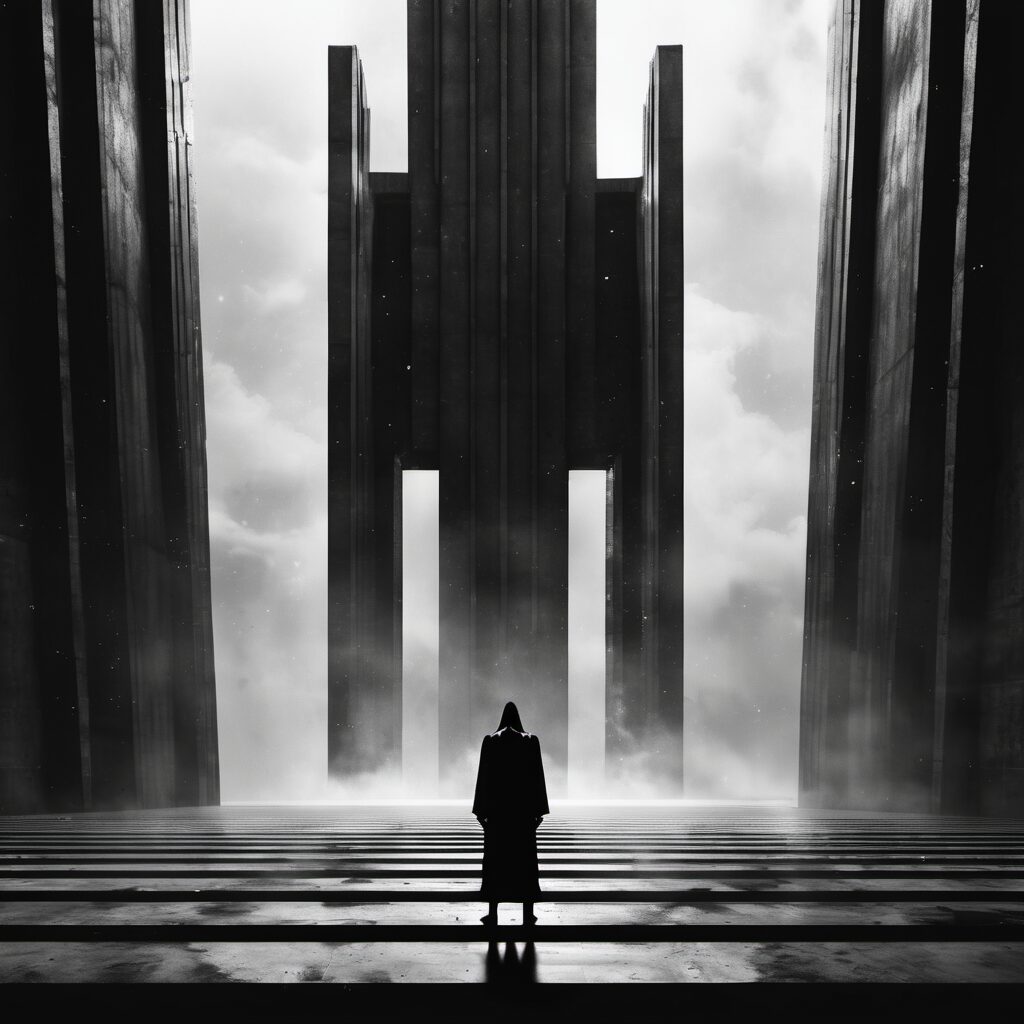
The hidden heavens in Catholic thought have long been overlooked by mainstream theologians, and yet they are an integral part of the tradition. These spiritual and theological dimensions are not just the realm of mystics and philosophers, but of everyday Catholics as well. The purpose of this article is to explore the hidden dimensions of Catholic theology, specifically those which focus on the spiritual aspects of heaven, purgatory, and hell. By examining the roles of each of these places in the theology of the Catholic Church, we will be able to gain a better understanding of how each of them can be an important part of our spiritual lives. The hidden dimensions of Catholic theology will be explored, so as to help the reader gain a better understanding of these mysteries.
Heaven
For centuries, Catholic theologians have been debating the nature of heaven, its location, and the nature of God’s relationship with it. In fact, one could argue that the entire Catholic worldview is centered around the idea of heaven and its existence. In Catholic theology, heaven is the ultimate goal of every person’s existence. It is the place where God will bring all of his children to live with him in perfect happiness and peace. In contrast, hell is the antithesis of heaven, the place where the wicked shall be punished.
According to Catholic theology, heaven is a place that was established by God for all of his creatures. It is a place where those who are blessed with the grace of God shall reside. In fact, Jesus Christ himself said that “God is not a God of the dead, but of the living,” meaning that the very idea of God’s existence is not based on the idea of him being dead. This is because God is alive, and is always there to assist his creations.
The Catholic Church teaches that there is a difference between God and his creation. In fact, this is a fundamental teaching of the Catholic faith. While we are created by God, we are not God ourselves. In fact, we are only “the children of God,” and are meant to be in union with God in the afterlife. In contrast, the devil and his cohorts were created by God, but were “separated from God” and are not in union with him. This is why the devil is known as the “tempter of Christ” – because he tempts those who do not believe in God.
The Catholic Church also teaches that there are three parts of the afterlife: heaven, purgatory, and hell. Heaven is for those who are in union with God, and is the place where God’s creatures go after death. Purgatory is the place where those who have been baptized with grace are held for a time of purification, and where God will decide whether they can enter heaven. Finally, hell is the place where the wicked go after death. It is a place of eternal punishment, where God’s mercy and grace is not in action.
In the Catholic faith, we are taught that heaven, purgatory, and hell are all places of great beauty and happiness. In fact, God himself is the main source of this beauty and happiness. It is because of God’s love and grace that we are in the place of heaven. While there is an order to these places, it is not meant to be a hierarchy of power, but a hierarchy of beauty and grace.
Finally, it is important to note that the Catholic Church teaches that heaven is a place where God’s creatures can see God. The Catholic Church also teaches that the devil and his cohorts are unable to enter heaven, and they are sent to hell. It is important to remember that there is no place on earth where the devil and his cohorts cannot enter, and that is why it is important to seek God’s protection.
In summary, the Catholic Church teaches that heaven, purgatory, and hell are all places of great beauty and happiness, the source of which is God himself. While each of these places has its own place and order, they are all ultimately connected in a way that is beyond our understanding. It is because of these great places of beauty and happiness that we are able to seek God’s grace in our lives.
User
Comments