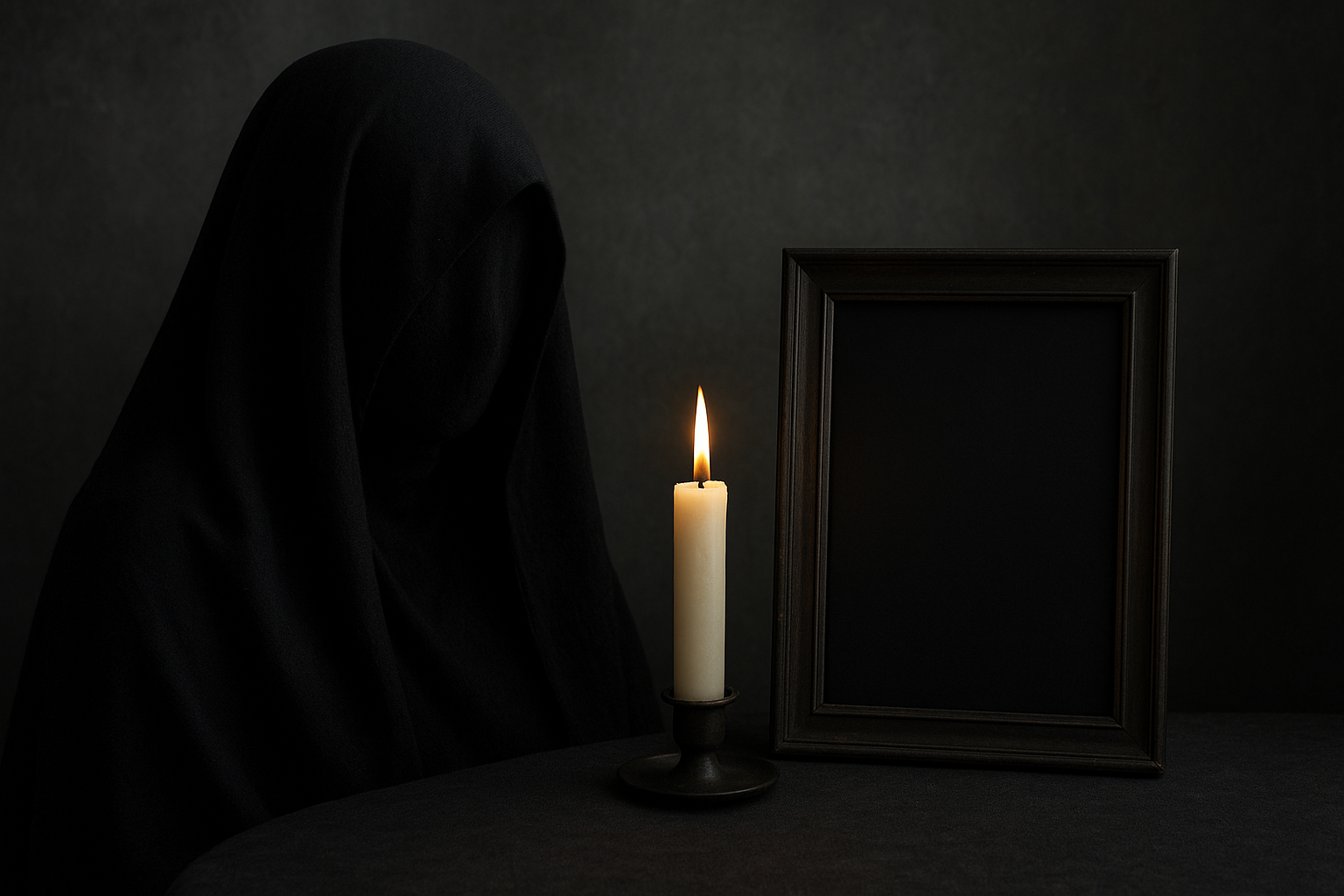
Abstract Mourning Rites: Emptiness Expressed in Symbol
As the 21st century progresses, the way societies process grief undergoes continuous transformation. The practices that bind us in shared sorrow and remembrance evolve alongside technological advances and cultural shifts. Within this context, abstract mourning rites emerge as a poignant reflection of humanity’s grappling with loss, employing symbols and metaphors to express the profound emptiness left by those who have departed.
The Evolution of Mourning Practices
The history of mourning rites is rich and varied, stretching from the ritualistic burial ceremonies of ancient Egypt to the dirgelike elegies of the Victorian era. Each culture has developed its unique way of honoring the dead, reflecting its beliefs, values, and technological capabilities. In recent times, the rise of digital technology has ushered in new forms of remembrance. Online memorials, virtual funerals, and social media tributes have become commonplace, providing platforms for collective mourning beyond geographical constraints.
However, beyond these technological transformations lies a more subtle shift towards abstraction in mourning rituals. As societies increasingly prioritize individual expression and personalized memorials, symbolic gestures and abstract representations become integral to modern mourning practices.
Symbolism in Mourning: A Language of Loss
Symbolism serves as a bridge between the tangible and the intangible, offering a language through which the ineffable nature of grief can be conveyed. The empty chair at a family gathering, the candle flame flickering in a dark room, or a single white rose — all are symbols that speak volumes about absence.
“Art is not what you see, but what you make others see.” – Edgar Degas
Degas’s observation resonates profoundly in the context of mourning. Abstract symbols in ritual and art allow individuals to express their inner turmoil and connect with others who share similar experiences. The emptiness experienced in loss is articulated through these artistic expressions, making the invisible, visible.
Contemporary Artists and Abstract Mourning
The contemporary art world plays a significant role in shaping abstract mourning rites. Artists like Anish Kapoor and Olafur Eliasson utilize large-scale installations that often explore themes of absence and memory. Kapoor’s “Descent into Limbo”, for example, features a dark void that beckons viewers into contemplation. Such works challenge the perception of space and presence, metaphorically echoing the void left in the wake of death.
In a similar vein, Yayoi Kusama‘s Infinity Rooms envelop individuals in endless reflections, suggesting the infinite nature of memory and the enduring legacy of those lost. Through immersive environments, these artists foster spaces where individuals can reflect, mourn, and find solace in shared experiences of absence.
The Role of Collective Memory
Abstract mourning rites are not solely individualistic; they often serve as conduits for collective memory. Public memorials, such as the 9/11 Memorial in New York City, utilize abstract design to evoke a communal sense of mourning and resilience. The memorial’s twin reflecting pools mark the footprints of the towers, symbolizing both the loss suffered and the enduring memory of those who perished.
Similarly, the Memorial to the Murdered Jews of Europe in Berlin employs a field of concrete stelae of varying heights, inviting visitors to wander through its labyrinthine structure. The memorial’s abstract design encourages introspection and confrontation with the immensity of historical grief.
The Psychological Impact of Abstract Mourning
Abstract mourning rites offer psychological benefits by acknowledging the complexities of grief. The ambiguity in symbolic representations allows individuals to project their personalized emotions, leading to catharsis and healing. In a Psychology Today article, grief counselor David Kessler describes this as the need for narrative—where symbols facilitate storytelling in the absence of words.
“Each person’s grief is as unique as their fingerprint, but what everyone has in common is that no matter how they grieve, they share a need for their grief to be witnessed.” – David Kessler
By engaging with abstract representations in art and ritual, mourners find spaces for witnessing and validation, crucial elements in the healing process.
The Future of Mourning Rites
As societies continue to grapple with the presence of technology and its impact on interpersonal connections, the future of mourning rites will likely see further abstraction and digital integration. Augmented reality (AR) and virtual reality (VR) could provide new dimensions for mourning, creating interactive memorial spaces that bridge the gap between the living and the deceased.
Moreover, there is potential for developing new symbols and metaphors that resonate with contemporary experiences of loss. In this dynamic interplay between tradition, innovation, and abstraction, mourning rites will continue to evolve, providing a vital outlet for expressing the universal human experience of grief.
Conclusion
Abstract mourning rites underscore the need for symbolic representation in processing loss and commemorating the departed. As contemporary societies navigate the complexities of modernity, these abstract expressions offer profound insights into the human condition, creating spaces for healing and reflection amidst the void of absence.
Comments