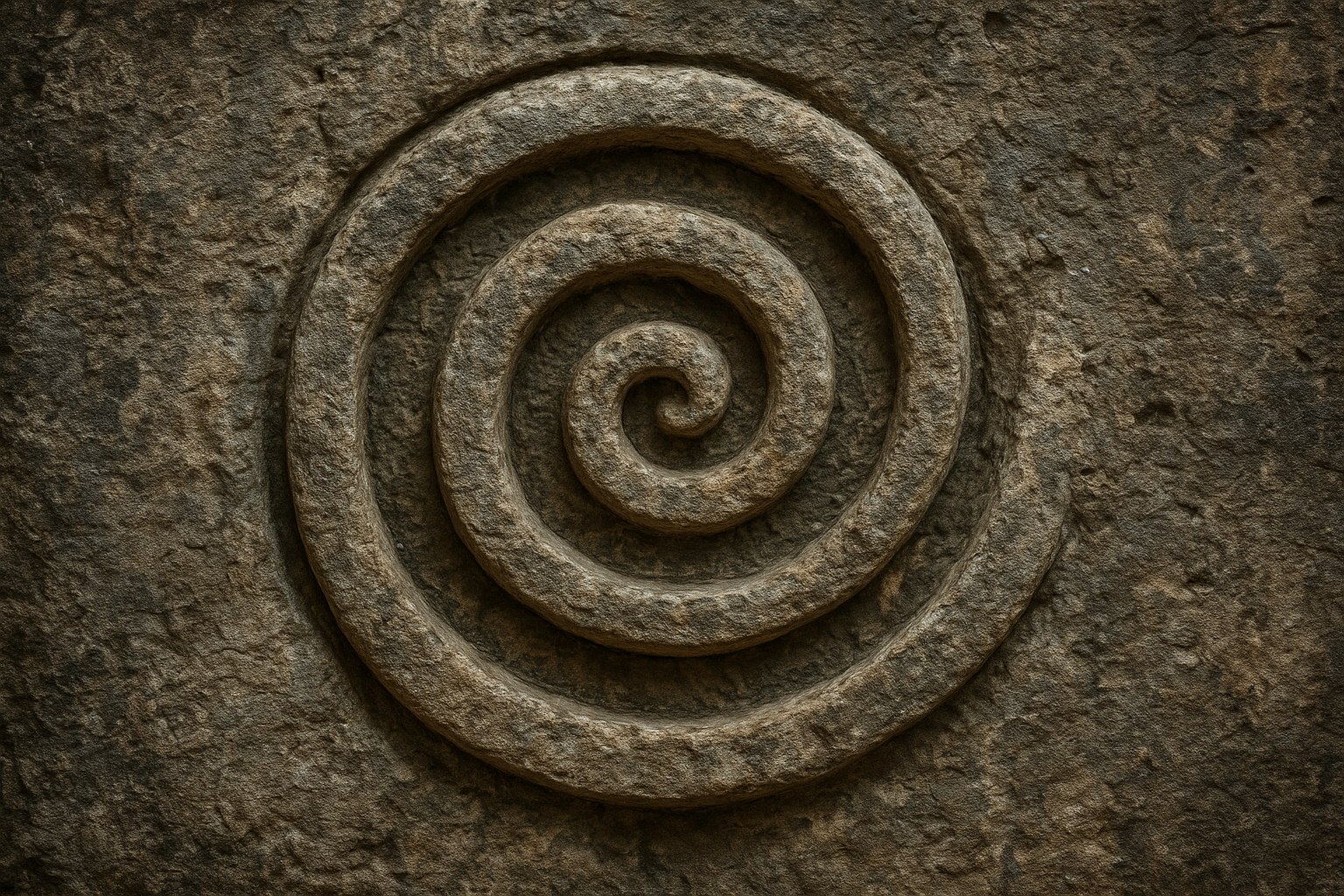
The Phantom Spiral: Mythology of Repetition and Loss
Mythology can be a quicksilver tapestry of human thought, weaving stories that transcend time and space. The concept of a phantom spiral—a motif of repetition and loss—delves into the intricate layers of cultural narratives that have resonated through ages. This archetype, defined by cycles that seem to assure, yet deceive, invites us to explore the depth of human experience through mythology itself.
The Concept of the Spiral in Mythology
- Symbol of Connectivity: The spiral, seen in numerous ancient cultures, symbolizes evolution and connectivity from the macrocosm to the microcosm. It represents the path life takes as it flows forth and makes progress. It’s a prevalent symbol in Celtic mythology, exemplifying spiritual growth.
- Icon of Repetition: Spirals are essentially cyclical, suggesting that while the journey may progress outwardly, it often ends where it began. This motif advises a delicate balance between forward motion and inevitable return.
- Emblem of Loss: Loss is intrinsic to the concept of a spiral because the return is never to the original point precisely; it is subtly transformative, entwining the joy of discovery with the sorrow of absence.
“Mythologies are not just stories of humans; they are stories that speak of the unknown and often remind us of the cycles that swirl within the fabric of existence.” — Joseph Campbell
Tales of the Phantom Spiral
The notion of a ‘phantom spiral’ resonates powerfully through various mythological narratives. It appears where destiny intertwines with the spectrum of life’s ephemeral nature, creating a recurring theme of futility and unavoidable loss.
Orpheus and Eurydice
Perhaps one of the most profound tales embodying the idea of the spiral is the tragic love story of Orpheus and Eurydice in Greek mythology. Orpheus descends into the underworld, spinning through the circle of life and death, in a desperate attempt to retrieve his beloved. Though he succeeds in convincing Hades to allow Eurydice to follow him back to the living world, he fails to keep his promise of not looking back, thus losing her forever. This tale indicates the cyclical journey of love interspersed with the inevitability of loss.
The Endless Knot
In Buddhist symbolism, the ‘Endless Knot’ represents samsara—the eternal cycle of birth, suffering, death, and rebirth. This philosophical spiral implies that even as life is an everlasting loop, one’s purpose is to eventually break free, thus transforming the cycle of loss into spiritual enlightenment.
The Impact of Repetitive Mythology
Mythological narratives that explore themes of repetition and loss highlight the deeply human need to address and make sense of the inevitable. The phantom spiral serves as a reminder of continuity within discontinuity, suggesting life’s seeming capacity for progression despite an intertwined dance with destruction.
- Psychological Insight: Psychologist Carl Jung proposed that the themes found within mythology mirror societal and personal unconscious. The phantom spiral reflects the human psyche’s struggle to reconcile growth with the inherent nature of finite existence.
- Cultural Interpretation: Different cultures interpret the death and rebirth cycle in their unique paradigms, often using the spiral to reflect resilience and eternal hope amidst adversity.
- Aesthetic Representation: Artists across history have engaged with the spiral motif to depict the profound psychological and physical forces that shape and reshape human experience.
Conclusion: Embracing the Journey
The phantom spiral is more than a mere mythological curiosity. It calls upon human consciousness to dwell on life’s enduring paradoxes—where every step forward might echo backward. Its tales and symbology offer not only solace but teach prudence and consciousness.
In the timeless embrace of stories, the spiral—phantom and profound—serves as an invitation. Humans are encouraged to embrace knowledge, confront darkness, and celebrate love, knowing that as profound as myth, life too is an eternal quest shrouded in the mysterious dance of repetition and loss.
“Myths are expressions of heroism within the human soul, summing the ascendancy of spirit over matter.” — Joseph Campbell
Comments