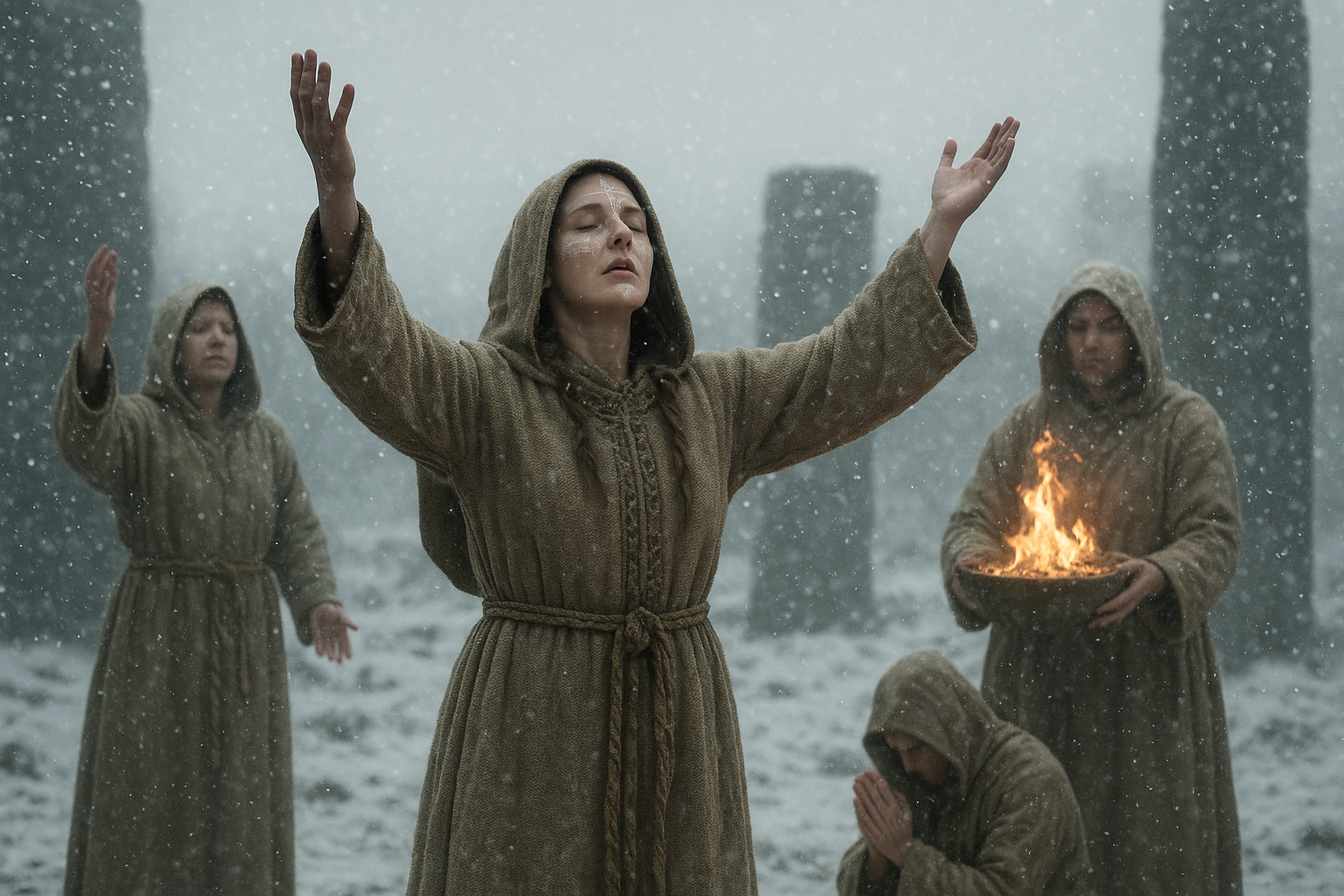
Snow, a transformative element of nature, envelops the landscape in silence and solemnity. Yet, for ancient societies, snowfall was not merely a seasonal change; it was a harbinger of rituals and communal activities steeped in tradition and reverence. The snow-laden fields became arenas where rituals and games converged, embodying both play and sacred ceremony.
The Cultural Significance of Snow in Ancient Societies
In many ancient cultures, snow was imbued with spiritual significance. It was a time when the earth was linked closer to the heavens—a canvas for the divine. For the Inuit, snowfall was not just a meteorological event but an integral part of their spiritual and cultural identity. The snow, with its ability to purify and renew, symbolized new beginnings and provided an opportunity to connect with ancestral spirits.
“The snow itself is a gift from our ancestors, a reminder of the pure and untamed world they cherished and lived upon,” noted anthropologist Dr. Martha Black in her research on Inuit traditions.
Ritualized Games in Antiquity
Across regions and epochs, snowy landscapes became the setting for games that were far more than mere sport. These activities blurred the lines between competitive play and ritual observance.
Snow Snake
Among the Native American tribes of the Northern United States and parts of Canada, the Snow Snake game was an essential seasonal activity. Encompassing elements of skill and luck, this game involved gliding a carved and polished wooden stick—called a “snake”—as far as possible along a trough carved in the snow. This was not only a test of skill but also a ritual of storytelling and symbolism, linking the players to their community and ancestors.
- Origins: The game dates back at least 500 years and was used as a method for tribes to simulate hunting strategies and the relationship between humans and the natural world.
- Ritual Element: The construction of the snake and the choice of wood were considered sacred, with each tribe imbuing personal and spiritual significance into the creation of their game pieces.
Ski and Sled Rituals of the Norse
Norse mythology and archaeological discoveries reveal that skiing played a significant role in the lives of ancient Scandinavians. More than a mode of transportation, skiing was also practiced in communal games and rituals.
- Mythological Ties: The Norse god Ullr, often depicted with skis and a bow, was considered the deity of skiing and hunting. People invoked his blessings through these skiing rituals during snowy winters.
- Social Rites: Nordic tribes conducted skiing competitions that doubled as rites of passage, where young warriors demonstrated their prowess and agility.
Spiritual Dimensions and Communal Celebrations
Many ancient societies saw snowfall as the perfect backdrop for seasonal festivals, where games played a critical role in community bonding and spiritual expression. These activities were often intertwined with music, dance, and storytelling.
East Asian Snow Festivals
In ancient East Asia, particularly in regions like China and Japan, snow festivals were grand affairs that included music, dance, and a variety of snow and ice games. The formative intention was to honor the winter deities and celebrate the beauty and impermanence of the season.
- Ice Lantern Festivals: Harbin’s ice festivals, with their origins traced back to ancient times, included elaborate ice sculpture competitions that symbolized communal harmony and creativity.
- Sacred Games: Ice skating was more than a mere diversion; it was believed that the rhythmic gliding on ice mirrored the harmony of the cosmos.
The Legacy of Ancient Snow Rituals
Today, the rituals and games of ancient societies have evolved, yet their essence remains alive in modern winter sports and festivals. Recognizing the cultural roots of these activities provides a deeper appreciation for their role in fostering community bonds and continuity of tradition.
While modern interpretations often emphasize competition and recreation, understanding the spiritual and communal dimensions allows present-day societies to recapture some of the awe and reverence with which their ancestors viewed snow. As civilizations progress, these age-old rituals offer timeless insights into the enduring human spirit and its unbreakable connection to nature.
“The pivot from playful ritual to contemporary sport is a testament to our enduring desire to explore, connect, and celebrate the cyclical rhythms of nature,” writes historian Professor Elise Gabbert [source needed].
As we continue to explore the historical context of ancient snowfall games, it becomes clear that these practices were not only about survival or amusement. They were—and remain—integral to the cultural and spiritual fabric of human societies, transcending time and place.
Comments