Author: editor

  • The Obscure Muse – Inspiration from Darkness

    The Obscure Muse – Inspiration from Darkness

    The Obscure Muse – Inspiration from Darkness

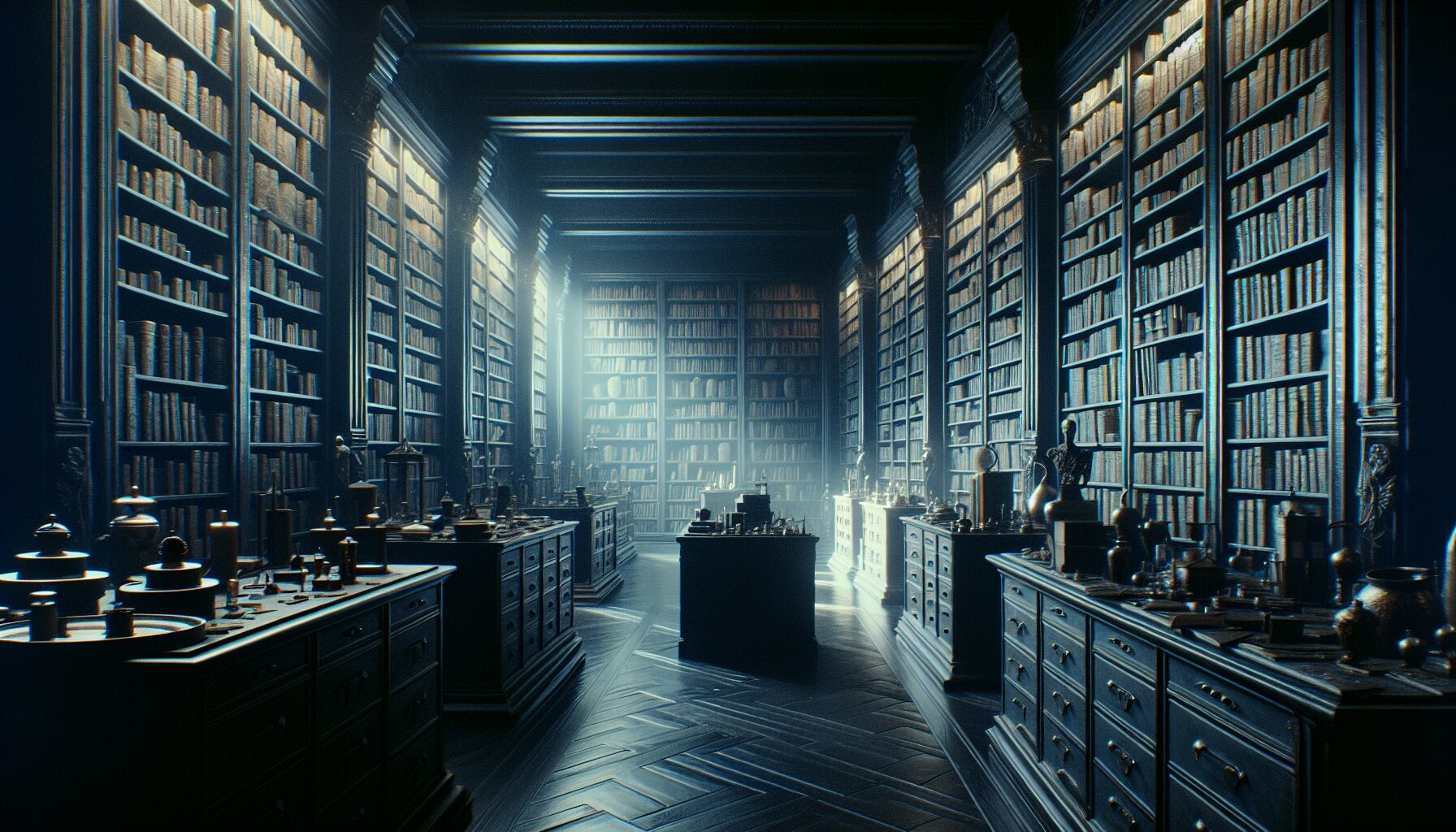
    Throughout history, artists, writers, and musicians have often turned to the shadows of the human experience to find inspiration. Darkness, both literal and metaphorical, serves as a unique catalyst for creativity, offering depth and complexity that light cannot always provide. This article delves into the concept of the ‘obscure muse’ and explores how the darker elements of life fuel some of the most profound and enduring works of art.

    The Allure of Darkness

    Darkness has a magnetic allure that artists have been drawn to for centuries. Edgar Allan Poe, a master of the macabre, once wrote, “Deep into that darkness peering, long I stood there, wondering, fearing, doubting, dreaming dreams no mortal ever dared to dream before.” This quote encapsulates the irresistible pull of the unknown and the mysterious, which can be both terrifying and deeply inspiring.

    • Emotional Depth: Dark themes allow artists to explore intense emotions such as fear, despair, and melancholy, leading to works that resonate on a more profound level.
    • Contrast and Balance: By exploring the dark, artists can create contrast with lighter themes, offering a balanced perspective on the human experience.
    • Catharsis: Engaging with dark themes can provide a cathartic release for both the creator and the audience, transforming pain into art.

    Artistic Expressions from the Shadows

    Various art forms have uniquely interpreted the themes of darkness. From literature to visual arts and music, the following examples highlight how artists have embraced the obscure muse.

    I have been half in love with easeful Death,

    Call’d him soft names in many a mused rhyme,

    To take into the air my quiet breath;

    Now more than ever seems it rich to die,

    —John Keats, Ode to a Nightingale

    Literature

    From ancient tragedies to modern horror novels, literature has long drawn upon themes of darkness. Authors like Mary Shelley, with her groundbreaking novel Frankenstein, have used the gothic to explore human nature and its limits.

    Visual Arts

    In the visual arts, chiaroscuro—a technique that uses strong contrasts between light and dark—has been employed by masters like Caravaggio to enhance the emotional impact of their work. Such techniques engage viewers, urging them to delve deeper into the narrative behind the image.

    Music

    Music also thrives on darker themes, from the somber melodies of a Beethoven symphony to the angst-ridden lyrics of rock and metal bands. These genres capture raw emotions, turning them into powerful auditory experiences.

    The Therapeutic Power of Darkness

    Creating or consuming art with darker themes can be a therapeutic process. Understanding and expressing the complexity of human emotions helps individuals process their own experiences. The use of darkness in art often reflects a journey toward self-discovery and healing.

    • Psychological Benefits: Art therapy often incorporates dark themes to help individuals confront and work through personal issues.
    • Universal Understanding: Dark-themed art can foster empathy and understanding by illustrating universal struggles.
    • Personal Growth: Engaging with difficult subjects in art can promote resilience and personal growth.

    Famous Works Born from Darkness

    The following iconic works stand as testament to the enduring power of the obscure muse:

    • Nightmare by Johann Heinrich Füssli: This eerie painting captures the tension between dream and reality, compelling viewers to confront their subconscious fears.
    • The Bell Jar by Sylvia Plath: Plath’s semi-autobiographical novel dives into depression and the quest for identity, shedding light on mental illness.
    • Requiem by Wolfgang Amadeus Mozart: Mozart’s final composition, this unfinished masterpiece, is imbued with a profound sense of finality and mortality.

    Conclusion

    The obscure muse—an inspiration drawn from darkness—remains a vital force in the arts. By exploring the shadowy aspects of life, artists can convey rich emotional landscapes and reflect the multifaceted nature of human experience. As society continues to evolve, the allure of darkness in art underscores an enduring truth: in shadows, we often find our most profound insights.
  • Ritual of Shadows – Practices for Transformation

    Ritual of Shadows – Practices for Transformation

    You need to be logged in to view this content. Please . Not a Member? Join Us
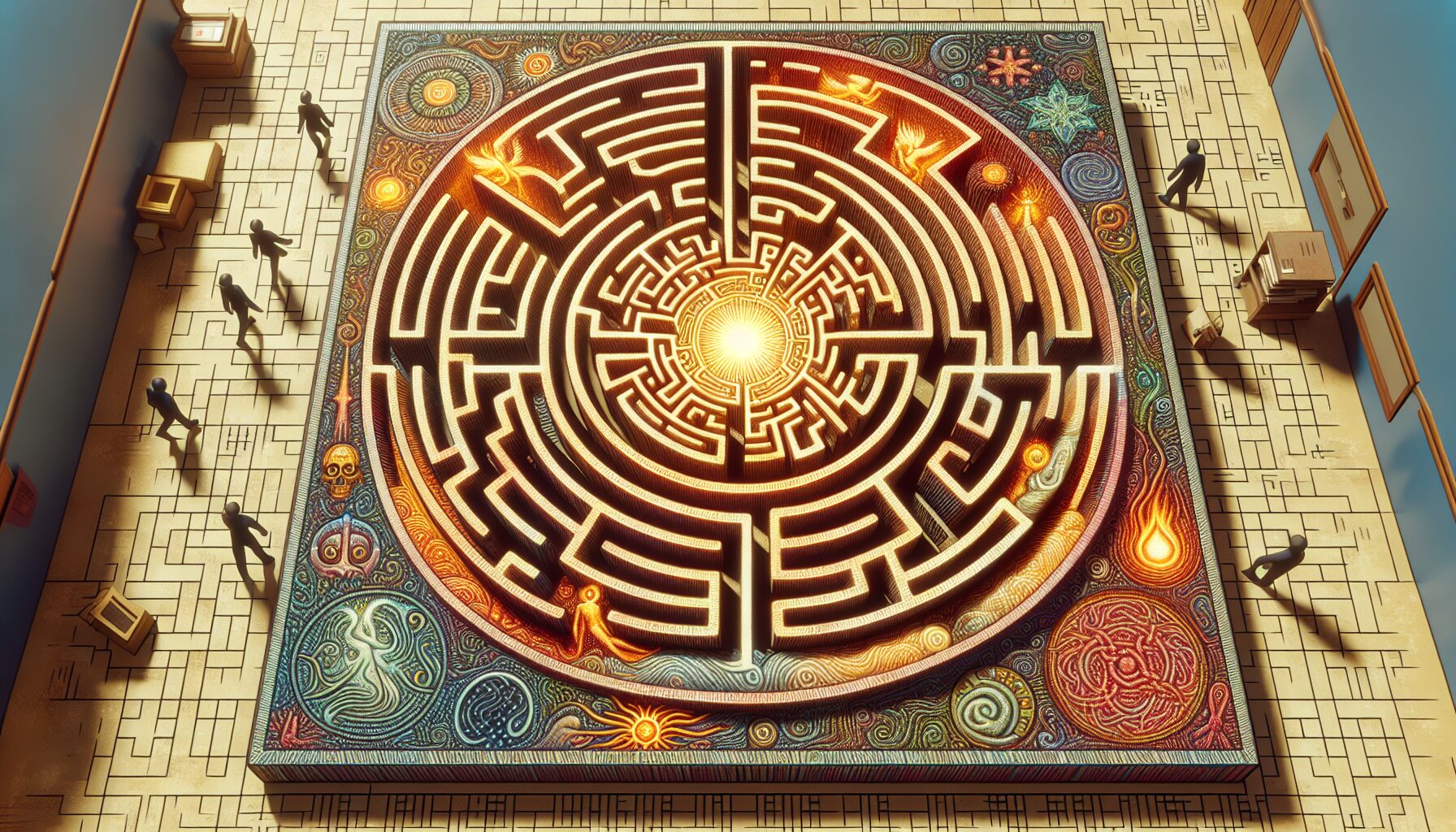
  • The Hidden Labyrinth – Inner Work Through Symbol and Myth

    The Hidden Labyrinth – Inner Work Through Symbol and Myth

    You need to be logged in to view this content. Please . Not a Member? Join Us
  • Necropolis Dreams – Imagining Cities of the Dead

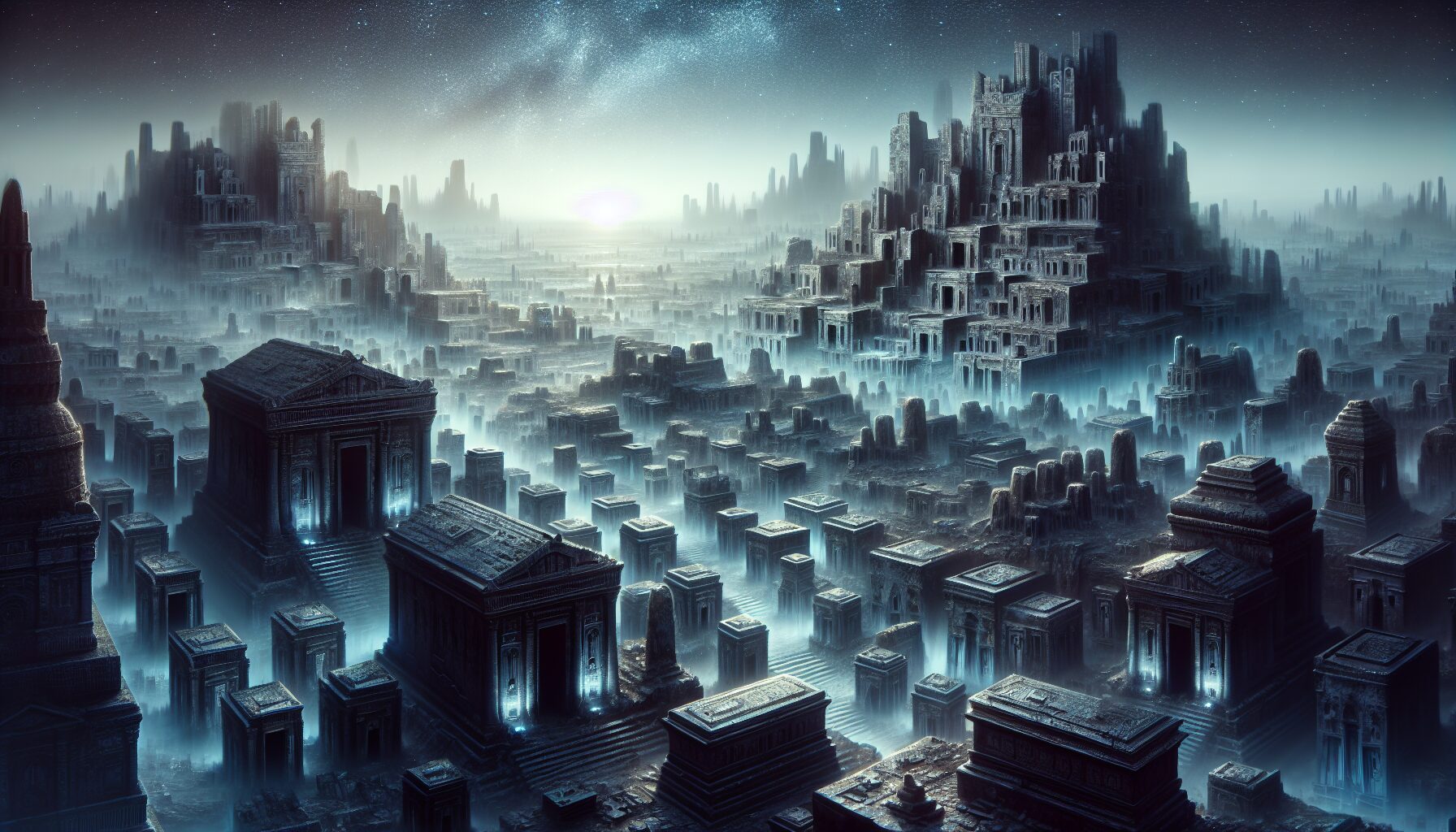
    Necropolis Dreams – Imagining Cities of the Dead

    You need to be logged in to view this content. Please . Not a Member? Join Us
  • Angels of the Abyss – Mythic Archetypes of Shadow

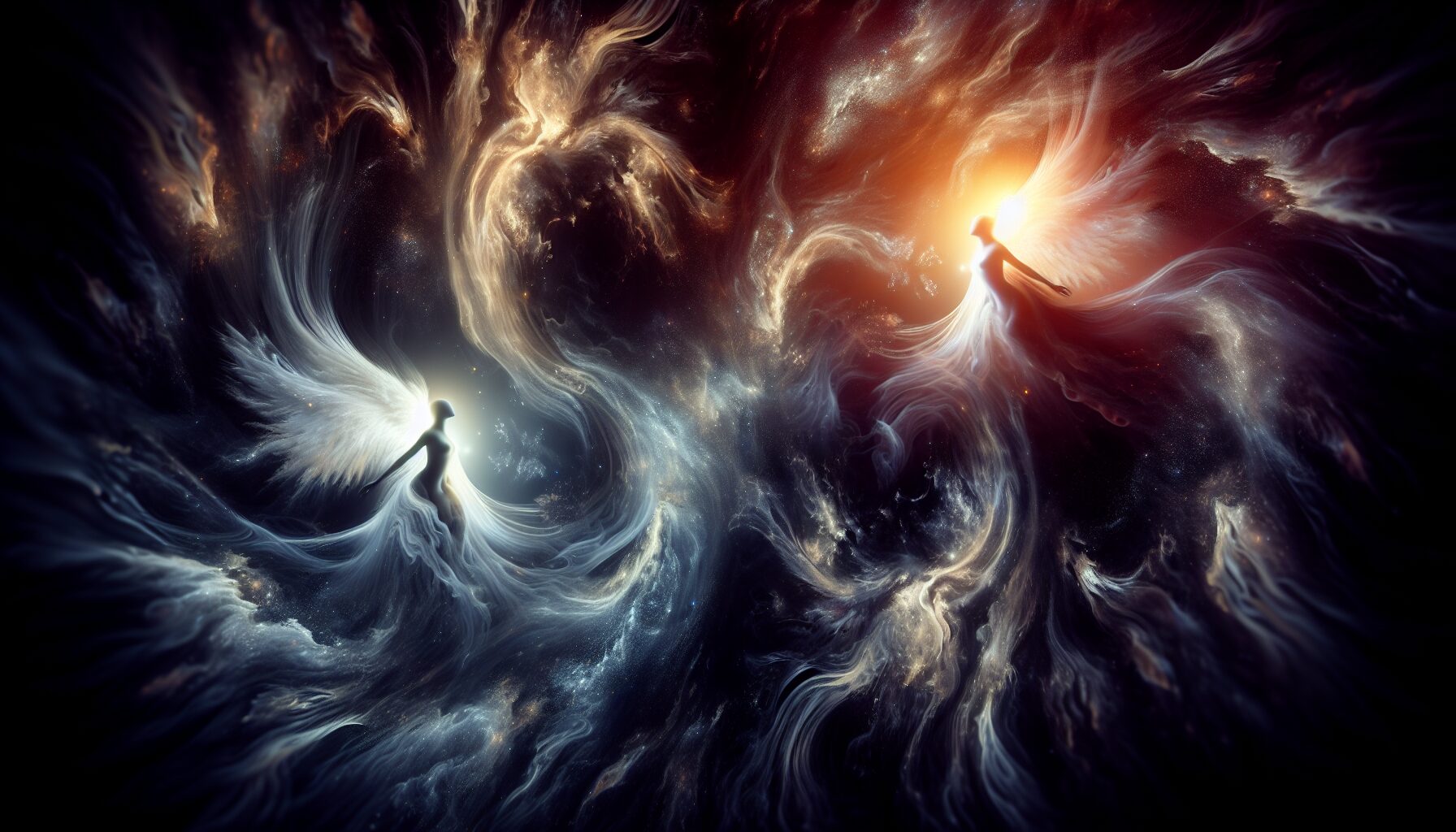
    Angels of the Abyss – Mythic Archetypes of Shadow

    Angels of the Abyss: Mythic Archetypes of Shadow

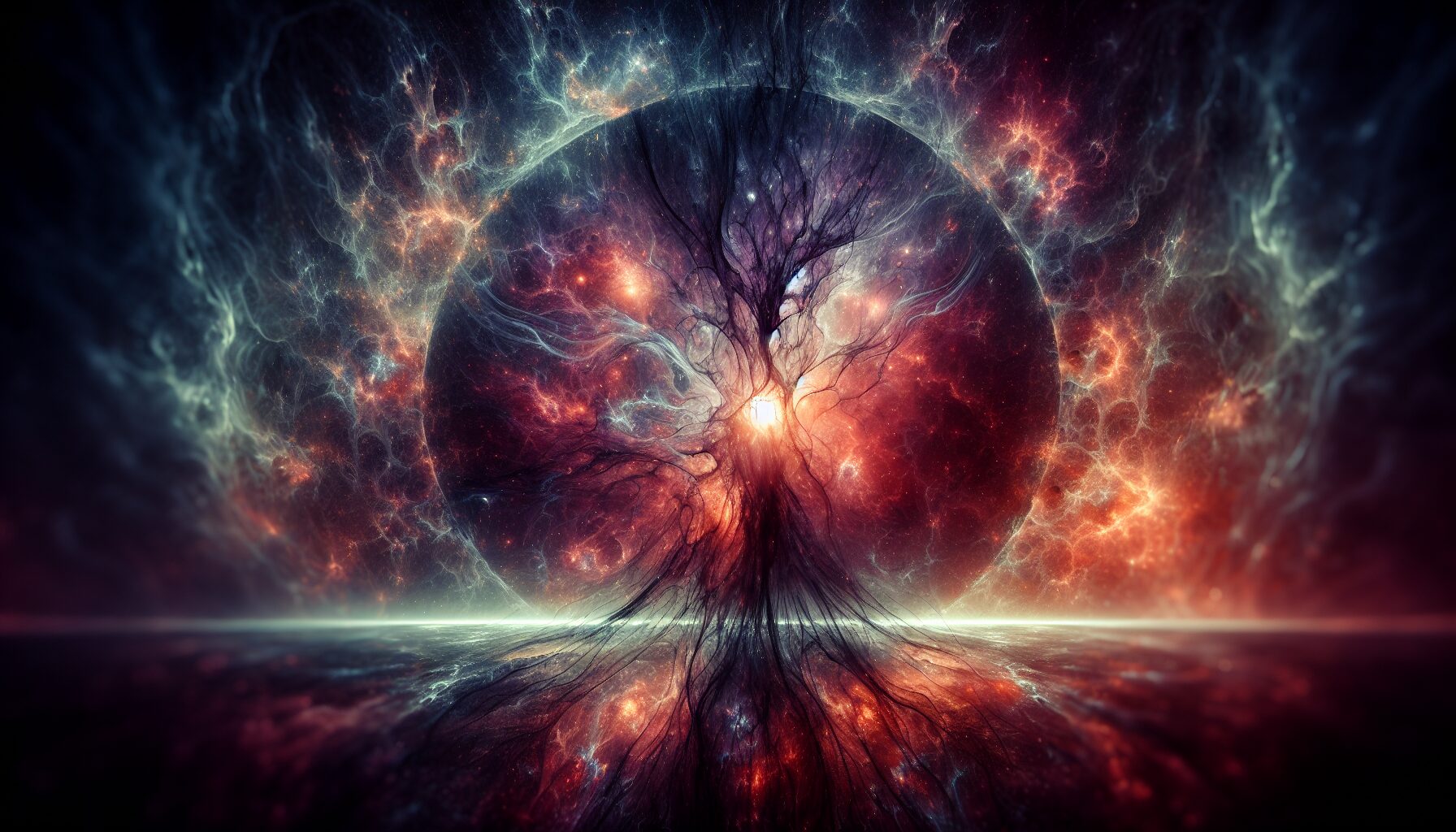
    The concept of “Angels of the Abyss” evokes an imagery both haunting and compelling, oscillating between celestial grace and the eerie whispers of the underworld. These archetypes embody the dichotomy of light and darkness—an exploration that is as old as storytelling itself. Archetypes act as psychological symbols and have scribed their presence into our collective unconscious through myth, literature, and art. Understanding these archetypes offers insight into human nature’s shadow aspects, and how this shadow manifests within different cultures and traditions.

    The Origin of the Abyss

    The Abyss, a term often resonating with chaos and darkness, finds its roots in ancient mythologies. From the primordial chaos in Greek mythology, as described by Hesiod in “Theogony”, to the watery void in the Mesopotamian myths, the abyss embodies the unknown—a source of creation and destruction.

    First of all Chaos came into being. Then broad-bosomed Earth…” – Hesiod, “Theogony”

    The Greek Erebus, symbolizing deep darkness, and Tartarus, the deep abyss used as a dungeon of torment in the afterlife, represent places where these mythic angels might arise. These figures shape the tales we tell about wrestling with inner demons and finding redemption through the labyrinth of shadows.

    Angels and Demons: Bridging the Gap

    Concepts of angels and demons often blur within the context of the abyss, underscoring the fluidity between good and evil. In Christian theology, fallen angels or demons led by Lucifer discovered their sovereignty in this realm. Lucifer, the light-bringer turned prince of darkness, epitomizes this duality.

    …for Satan himself masquerades as an angel of light.” – 2 Corinthians 11:14

    Islamic tradition introduces the figure of Iblis, akin to Lucifer, who falls from grace due to pride. Such characters demonstrate the seductive nature of the abyss, where former celestial beings undergo transformative journeys into the shadows.

    The Psychological Shadow

    Carl Jung, a prominent psychologist, expanded on this notion with his concept of the shadow—the unacknowledged, darker parts of the psyche. In Jungian psychology, the integration of the shadow is essential for personal maturity and psychological health.

    One does not become enlightened by imagining figures of light, but by making the darkness conscious.” – Carl Jung

    The “angels of the abyss” in this framework represent the integration of our own shadows. By embracing our hidden fears, desires, and instincts, we can reach a harmonious understanding of ourselves, just as mythic heroes must confront underworld trials to achieve enlightenment.

    Archetypes in World Myths

    • Inanna’s Descent: The Sumerian goddess Inanna’s journey to the underworld symbolizes death and rebirth cycles, a thematic return from the abyss with newfound wisdom.
    • Orpheus: The Greek hero Orpheus ventures into the underworld to rescue his beloved Eurydice, epitomizing love’s battle against the pull of despair and darkness.
    • Vishnu’s Avatars: In Hindu mythology, Vishnu’s descents to earth in various forms to combat evil signify divine intervention in the abyss, transforming chaos into order.

    The Influence in Modern Culture

    The influence of these archetypes transcends classical myth and finds its expression in modern literature and film. Characters like Darth Vader from the “Star Wars” saga and Gollum from “The Lord of the Rings” represent flawed beings consumed by their shadow archetypes.

    Authors such as Neil Gaiman and filmmakers like Guillermo del Toro explore these themes extensively. As Gaiman illustrated in his graphic novel series “The Sandman,” realms of dreams anchored by the abyss exhibit humanity’s intrinsic fear and fascination for the darker sides of reality.

    Sometimes… when you fall, you fly.” – Neil Gaiman, “The Sandman”

    Connecting With Our Shadows

    Jung suggested that confronting the shadow necessitates an introspective journey akin to the descents depicted in mythic undertakings. Our “angels of the abyss” are the personal shadows—facets of ourselves we fear to acknowledge—yet only by reconciling with them can we truly transcend personal and collective shadows.

    Conclusion

    Exploring the mythic archetypes of shadow through the lens of “Angels of the Abyss” provides a roadmap for navigating the complexities of the human psyche. Through literature and mythology, one gains insights into the human condition’s pressing quest for balance and redemption. Intriguing still is humanity’s perpetual journey into the heart of darkness—for it is here under murky skies that the light of self-awareness and transformation often shines brightest.

    More than mere inhabitants of ancient tales, these archetypes continue to resonate profoundly, illuminating the path toward wholeness and self-discovery. By facing our personal labyrinths and cherishing the angels found within the abyss, humanity pursues a state of profound awakening—where paradoxes are reconciled, and shadows are the silent conveyors of wisdom rather than fear.

  • The Silent Cathedral – Sacred Spaces Beyond Religion

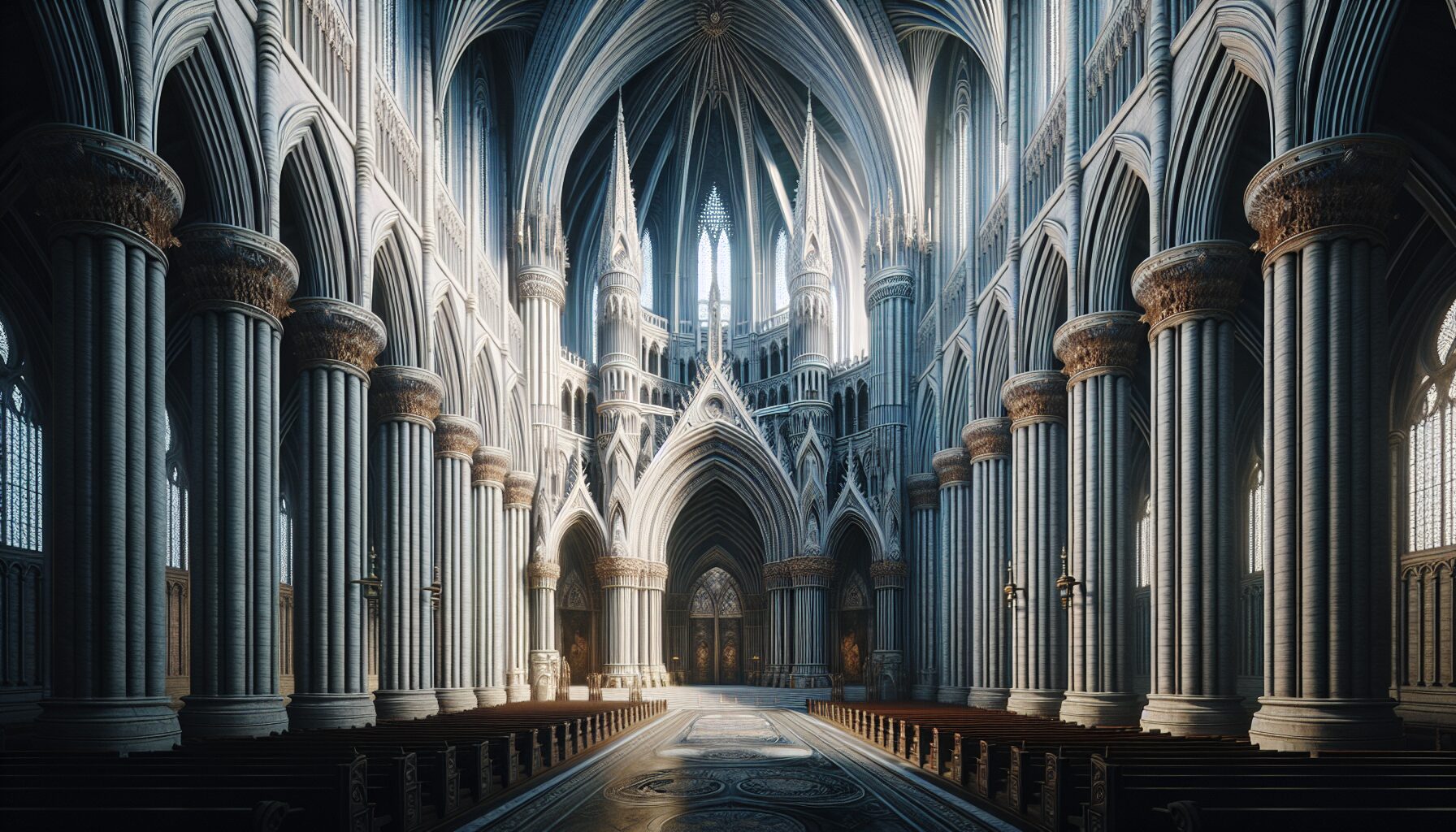
    The Silent Cathedral – Sacred Spaces Beyond Religion

    You need to be logged in to view this content. Please . Not a Member? Join Us
  • Twilight Philosophy – Dark Reflections on Life and Meaning

    Twilight Philosophy – Dark Reflections on Life and Meaning

    You need to be logged in to view this content. Please . Not a Member? Join Us
  • Decay and Beauty – Finding Aesthetics in the Ephemeral

    Decay and Beauty – Finding Aesthetics in the Ephemeral

    You need to be logged in to view this content. Please . Not a Member? Join Us
  • The Black Archive – Collecting the Esoteric and Arcane

    The Black Archive – Collecting the Esoteric and Arcane

    You need to be logged in to view this content. Please . Not a Member? Join Us
  • Ritual of the Moon – Lunar Practices for Contemplation

    Ritual of the Moon – Lunar Practices for Contemplation

    You need to be logged in to view this content. Please . Not a Member? Join Us