Category: Uncategorized
-
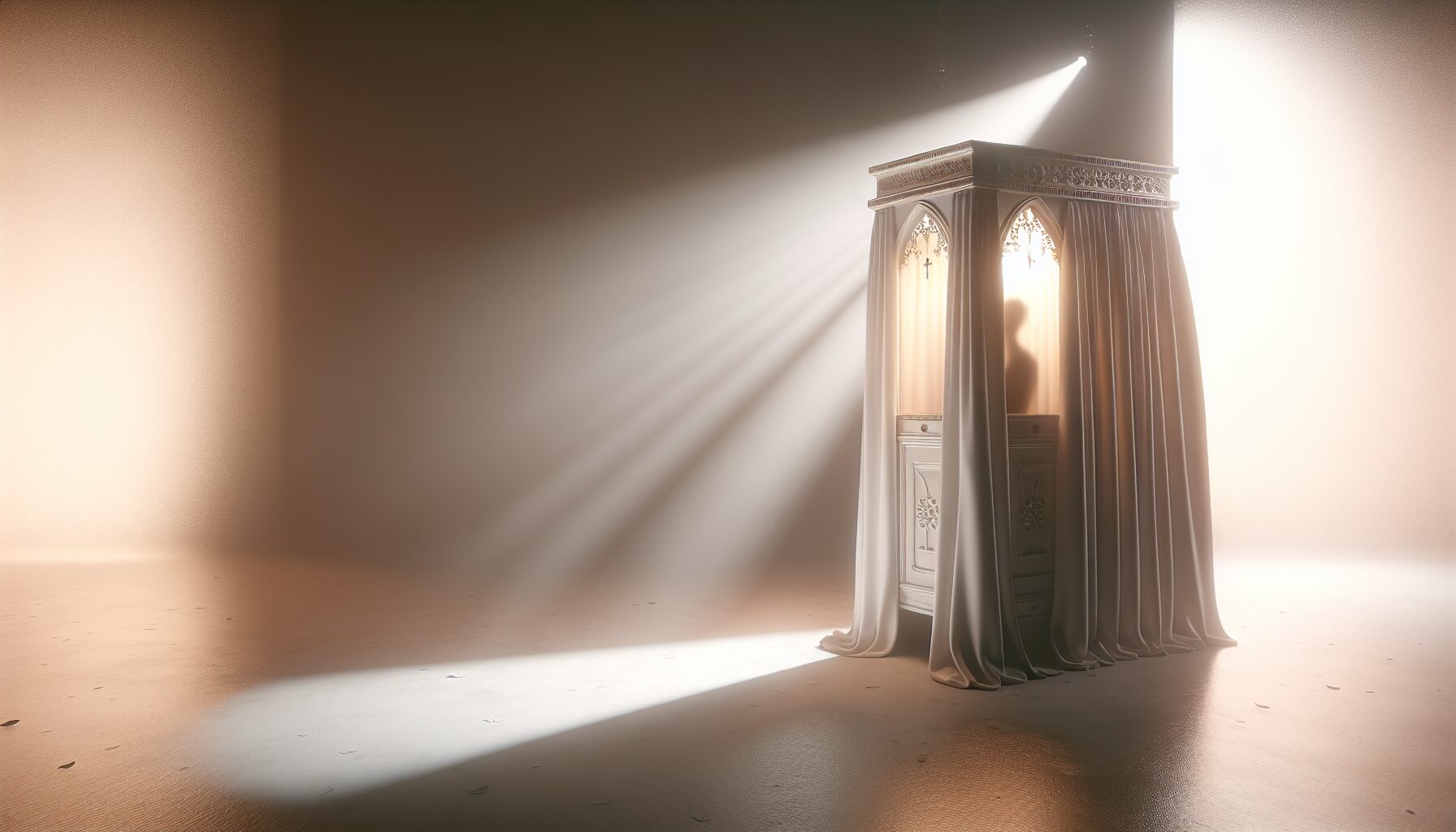
The Last Confessional: Oral Histories of the Departed
In a world where stories often come to us through sensational headlines and fleeting social media posts, The Last Confessional offers a poignant reminder of the power and intimacy of oral history. Directed by acclaimed filmmaker Susan Garrett, this documentary delves into the untold stories of individuals who have long since departed, offering a glimpse into their lives through a canvas of confessions, recollections, and reflections.
The Concept of Oral History
Oral history is an ancient art, rooted in the tradition of storytelling long before the advent of written language. According to the Oral History Association, it involves interviewing individuals about their past, creating a tapestry of personal narratives that provide rich insights into shared human experiences. In The Last Confessional, Garrett reinvigorates this age-old practice by recording the final testimonies and reflections of people from diverse backgrounds.
“Oral history can illuminate the nuances of the human spirit,” says Garrett, echoing the sentiments of many historians. “It’s like peering into a window of the past, yet it’s narrated with the intimacy of a personal conversation.”
A Diverse Tapestry of Lives
One of the documentary’s strengths lies in its ability to weave a diverse range of stories. Garrett’s team meticulously researched and reached out to families and communities, uncovering stories that span geography, time, and culture. From the legendary New York jazz musician whose career spanned five decades to the humble farmer who survived the Dust Bowl, the film covers profound ground.
- The Musician’s Tale: Benny Larson, a legendary jazz saxophonist, shares his journey from the Harlem Renaissance to performing at the Newport Jazz Festival, shedding light on the evolution of jazz and its cultural impact.
- The Survivor’s Story: Emma Lou Harris, an elderly woman whose family endured the volatile climate of the American Dust Bowl during the 1930s, offers a sobering reflection on resilience and survival.
- The Immigrant’s Dream: Anh Tran, whose parents emigrated from Vietnam after the war, narrates a journey of hope, assimilation, and the relentless pursuit of the American Dream.
An Intimate and Visceral Experience
What sets The Last Confessional apart is its intimate approach. Filmed predominantly in black and white, the documentary evokes a raw and visceral aesthetic, a deliberate choice by Garrett to emphasize the timelessness of these stories. Subtle background scores accentuate the interviews without overshadowing the voices of the participants.
“The rawness of the film juxtaposed with the weight of these stories creates a hauntingly beautiful experience,” notes The New York Times.
Reflection on Societal Change
Beyond individual stories, the documentary subtly paints a broader picture of societal transformation. By tracing personal histories, it inadvertently captures the shifting paradigms in cultural, social, and political landscapes over decades. The narratives of struggle, triumph, and endurance are interwoven with the backdrop of landmark historical events—from civil rights movements to economic upheavals, offering viewers a mirror to societal progress and, at times, regress.
The Role of Memory and Legacy
At its core, The Last Confessional is deeply vested in the theme of memory and legacy. It prompts introspection on what we leave behind and how future generations will perceive the lives led before them. Garrett emphasizes the responsibility of preserving oral histories, pointing out that these stories are not just personal treasures but essential components of a collective legacy.
“We must cherish these narratives, for they are the most authentic footprints of our shared humanity,” Garrett reflects, underscoring the necessity of preserving such tales for posterity.
Conclusion
The Last Confessional is a moving tribute to the stories that often go untold, offering a tapestry of experiences that comprise the essence of human existence. By giving voice to the departed, it stands as a compelling reminder of the enduring power of oral histories. For those willing to listen, the film offers not only an exploration of the past but also a connection that transcends mortality—a sobering yet enriching reflection on life, death, and everything in between.
-
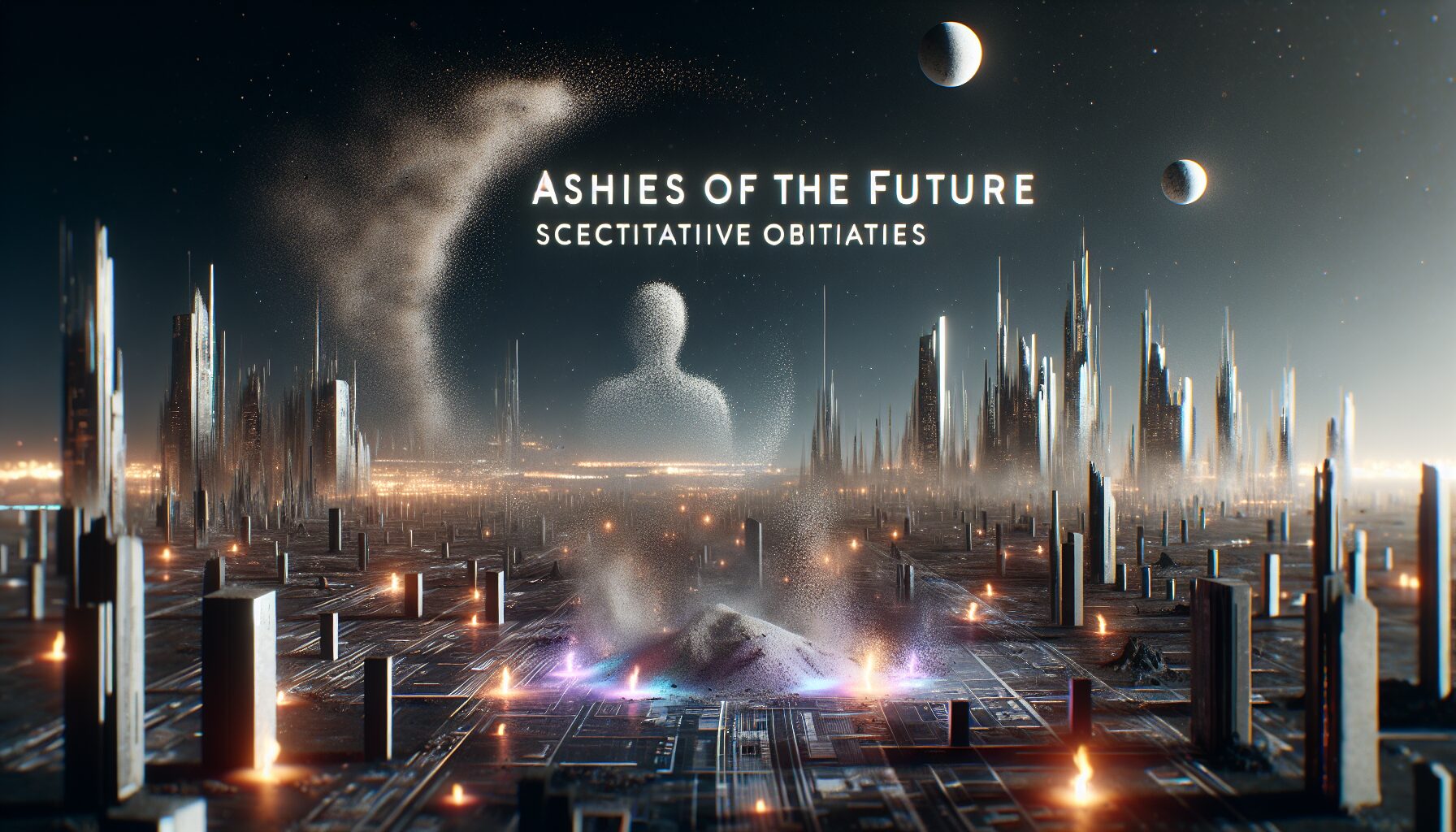
Ashes of the Future: Speculative Obituaries
In an era where the boundary between life and death blur, where technology and imagination intertwine, speculative obituaries offer a glance into a world that might be. The tradition of commemorating the departed takes on a futuristic twist as we delve into Ashes of the Future.
The Art of Imagined Farewells
Speculative obituaries are an exercise in creativity, a literary journey where writers explore the hypothetical passings of notable figures and fictional characters. But what makes these articles compelling is their power to reflect societal fears, hopes, and the ever-persistent question, “What if?”
“Obituaries traditionally tell of lives fully lived, but speculative obituaries dare to imagine the final pages of lives yet to come or those that were never real.”
— New York TimesFrom predicting technological breakthroughs to envisioning political outcomes, imagined obituaries challenge readers to think beyond the present. They serve not only as a creative outlet but as a mirror reflecting our cultural zeitgeist.
Predicting the Passage of Titans
Consider the potential obituary of a tech giant whose innovations reshaped the 21st century: “In the year 2050, we bid farewell to Elon Musk, the visionary who took humanity to Mars.” Such essays would reflect both admiration and critique, exploring the impacts of his ambitions.
- Space Exploration: Focusing on Musk’s dream of colonizing Mars and revolutionizing space travel—what milestones might have been achieved?
- Technological Advancements: Speculating on breakthroughs in AI or renewable energies driven by his ventures.
- Ethical Dilemmas: Addressing potential moral and ethical implications of his work on society.
Through these narratives, speculative obituaries aid in shaping public memory and forecasting the legacy of influential figures.
Fictional Futures and Fates
The realm of speculative obituaries doesn’t restrict itself to real-world personas; it boldly ventures into fiction. Imagining an obituary for a character like Harry Potter, the boy who lived, invites reflection on themes of destiny, heroism, and the passage of time.
“Harry Potter, the savior of the wizarding populace, passed peacefully in his enchanted home, surrounded by beloved family and friends.” This hypothetical obituary allows for explorations into how his lifetime battles with evil, friendships, and magic might influence future generations.
Writing Our Own Endings
Speculative obituaries compel us to write our own endings. What will the world remember of us? Will we be seen as pioneers, provocateurs, or simply pawns of the history we attempt to shape?
This genre challenges authors and readers alike to assess their perceptions of destiny and agency. As acclaimed author Neil Gaiman observed:
“The universe knows someone who’s still curious about the ending of a story.”
— The GuardianA Reflective Tool for Society
In an amalgam of reality and imagination, speculative obituaries also act as cautionary tales. They allow a reflective space for considerations of environmental possibilities, technological ethics, and cultural transformations.
- Environmental Concerns: What might the obituary of Earth sound like if climate change remains unchecked?
- Technological Ethics: Imagining the obituary of privacy in an increasingly surveilled world.
- Cultural Transformations: Speculating on the end of specific societal norms or institutions in future generations.
By engaging with these narratives, societies can question their current paths, exploring alternate routes that might avert tragic endings.
Embracing the Narrative
Ashes of the Future reminds us of the power and responsibility of narrative. Whether through mystical musings or pragmatic ponderings, speculative obituaries weave a complex tapestry of potential futures.
As we oscillate between reality and fiction, may these imagined obituaries not only continue to fascinate and forecast but also spur conversation and change—but the questions remain: Are we the authors of tomorrow’s epitaphs? And what story will they ultimately tell?
-
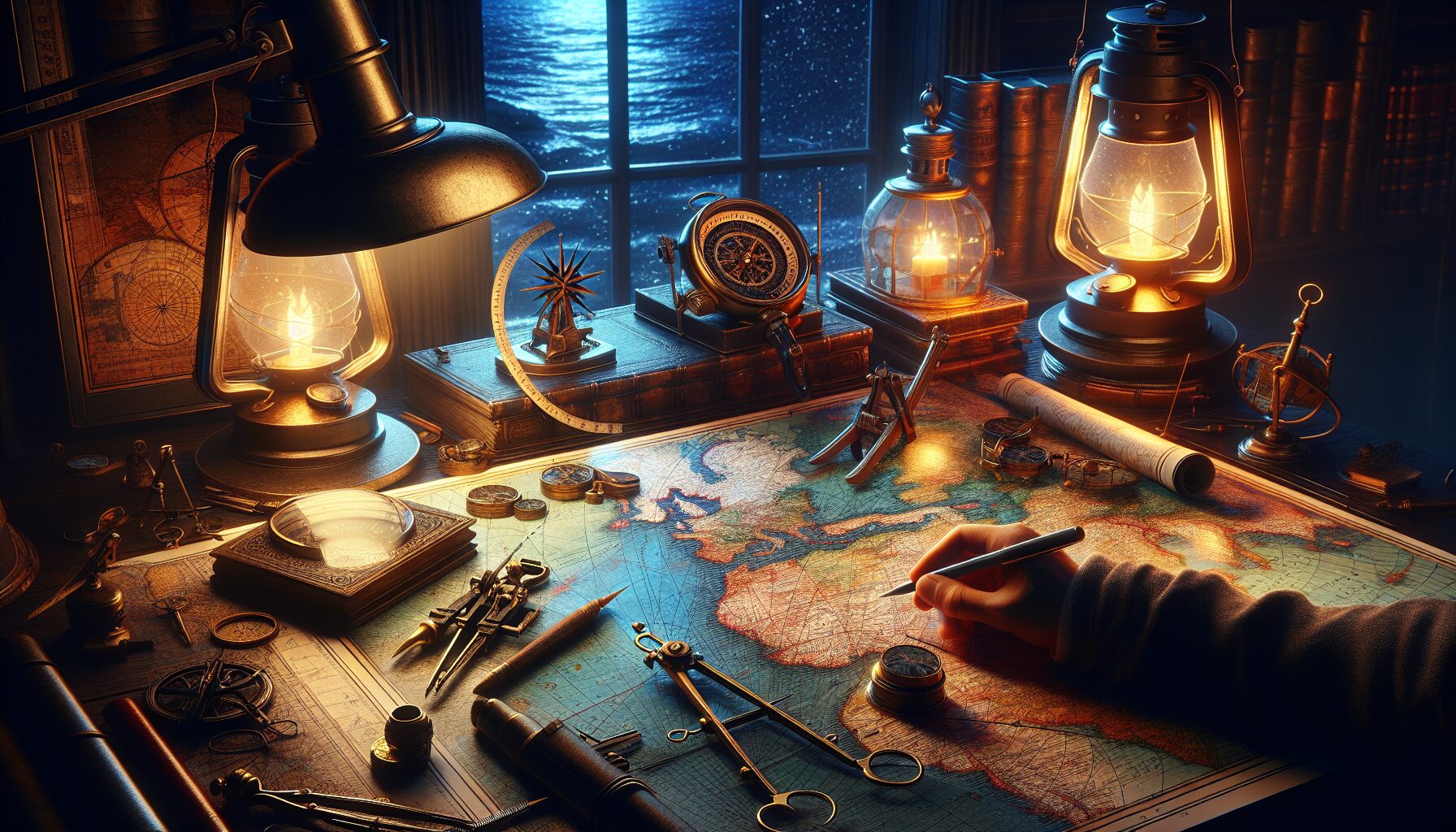
Midnight Cartographers: Mapping the Unseen
In an era dominated by satellites and digital mapping technologies, one might presume that every corner of the earth is charted with pinpoint precision. Yet, there exists a cadre of explorers working under the cover of darkness, known as “midnight cartographers,” who dedicate their nights to mapping the unseen.
The Origins of Nocturnal Mapping
The tradition of nocturnal exploration stretches back centuries. Historically, sailors navigated by stars, and mystery-shrouded lands were sketched by those daring enough to venture into the unknown. However, the modern midnight cartographer differs markedly from their historic counterparts. These individuals are not guided solely by starlight but are equipped with sophisticated instruments capable of revealing what escapes the naked eye.
The Tools of the Trade
- Infrared Cameras: These cameras allow cartographers to detect heat signatures, uncovering not only geographical features but also wildlife activity that goes dormant in the daylight hours.
- Lidar Technology: Lidar uses laser light to create high-resolution maps. It’s ideal for uncovering terrain that’s hidden beneath vegetation or in areas remote and inhospitable.
- Drone Mapping: “Drones are revolutionizing the way we chart landscapes,” notes National Geographic. They provide aerial perspectives in real-time, allowing for rapid assessment and data collection.
“There is something profoundly humbling about revealing what was previously hidden,” says noted cartographer and explorer, Dr. Elena Martinez. “Each new map is like lifting a veil off the world.”
Mapping the Ecological Nightlife
For many species, the night is alive with activity. Midnight cartographers play a crucial role in understanding these nocturnal ecosystems. Researchers from the World Wildlife Fund stress the importance of mapping animal movements under the cover of darkness, as these nocturnal habits may hold keys to species survival and ecological balance.
For instance, bats—critical pollinators and insect controllers—are mapped to track their migratory paths. This information aids in conservation efforts and guides the placement of wind turbines to minimize harm to these creatures.
Urban Landscapes: The Underworld Odyssey
Cities, too, teem with unseen layers. There exists an underground world, filled with abandoned tunnels, sewers, and crypts, charted meticulously by these urban explorers. This subterranean maze, often off-limits, offers insights into the historical layers of urban development.
In cities like Paris and New York, where the ghostly echoes of the past linger beneath modern streets, cartographers clandestinely map these urban underworlds to preserve the whispering history beneath the surface.
The Ethical Considerations
With exploration comes responsibility. Midnight cartographers are at the forefront of an ethical debate: how to balance exploration with conservation. Revealing hidden worlds might make them vulnerable to exploitation or overexposure.
An article from the Smithsonian Magazine highlights that “with the power to uncover also comes the responsibility to protect.” As stewards of these unseen worlds, cartographers often work in collaboration with local communities, ensuring that sacred sites remain respected and protected.
Conclusion: The Unending Quest
Despite advances in technology, much of our world remains shrouded in mystery, waiting to be uncovered by those daring enough to venture out when the rest of the world sleeps. Midnight cartographers, with their unique blend of ancient skills and cutting-edge technology, are at the forefront of a new age of discovery.
They remind us that even in our digitally mapped era, mysteries abound. As the sun sets and shadows grow long, these modern-day explorers quietly go about their work, unraveling the secrets of the unseen world, one map at a time.
-
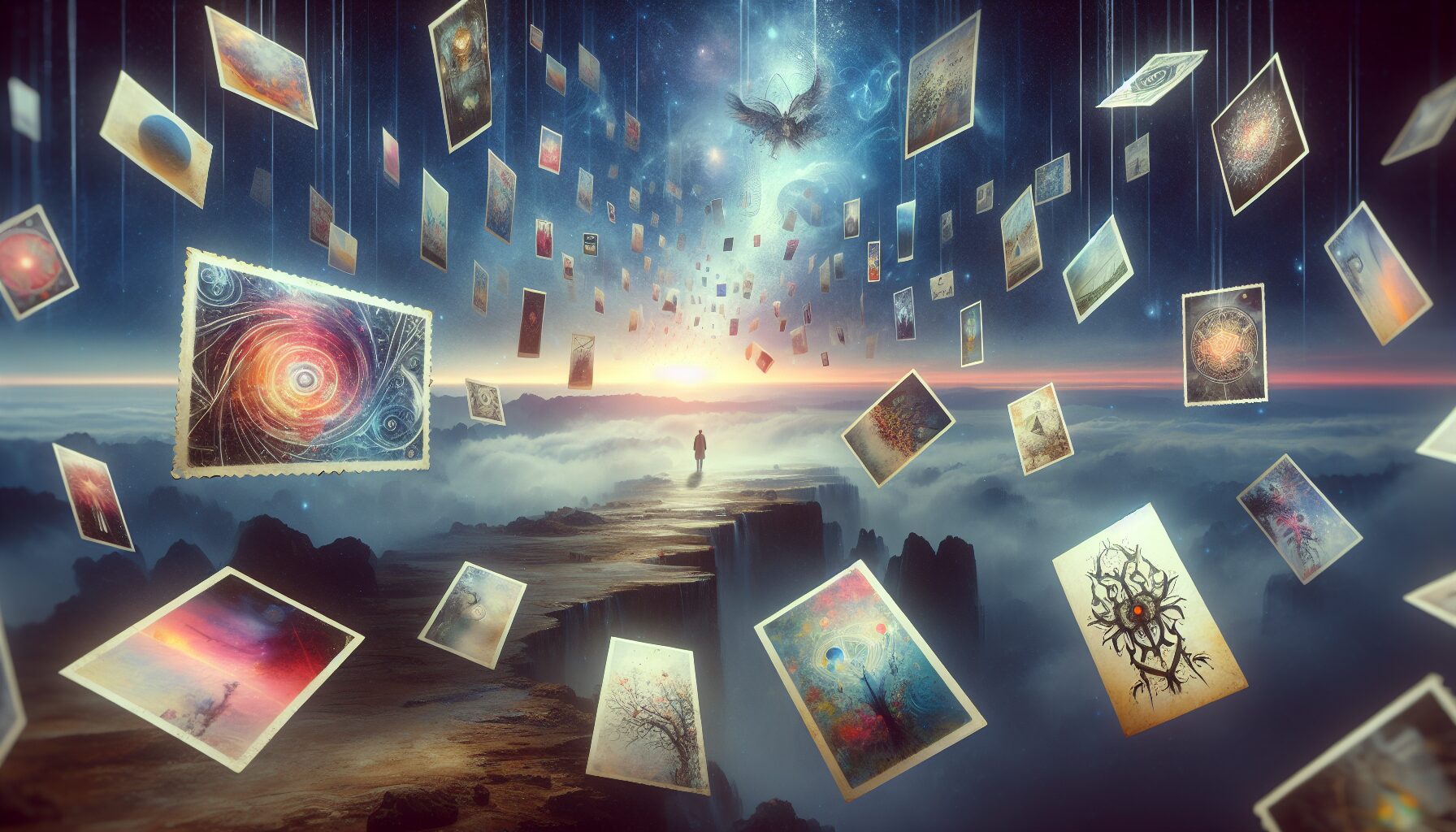
Postcards from Nowhere: Mail Art as Divination
The art of communication has undergone significant transformations over the centuries, from spoken word to the digital age’s instant messages. Yet, amidst these changes, an intriguing and often overlooked form of expression persists: mail art. This unique practice blends tactile experiences with creative impulses, and in recent years, has taken on an almost mystical quality akin to divination.
The Genesis of Mail Art
Mail art, sometimes called correspondence art, began to emerge in the 1960s as part of the avant-garde movement. Artists sought to transcend geographic boundaries, using postal systems as their medium. According to The Metropolitan Museum of Art, “Mail art networks democratized artistic practice, embracing amateurism and accessibility.”
This epistolary art form invites participants to exchange artworks through the mail, embodying democratized communication channels and fostering a global art community. Artists like Ray Johnson, often regarded as a pioneer of mail art, initiated the New York Correspondence School, encouraging interactions that were both intimate and public.
Symbolism and Interpretation in Mail Art
The essence of mail art intersects with the mystical when it serves as a vehicle for symbolic communication. The sender and receiver engage in a process that mirrors divination, where meanings are interpreted beyond their surface value. This phenomenon is reminiscent of reading tarot cards, where the cards’ imagery becomes infused with personal meaning through the querent’s perspective.
“Art is a means of accessing that realm of communication which lies beyond the visible and tangible, offering material results imbued with the spiritual and unknowable.” – Elizabeth Finch, Artforum
Like the tarot reader, the artist takes on the role of the diviner, crafting messages that evoke introspection. Each piece of mail art becomes a speculative clue, and its journey through the postal system infuses it with its own narrative and meaning.
The Journey as the Message
According to the Tate, “The emphasis in mail art is often as much on the act of communication and the journey of the object as it is on the finished artwork itself.” The element of chance inherent in this journey is akin to systems of divination like reading runes or interpreting omens. The mail art piece shifts from a mere message to a narrative shaped by its passage through hands and lands.
The postal system becomes an oracular channel, dictating the fate of each piece. It may arrive altered, damaged, or intact; these variations and accidents yield interpretations unforeseen by the sender, enriching the work with an aura of serendipitous magic.
Collaborative Creativity
Mail art naturally lends itself to collaborative creativity, engaging multiple parties in the production of a single work. This collaboration can be seen as a form of collective divination, where each participant’s inputs alter the piece’s “prophecy.” Such communal creation echoes the spirit of ancient oracles, where multiple priestesses contributed to a singular vision.
An example of this was the “Add and Pass” technique, where recipients were encouraged to add to the artwork before mailing it further. Each addition altered the original, creating a continuously evolving piece that embraced uncertainty and change, much like the continual revelations in a divinatory process.
A Modern Renaissance
With the rise of the digital age, mail art experienced a decline; however, the early 21st century has witnessed a revival. Artists and non-artists alike crave a return to tangible, physical exchanges amid the fleeting nature of digital communication.
Mail art’s resurgence parallels a rekindled interest in divination and the mystical, suggesting that humans incessantly yearn for meaning beyond what is easily accessible. Platforms like Instagram and Reddit host thriving communities dedicated to mail art, providing forums for sharing, exchanging, and interpreting creations.
Mail Art as Modern Divination
Today, mail art continues to serve as a bridge between the mundane and the magical. Each exchange is rich with potential narratives, inviting both sender and recipient to engage in an interpretive dance akin to divining meaning from celestial constellations.
“It’s an act of faith that your work will find its way to an audience. Like sending out a message and waiting for a reply from the universe.” – Caitlin McKenna, mail art enthusiast.
The practice of mail art reminds us of the sacred art of waiting. In a world governed by immediacy, crafting and sending mail art can feel like planting seeds in a secret garden and trusting in the eventual bloom. This mystical patience, spurred by curiosity and the enchantment of the unknown, elevates mail art to an act of personal and communal divination.
Conclusion
Mail art, a beautiful intersection of creativity and mysticism, allows individuals to engage in global dialogue through personal lenses, interpreting and imbuing their creations with layers of meaning. It speaks to the human thirst for connection, the divine, and the inherent artistry of life’s random patterns.
As we continue to navigate an increasingly virtual world, mail art remains a steadfast reminder of the magic in the tangible, inviting us to send and receive postcards from the uncharted expeditions of our own imagination.