Tag: dark

  • Mythic Shadows – Dark Stories from Ancient Lore

    Mythic Shadows – Dark Stories from Ancient Lore

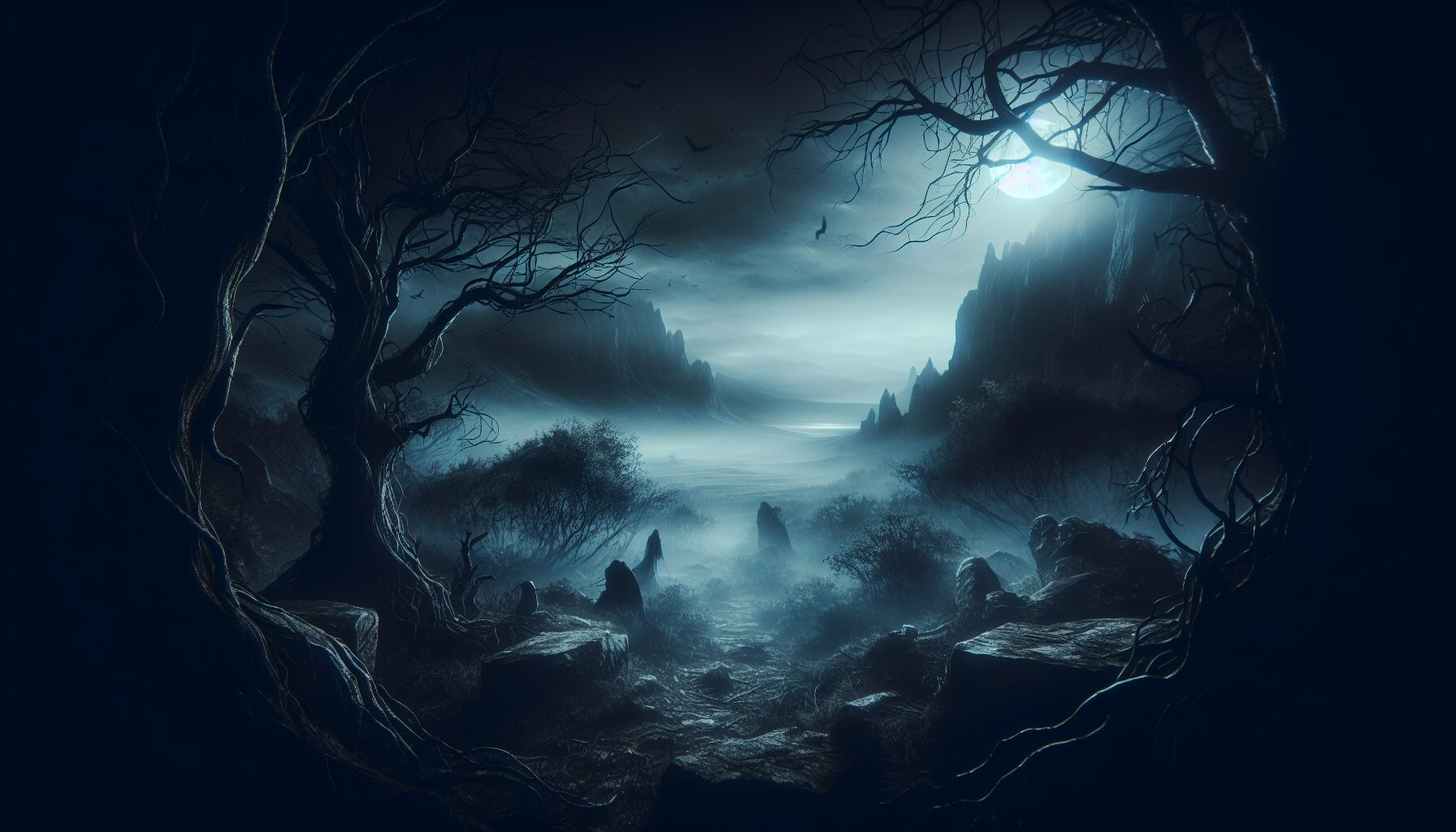
    Throughout history, tales deeply entrenched in myth and mystery have captivated our imaginations, often reflecting the unexplored fears and dark corners of human nature. Ancient lore is rich with stories that evoke shadowy figures and haunting lessons, offering a glimpse into the fears and morals of past civilizations.

    The Tale of Hades and Persephone

    One of the most well-known dark myths originating from ancient Greece is the story of Hades and Persephone. Hades, the god of the underworld, abducted Persephone, the daughter of Demeter, the goddess of the harvest. This tale is not merely about love and abduction; it embodies the seasonal cycle of life and death. The ancient Greeks believed that Persephone’s descent into the underworld brought the barren winter, while her return marked the fertile spring.

    “Although she was mourned for in heaven, happier far than she were the maidens who had gone before, for these suffered an eternity of memories in the lowering realms.” — Edith Hamilton, Mythology

    Norse Myths: Ragnarok and the End of Days

    In Norse mythology, the concept of Ragnarok serves as an apocalyptic tale that foretells the ultimate doom of the gods and humankind. According to the Prose Edda and Poetic Edda, two key sources of Norse myths, Ragnarok is a series of future events, including a great battle, ending with the death of major gods like Odin, Thor, and Loki, followed by natural disasters submerging the world in water. This speaks to the Norse belief in the cyclical nature of the world, highlighting inevitable destruction and rebirth.

    The Egyptian Underworld: Duat

    The ancient Egyptians harbored a deep belief in the afterlife and its challenges. The journey through the Duat was perilous, filled with obstacles and monstrous creatures. The deceased were expected to pass a series of tests, including having their heart weighed against the feather of Ma’at. Those found wanting were devoured by the fearsome goddess Ammit, a composite creature that was part lion, part hippopotamus, and part crocodile.

    “In the Duat, the deceased are judged based on their actions on earth. Only the pure of heart may proceed to the peaceful fields of Aaru.” — Encyclopaedia Britannica

    Conclusion

    These stories, steeped in myth and darkness, offer more than mere entertainment; they mirror the values, fears, and worldviews of the ancient worlds from which they emerged. Through these tales, modern audiences can explore the universal themes of life, death, and rebirth, understanding that even in darkness, there is much to be learned.
  • Blackened Light – Dualities of Dark and Sacred

    Blackened Light – Dualities of Dark and Sacred

    In the realms of esotericism and mysticism, the interplay between light and dark transcends the simple dichotomy of good versus evil. These dualities in spiritual and philosophical discourses enrich our understanding of the universe and ourselves, revealing that both light and dark are necessary to comprehend the sacred totality of existence.

    The Union of Opposites

    The concept of dualism is ancient, stretching back to the yin and yang of Chinese philosophy, which portrays how opposite forces are interconnected and interdependent in the natural world. As noted in the Tao Te Ching, “When people see some things as beautiful, other things become ugly. When people see some things as good, other things become bad.” This suggests that opposites define each other, leading to a harmony that is greater than the sum of its parts.

    The Role of Darkness in Spiritual Traditions

    • Christianity: Darkness in Christianity is often associated with the absence of God and the presence of sin. However, deeper interpretations suggest that darkness can also symbolize a spiritual void that one must experience to appreciate the light.
    • Hinduism: In Hinduism, the goddess Kali, although terrifying in appearance, represents the destruction of evil forces and the protective energy of the divine mother. Here, darkness is also transformative, a necessary phase in the spiritual journey.
    • Esoteric Practices: Many esoteric practices view darkness not as a force to be feared but as a realm of potential. The Kabbalistic concept of the “Dark Night of the Soul,” as written about by St. John of the Cross, illustrates the spiritual desolation and trials individuals endure before reaching divine enlightenment.

    Light as a Dual-Symbol

    Light is typically seen as a positive force, symbolizing truth, clarity, and divine presence. However, its role in duality must not be overlooked. Just as excessive darkness can lead to blindness, excessive light can also be blinding, leading to spiritual arrogance and a false sense of superiority.

    “There are two kinds of light – the glow that illumines, and the glare that obscures.” – James Thurber

    This dichotomy is reflected in numerous religious texts where light can also signify purification, a process that involves pain and sacrifice, like fire refining gold.

    Contemporary Reflections on Light and Dark

    Modern interpretations of light and dark dualities continue to evolve, particularly within art and culture. Contemporary authors, filmmakers, and artists explore these themes, depicting characters and narratives that highlight the nuanced interdependence of these forces.

    For instance, in J.K. Rowling’s Harry Potter series, the tension between good and evil is heightened by the revelation that characters embody traits of light and dark, suggesting that understanding and embracing both sides is essential to holistic self-awareness. As Sirius Black wisely states in “We’ve all got both light and dark inside us. What matters is the part we choose to act on.”

    Psychological Perspectives

    Thought leaders in psychology also provide a lens to examine these dualities. Carl Jung’s concept of the shadow self explores the idea that embracing one’s darker aspects leads to self-discovery and wholeness. Jung argued that by acknowledging and integrating these shadow aspects, individuals achieve a more authentic and balanced life.

    “One does not become enlightened by imagining figures of light, but by making the darkness conscious.” – Carl Jung

    Conclusion: Embracing the Dualities

    The intricate dance between light and dark is both a philosophical exploration and a spiritual quest. It is a journey that encourages individuals to transcend superficial understanding and delve deeper into the mysteries of existence. By recognizing and accepting the dualities inherent in all things, one can attain a richer, more nuanced perspective of what it means to live a sacred life.

    Ultimately, the integration of these dual forces leads us to a profound realization: the sacred does not reside solely in the light or the dark, but in the equilibrium and harmony achieved through their eternal interplay.

  • Gothic Horizons – Dark Aesthetics in Contemporary Culture

    Gothic Horizons – Dark Aesthetics in Contemporary Culture

    Gothic Horizons: Dark Aesthetics in Contemporary Culture

    From the eerie allure of Edgar Allan Poe to the shadowy elegance of modern fashion runways, the Gothic aesthetic has permeated contemporary culture far beyond its literary origins. This darkly romantic and often morose style offers a unique perspective on the beauty found in the unconventional, providing a rich tapestry of creativity in art, fashion, music, and beyond.

    The Historical Roots of Gothic Aesthetics

    The Gothic aesthetic originally emerged in the 18th and 19th centuries. It was a reaction to the Enlightenment’s rationalism, an artistic movement that embraced the mysterious and the supernatural. Gothic literature, characterized by its dark settings and themes of decay and terror, served as a precursor to today’s dark aesthetics.

    “Female Gothic…is a fiction that reveals a woman’s collision with a male society, particularly one where women are looked upon as second-class citizens.” – Ellen Moers

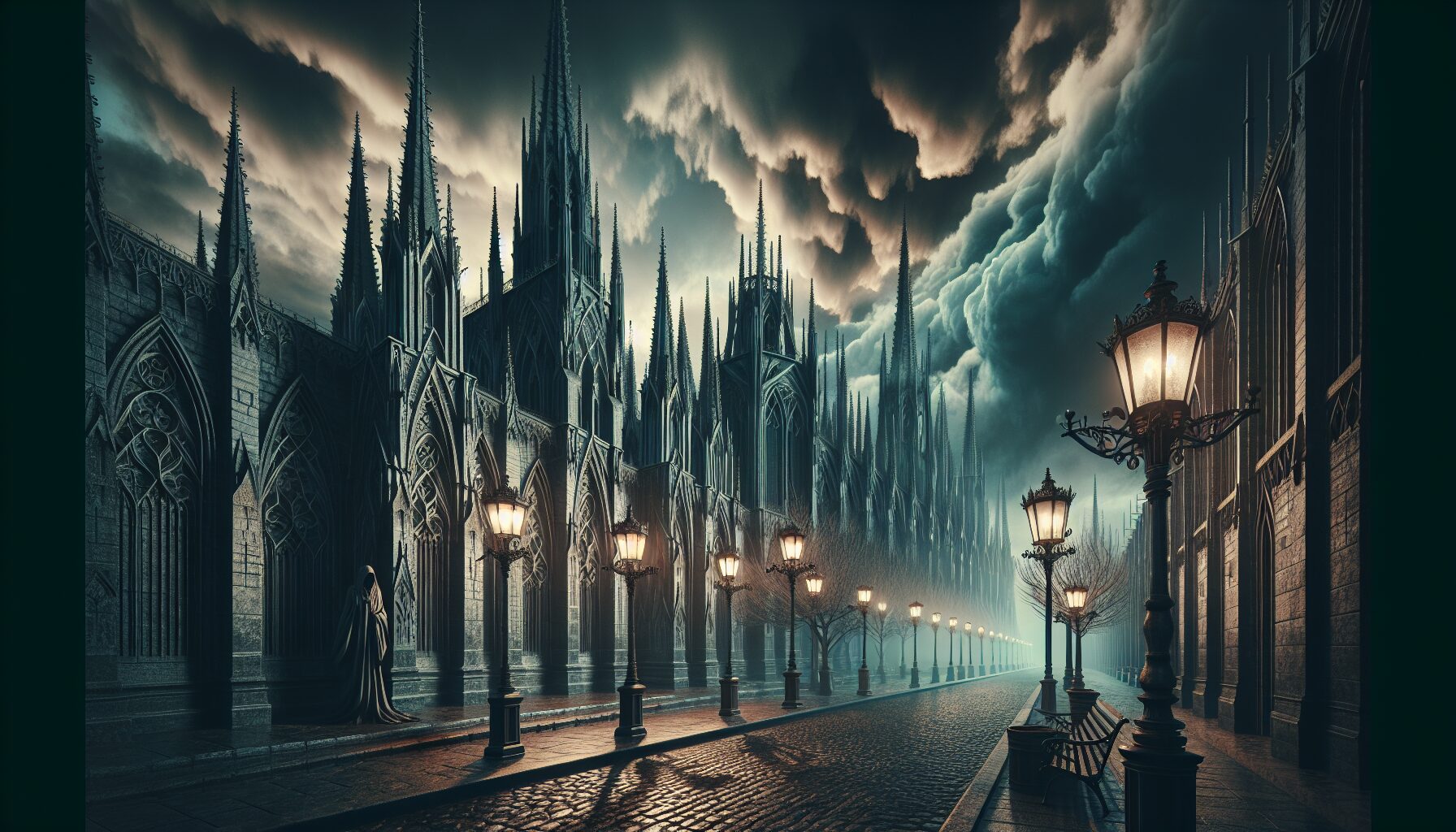
    The Gothic has evolved over centuries, manifesting in various forms such as architecture, literature, fashion, and film. The architectural grandeur of pointed arches and vaulted ceilings is mirrored in the romantic yet macabre worlds imagined by authors and filmmakers, creating an enduring affection for the dark and mysterious.

    Gothic Influences in Modern Fashion

    In contemporary fashion, the Gothic aesthetic is characterized by a preference for dark colors, intricate patterns, and a blend of modern and historical styles. Designers such as Alexander McQueen and Rick Owens have popularized Gothic elements in their collections, combining ethereal beauty with a somber, often theatrical flair.

    • Alexander McQueen: Known for his hauntingly beautiful collections that often incorporate Victorian influences, McQueen uses Gothic motifs to challenge conventional beauty standards.
    • Rick Owens: Renowned for his minimalist Gothic approach, Owens mixes sleek lines with dark, muted tones to create a contemporary yet timeless appeal.

    These designers have helped cement Gothic fashion as a symbol of individuality and nonconformity, appealing to those who find beauty in darkness.

    Gothic Music and its Cultural Resonance

    Music has also played a crucial role in the evolution of the Gothic aesthetic. From the moody post-punk sounds of bands like The Cure to the ethereal gloom of Bauhaus and Siouxsie and the Banshees, the music encapsulates the introspective and often melancholic spirit of the Gothic sensibility.

    “Goth is an evocative, ever-evolving cultural movement that has kept a powerful allure for four decades.” – The Guardian

    This musical genre, often associated with themes of alienation and existential reflection, resonates with audiences seeking emotional depth and authenticity in a world that often seems superficial and disconnected.

    Gothic Cinema: Visual Storytelling in Shadow and Light

    The influence of the Gothic extends into cinema, where filmmakers have utilized its thematic richness and visual drama to craft haunting stories.

    • Tim Burton: Known for his unique visual style, Burton draws on Gothic elements to create whimsical yet somber narratives. Films like “Edward Scissorhands” and “Sleepy Hollow” illustrate his distinctive approach to Gothic storytelling.
    • Guillermo del Toro: With masterpieces like “Crimson Peak” and “Pan’s Labyrinth”, del Toro blends Gothic horror with fairy tale elements to explore themes of love, loss, and the supernatural.

    These directors showcase how Gothic cinema captivates audiences by weaving intricate stories that balance beauty, fear, and longing.

    The Enduring Power of Gothic Aesthetics

    The Gothic aesthetic continues to influence contemporary culture, inviting exploration and reinterpretation. Its appeal lies in its ability to offer a sense of comfort in the macabre and to evoke beauty in spaces where others might see only darkness.

    As society evolves, so too does the Gothic. Its presence in fashion, music, and film ensures that it remains a dynamic and meaningful element of artistic expression. Through its embrace of the shadows, the Gothic offers a unique lens through which to view the nuances of the human experience.

    The Gothic horizon is one of mystery, elegance, and endless possibility, continually transforming and shaping contemporary culture in its indelible, dark beauty.