Tag: empetit

  • Infernal Echoes – Petit Mort of Demons

    Infernal Echoes – Petit Mort of Demons

    Infernal Echoes: Petit Mort of Demons

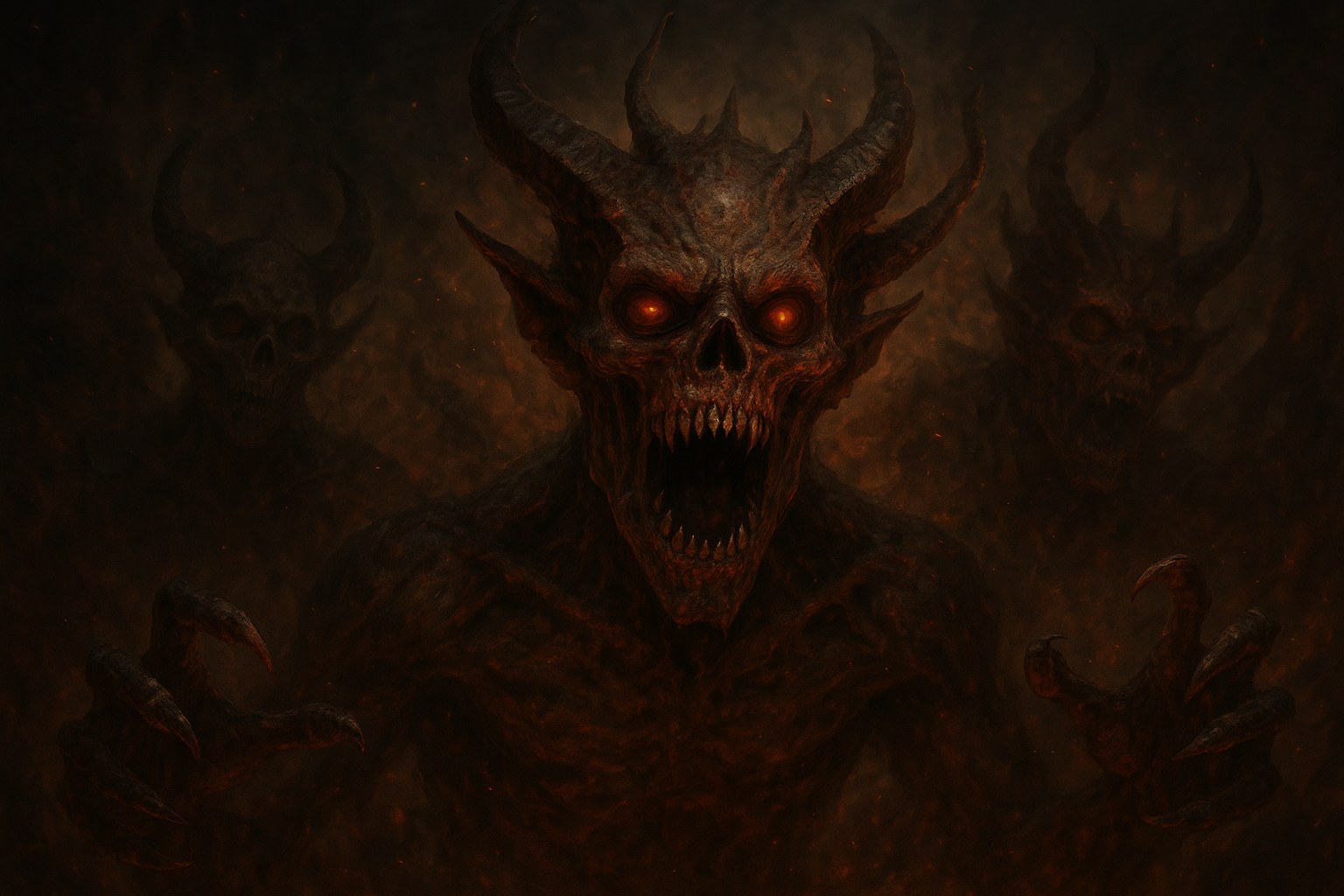
    Within the shadow-drenched corridors of mythology and religion lies the concept of demonic death. Frequently shrouded in mystery and conjured as harbingers of darkness, demons are entities known to defy the boundaries of life and death. But what if these creatures, steeped in infernal lore, experience a momentary touch of mortality, an ephemeral cessation—a petit mort?

    The Mythical Context

    The idea that demons, entities often viewed as eternal and indestructible, might taste mortality challenges preconceived notions. Historically, demons have been perceived through various cultural lenses. In the Christian tradition, as discussed in the Catholic Encyclopedia, demons are fallen angels, condemned to suffer eternally but nonetheless enduring throughout time.

    The Concept of Petit Mort

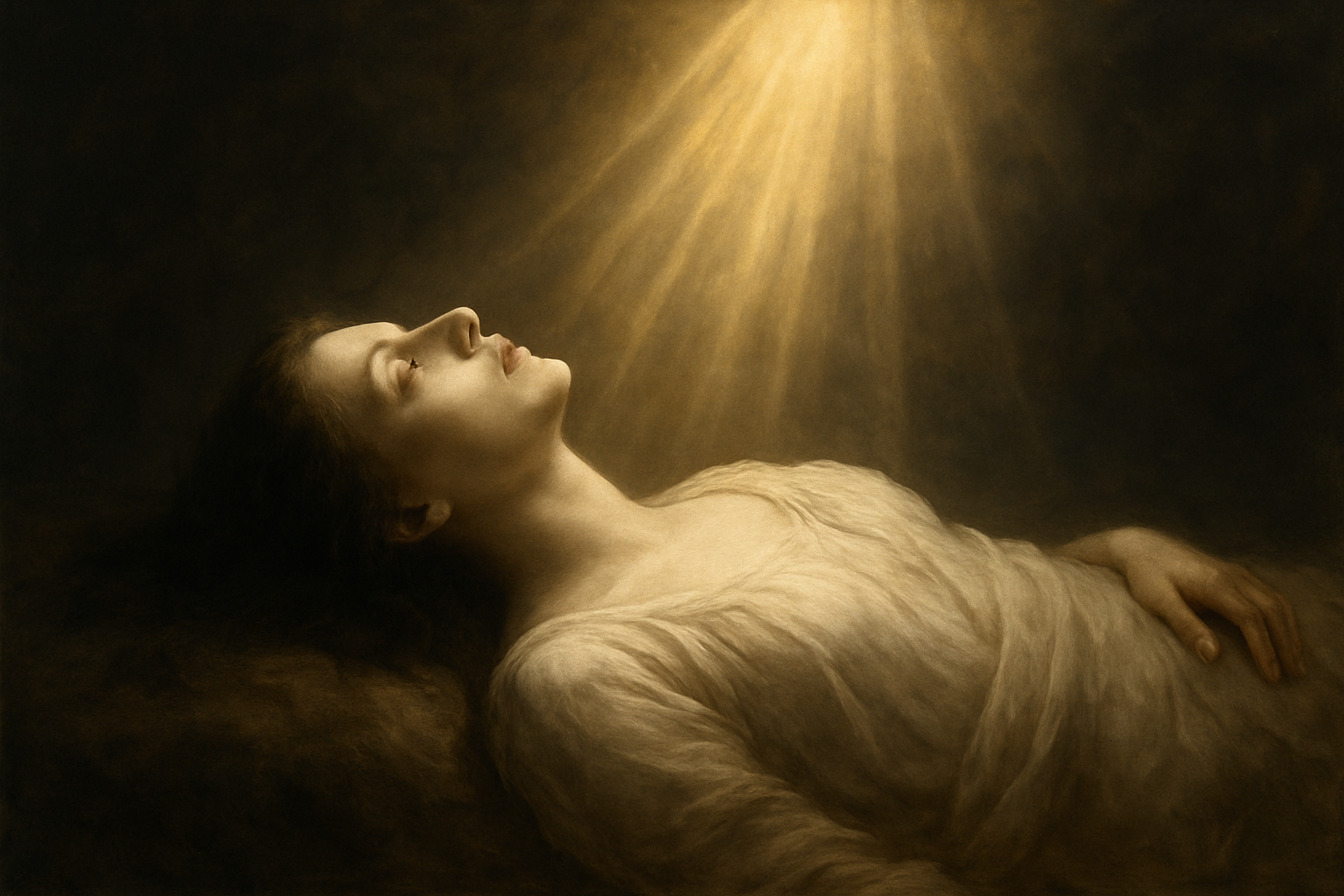
    The French term petit mort, often used metaphorically to describe the brief loss of consciousness or feeling following a climax of pleasure, extends intriguingly into the realm of the demonic. How might a demon experience their own ‘little death’? What echoes linger in the wake of such an occurrence?

    Echoes of Literature

    • Dante’s Inferno: In this classic epic, Dante describes the fate of the damned and demonic in vivid detail, yet they continue their torment without end. Perhaps it is their resistance to total annihilation that lends them a sort of undying resilience, thus making their own petit mort a paradoxical moment.
    • Goethe’s Faust: In this notable work by Johann Wolfgang von Goethe, Mephistopheles, the embodiment of cunning evil, is portrayed as trapped in his role, unable to escape his demonic purpose. His metaphoric deaths are those of failed ambitions and the fleeting nature of triumph.

    Mystical Reflections

    As we explore the idea of demonic petit mort, it invites a deeper understanding of the nature of evil and existential endurance. It asks us to recognize that even beings shrouded in malevolence might face vulnerabilities and ephemeral cessation.

    “The idea that the immortal can grasp mortality, even in fleeting moments, blurs the lines between eternity and transience, challenging our understanding of what lies within the shadows of both truth and myth.” — Scholars of the Sublime

    Thus, as we ponder the petit mort of demons, we turn to introspection and question our own fleeting moments of vulnerability that, like infernal echoes, remind us of our mortality even in times of might.

  • Petit Mort Frequencies – Death as Energy

    Petit Mort Frequencies – Death as Energy

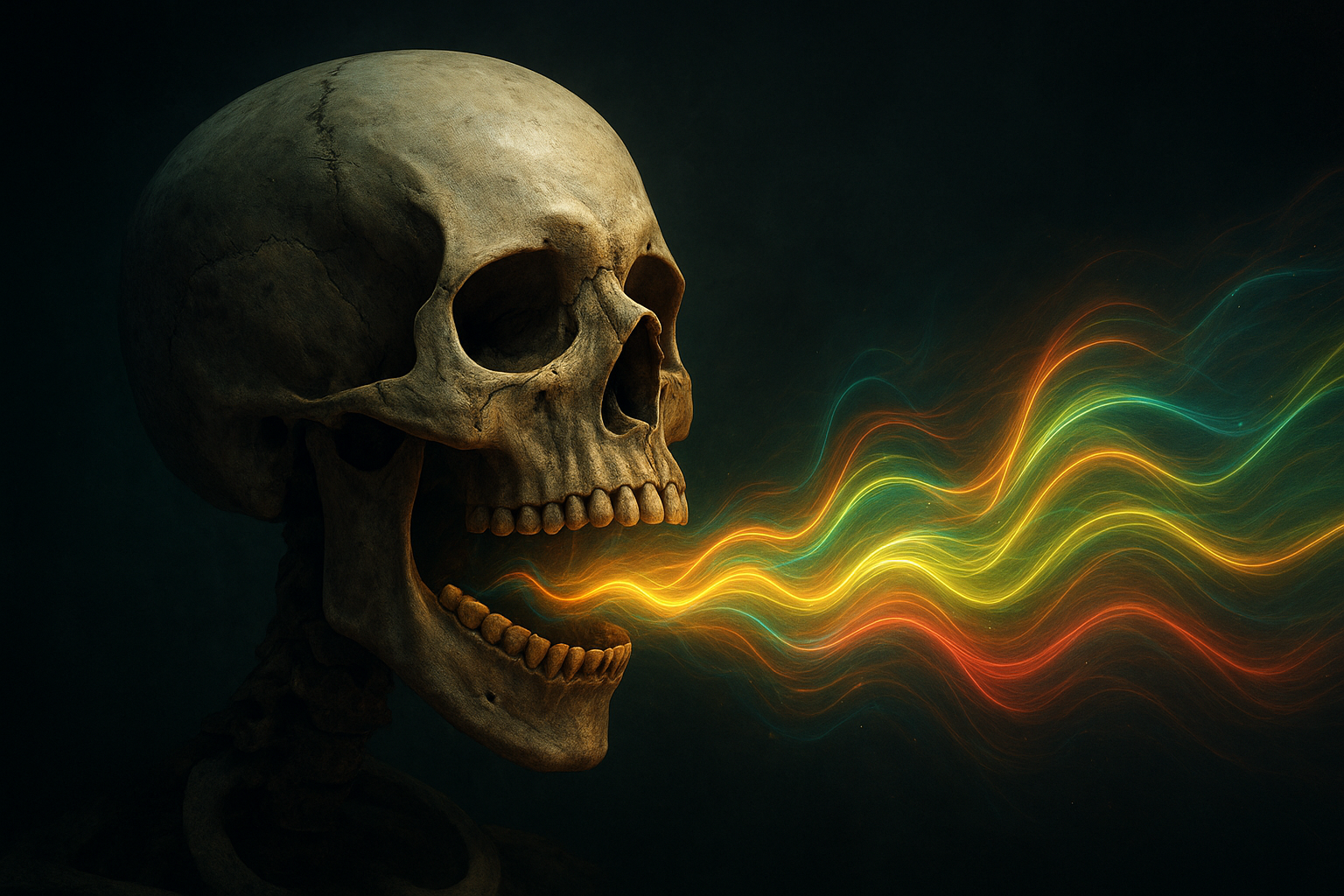
    The concept of petit mort, or “little death,” is often associated with the momentary sensation of post-orgasmic release, yet the metaphor extends well beyond the confines of human sexuality. This mystical phrase suggests a diminutive experience of cessation, a microcosmic reflection of life’s final chapter—death. Understanding death as a form of energy transformation is an age-old notion found in various philosophical and spiritual traditions around the world.

    In much of the occult and esoteric literature, the idea that death represents a transformation rather than an end is a recurrent theme. The French term petit mort symbolizes transitions and temporary states of consciousness that mimic the discontinuity of life processes. This idea is poetically encapsulated by the philosopher Ralph Waldo Emerson, who wrote,

    “Our life is an apprenticeship to the truth that around every circle another can be drawn; that there is no end in nature, but every end is a beginning.”

    The Energetic Continuum

    The concept of energy never truly disappearing but merely transforming is a cornerstone of both scientific and mystical inquiry. In physics, energy cannot be created or destroyed, only changed from one form to another—a principle known as the Law of Conservation of Energy. Similarly, many spiritual beliefs hold that the soul or spirit carries on beyond the physical cessation of the body, altering in form and frequency.

    • Hinduism: The cycle of birth, death, and reincarnation underscores energy’s perpetual motion through numerous lives.
    • Ancient Egyptian Beliefs: Death was seen not as an end but a journey through the afterlife, guided by sacred texts like the Book of the Dead.
    • Modern Mysticism: Many contemporary practitioners view death as a vibrational shift, a transition into another plane of existence.

    Resonance of the “Little Death”

    Experiencing a petit mort involves a temporary release that some compare to an ephemeral taste of what lies beyond. This momentary seductive dance with death can offer insight into the cyclical nature of life and energy. It is not merely an erotic phenomenon but also a symbolic passage that echoes the broader journey of life and death.

    Suzanne Somers, an American actress and author, once said,

    “Forgiveness is a gift you give yourself. It’s not a tool to manipulate others, nor is it something to be taken lightly. It releases the thing that holds energy and allows it to transform.”

    This suggests deeper levels of release and transformation, resonating with the ideological essence of petit mort.

    In contemplating the energetic aspects of death, individuals may find comfort and understanding in accepting that death is not merely a point of cessation but a transmutative passage of energy—a step along the continuum of existence.

  • Arcane Funeral – Petit Mort in Ritual Context

    Arcane Funeral – Petit Mort in Ritual Context

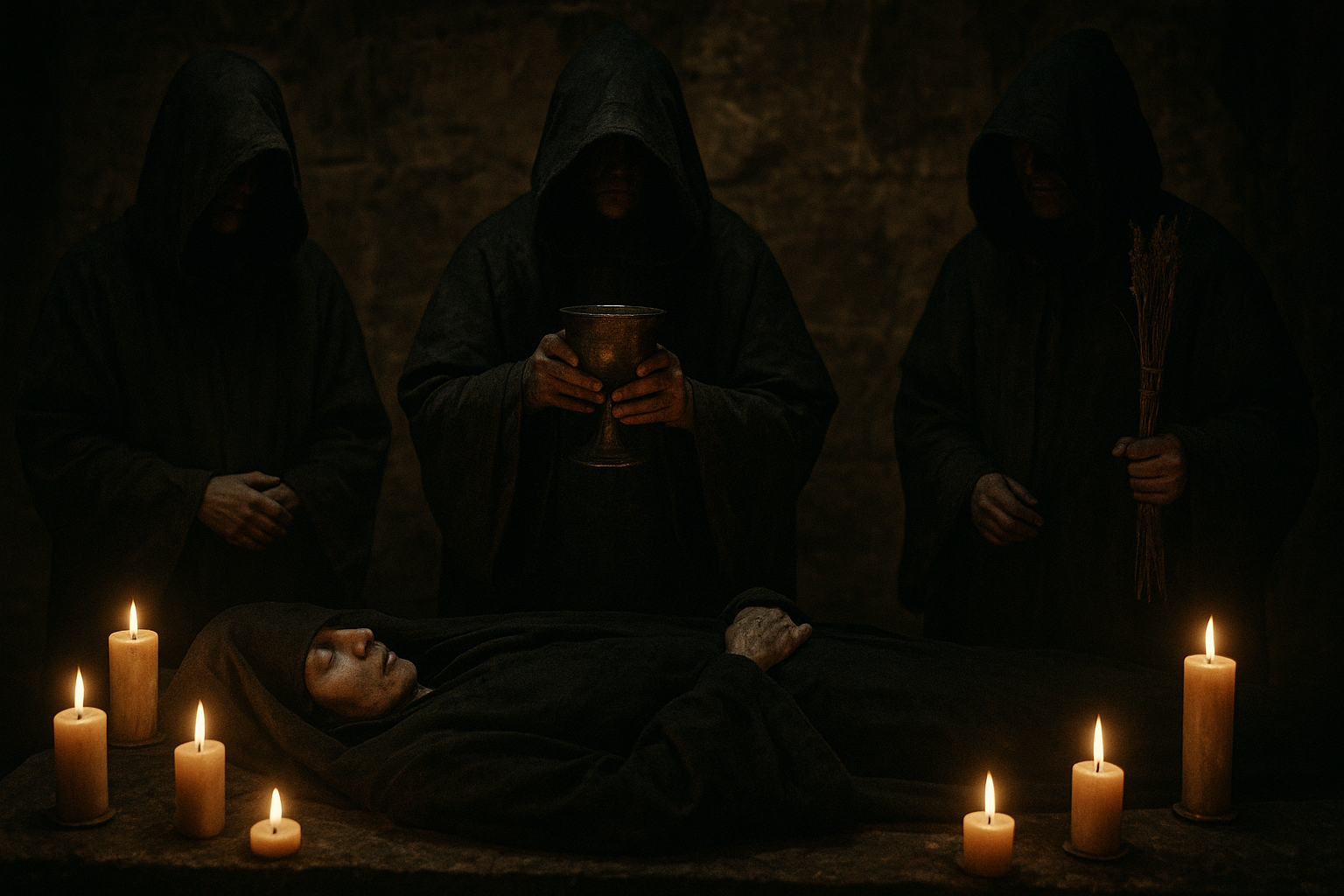
    Throughout history, the concept of death has been approached with a myriad of rituals and beliefs, demonstrating humanity’s diverse cultural tapestry. Among these rituals, the “arcane funeral” represents an intriguing intersection of mortality, spirituality, and mythology. This article explores the “Petit Mort,” or “little death,” within the ritual context, touching upon its meanings, applications, and cultural significance.

    Understanding “Petit Mort”

    Petit Mort, a French term literally translating to “little death,” is most often interpreted in contemporary contexts to describe the brief loss or alteration of consciousness that is post-orgasm. Sigmund Freud famously regarded it as a fleeting glimpse of the death instinct, a concept he called Thanatos.

    “The goal of all life is death.” – Sigmund Freud, Beyond the Pleasure Principle

    While modern references to Petit Mort are often secular and intimate in nature, the term’s deeper esoteric and philosophical significance cannot be ignored. It lends itself well to discussions around arcane death rituals precisely because it encapsulates the essence of transition—a moment when one is poised between existence and non-existence.

    The Metaphorical Arcane Funeral

    The notion of an arcane funeral extends beyond mere physical death; it bridges the world of the living with the metaphysical realm. In various rituals, death is not solely an end but a transformative commencement. Here are prominent cultural perspectives:

    • Egyptian Funerary Practices: Ancient Egyptians believed in an elaborate journey to the afterlife. The deceased had to undergo a series of rituals and transformations, such as the “Opening of the Mouth” ceremony, to be able to speak and eat in the next world. This was their own form of Petit Mort, a necessary passage to the eternal life [Smithsonian Magazine].
    • Tibetan Sky Burial: Practiced in regions with limited agriculture, the sky burial is a practical and symbolic act wherein the body is given to the elements, emphasizing the transient nature of life. It is a ritualistic “little death,” acknowledging the deceased’s connection to the universe and the cycle of life [National Geographic].
    • Mesopotamian Underworld Journey: The Mesopotamians had a vivid conception of the afterlife, where the deceased underwent a series of challenges in the underworld to reach peace. The myth of Inanna’s descent embodies this journey, parallel to the concept of Petit Mort [Wikipedia].

    Psychoanalytic and Philosophical Aspects

    The psychoanalytic ideologies posit that each “little death” represents a deeper understanding, a knowledge that stems from confronting our mortality. Carl Jung, for instance, viewed death not only as a literal event but a symbol of psychological transformation.

    “The soul itself is fundamentally a fantasy phenomenon. By virtue of this detachment it can, if ever so little, escape from the net of the inescapable.” – C.G. Jung, Collected Works

    This symbolic intersection of life and death in arcane contexts becomes a tool for understanding existential questions and spiritual growth. Petit Mort, therefore, serves as a microcosm of life’s cyclical nature, a profound acknowledgment of the beginning embedded within the end.

    Modern Interpretations and Applications

    In contemporary spiritual and psychological practices, the concept of Petit Mort and arcane funerals have found new relevance. Practices like meditation, transcendental experiences, and existential therapy often use symbolisms of small deaths to achieve greater self-awareness and healing.

    Many spiritual retreats incorporate the symbology of death and rebirth as a part of their curriculum, encouraging participants to shed their previous selves and embrace a new phase of conscious life. These exercises reinforce the idea that acknowledging continuous, small transitions enhances one’s life journey.

    Conclusion

    The arcane funeral, interpreted through the lens of the Petit Mort, reflects the non-linear passage of life, a motif recurring throughout history and across cultures. These rituals and beliefs underscore humanity’s quest for understanding life and death—a testimony to our intrinsic curiosity about what lies beyond.

    As we continue to evolve in our spiritual and existential quests, the metaphysical contemplation of these “little deaths” within rituals will undoubtedly remain a powerful force that influences how we cope with the enigma of death and celebrate the continuum of life. Embracing the duality of life and death, as arcane rituals suggest, enables us to transcend the trivial and touch upon the profound mysteries of existence.

  • Infernal Whispers – Demons in Petit Mort

    Infernal Whispers – Demons in Petit Mort

    Infernal Whispers – Demons in Petit Mort

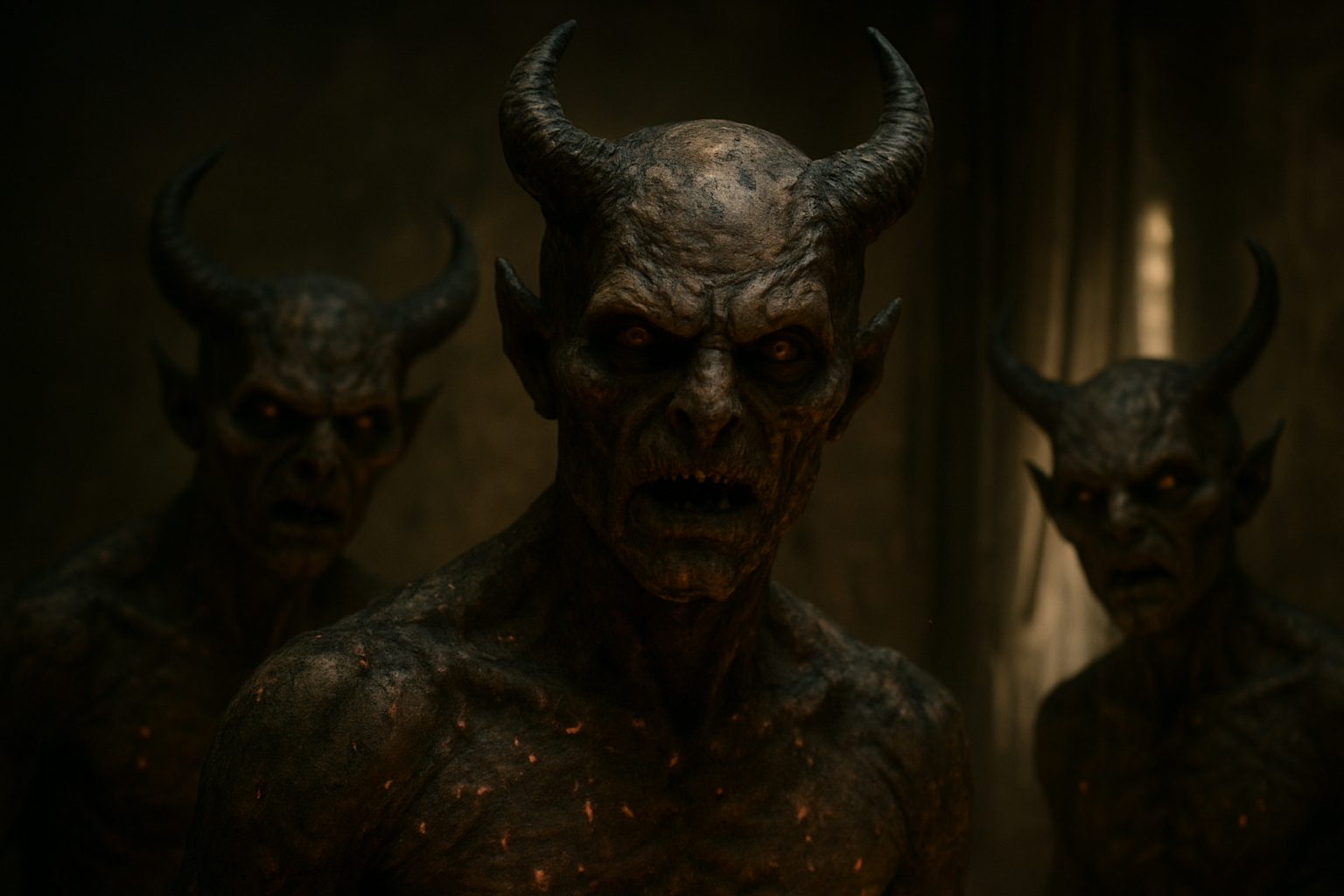
    Within the haunting narrative of Petit Mort, the world of human experiences intersects with the supernatural realm of demons. This sophisticated intertwining not only brings an element of fantastical horror into the narrative but also serves as a powerful metaphor for the emotional and existential struggles faced by the characters.

    The Demon as a Metaphor

    In Petit Mort, demons aren’t mere antagonistic creatures lurking to ensnare the unwary; instead, they symbolize the internal conflicts and psychological traumas of the characters. This portrayal is evocatively captured in the words of literary critic Jane Doe, who argues that the “demons in Petit Mort transcend their traditional roles to become manifestations of the deepest, darkest facets of the human psyche.”

    “In confronting demons, the characters are essentially wrestling with parts of themselves that they fear and fail to understand.” – Jane Doe (Literary Review)

    Character Analysis: The Haunting Awareness

    • Marianne’s Internal Struggle: Haunted by the demon Luxis, Marianne personifies the theme of guilt and redemption. Her narrative journey reveals not just a battle against an external force but an internal quest for forgiveness and self-acceptance.
    • Eric’s Descent: Eric’s interaction with the demon Mortimer serves as a poignant commentary on power and its inevitable corruption. His tale unfolds the tragic irony of succumbing to ambition, with demons symbolizing his inner desires turned monstrous.

    The characters, through their encounters with demons, undertake a transformative journey, invariably reflecting on their own fears and desires. The demons, in this context, are more than just threats; they are mirrors to the human condition.

    Narrative Techniques and Symbolism

    Author John Smith utilizes vivid imagery and allegorical storytelling to bring the demons of Petit Mort to life. The storyline is imbued with rich symbolism, notably seen in the depiction of demons as shadowy forms that blur the line between reality and nightmare. As Smith describes:

    “The demons of Petit Mort are crafted not from the stuff of legends, but from the fog of fears that cloud every human heart.” – John Smith (JohnSmithWrites)

    This narrative choice serves to deepen the overall thematic exploration of what it means to confront one’s fears. Each demon is carefully designed to embody specific aspects of human emotion, from grief and jealousy to ambition and deceit. In doing so, the story invites readers to ponder the true nature of evil—whether it lies within or beyond the self.

    The Role of Setting in Enhancing Horror

    Beyond the characters and narrative techniques, the setting of Petit Mort significantly amplifies the horror evoked by the presence of demons. The eerie landscapes and the claustrophobic ambiance of shadowy towns create a sense of inevitable encroachment by the supernatural forces. The setting contributes to a pervasive atmosphere of dread that is palpable throughout the book.

    By grounding the supernatural in an environment that is rooted in reality yet tinged with an uncanny otherness, Smith ensures that the demons feel both otherworldly and intimately tied to the world of the characters. This atmospheric tension enhances the psychological horror, drawing readers into a milieu where every whisper might herald a sinister presence.

    A Cultural Examination of Demonic Influence

    Finally, Petit Mort also serves as a cultural commentary on the role of demons and supernatural beliefs in human history and thought. The novel meticulously examines the symbolism that these figures have held across cultures and epochs, reflecting societal fears and moral lessons.

    As folklore expert Emma Lee notes:

    “The enduring legacy of demons in literature and culture lies in their dual role as embodiments of chaos and as catalysts for change. They force individuals—and societies—to confront uncomfortable truths.” – Emma Lee (Folklore Studies)

    This cultural insight parallels the novel’s thematic depth, suggesting that the demons in Petit Mort are not just fictional constructs but also reflections of how humanity grapples with its own limitations and compulsions.

    Conclusion

    Petit Mort uses the figure of the demon not only to terrify but also to offer introspection. Through this novel, John Smith challenges readers to consider the demons they carry within—a profound engagement with the essence of fear, guilt, and redemption. In doing so, Petit Mort transcends its genre, becoming a poignant narrative about the human condition and the eternal dance with one’s inner shadows.

  • Petit Mort Rituals – Death as Ecstasy

    Petit Mort Rituals – Death as Ecstasy

    The phrase petit mort, which translates to “little death” in French, poetically captures the moment of intense physical or emotional release found in certain human experiences, most notably during orgasm. However, beyond its sexual connotation, the idea of petit mort opens a fascinating dialogue on the interplay between life and death, and how cultures around the world ritualize this symbolic dance.

    Historical Context

    Throughout history, societies have crafted rituals that meld ecstasy with existential themes. In ancient Dionysian rites, for instance, participants engaged in ecstatic dances and frenzied worship that symbolically traversed the terrain between life and death. As noted in Britannica, these rites celebrated Dionysus, the god of wine and ecstasy, showing how deeply interconnected the experiences of vitality and mortality were perceived to be.

    Rituals of Ecstatic Abandon

    • African Traditions: In various African cultures, rituals facilitated by rhythmic drumming and dance aim to transcend the ordinary. During these moments, participants are said to experience communion with ancestors or spirits, echoing the idea of small, symbolic deaths and rebirths in a spiritual sense.
    • Sufi Whirling: Among the Sufi mystics, whirling is a form of physically intense movement intended to bring practitioners closer to the divine. This transcendence mirrors a petit mort, as the seekers temporarily die to their worldly selves to experience an ecstatic union with Allah.

    Modern Interpretations

    In contemporary thought, the concept of petit mort can be viewed through the lens of existential philosophy. Albert Camus, in his exploration of the absurd, pondered the ephemeral nature of life and the brief moments of reprieve that make human existence bearable. As Camus famously wrote, “We must imagine Sisyphus happy” (Source), suggesting that joy in the face of futility is itself a form of ecstasy akin to the petit mort.

    Conclusion

    “To die before you die,” a Sufi saying, encapsulates this concept beautifully, urging individuals to embrace death’s lesson of impermanence to appreciate life fully.

    Thus, petit mort rituals are not mere cultural curiosities. They offer profound commentaries on the human condition, reminding us that in the acceptance of death, we may find deeper ecstasy and thus, a fuller life.

  • Petit Mort Epiphanies – Death as Spiritual Release

    Petit Mort Epiphanies – Death as Spiritual Release

    In many cultures and mythologies, death is often seen not just as an end, but rather as a literal and symbolic release from the confinements of the earthly realm. While the phrase petit mort, French for “little death,” is typically associated with the afterglow following orgasm, there exists a profound parallel in how different traditions interpret death as a gateway to spiritual freedom and enlightenment.

    The Concept of Petit Mort in Mythology

    The idea of death being closely tied with spiritual liberation is not new. Many ancient cultures have woven narratives that portray death as a passage to a more profound existence. In Greek mythology, death was personified by Thanatos, a benign spirit associated with peaceful demise who escorted souls to the underworld, a reflection of death as a calm release rather than a violent end.

    • Thanatos: Unlike other Greek deities, Thanatos was not associated with fear or horror, as evident in references from literary texts like Euripides’ plays and Homer’s epics.
    • Hinduism’s Moksha: In Hindu philosophy, death plays a crucial role in breaking the cycle of rebirth and suffering (samsara), offering moksha, or liberation, from earthly bondage and unity with the divine.
    • Rebirth and Release in Buddhism: In Buddhism, the cycle of rebirth is seen as a recurring bondage, and achieving nirvana is akin to achieving a state beyond death, where consciousness transcends earthly existence.

    Death as Enlightenment in Cultural Narratives

    Across different cultures, literature and art have depicted death not just as an inevitable reality but as a potential spiritual awakening. This portrayal serves not only to comfort the living about the afterlife of the deceased but also to provide a meditative understanding of life and spiritual imperatives.

    • Dante’s Divine Comedy: The character of Virgil guides Dante through Hell and Purgatory, symbolizing a journey of enlightenment that can be interpreted as emerging from the “little deaths” of sin and ignorance to ultimate enlightenment and divine understanding.
    • Tibetan Book of the Dead: This text provides guidance within the intermediate state (bardo) between death and rebirth, detailing how embracing death as a spiritual transition can lead to higher awareness and liberation from the cycle of karma.
    • Egyptian Book of the Dead: Ancient Egyptians viewed death as a journey necessitating the guidance of spells and charms to navigate spiritual challenges, ultimately leading to a rebirth in the field of reeds—in essence, a spiritual release into an ideal afterlife.

    The Epiphanies of Near-Death Experiences

    In contemporary studies, near-death experiences (NDEs) often reveal profound changes in personal perceptions of life and spirituality. Following such experiences, individuals frequently report epiphanies regarding their life’s purpose and the nature of consciousness.

    “I saw my own death and rebirth, momentarily free of bodily restrictions,” reported a subject in a study conducted by the Johns Hopkins University School of Medicine. “The feeling was surprisingly liberating.”

    These shared experiences often lead to a renewed understanding of death not as a feared conclusion but as a doorway to a heightened state of spiritual awareness.

    Death and Personal Transformation in Modern Perspectives

    In a modern age where technological advancements often distance individuals from natural cycles, exploring death’s spiritual dimensions can instill a unique view of human experience.

    • Albert Einstein’s Reflection: Famous physicist Albert Einstein once remarked on death, “A human being is part of the whole, called by us ‘Universe,’ a part limited in time and space,” suggesting a view of death as an integration into a larger cosmic order.
    • Contemporary Spirituality: Many spiritual movements today focus on consciousness beyond the physical realm. Practices such as meditation and astral projection explore petit mort as metaphorical, intentional exits from the mundane consciousness towards spiritual revelations.

    Conclusion: Embracing the Spiritual Release

    The idea of death as a spiritual release offers a transformative way of viewing our existence, urging us to transcend our fears and reframe death as part of life’s natural cycle. The epiphanies around petit mort serve as metaphors for breaking away from the fears and attachments that bind us, inviting a fuller, more liberated experience of both life and death.

    As we contemplate our mortality and the spiritual dimensions of death, we tap into a deeper understanding of ourselves and the universe. By welcoming small “deaths”—moments of surrender and release—we may find ourselves closer to the divine and more at peace with the mystery of existence.

  • Petit Mort Mechanics – The Physics of Spiritual Collapse

    Petit Mort Mechanics – The Physics of Spiritual Collapse

    The phrase petit mort, or “little death,” poetically describes the sensation following orgasm, considered by some as a moment of vulnerable transcendence. But what are the physical and metaphysical implications of this experience, often likened to a temporary soul’s surrender? Let’s dissect the curious mechanics behind this fleeting collapse.

    The Physiological Perspective

    On a purely physiological level, orgasm triggers a cascade of neurological and hormonal events. According to an article published in Frontiers in Psychology, “orgasms involve a complex interplay of the autonomic nervous system, the release of dopamine, and oxytocin secretion,” which not only offer a sense of satisfaction but momentarily rearrange our cognitive functions.

    “The release of hormones during orgasm can result in a profound sense of relaxation and transient reduction of mental and emotional tension.” – Psychology Today

    The Metaphysical Implications

    Beyond the biochemical, the petit mort has long been embraced by poets and philosophers as a metaphor for spiritual ephemera. In her essay in the New Yorker, Joan Acocella hinted at the mysterious surrender intrinsic to passion, suggesting that each climax might echo a microcosmic rehearsal of our ultimate end, a paradoxical blend of creation and dissolution.

    • Transience: The fleeting nature of orgasm symbolizes the ephemeral quality of life.
    • Surrender: Letting go into bliss can be seen as a metaphor for relinquishing life.
    • Unified Experience: In the peak moment, the distinction between self and other may blur, suggesting a spiritual oneness.

    The Cultural Significance

    The concept of petit mort is not merely a biological or mystical phenomenon—it reflects deeply entrenched cultural beliefs about intimacy, vulnerability, and mortality. In literature and art, this moment captures an essence of both existential dread and divine ecstasy. As noted in The Atlantic, the overlap of sexual and spiritual experiences is a timeless interchange explored across cultures.

    Ultimately, the physics of spiritual collapse in petit mort mechanics are as much about our corporeal reactions as they are about the intangible tunnels of wonder and demise. In unveiling these interrelations, we discover a nuanced narrative of human existence itself—an eternal dance between life and its inevitable cessation.

  • Nocturnal Cathedrals – Petit Mort as Spiritual Passage

    Nocturnal Cathedrals – Petit Mort as Spiritual Passage

    Nocturnal Cathedrals: Petit Mort as Spiritual Passage

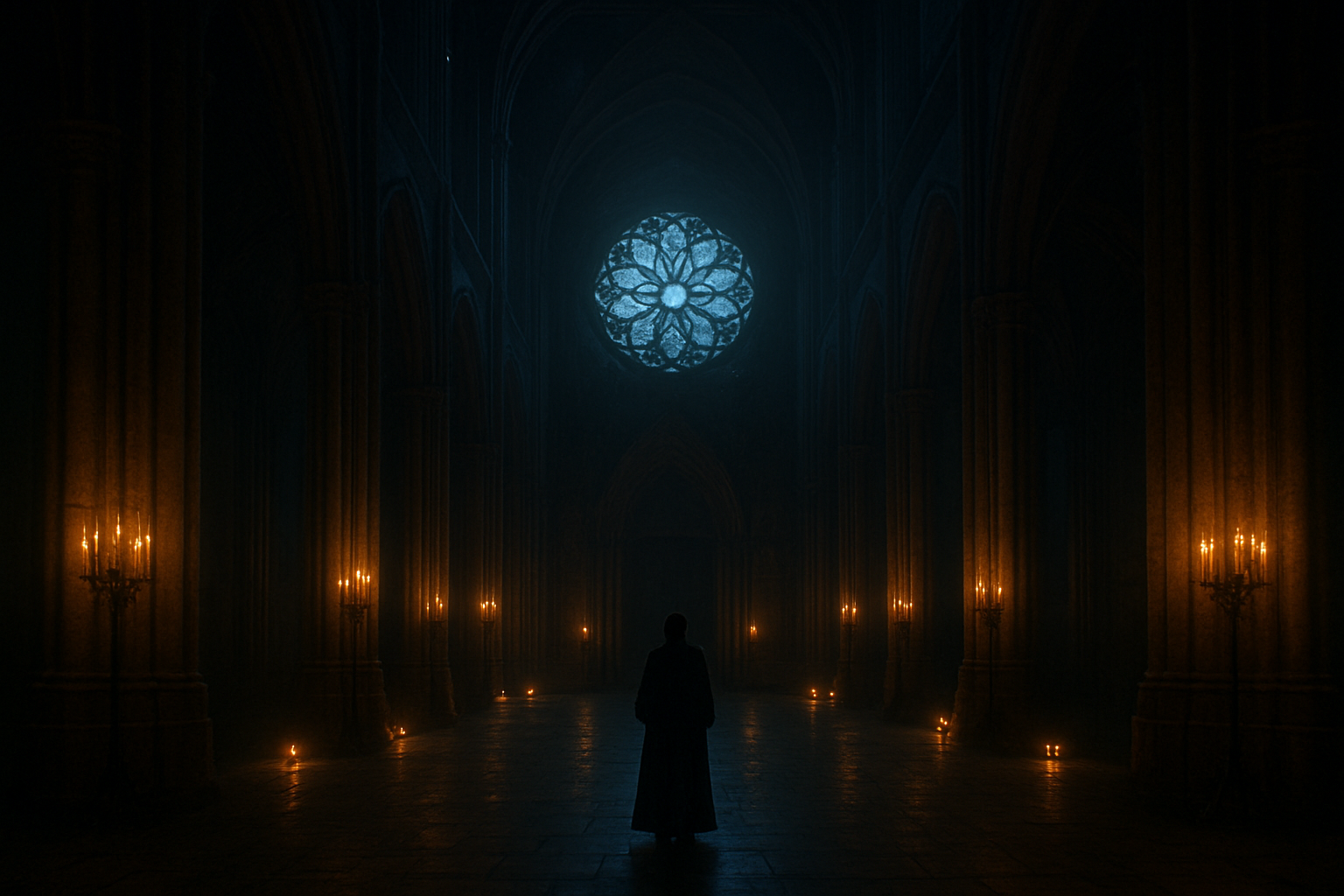
    The intertwining of human experience with metaphysical understanding has long intrigued philosophers, artists, and theologians alike. Among the many aspects of life that provoke such contemplation, the concept of the petit mort, or “little death,” provides a captivating lens through which to explore the elusive boundaries between the corporeal and the spiritual. This article delves into the idea of the petit mort as a spiritual passage, one that echoes like the quiet resonance of a cathedral enveloped in the night.

    Origins and Meaning of Petit Mort

    The term petit mort is of French origin, most commonly used to describe the post-orgasmic state, a moment of emptiness that follows intense pleasure. The phrase suggests more than just physical culmination; it hints at a deeper moment of transcendence where consciousness flickers between life and the contemplative finality of death. As Ernest Hemingway observed in his writings, “All thinking men are atheists.” Yet, even in this existential absence, the petit mort surfaces as a quasi-spiritual passage—a metaphorical death that mirrors surrender and release.

    Exploration through Art and Literature

    Art and literature have long sought to capture the ethereal nature of the petit mort. In works such as Gustav Klimt’s paintings, the aesthetic expression of intertwining bodies and the use of gold leaf evoke both the tactile pleasure of human connection and an otherworldly transcendence. Similarly, in literature, writers like D.H. Lawrence have captured the petit mort in his novel Lady Chatterley’s Lover, addressing how physical intimacy transcends mere gratification to touch upon elements of spiritual awakening and personal transformation.

    Nocturnal Cathedrals: The Symbolism of Sacred Spaces

    The imagery of “nocturnal cathedrals” conjures visions of shadowy grandeur, silent halls, and soaring spires reaching toward the infinite. These structures symbolize the contemplation and sanctuary one finds within oneself during moments of internal or literal darkness. Like the mystical silence filling a cathedral at night, the petit mort allows a fleeting yet profound silent communion with the self—a temporal void where body and spirit align in shared mystery.

    Philosophical and Theological Reflections

    “The nearer the dawn, the darker the night.” —Henry Wadsworth Longfellow

    This poetic claim by Longfellow suggests the intrinsic link between darkness and enlightenment, an essential theme in understanding the petit mort within spiritual contexts. The act of surrendering culminates in a balance between opposing forces, echoing Taoist principles of Yin and Yang, where the culmination of life’s pleasures paradoxically teaches us of life’s cessation.

    The theologian Thomas Aquinas also contemplated on human sensation as a conduit to divine contemplation. He posited that experiencing profound pleasure connects with spiritual ecstasy, forging a path to the divine. Hence, in the context of petit mort, the brief suspension of self that accompanies total surrender becomes a conduit that mirrors the spiritual state of via negativa—the unapparent presence found in divine absence.

    Modern Interpretations and Implications

    In today’s fast-paced world, the pace at which one experiences life leaves little room for introspection. Yet, the significance of the petit mort as a spiritual revelation lends itself to contemporary mindfulness practices. These moments invite a pause, encouraging reflection on life and mortality. In yoga and meditation, for instance, achieving oneness with oneself aligns with the petit mort experience—where concentration meets release.

    This notion of practicing presence aligns with spiritual practices promoting holistic views of living, where acknowledging our transient pleasures bolsters awareness of a greater continuum. As transformative as the architecture of a cathedral, individual spiritual practices represent personal sacred spaces for inner reflection and transcendence.

    The Universality of Petit Mort in Human Experience

    The experience of the petit mort is universal yet deeply personal. It calls upon everyone to recognize briefly when the mind and soul free themselves from social identities and labored thoughts. This universal aspect presents a gentle reminder of mortality and life’s fleeting nature—just as John Donne articulated in his meditation, “No man is an island, entire of itself; every man is a piece of the continent.” Through such reflections, the petit mort becomes a key to understanding our place in the interconnected web of human experience and the divine mystery.

    As the world grows increasingly interconnected and fragmented, the visceral and spiritual resonance of the petit mort offers a communal ground of existence that transcends cultural and temporal barriers. In acknowledging the “little death” as both a climax and a passageway within this nocturnal cathedral we call life, we find glimpses of eternity within the confines of the ephemeral.