Tag: infernal

  • Infernal Echoes – Petit Mort of Demons

    Infernal Echoes – Petit Mort of Demons

    Infernal Echoes: Petit Mort of Demons

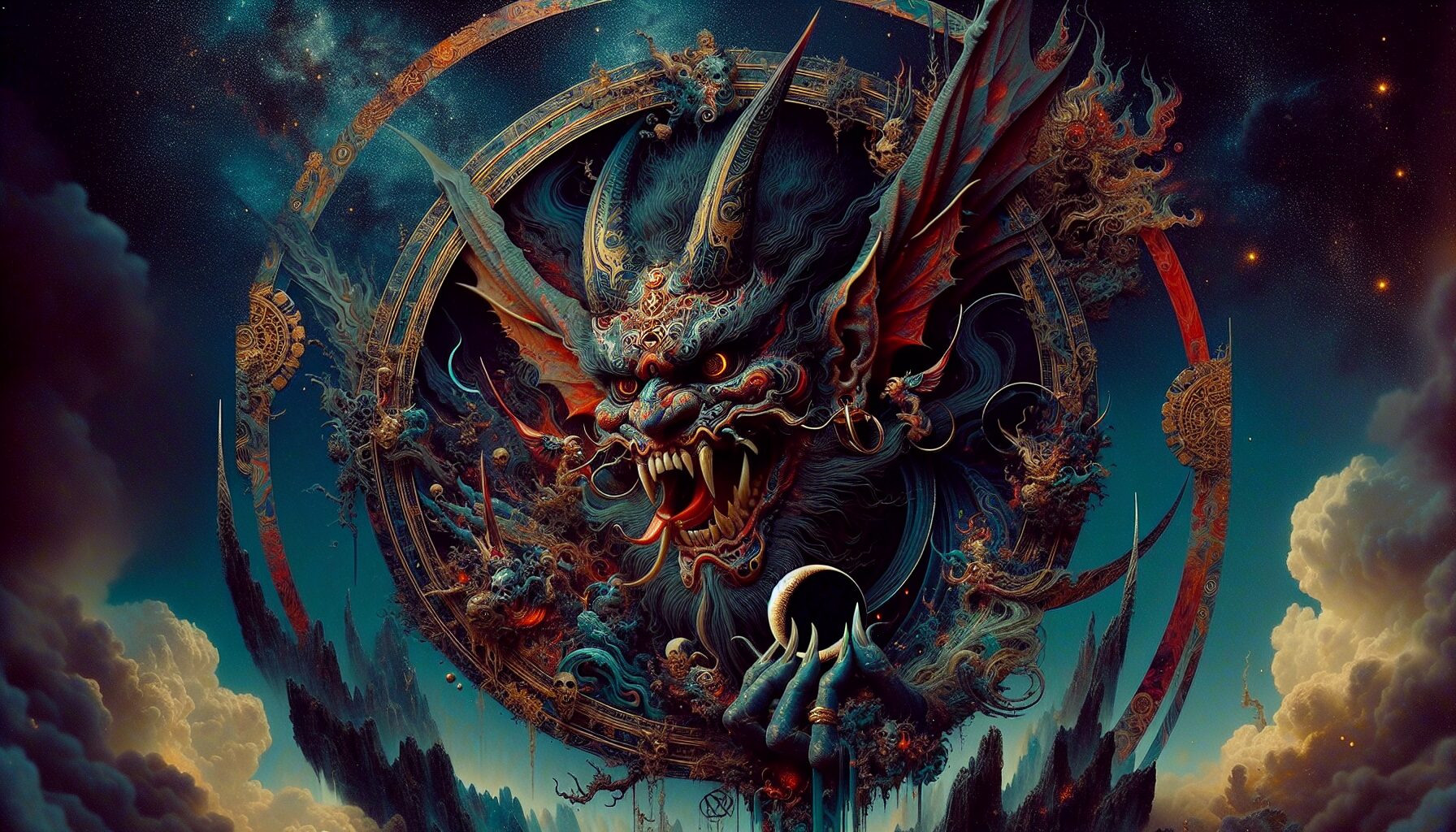
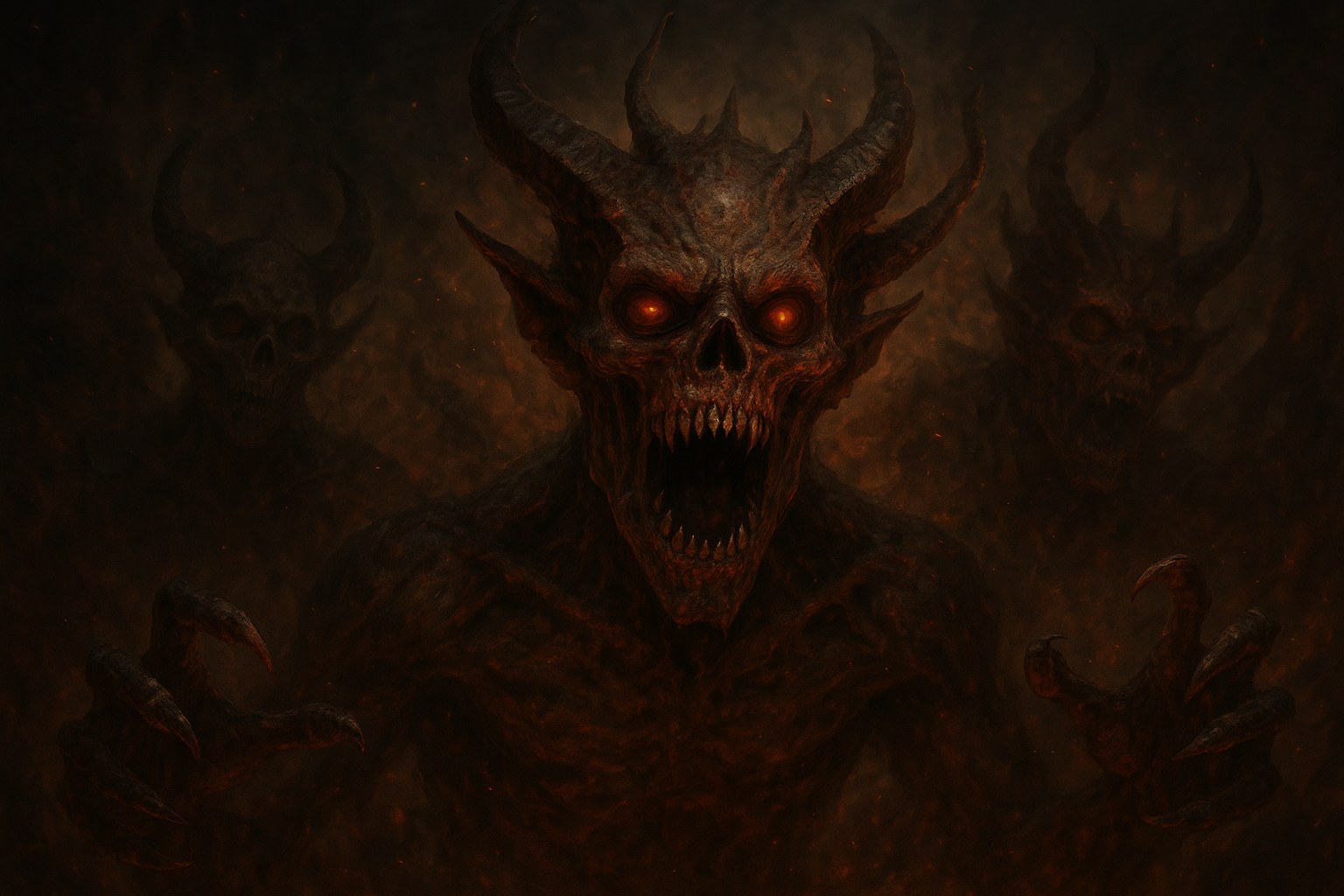
    Within the shadow-drenched corridors of mythology and religion lies the concept of demonic death. Frequently shrouded in mystery and conjured as harbingers of darkness, demons are entities known to defy the boundaries of life and death. But what if these creatures, steeped in infernal lore, experience a momentary touch of mortality, an ephemeral cessation—a petit mort?

    The Mythical Context

    The idea that demons, entities often viewed as eternal and indestructible, might taste mortality challenges preconceived notions. Historically, demons have been perceived through various cultural lenses. In the Christian tradition, as discussed in the Catholic Encyclopedia, demons are fallen angels, condemned to suffer eternally but nonetheless enduring throughout time.

    The Concept of Petit Mort

    The French term petit mort, often used metaphorically to describe the brief loss of consciousness or feeling following a climax of pleasure, extends intriguingly into the realm of the demonic. How might a demon experience their own ‘little death’? What echoes linger in the wake of such an occurrence?

    Echoes of Literature

    • Dante’s Inferno: In this classic epic, Dante describes the fate of the damned and demonic in vivid detail, yet they continue their torment without end. Perhaps it is their resistance to total annihilation that lends them a sort of undying resilience, thus making their own petit mort a paradoxical moment.
    • Goethe’s Faust: In this notable work by Johann Wolfgang von Goethe, Mephistopheles, the embodiment of cunning evil, is portrayed as trapped in his role, unable to escape his demonic purpose. His metaphoric deaths are those of failed ambitions and the fleeting nature of triumph.

    Mystical Reflections

    As we explore the idea of demonic petit mort, it invites a deeper understanding of the nature of evil and existential endurance. It asks us to recognize that even beings shrouded in malevolence might face vulnerabilities and ephemeral cessation.

    “The idea that the immortal can grasp mortality, even in fleeting moments, blurs the lines between eternity and transience, challenging our understanding of what lies within the shadows of both truth and myth.” — Scholars of the Sublime

    Thus, as we ponder the petit mort of demons, we turn to introspection and question our own fleeting moments of vulnerability that, like infernal echoes, remind us of our mortality even in times of might.
  • Infernal Codes – Demons and the Arcane Law

    Infernal Codes – Demons and the Arcane Law

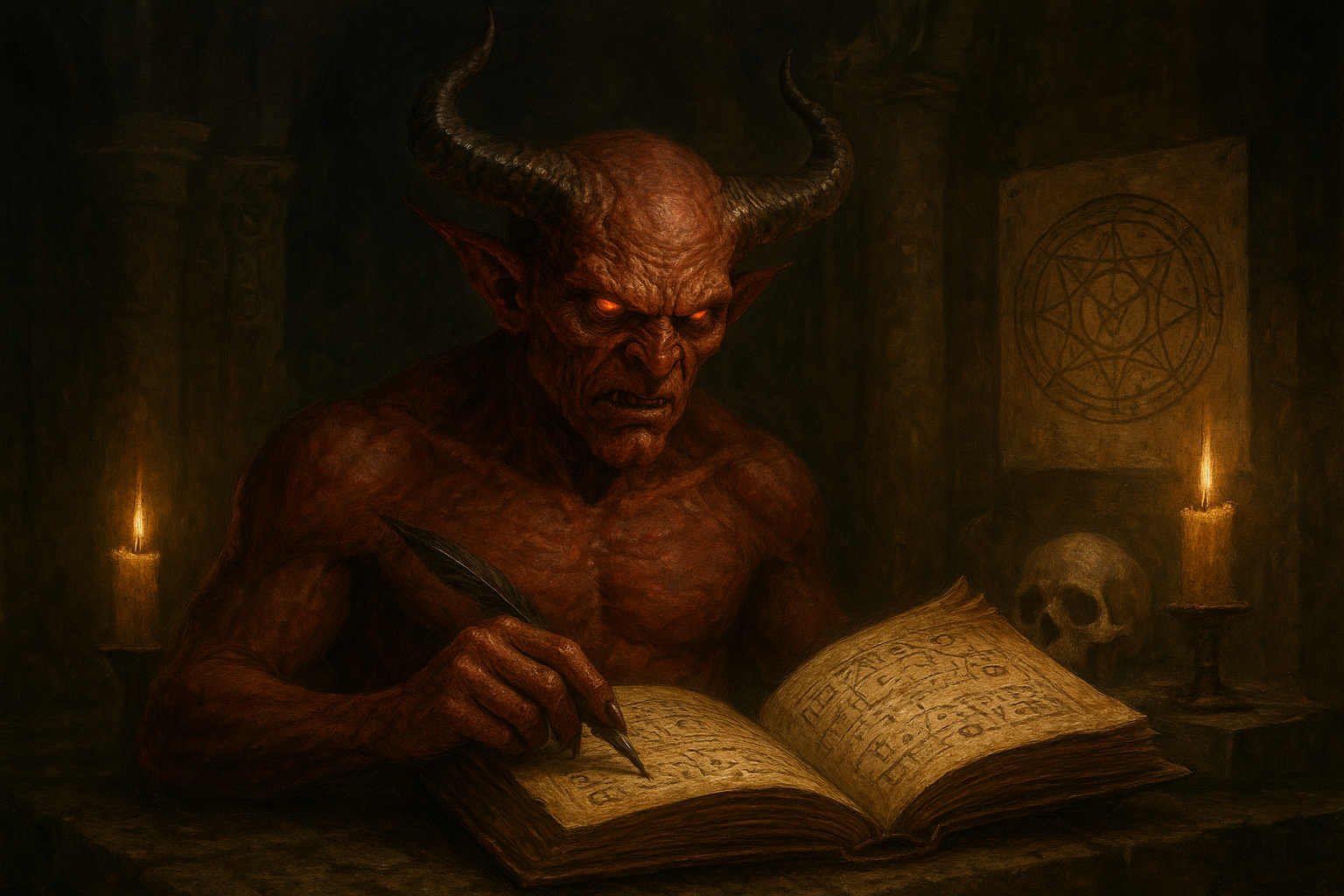
    In the ever-expanding digital realm, a new breed of malware is haSteking the world by storm, referred to as “Infernal Codes.” These are not just simple scripts designed to disrupt; they are complex, enigmatic, and akin to demonic entities, lurking in the shadows of the Internet.

    The term “Infernal Codes” conjures images of evil incarnations within your devices. However, these malicious codes are entirely digital, crafted by programmers with a penchant for chaos and disruption. While not fundamentally different from traditional malware in their objectives, their sophistication and deceitfulness make them stand out.

    “Infernal Codes operate like demons—they possess systems, spread silently, and are immensely difficult to exorcize,” notes Dr. Carla Vespucci, a cybersecurity expert at the University of Gothenburg.

    The Anatomy of Infernal Codes

    • Complex Obfuscation: Much like a demon cloaking itself in mystery, these codes use advanced obfuscation techniques to hide their true intentions.
    • Persistence: They are designed with resilience in mind, making them exceptionally hard to remove, even for seasoned IT professionals.
    • Self-Propagating Nature: Once unleashed, they spread relentlessly across the network, not unlike a digital plague.

    The rise of such sophisticated malware calls for an equally evolved set of cybersecurity protocols. As noted in a report by Cybersecurity Journal, traditional anti-virus solutions often fall short and are likened to using archaic rituals in a modern exorcism.

    Enforcing the Arcane Law

    The battle against these infernal entities is ongoing, with cybersecurity experts acting as modern-day spellcasters. As the arcane law focusing on these malignant codes develops, regulations and strategic countermeasures are becoming more pronounced. Key to their strategy is the adoption of advanced machine learning algorithms and artificial intelligence to anticipate and neutralize threats before they manifest.

    “The future of cybersecurity lies in understanding and outsmarting the very algorithms that drive these digital demons,” states James O’Brien, CTO of SecureNet Solutions.

    For IT professionals, acquaintance with these codes is paramount, not just for protection, but for preparedness in an ever-evolving digital battlefield. This encapsulates both the technical and philosophical understanding required to maintain dominion over the cyberspace.

    As we attempt to lay down the arcane law against these infernal entities, one thing remains certain: the ongoing narrative between coders and their creations, the digital wizards and their infernal adversaries, will continue to captivate and challenge the digital world.

  • Infernal Emptiness – Demonic Archetypes of Absence

    Infernal Emptiness – Demonic Archetypes of Absence

    In the realm of demonic lore, few concepts are as intriguing and paradoxical as the idea of infernal emptiness. This is the notion that demonic entities are not merely malevolent forces, but also represent profound absences. These archetypes of absence compel us to explore the spaces where darkness reigns not by the presence of evil, but by the vacuum of light, hope, and essence.

    The Nature of Absence in Demonology

    Throughout history, demons have often been seen as agents of chaos and destruction. However, a deeper examination reveals that many demonic figures embody a more profound absence. This absence takes on various forms, from the lack of empathy and compassion to the void of meaning and purpose.

    “For indeed, darkness is largely the absence; and it is not the forces of evil that invade but rather the voids in which light fails to suffice,” suggests C.G. Jung, the renowned Swiss psychiatrist. This perspective reframes demons not just as invaders, but as entities that thrive in the spaces left unguarded by human neglect or spiritual deficiency.

    Demonic Archetypes Representing Absence

    • Astaroth: The Space of Forgotten Knowledge

      Astaroth, a demon often associated with laziness, is considered a major source of emptiness concerning knowledge and wisdom. This figure represents the forgotten lore, the abandoned wisdom that once was and could be again if not for humanity’s neglect.

    • Baal: The Void of Community

      Representing the absence of community, Baal embodies the breakdown of societal structures and the isolation of the individual. Where unity should strengthen, Baal’s influence creates divides, ensuring that solidarity crumbles into the emptiness of alienation.

    • Azazel: The Gentleness Left Behind

      Azazel, often associated with scapegoating and atonement, signifies the existence of absence within the soul. This demon thrives in the voids where gentleness and empathy are intentionally abandoned, leaving behind a barren inner landscape.

    The Psychological Implications of Demonic Absence

    Understanding demons as archetypes of absence allows us to confront our own deficiencies. The notion of infernal emptiness acts as a mirror, forcing individuals to acknowledge the parts of their lives and societies that they have neglected.

    “The demons are content to gnaw away at our souls, not by presenting an overwhelming force, but by letting us fall into our own emptiness,” says Psychology Today.

    This perspective invites a re-evaluation of how individuals approach personal growth and community development. By recognizing these absences, people can work towards filling them with positive action and intention, reclaiming these voids from demonic influence.

    Cultural Reflections on Infernal Emptiness

    The archetypes of absence observed in demonic figures are not just limited to the confines of folklore and myth. They permeate culture, literature, and modern media, reflecting humanity’s deep-seated fears and shortcomings. From Shakespeare’s Macbeth to modern horror narratives, the theme of a void where something vital is missing recurs as a central motif.

    In literature, the absence can often symbolize a deeper societal commentary. Shakespeare’s exploration of ambition without conscience, for instance, can be viewed as a reflection of infernal emptiness within the soul. Similarly, modern horror films, such as The Babadook, exploit the idea of absence within familial relationships and mental health to create narratives that resonate with contemporary audiences.

    Reclaiming the Void: A Pathway Forward

    To counteract the effects of infernal emptiness, individuals and communities must strive to fill their voids with purpose and positive values. This involves active participation in creating connections, seeking knowledge, and nurturing empathy.

    The New York Times highlights this journey as essential, noting that, “It’s our urgent task to heal the divides of absence left by our own inattention.”

    In doing so, people can transform spaces of absence into areas of abundance, warding off the metaphorical demons that seek to inhabit those voids. By understanding and confronting the archetypes of absence, humanity gains a chance to reclaim its narrative from the clutches of infernal emptiness.

    Demonic archetypes, while daunting, provide a valuable lens through which to examine the human condition. As humanity advances further into the 21st century, these figures offer both a warning and an opportunity: to recognize the voids within and strive to fill them with light, rather than letting them be consumed by darkness.

  • Infernal Archetypes – Demons in Myth and Psyche

    Infernal Archetypes – Demons in Myth and Psyche

    Throughout history, demons have held a potent place in the myths and stories of cultures worldwide. These infernal entities embody fear, temptation, and the unknown, acting both as figures of evil and as reflections of the human psyche. From the terrifying Asuras of Hindu mythology to the cunning tempters of Judeo-Christian lore, demons represent complex archetypes that bridge the supernatural and the psychological.

    Demons in Cultural Myths

    The presence of demons in mythology is pervasive and diverse. In Japanese folk traditions, Oni are malevolent spirits, often depicted as gigantic, ogre-like creatures wielding iron clubs. These figures are feared for their capacity to disrupt order and bring calamity.

    In contrast, Middle Eastern tales feature the notorious Djinn, which are considered spirits capable of good or evil. These beings, as noted in Islamic culture, can shape-shift, alter reality, and influence human fates, creating narratives that challenge our understanding of free will and destiny.

    Demons and the Human Psyche

    Psychologically, demons can be seen as manifestations of the darker elements of the human mind. Renowned psychoanalyst Carl Jung discussed the concept of the “shadow,” which represents the suppressed aspects of personality. Jungian theory suggests that encountering our inner demons is a necessary part of personal growth and self-discovery.

    “One does not become enlightened by imagining figures of light, but by making the darkness conscious.”

    This quote, attributed to Jung, highlights the importance of integrating these shadowy parts into conscious awareness, thereby reducing their potential to control and manipulate behavior unknowingly.

    Modern Interpretations and Significance

    In contemporary culture, demons continue to captivate and terrify, from horror films to literature. They often symbolize internal struggles such as guilt, addiction, and fear. By externalizing these internal demons, modern narratives provide a platform for audiences to confront and question their own fears and anxieties.

    Thus, demons remain a vital part of both collective myths and individual psychology. They are reminders of the innate balance between light and shadow, good and evil, in the vast tapestry of human experience. The study of these archetypes offers valuable insights into the consciousness, encouraging a journey into the depths of the mind where these infernal entities reside.

    In exploring demons as archetypes of myth and psyche, we can better understand the roles they play in our stories and in our lives—a dance of darkness and light, always compelling, always relevant.