Tag: often

  • Infernal Contracts – Demons in Modern Consciousness

    Infernal Contracts – Demons in Modern Consciousness

    The concept of demons and their infamous contracts has pervaded human consciousness for centuries. As we delve into the metaphoric and literal truths behind these pacts, we uncover tales and beliefs etched in the framework of our collective psyche.

    The Evolution of Demonic Contracts

    The idea of making a deal with the devil is ingrained in many cultures. Traditionally, these contracts promise worldly success in exchange for something far more precious—the human soul. One of the earliest known stories is that of Faust, the legendary scholar who made a pact with Mephistopheles.

    According to Marlowe’s version in The Tragical History of Doctor Faustus, Faustus, restless in his intellectual ambition, exchanges his soul for infinite knowledge and worldly pleasures. This story has been retold numerous times, including Goethe’s classical retelling, each version reflecting the moral and philosophical dilemmas of its time. As Marlowe writes:

    “Hell hath no limits, nor is circumscrib’d
    In one self place; but where we are is hell,
    And where hell is, there must we ever be.”

    Demons as Cultural Archetypes

    In modern consciousness, demons have transformed into archetypal figures representing human desires and the moral struggles inherent in fulfilling them. They are less about literal evil and more symbolic of the complex duality within the human spirit.

    • Temptation and Power: Demons often embody the temptation to pursue personal gain without considering consequences. Characters in literature, such as Faust, or modern TV shows like Supernatural, reenact these eternal struggles.
    • Internal Conflicts: The demon becomes a metaphor for our internal battles. As psychiatrist Dr. Carl Jung suggests, “Knowing your own darkness is the best method for dealing with the darknesses of other people.”

    Modern Interpretations in Pop Culture

    Contemporary media often revives these themes, exploring more nuanced portrayals of demonic contracts. Shows like Lucifer humanize demons, often presenting their characteristics and actions as reflections of human conditions rather than absolute moral vileness.

    In Neil Gaiman’s The Sandman series, for instance, demons are interwoven into emotionally complex narratives, presenting their pacts as rich story elements rather than one-dimensional tropes. Gaiman once stated, “I think of myths as something that reflects our lives, and fairy tales as something that offers us tools to deal with them.” This viewpoint captures the transformative power of demonic stories when applied as metaphors for real-world challenges.

    Psychological Dimensions of Infernal Deals

    Psychoanalytically, these contracts can be seen as manifestations of the human psyche’s shadow side. This darkest aspect yearns for the forbidden fruit, the indulgence of power and pleasure unchecked by morality. Contemporary psychology often uses terms like “shadow work” to encourage individuals to confront and understand these buried inclinations.

    Famed psychologist Sigmund Freud observed that often our most denied desires manifest symbolically in dreams and narratives, such as the classic demonic bargains. Quoting Freud, “Unexpressed emotions will never die. They are buried alive and will come forth later in uglier ways.” This aligns well with how literature and films explore demonic contracts, symbolizing repression and subsequent realization.

    Legal and Social Contracts as Modern Analogies

    Interestingly, the concept of demonic contracts shares metaphoric parallels with some modern legal and social contracts. The intricate dance between gaining and losing, taking risks in ethical dilemmas, poses questions relevant in business and personal relationships today.

    • Corporate Agreements: In business, the idea of signing a binding agreement can feel Faustian. Is one risking integrity for profit? Thankfully, unlike soul-binding infernal deeds, legal contracts allow for negotiation and revision.
    • Personal Sacrifices: Consider personal contracts in social settings—the compromises and allegiances individuals make with societal norms can often feel like a metaphorical deal with the devil, sacrificing self-identity for acceptance.

    The Enduring Allure of Demonic Contracts

    The fascination with infernal pacts endures because they pose questions integral to self-reflection and caution. What are we willing to risk for our deepest desires? How do we reconcile ambition with morality?

    Writer Joseph Campbell succinctly proposed in The Power of Myth, “Myths are public dreams; dreams are private myths.” Within this framework, demonic contracts become the mythic expression of personal ambition and fear, dreams that test the boundaries of morality and consequence.

    As individuals and societies continue to evolve, so too will the interpretation and representation of these infernal bargains. Whether perceived as ancient folklore or modern parable, the story of the human soul’s commerce with demonic forces remains, drawing us into its depths with every retelling.

    In conclusion, demonic contracts serve as potent metaphors for many of the predicaments humans encounter—whether ethical, emotional, or societal. They remind us of the continual balance we seek between our noblest aspirations and base desires.

    To understand demons in modern consciousness is to understand a critical part of the human experience, forever complex, entirely personal, and yet universally resonant.

  • The Star Serpents – Mythology Beyond the Sky

    The Star Serpents – Mythology Beyond the Sky

    The sky has always been a canvas for the stories and myths that humans create, and among these tales, the Star Serpents are particularly intriguing. These celestial creatures, woven into the mythologies of various cultures, stand as testimonies of humanity’s quest to understand the universe. From the swirling Milky Way to specific constellations that slither across the night sky, serpents have transcended their terrestrial origins to become cosmic icons.

    Origins of Star Serpents in Mythology

    Serpents hold a profound place in mythologies worldwide, representing both creation and destruction, wisdom and chaos. In the context of the skies, they often embody powerful stories:

    • Norse Mythology: Jörmungandr, the Midgard Serpent, is among the most famous celestial serpents, feared for encircling the entirety of Earth, as described in The Prose Edda. This serpent’s cosmic role is detailed in sources such as The Prose Edda, where it is foretold that Jörmungandr will play a crucial role in Ragnarok, the end of the world.
    • Chinese Mythology: In Chinese culture, the Dragon, which is often depicted as a serpent, is not just a symbol of wisdom but also of the celestial order. The Azure Dragon, known as Qinglong, is one of the Four Symbols of Chinese mythology, representing the East and springtime.
    • Mesoamerican Mythology: The Feathered Serpent, known as Quetzalcoatl among the Aztecs and Kukulkan with the Maya, is a deity associated with the morning star, rebirth, and renewal. This serpent god is a vivid representation of the connection between the heavens and Earth, influencing both art and religious practices.

    Constellations and Celestial Patterns

    In the night sky, serpent-related imagery is abundant. Various cultures have identified celestial serpents among the stars:

    “The constellation Ophiuchus represents a man holding a snake, symbolized by the neighboring constellation Serpens. This cosmic combat is believed to be symbolic of healing and eternal struggle.” — StarDate

    • Draco: One of the most well-known serpent constellations, Draco represents the dragon killed by Hercules. This winding constellation which coils around the northern celestial pole is a source of intrigue and legend.
    • Hydra: Known as the largest constellation, Hydra represents the water serpent. In ancient Greek mythology, when Heracles killed Hydra, it became a permanent fixture in the skies, immortalized among the stars.
    • Serpens: This unique constellation is divided into two parts: Serpens Caput (Serpent’s Head) and Serpens Cauda (Serpent’s Tail), emphasizing its mystical and divided nature.

    Astronomical Significance and Cultural Impact

    While they offer a mythological perspective, celestial serpents also draw connections to astronomy and the understanding of our cosmos. The myths surrounding serpents often intertwine with real astronomical phenomena:

    • The Milky Way: Often described as a celestial river, the sprawling band of stars has been seen as a serpent or dragon in various cultures, guiding wanderers with its luminescent trail.
    • Comets and Meteors: These were sometimes interpreted as celestial serpents dashing across the sky, foretelling natural changes or omens to ancient civilizations.

    Symbolism in Art and Literature

    Artistic representations of serpents in the sky are widespread, from ancient petroglyphs to Renaissance paintings. These depictions are not mere works of art; they are interpretations of humanity’s imagination:

    • Petroglyphs and Cave Paintings: Ancient civilizations often depicted serpentine figures in relation to the stars, as evidenced by sites across Europe and the Americas.
    • Renaissance and Baroque Art: Artists of these eras utilized celestial serpents to depict stories from mythology, infused with religious and symbolic meaning, demonstrating the continued influence of these mythic creatures.
    • Modern Literature and Media: Today, the serpent remains a potent symbol in sci-fi and fantasy literature, representing the unknown and the majesty of space, as explored in works like Frank Herbert’s Dune.

    “The thing about science fiction is that it often places humanity against the backdrop of stars and celestial phenomena. Star serpents serve as metaphors for the challenges and mysteries we face.” — Frank Herbert

    Persisting Mysteries and Future Discoveries

    As we extend our gaze to newly discovered galaxies and nebulas, celestial serpents invite us to ponder their place in both ancient lore and modern understanding. Could these timeless creatures hold clues to forgotten wisdom or mysteries yet to unravel?

    The myths of star serpents remind us that stories serve as bridges between our world and the cosmos, inspiring us to explore and decipher the universe’s secrets. These mythologies may provide metaphoric insights into our challenges, reminding us of the balance between creation and chaos that serpents signify.

    Conclusion

    Whether as mythical dragons looming over a medieval sky or as serpentine studies in the slick pages of a modern science fiction novel, the imagery of star serpents beckons us to look up and beyond. They embody the eternal human pursuit of the eternal — a journey through myth, culture, and cosmos that intertwines with the stars themselves.

    Ultimately, the mythology of star serpents goes beyond mere narrative; it resonates with the profound and eternal curiosity of humans looking beyond the sky, linking stars with stories and ensuring that through every era, the serpents’ dance among the stars continues.

  • Necromancy and Memory – Raising the Shadows of the Dead

    Necromancy and Memory – Raising the Shadows of the Dead

    The concept of necromancy has long fascinated and terrified the human imagination, entwining myth and memory in a dance as ancient as the shadows themselves. Once considered a dark art reserved only for the brave (or perhaps the foolhardy), necromancy evokes images of sorcerers and midnight rituals, where the veil between the living and the dead is perilously thin.

    A Historical Overview

    Necromancy, derived from the Greek words nekros (dead) and manteia (divination), refers to the practice of communicating with the dead. This practice was widely employed in ancient cultures to glean secrets from the spirits. The ancient Greeks, for instance, included necromancy as part of their religious rituals, with notable mentions in Homer’s The Odyssey, where Odysseus seeks guidance from the deceased prophet Tiresias.

    In medieval Europe, necromancy was often conflated with witchcraft, leading to prosecution and persecution. According to a History.com article, the Inquisition led to the loss of countless lives, often targeting those believed to engage with necromancy.

    The Intersection of Memory and Magic

    At its core, necromancy is as much about memory as it is about magic. This mystical practice taps into the human desire to connect with those who have passed away, a means to keep their memories alive. As the poet Robert Penn Warren aptly put it, “The past is always a rebuke to the present.”

    “To live in hearts we leave behind is not to die.”

    — Thomas Campbell

    This desire, to keep loved ones present through memory, fuels the practice’s persistence through the ages. In a way, necromancy serves as a spiritual archaeology, digging through layers of time to resurrect what once was.

    Modern Perceptions and Practices

    Today, necromancy has taken on a more symbolic form, often associated with séances and the paranormal. Modern practitioners might use necromancy as a tool for self-reflection or to achieve closure with departed loved ones. However, it remains shrouded in controversy due to ethical and religious concerns.

    According to Britannica, contemporary necromancers often use methods such as meditation and tarot alongside more traditional rituals, seeking guidance rather than power over the dead.

    Raising Shadows: Ethical Considerations

    The practice of necromancy raises significant ethical questions: Is it right to disturb the rest of the deceased? Could such practices unintentionally harm the living? Many religious doctrines argue that the dead should be left undisturbed, emphasizing their place in the afterlife.

    • Consent: The issue of consent looms large, as the dead cannot agree to participate in these rituals.
    • Intention: Much hinges on the intention behind the practice—whether it is pursued out of love, grief, or a desire for power.
    • Impact on the Living: Engagement with necromancy might lead individuals into the depths of their grief, delaying acceptance and healing.

    Thus, practitioners and skeptics alike must tread carefully in this mysterious realm, respecting both its power and its limits.

    The Cultural Influence of Necromancy

    Despite—or perhaps because of—its eerie nature, necromancy has inspired countless cultural works. From Shakespeare’s Hamlet to popular video games like the Diablo series, the notion of communicating with the dead remains a potent narrative tool.

    This fascination reflects humanity’s perennial struggle with mortality and the unknown, as well as the hope that, through memory, the departed never truly leave us.

    Conclusion: A Dance with Shadows

    In the grand tapestry of human belief, necromancy serves as both a reminder and a warning. It is a reminder of our deep-seated desire to connect with those we have lost, and a warning of the potential perils that such connections might bring. In our pursuit of these shadowy paths, may we honor the memories we cherish while respecting the mysteries that lay beyond our understanding.

    In the words of William Wordsworth, “Though nothing can bring back the hour of splendor in the grass, we will grieve not, but rather find strength in what remains behind.”

  • Symbols of the Skull – Archetype of Death in All Cultures

    Symbols of the Skull – Archetype of Death in All Cultures

    The human skull, one of the most powerful and universally recognized symbols, has exuded an unsettling fascination across different cultures for centuries. Representing death, mortality, and the ephemeral nature of life, the skull has a profound impact on art, religion, and popular culture worldwide. It is a symbol often intertwined with the concept of memento mori, a Latin phrase meaning “remember that you must die,” serving as a stark reminder of humanity’s inevitable fate.

    The Skull in Western Culture

    In Western cultures, the skull is often associated with the grim visage of death and danger. It’s a staple in pirate lore, expressed poignantly through the Jolly Roger—a flag adorned with a skull and crossbones, signaling danger to any seafarer. The symbolism is further entrenched in art and literature during the Renaissance, where skulls appear in vanitas paintings to convey the transience of earthly pleasures and the certainty of death.

    Eastern Interpretations

    When moving eastward, the interpretations of the skull become more nuanced. In Hinduism and Buddhism, the skulls often represent the cyclic nature of life, death, and rebirth. Deities like Kali, the fearsome Hindu goddess, are depicted adorned with necklaces of skulls, symbolizing the destruction of ego and the liberation of the soul.

    “The skull is not only a symbol of death but also a reminder of life, a call to make the most out of our fleeting existence.” – Unknown

    Indigenous and Tribal Beliefs

    Many indigenous and tribal cultures have a more integrated approach to the skull’s symbolism. In ancient Mesoamerican civilizations, such as the Aztec and Maya, skulls played a crucial role in rituals and beliefs surrounding the afterlife. During the Day of the Dead in Mexico, calaveras (skulls) are decorated and celebrated, reflecting an acceptance and reverence for the deceased as part of the life cycle.

    Modern Culture and the Skull

    In contemporary times, the skull has transcended its classical connections with death to become an emblem of rebellion and nonconformity, often used in fashion and music. It signifies a rejection of societal norms and serves as a counterculture icon, appearing in everything from runway shows to rock band logos.

    Ultimately, the skull’s pervasive presence across cultures underscores a universal human confrontation with mortality, inviting each culture to interpret its meaning through the lens of their unique experiences and philosophies. Whether revered, feared, or celebrated, the skull remains a potent symbol that challenges us to reflect on the brevity of life and the reality of death.

  • The Smell of Decay – Sense as Reminder of Mortality

    The Smell of Decay – Sense as Reminder of Mortality

    The Smell of Decay: Sense as a Reminder of Mortality

    The sense of smell, often underestimated yet profoundly powerful, possesses the ability to evoke memories and emotions that are deeply intertwined with our human experience. Among the myriad scents that waft through our lives, the smell of decay serves as a visceral reminder of mortality. This scent, unmistakable in its pungency, wields the power to awaken an awareness of the fleeting nature of life.

    Understanding the Odor of Decay

    The smell of decay is often characterized by its strong, unpleasant aroma, which results from the breakdown of organic matter. The decomposition process releases various compounds, including sulfur dioxide, cadaverine, and putrescine, which contribute to its distinctive odor. As studies on olfactory perception suggest, our sense of smell is closely tied to survival mechanisms, enabling us to detect not only food but also potential dangers such as infection or spoiled materials.

    The Psychological Impact

    Encountering the smell of decay often triggers a primal response, rooted in an evolutionary need to avoid rotten food or hazardous environments. However, the impact extends beyond physical reactions; it calls forth an existential reflection on life’s impermanence. A review by Psychology Today highlights how exposure to decay can heighten awareness of our own mortality, prompting introspection about the inevitability of death.

    “The first condition of understanding a foreign country is to smell it.” – Rudyard Kipling

    This quote by Rudyard Kipling speaks volumes about the connection between scent and awareness. Similarly, the smell of decay acts as a pungent prompt for understanding the transient nature of existence, transcending cultural and geographical boundaries.

    Cultural Perspectives on Decay and Mortality

    • Western Cultures: In many Western societies, the odor of decay is often associated with fear and taboo. This is reflected in practices surrounding funerals and the preservation of bodies. The idea of decay as something to be masked or hidden underscores a broader cultural discomfort with death.
    • Eastern Philosophies: In contrast, some Eastern philosophies view mortality as a natural part of life’s cycle. For instance, the Japanese practice of Mono no aware (the pathos of things) embraces the beauty of transience, recognizing decay as an essential element of the universe’s impermanence.

    Decay in Art and Literature

    The scent of decay has often inspired artists and writers, serving as a metaphor for the human condition. In literature, decay frequently symbolizes moral and societal decline. Shakespeare’s Hamlet, for instance, employs decay as a metaphor for the corruption pervading the state of Denmark: “Something is rotten in the state of Denmark.” This line captures the smell of decay as a harbinger of moral collapse.

    In visual arts, decay is used to evoke beauty within transience. Works by artists like Francis Bacon explore the disintegration of the human form, compelling viewers to confront the vulnerability of the human condition.

    The Philosophical Perspective

    Philosophically, the scent of decay aligns with existential themes exploring the nature of death and the value of life. French philosopher Simone de Beauvoir contemplated the inevitability of decay in “All Men are Mortal,” positing that the acceptance of mortality is essential to living a full life:

    “Death must be present in life for certain short-lived things to mean anything at all.”

    Acceptance and Embracing Life’s Fleeting Nature

    To accept the smell of decay as part of the human experience is to acknowledge the ephemeral quality of life. In doing so, we may find a deeper appreciation for the moments we have. As we confront the uncomfortable reality of our mortality, we are reminded of the importance of embracing life’s impermanent beauty, cherishing each moment as it comes.

    The smell of decay, then, becomes more than an unpleasant odor; it is a testament to the cyclical nature of existence, a call to mindfulness and a reminder that, like all things, we too shall pass. Embracing this inevitability can empower us to live more fully, with greater clarity and purpose.

  • The Alien Skull – Archetype of the Other’s Death

    The Alien Skull – Archetype of the Other’s Death

    The concept of the alien skull has intrigued and disturbed humanity for centuries. As an enduring archetype, it serves as a profound symbol of the “Other”—the unknown, the unfamiliar, and ultimately, the realm of death and what lies beyond.

    The Alien Skull as a Symbol

    The skull, in general, epitomizes death. When depicted in the context of an alien entity, it becomes a fusion of fear, curiosity, and the mystery of the unknown universe. From ancient times, cultures have been fascinated with the notion of extraterrestrial life, often depicting such beings with exaggerated cranial structures, which has perpetuated the alien skull as an enduring symbol.

    Joseph Campbell, an eminent scholar of mythology, noted that, “the alien represents the death of the normal way of understanding the world, it is the ultimate Other.” (The Joseph Campbell Foundation) This quote highlights the alien’s role in challenging human perception, forcing an encounter with the unfamiliar which often results in a metaphoric ‘death’ of old ideas and beliefs.

    Encountering the Unknown

    Alien skulls have become iconographic in art, literature, and media, standing as emblems of the confrontation with the unexplored. They serve as the quintessential image evoking the uneasy balance between fascination and dread. As humans gaze into the eye sockets of these hypothetical skulls, they peer into the void, confronting existential questions about life, mortality, and identity.

    “The alien skull is much more than a relic from space, it is the ultimate memento mori, a reminder of our own mortality and the fragility of life as we know it.”
    Dr. Elisa Fernandez, Anthropologist

    Modern Interpretations and Depictions

    In contemporary science fiction, alien skulls are often depicted in various forms—from the sleek, elongated craniums of the classic ‘greys’ to the rugged, bony structures of more monstrous creations. These depictions, whether in films like ‘Alien‘ or games such as ‘Halo,’ continue to capture the public imagination, serving as a canvas upon which human fears and fascination with the cosmos can be projected.

    Through these narratives, we are continually reminded that the alien skull is not merely a symbol of something foreign but also a reflection of our eternal quest to understand the very nature of existence.

    In analyzing the alien skull, we recognize it as both a literal and figurative archetype of death—the end of certainty, the unsettling presence of the unknown, and the death of the familiar.

  • UFOs as Death Omens – Portents of the Sky

    UFOs as Death Omens – Portents of the Sky

    The sight of unexplained phenomena in the sky has long captivated human imagination and curiosity. These sightings, often described as unidentified flying objects (UFOs), not only fascinate but also instill fear and wonder. Throughout history, many cultures have regarded these mysterious skyward occurrences as omens, particularly foretelling death or disaster. But where does this belief originate, and how has it evolved over time?

    Historical Context and Folklore

    Historically, strange lights and aerial phenomena have been recorded in various parts of the world, often associated with significant events. Ancient texts, like those from the Roman and Chinese civilizations, document instances where unusual objects in the sky preceded critical occurrences. According to Roman historian Titus Livius, during the consulship of Gnaeus Octavius and Gaius Scribonius, “a phantom navy was seen shining in the sky” before the defeat of the Roman armies.

    “In the Withered Hill was the dwelling-place of the spirits. They said that the spirits would come down in their ships and set fire to the world.” – Arthur George, Mythology and Folklore of the Ermte Region

    Modern Encounters and Interpretations

    In more recent times, UFO sightings have continued to be linked with ominous predictions. The 20th century saw a surge in these sightings, coinciding with times of conflict and social upheaval. The infamous “[Phoenix Lights](https://www.history.com/news/the-phoenix-lights-20-years-later)” event in 1997, which involved a series of widely sighted UFOs over Arizona, has been interpreted by some as a prelude to significant geopolitical and environmental changes.

    Modern interpretations often blend ancient beliefs with contemporary fears, associating UFO activity with apocalyptic themes prevalent in popular media. UFOs have become fixed symbols in our cultural imagination, often viewed as harbingers of doom in films and literature.

    Psychological and Cultural Influences

    The human mind has always sought to find patterns in chaos. As such, when unidentified phenomena appear, it is often tempting to link them with significant life events, such as death. Carl Jung suggested that UFOs could be projections of our collective unconscious—a representation of the psyche grappling with uncertainty in the world.

    “The disks do not behave in accordance with physical laws, but as though they were weightless, or even had their own remote control.” – Carl Jung, Flying Saucers: A Modern Myth of Things Seen in the Skies

    Conclusion

    Whether seen as signs of impending doom or as mere curiosities, UFOs have occupied a unique place in our cultural narrative. While some see them as objectively mysterious, others interpret them through the lens of fear and reverence, grounded in ancient beliefs. As we continue to explore the skies and seek understanding, the narratives surrounding UFOs as death omens will likely persist, echoing humanity’s age-old intrigue with the unknown.

  • The Physics of Cemeteries – Soil, Minerals, and Eternal Rest

    The Physics of Cemeteries – Soil, Minerals, and Eternal Rest

    The Physics of Cemeteries: Soil, Minerals, and Eternal Rest

    When we think of cemeteries, we often visualize the serene and solemn landscapes dotted with headstones, rather than considering the complex interplay of physics and natural elements happening beneath the surface. The science behind burial grounds includes fascinating aspects of soil chemistry, mineral interactions, and even the process of decomposition. This article delves into these physical phenomena to explore how materials and natural processes contribute to the age-old practice of laying our loved ones to rest.

    The Role of Soil in Cemeteries

    The type of soil in a cemetery is crucial to how the site functions. It influences everything from the rate of decomposition to the environmental health of the area surrounding the cemetery. Different types of soil have varied textures, compositions, and drainage characteristics, all of which can influence burial conditions.

    • Sandy Soil: Known for its excellent drainage, which reduces the moisture content that could otherwise speed up decomposition processes. However, it lacks the nutrients to support robust plant life, which is why some sandy cemeteries have fewer trees and less lush vegetation.
    • Clay Soil: The compact nature of clay soil makes it less permeable than sandy soil, thus retaining more moisture. While this can slow decomposition, it can lead to waterlogging and challenges in maintaining grave markers.
    • Loamy Soil: Often considered ideal for cemeteries as it maintains a balance of moisture and drainage. It’s nutrient-rich and supports various plant life, contributing aesthetically to the serene landscapes often associated with burial sites.

    Minerals and Decomposition

    The minerals present in the soil play essential roles in the decomposition process. Cemeteries are unique ecosystems where minerals interact with organic compounds during decomposition. One crucial element is calcium, which is predominant in areas rich in limestone or chalk.

    • Calcium: Often found in the makeup of bones, calcium can affect the soil pH levels when the body decomposes. It contributes to alkalinity when the burial site is in a limestone region.
    • Phosphorus: Another essential mineral, phosphorus from decomposed organic matter, can enrich the soil, benefiting the plant life that often flourishes in older cemeteries.

    Decomposition itself is a multi-step process that involves the breakdown of body tissues, fueled by bacteria and other organisms. The rate of decomposition is highly contingent upon the aforementioned soil characteristics as well as climatic conditions.

    Decomposition and its Environmental Impacts

    Though the thought might be unsettling, decomposition in cemeteries does impact the environment. The release of nutrients into the soil can promote plant growth, while the interaction between decaying materials and soil chemistry can affect the quality of groundwater if not managed appropriately.

    “A cemetery where bodies are buried and not cremated is really a natural composting system,” explains Dr. Thomas Glade, a geomorphologist, highlighting the ecological role of cemeteries. (Source: Environmental Research)

    To mitigate any potential negative impacts, many cemeteries adhere to strict regulations regarding the depth of graves and the materials used in coffins. These measures help maintain the balance between honoring the deceased and preserving environmental integrity.

    Modern Practices and Green Burials

    The growing movement towards green burials aims to integrate environmentally friendly practices into traditional burials. This includes using biodegradable materials for coffins, avoiding embalming chemicals, and selecting natural spots for graves to minimize environmental disruption.

    • Biodegradable Coffins: Made from materials such as wicker, bamboo, or recycled paper, these coffins allow for faster and more natural decomposition.
    • No-Embalming: Bypassing embalming fluids prevents potentially harmful chemicals such as formaldehyde from seeping into the ground.
    • Conservation Easements: Some green cemeteries are established in collaboration with conservation efforts, ensuring the land remains undeveloped and protected long term.

    This eco-friendly approach not only respects the natural order but can also lead to the creation of dedicated conservation areas, turning cemeteries into spaces that support biodiversity and forest preservation.

    The Cultural and Historical Significance of Cemeteries

    Beyond their physical and environmental roles, cemeteries hold significant cultural and historical value. They are sites of remembrance, heritage, and history, often reflecting the practices, beliefs, and aesthetics of their time. This cultural aspect adds another layer of complexity to their physical layout and maintenance.

    “Cemeteries are more than a resting place for the dead; they are a testament to the living history of a community,” says Dr. Harriet Evans, a cultural anthropologist. (Source: Cultural Heritage Society)

    Conclusion

    The physics of cemeteries encompasses a wide range of factors from soil types and mineral content to the process of decomposition and environmental impacts. As we look to the future of burial practices, embracing environmentally conscious methods can ensure that our final resting places continue to honor not just those who have passed, but the world we leave behind.

    Understanding these intricate details gives us a deeper appreciation of cemeteries, seeing them not only as solemn grounds for reflection but also as meaningful components in the broader ecological and cultural landscapes.

  • Event Horizon as Threshold – Crossing into Astral Nothingness

    Event Horizon as Threshold – Crossing into Astral Nothingness

    The concept of the event horizon, often described as the boundary beyond which nothing can escape a black hole, offers a fascinating metaphor for spiritual and metaphysical exploration. This threshold represents a crossing from the known universe into the mysterious realm of astral nothingness, a journey that has captured the imagination of mystics, philosophers, and scientists alike.

    Understanding the Event Horizon

    An event horizon is a point of no return. In astrophysics, it marks the boundary surrounding a black hole beyond which nothing, not even light, can escape due to the immense gravitational pull. To physicist Stephen Hawking, the event horizon was a key to understanding the fundamental laws of the universe. As he stated, “I think the universe was spontaneously created out of nothing, according to the laws of science.”

    This phenomenon challenges our perception of space and time, forcing us to reconsider what we know and inviting us to journey into the unknown.

    The Event Horizon as a Spiritual Symbol

    The metaphorical event horizon can symbolize the spiritual and existential boundaries that individuals encounter. In spiritual practices, these boundaries can be likened to thresholds between consciousness and the greater mysteries of existence. Crossing this boundary requires letting go of the ego and preconceived notions of the self, akin to releasing into astral nothingness.

    “The closer you come to the truth, the more silent you become inside.” — Naval Ravikant

    Hermetic teachings and other esoteric traditions view this crossing as a purification and transformation process. The journey involves immense personal change, often guiding individuals into an intimate understanding of interconnectedness and universal truth.

    Navigating Astral Nothingness

    Astral nothingness, also known as the void, is a state often described in mystical traditions. It is not a void of emptiness but rather a fertile space of potentiality. Crossing into this realm involves entering a profound sense of peace and pure awareness, where dualities dissolve and only unity remains.

    • Meditation: Practicing deep meditation can facilitate crossing the personal event horizon, opening doors to altered states of consciousness.
    • Mindful Surrender: Letting go of attachments and fears can enable individuals to move beyond ego boundaries.
    • Intuitive Insight: Often, insights gained in astral nothingness can inform personal and spiritual growth, leading to transformative life changes.

    The journey into astral nothingness echoes ancient wisdom, such as the Taoist idea of wu wei, or effortless action — being at one with the flow of the universe.

    Personal Transformation and the Event Horizon

    On a personal level, crossing an event horizon into astral nothingness symbolizes great transformation. It’s about letting go of limitations and embracing a new, expansive identity. Such transformation might involve:

    • Spiritual Awakening: Experiences that awaken individuals to their higher selves and a greater sense of purpose.
    • Life Transitions: Major life changes, such as career shifts or changes in relationships, often require one to cross internal event horizons.
    • Expansion of Consciousness: Opening to new ways of thinking and understanding the nature of reality.

    These transformations often lead to greater resilience, empathy, and a deeper connection with the world.

    The Broader Cosmic Perspective

    The event horizon symbolizes the ultimate exploration of the unknown. It is an invitation to transcend the limitations of our current understanding and enter a new realm of possibilities. As echoed by Carl Sagan, “The cosmos is within us. We are made of star-stuff. We are a way for the universe to know itself.”

    In considering the event horizon as a threshold, both physically and spiritually, we find an archetype of journey and transformation. This limitless adventure encourages us to discover the depths of both the cosmos and ourselves.

    Conclusion

    The event horizon captivates the imagination and draws parallels to spiritual thresholds and astral journeys. It stands as both a literal and symbolic frontier that challenges individuals to transcend the confines of their existing paradigms. Crossing into astral nothingness is not an ending but rather a boundless beginning, an entrance into worlds unknown where potential and mystery reign. Through this crossing, we seek not only to understand the universe but also to uncover the truth of our existence within it.

    In the journey across the event horizon, we find a profound opportunity to embrace transformation and the infinite. Here, at the threshold of the known and unknown, each step is an echo of our eternal quest: the search for truth, wisdom, and interconnectedness within the cosmic dance.

  • Angels of the Abyss Reimagined – Spiritual Archetypes

    Angels of the Abyss Reimagined – Spiritual Archetypes

    Angels of the Abyss Reimagined: Spiritual Archetypes

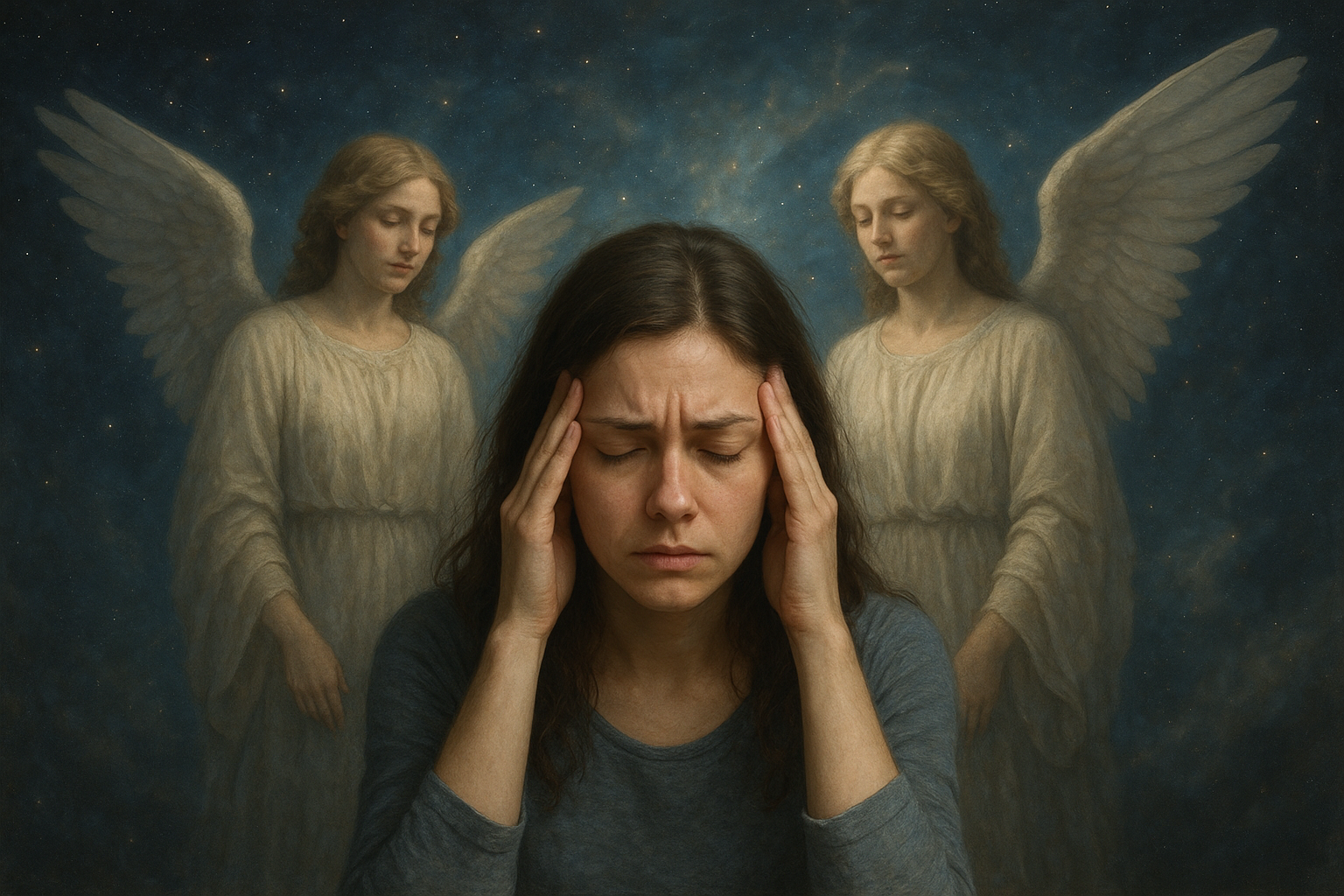
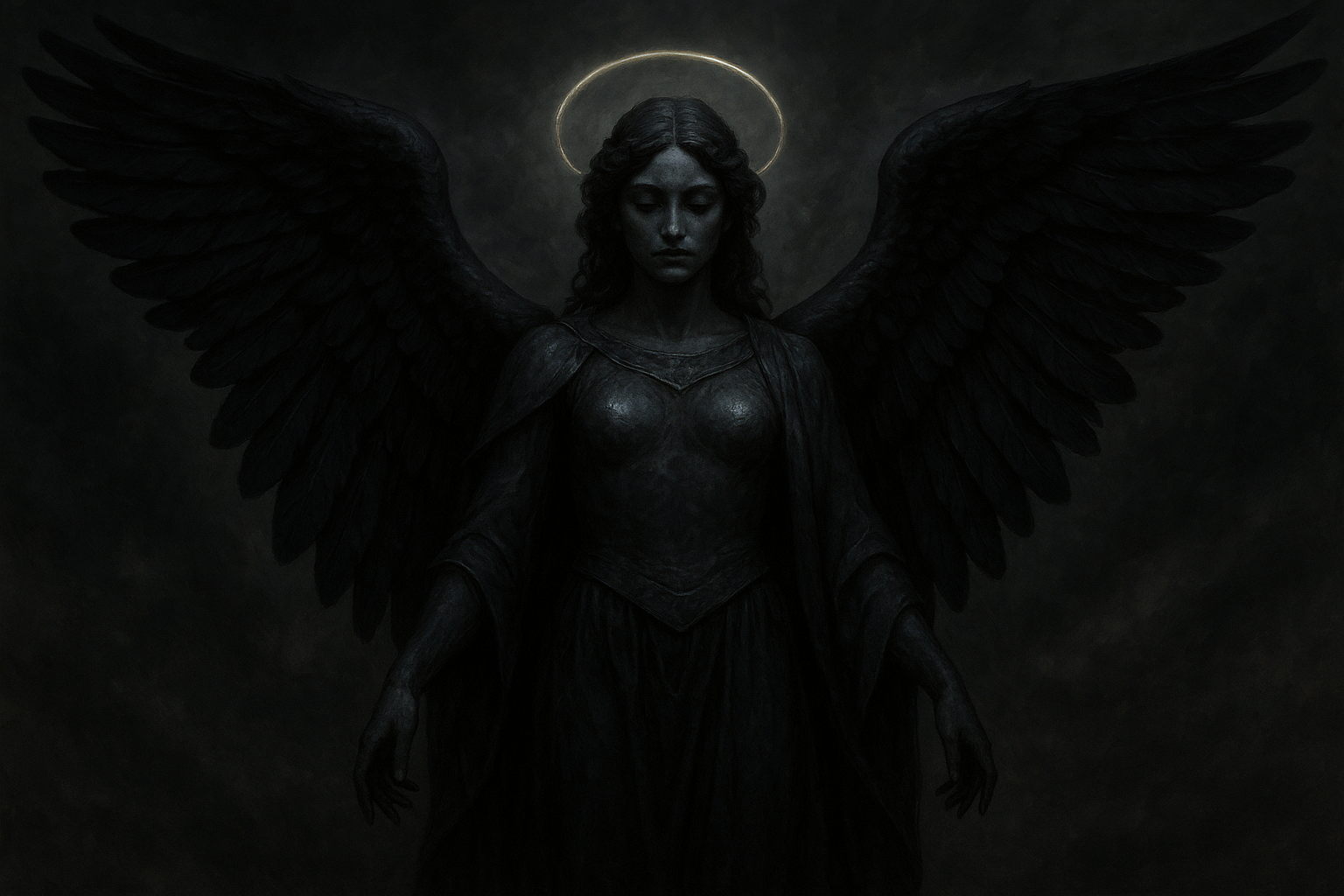
    Throughout history, the concept of angels has captivated human imagination, serving as messengers, protectors, and even harbingers of divine or apocalyptic events. However, Angels of the Abyss presents a fascinating reimagining of these spiritual entities, shifting the narrative from their traditional roles to powerful archetypes woven into our cultural and spiritual fabric.

    The Concept of the Abyss

    The term “abyss” often evokes images of unfathomable depths or chaos. In various religious and mythological narratives, it is both a place of darkness and a pivotal point of transformation. The Christian Bible’s Book of Revelation, for example, introduces the idea of a literal pit out of which demonic forces rise, linked with themes of judgement and redemption.

    Reimagining angels within the context of the abyss involves a transformation of these messengers from guardians to intermediaries between light and darkness, redefining their role in shaping human spirituality.

    Archetypal Roles of Angels

    • The Guardian: Traditionally seen as protectors, guardian angels have been envisioned as watching over individuals, guiding them through life’s trials and tribulations. In a modern context, they can be seen as embodiments of our inner strength and intuitions that steer us through moral complexities.
    • The Herald: Angels have long been considered bearers of divine messages. As archetypes, they represent our inherent desire to seek out and interpret signs and guidance from a higher power or deeper consciousness.
    • The Warrior: Often depicted as defenders against evil, these angels embody our inner battles with personal demons. This archetype speaks to the resilience and courage necessary to overcome adversity. “There are far, far better things ahead than any we leave behind,” wrote C.S. Lewis, emphasizing the constant struggle for improvement and triumph.

    Bridging the Spiritual and Material

    In this reimagined context, Angels of the Abyss serve as bridges between spiritual enlightenment and worldly experiences. They challenge humanity to confront and embrace the shadows within the soul, transforming these into sources of empowerment rather than fear.

    “The darker the night, the brighter the stars,”

    —Fyodor Dostoevsky

    This quote embodies the paradox of angels arising from the abyss. It compels individuals to find light within moments of darkness, redefining angels from largely external figures to deeply personal spiritual experiences.

    Cultural Significance

    Our reshaped view of angelic figures can also be seen in contemporary storytelling and art. Films, literature, and visual art often explore these dualistic natures, reflecting societal shifts and personal quests for meaning. Works such as Milton’s Paradise Lost provide rich explorations of such themes, where beings of immense power straddle the line between virtue and vice.

    • Films: Movies like Constantine and Legion portray angels as complex beings wrestling with free will and morality in human affairs.
    • Literature: Neil Gaiman’s American Gods confronts spiritual figures with modern identity and cultural integration.
    • Art: Visual art installations often depict angels blending into urban landscapes, suggesting a presence both divine and earthly.

    Personal Reflection and Modern Spirituality

    By reimagining angels within the abyss, individuals are urged to reconsider their spiritual journeys. This concept challenges traditional constructs, encouraging a more nuanced and personal connection with spiritual archetypes.

    Many find meditative or contemplative practices offer pathways to engage with these archetypes. Practices such as mindfulness and introspective journaling allow individuals to embody the traits of angels, embracing inner peace and resilience.

    As spirituality continues to evolve, Angels of the Abyss remind us of the transformative power within—an invitation to explore the intriguing balance of light and shadow, ultimately guiding us to a fuller understanding of our place in the universe.