Tag: petit

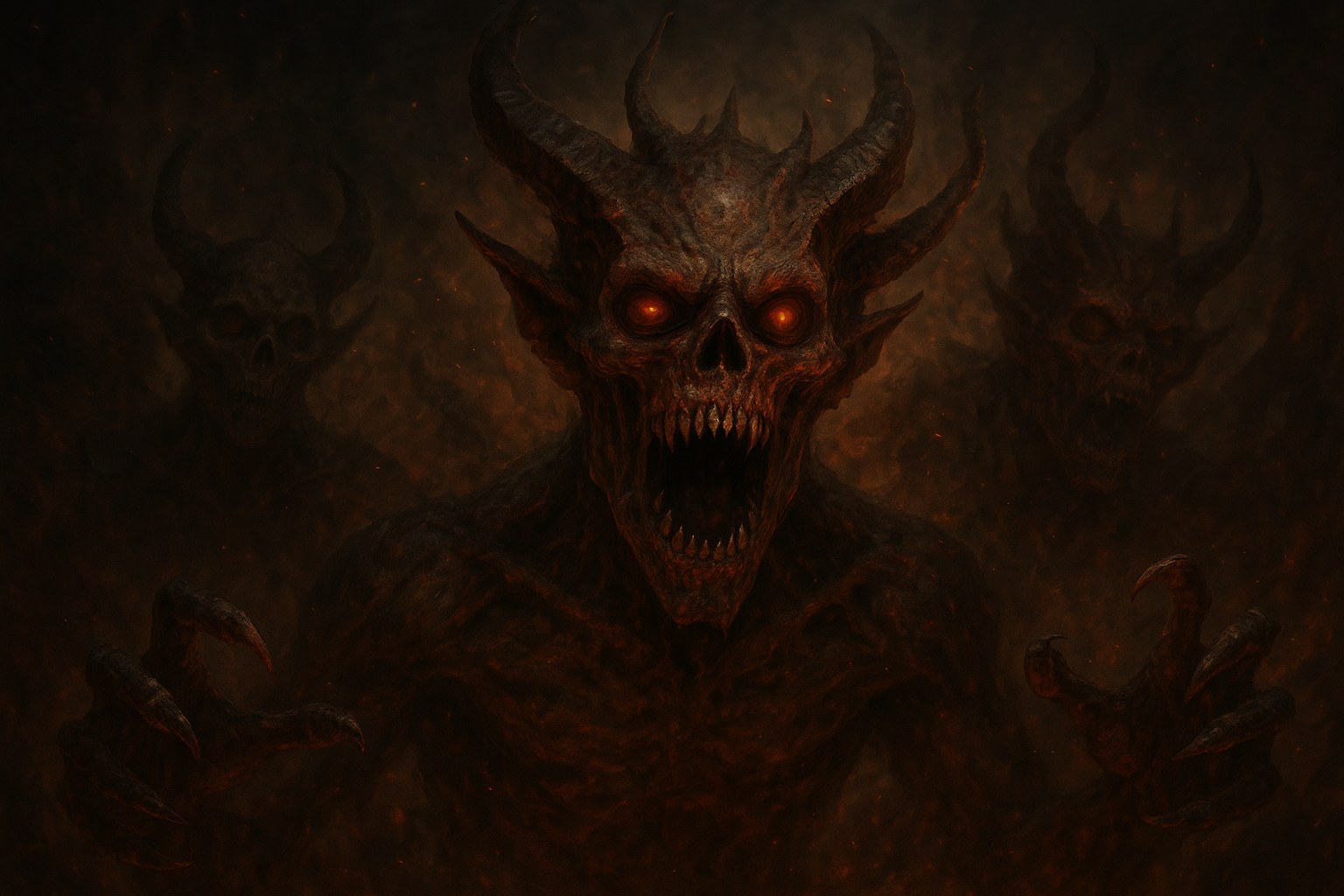
  • Infernal Echoes – Petit Mort of Demons

    Infernal Echoes – Petit Mort of Demons

    Infernal Echoes: Petit Mort of Demons

    Within the shadow-drenched corridors of mythology and religion lies the concept of demonic death. Frequently shrouded in mystery and conjured as harbingers of darkness, demons are entities known to defy the boundaries of life and death. But what if these creatures, steeped in infernal lore, experience a momentary touch of mortality, an ephemeral cessation—a petit mort?

    The Mythical Context

    The idea that demons, entities often viewed as eternal and indestructible, might taste mortality challenges preconceived notions. Historically, demons have been perceived through various cultural lenses. In the Christian tradition, as discussed in the Catholic Encyclopedia, demons are fallen angels, condemned to suffer eternally but nonetheless enduring throughout time.

    The Concept of Petit Mort

    The French term petit mort, often used metaphorically to describe the brief loss of consciousness or feeling following a climax of pleasure, extends intriguingly into the realm of the demonic. How might a demon experience their own ‘little death’? What echoes linger in the wake of such an occurrence?

    Echoes of Literature

    • Dante’s Inferno: In this classic epic, Dante describes the fate of the damned and demonic in vivid detail, yet they continue their torment without end. Perhaps it is their resistance to total annihilation that lends them a sort of undying resilience, thus making their own petit mort a paradoxical moment.
    • Goethe’s Faust: In this notable work by Johann Wolfgang von Goethe, Mephistopheles, the embodiment of cunning evil, is portrayed as trapped in his role, unable to escape his demonic purpose. His metaphoric deaths are those of failed ambitions and the fleeting nature of triumph.

    Mystical Reflections

    As we explore the idea of demonic petit mort, it invites a deeper understanding of the nature of evil and existential endurance. It asks us to recognize that even beings shrouded in malevolence might face vulnerabilities and ephemeral cessation.

    “The idea that the immortal can grasp mortality, even in fleeting moments, blurs the lines between eternity and transience, challenging our understanding of what lies within the shadows of both truth and myth.” — Scholars of the Sublime

    Thus, as we ponder the petit mort of demons, we turn to introspection and question our own fleeting moments of vulnerability that, like infernal echoes, remind us of our mortality even in times of might.
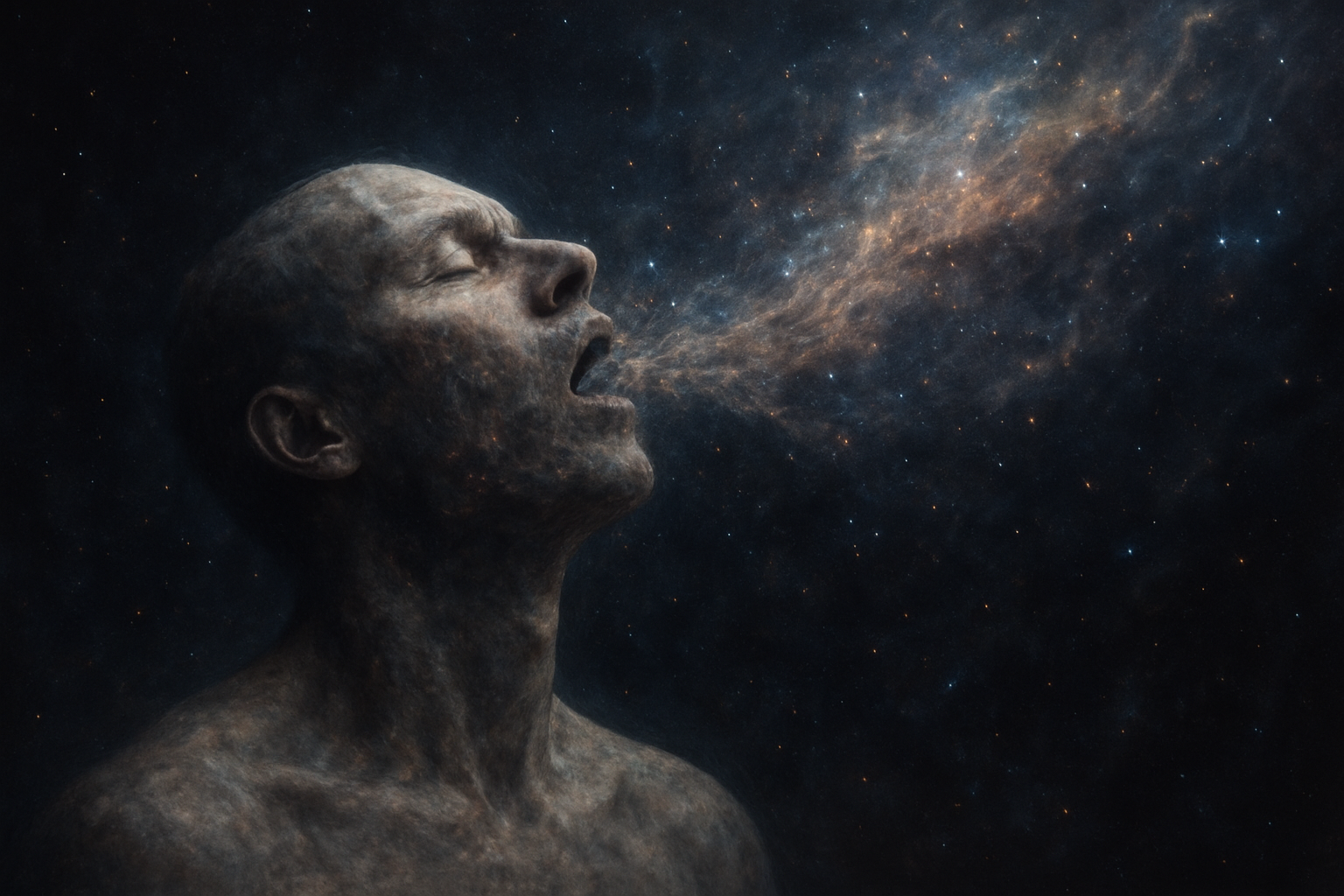
  • The Final Breath – Petit Mort and Cosmic Dissolution

    The Final Breath – Petit Mort and Cosmic Dissolution

    The delicate dance between life and death has fascinated humans for millennia. In the realm of spiritual and existential exploration, the concept of ‘Petit Mort’ offers a poetic reflection on the inevitable journey towards cosmic dissolution. But what if these two seemingly disparate experiences—orgasm and death—held deeper connections to our cosmic understanding?

    The Meaning of ‘Petit Mort’

    Petit Mort, or “little death,” is a French term that describes the momentary lapse in consciousness experienced during orgasm. This term encapsulates the transcendent experience that mimics, in a diminutive form, the great dissolution—the final breath of life. The very phrase hints at a metaphorical death, a temporary release of the self that echoes the finality of mortality.

    “To experience ‘Petit Mort’ is to transcend the mundane, to momentarily touch the stratosphere of existence where consciousness flirts with its own dissolvement” – Dr. Helen Fisher, anthropologist and author.

    Orgasm as a Metaphor for Death

    The biological processes leading to orgasm involve a complex orchestration of the nervous system, where pleasure and ecstasy culminate in a momentary collapse—a ‘little death.’ This experience, some argue, parallels the biological shutdown at the time of death, where consciousness fades as the body ceases its relentless charge. Thus, orgasm becomes a microcosm, a rehearsal of the cosmic dissolution that awaits us all.

    • Physical Release: Both orgasm and death involve a release—whether of life energy or existential burdens.
    • Transcendent State: Embracing the unknown, each moment offers a temporary escape from reality.
    • Psychological Impact: Both can leave a profound imprint on our emotional and mental states.

    Cosmic Dissolution: Our Final Destiny

    As we contemplate cosmic dissolution, we step into the metaphysical realm, where human life is but a fleeting presence in an expansive universe. The final breath—and what follows—has been explored through myriad lenses: philosophical, scientific, and spiritual. The Vedas of ancient India describe cosmic dissolution as Mahapralaya, where the universe, too, undergoes a cyclical destruction and rebirth, much like the culmination and release experienced in orgasm.

    “In the cosmic dance of Shiva, creation and dissolution are in perpetual harmony, embodying the inevitable cycle of life and death” – Encyclopaedia Britannica.

    Finding Connection Between the Two

    In connecting orgasm and cosmic dissolution, we are reminded of the impermanence of existence. The fleeting nature of ‘Petit Mort’ serves as a reminder of our ultimate fate, igniting a profound understanding of our own mortality. Yet, within this understanding lies a powerful liberation—by recognizing the transient nature of both, we find freedom to fully engage with the present.

    Philosophical Insights: The philosopher Friedrich Nietzsche once pondered, “That which does not kill us makes us stronger.” While Petit Mort is but a fleeting flirtation with mortality, it strengthens our resolve to live vibrantly, in anticipation of our eventual cosmic dissolution.

    Living With Death in Mind

    The juxtaposition of ‘Petit Mort’ and cosmic dissolution compels us to live with intention and awareness of our eventual end. It is a call to embrace life with fervor and authenticity, cherishing every breath and every interaction, conscious that they form the tapestry of our brief narrative on this planet.

    • Mindful Living: Engage fully in each moment, aware of its fleeting nature.
    • Acceptance of Mortality: Understand death as a natural progression, not a fearful unknown.
    • Embrace of Transience: Let the impermanence enhance appreciation for life’s experiences.

    Conclusion

    “The Final Breath – Petit Mort and Cosmic Dissolution” weaves together the threads of life’s ultimate mysteries. By embracing the impermanence that both orgasm and death reveal, we open ourselves to the grand narrative of existence. In doing so, we prepare ourselves—not for an end, but for a renewal with each passing moment.

    In the end, acknowledging ‘Petit Mort’ in relation to cosmic dissolution is not about fearing the end, but about understanding that each step we take brings us closer to a profound transformation, a metaphorical and literal return to the cosmos from which we came.