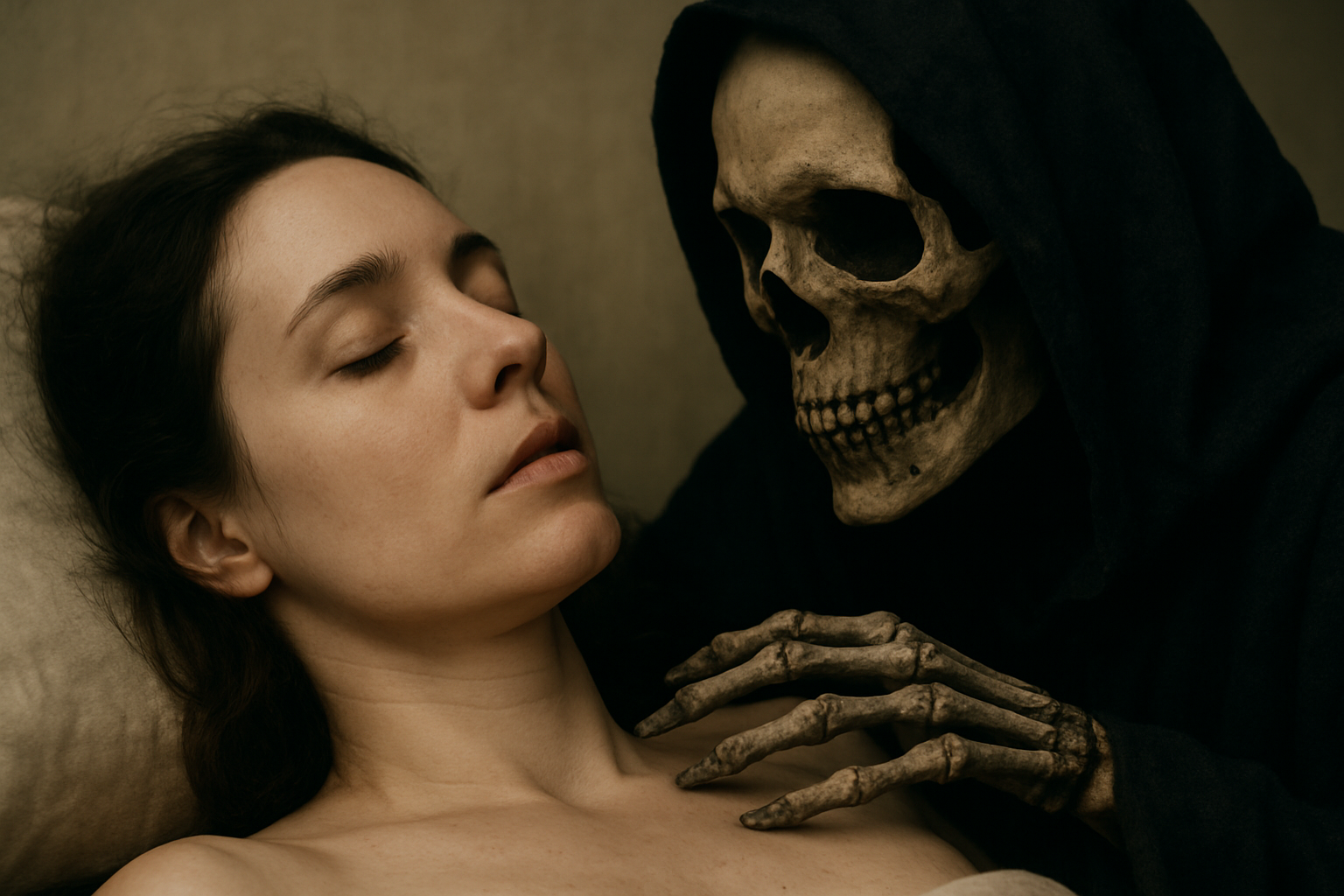
Throughout history, humans have been fascinated by the idea of la petite mort, a French term that translates to “the little death,” often used to describe the aftereffects of an orgasm. This term poetically encapsulates the momentary sensation of losing oneself or one’s consciousness, associating sexual climax with a mock death.
Historical Context of La Petite Mort
The concept of la petite mort dates back to ancient cultures that explored the connection between physical ecstasy and transcendental experiences. From ancient Greece to Eastern philosophies, the idea of a spiritual release that mimics death emerged as a recurring theme.
“Sex is the consolation you have when you can’t have love.” – Gabriel García Márquez
This idea is reflected in many pieces of art and literature, suggesting a much deeper connection between life, death, and sexuality than commonly acknowledged.
Scientific Perspectives
From a scientific standpoint, the phrase “little death” serves as a metaphor for the body’s physiological response to sexual orgasm. Research into the orgasm shows significant parallels with states of unconsciousness, often focusing on the role of hormones:
- Oxytocin and Endorphins: These hormones flood the body during orgasm, inducing feelings of pleasure and relaxation. The “high” experienced post-orgasm can lead to a blissful state akin to losing oneself.
- Prolactin: Levels of prolactin increase following orgasm, which can cause feelings of drowsiness and exhaustion, resembling a temporary state of “death.”
The link between these hormones and their effects mirrors the age-old idea of a little death leading to a temporary release from worldly concerns.
Philosophical Interpretations
Philosophers have long contemplated the nature of consciousness and the significance of losing it, even if for a moment. French philosopher Georges Bataille eloquently expanded the term to include a broader existential dimension, asserting that these moments highlight our mortality and connection to the universe.
“I believe that truth has only one face: that of a violent contradiction.” – Georges Bataille
Bataille believed that these brief moments of personal obliteration were not just physical but spiritual as well, allowing us to glimpse the edges of life and death.
La Petite Mort in Culture and Literature
From Shakespeare’s works to modern literature, la petite mort frequently surfaces as a motif symbolizing the deep, mysterious link between sex and death. The idea appears in classic texts and has been a theme in various art forms:
- Literature: Writers such as Emily Dickinson and D.H. Lawrence have explored themes of death and rebirth through intimate human connections, using sex as a narrative device to bridge these existential concepts.
- Visual Art: Painters like Gustav Klimt and Edvard Munch gripped by understanding both sensuality and mortality often depicted figures in poses suggesting sleep or death intertwined with sexual tension.
- Film: Cinematic representations often leverage the trope of la petite mort, underscoring the powerful and occasionally dangerous liaisons between characters.
Religious and Spiritual Views
Religious interpretations of orgasm and death have historically been split between fear and reverence. Mystical traditions often regard sexual union as a form of divine communion or a bridge to transcendence. For some:
- Taoism: Practices like Tantra emphasize the spiritual significance of climax as a union of energies, supporting the idea of sex as a doorway to enlightenment.
- Catholic Mysticism: Saints like Teresa of Avila described their ecstatic visions as both a spiritual and physical surrender to God, which mirrors the duality of orgasmic experiences.
The Psychological Impact
Psychologically, many associate la petite mort with vulnerability and intimacy. During orgasm, the release and surrender that occur can break down barriers, fostering a profound connection with one’s partner.
“The mind is its own place, and in itself can make a heaven of hell, a hell of heaven.” – John Milton
Intimacy at this level can provoke heightened emotional states and may bring individuals closer to experiencing the impermanence that defines human life.
Modern Implications and Conversations
Today, the conversation around la petite mort extends to understanding personal fulfillment and overall well-being. The concept offers insights into modern discussions on:
- Sexual Health: By acknowledging the broader implications of orgasm, people may develop a more fulfilling approach to their sexual health beyond mere physicality.
- Mental Health: Understanding the psychological facets of intimacy can aid in addressing issues such as anxiety, depression, and loneliness, highlighting sex as a source of healing.
The recognition of la petite mort bridges the gap between ancient wisdom and contemporary understanding, emphasizing sex as not just a physical interaction but a transformative, even sacred experience.
Conclusion
The exploration of la petite mort reinforces the inherent link between life, death, and the fleeting moments in between. As humans continue to expand their understanding of these experiences, the intertwining of sexuality and mortality remains an ever-present reminder of our quest to understand the deeper truths of existence.
For more readings on this topic, visit Encyclopedia Britannica.