Primordial Maps: Archetypes and Cosmic Order
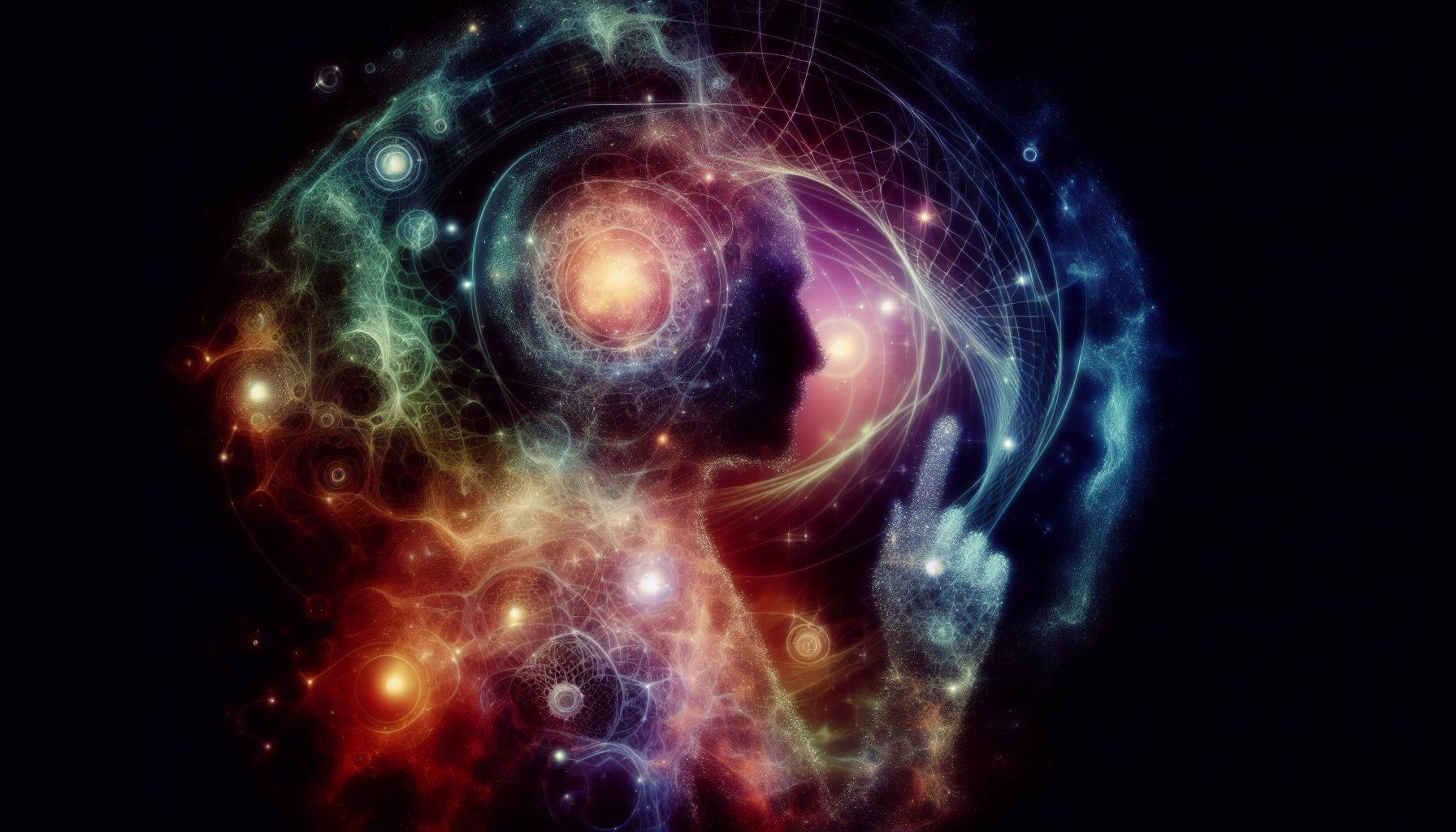
From the earliest days of human thought, the mysteries of the universe and our place within it have captivated the imagination. Across cultures and epochs, humans have sought to understand the cosmic order, often turning to archetypal symbols and primordial maps to provide some insight into the greater cosmos. These maps are not just geographical but esoteric, revealing an inner landscape reflective of the universal order.
The Concept of Archetypes
Archetypes are innate, universal prototypes for ideas and may be used to interpret observations. Swiss psychiatrist Carl Jung was instrumental in articulating the theory of archetypes. He described them as “forms or images of a collective nature which occur practically all over the earth as constituents of myths” (Carl Jung, 1934).
According to Jung, these archetypes reside in the collective unconscious, a term he used to describe the part of the unconscious mind which is derived from ancestral memory and experience and is common to all humankind.
Primordial Maps and Their Function
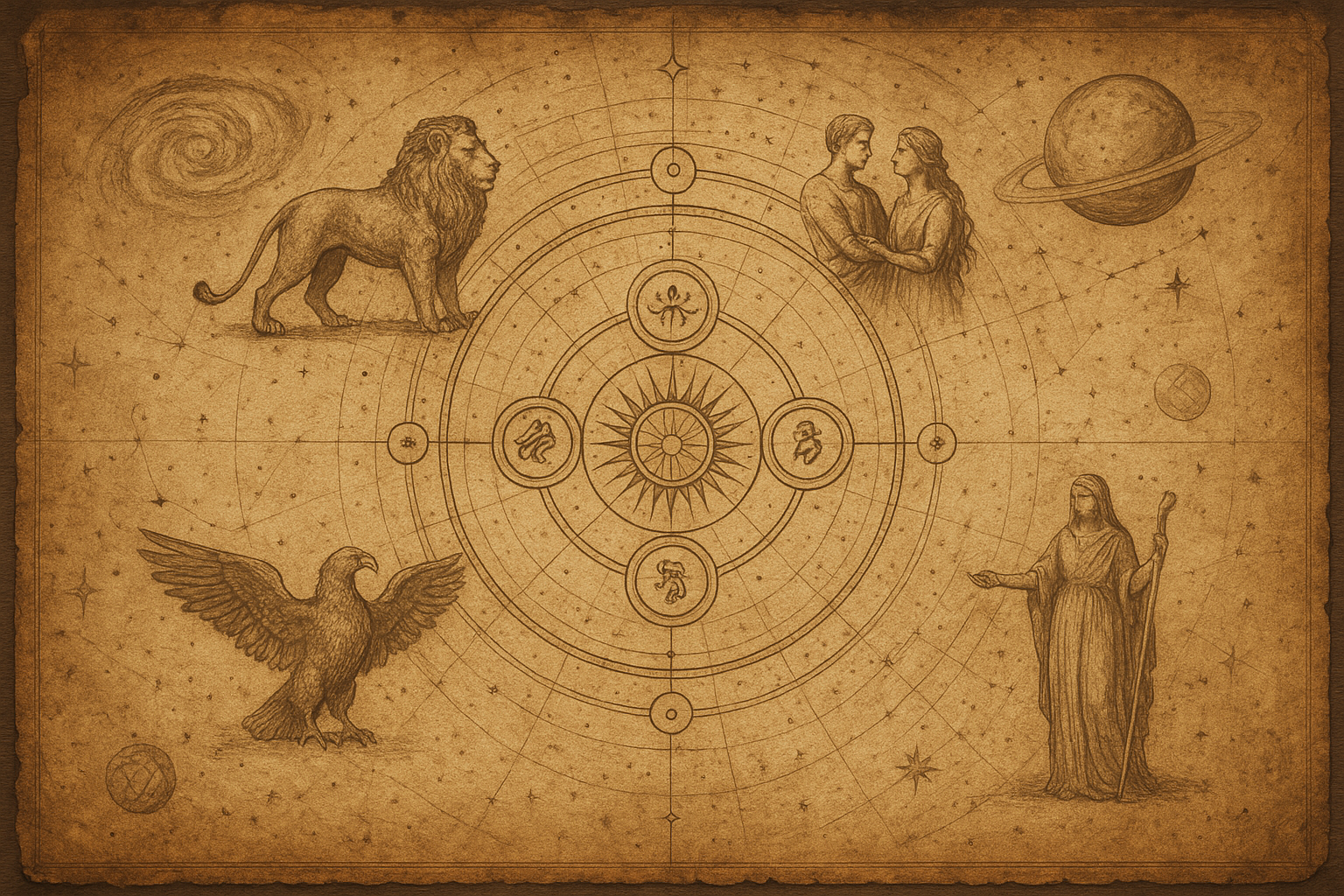
- Cosmograms: These symbolic maps are representations of the universe. In many cultures, cosmograms act as a microcosm of the universe, encompassing the metaphysical and physical realms. They serve as tools to help individuals position themselves within a larger, more complex system.
- Zodiac: A potent example of a primordial map that has persisted throughout history, offering a celestial framework within which personal experiences are mapped and understood. The zodiac signs themselves are archetypal; each sign carries with it specific energies and characteristics.
- Mandala: Often used in spiritual practices, the mandala is a geometric configuration that is spiritual and symbolic. Jung noted, “The mandala serves a similar purpose to that of archetypes; it represents the unified self and embodies the longing for the cosmic order.”
Cosmic Order: A Universal Pattern
The quest for cosmic order stems from a deep-seated desire for harmony and balance. Cosmic order encompasses both the physical laws of the universe and metaphysical truths. Many ancient civilizations believed that understanding cosmic order was key to personal and social harmony.
“To understand the universe, you must understand the language in which it’s written. And that language is mathematics.” – Galileo Galilei
Galileo’s words echo the ancient belief that the universe functions within a precise system of order, a harmonious balance between chaos and structure. People have used primordial maps to visually and philosophically grasp this concept.
Interpreting Primordial Maps
Interpreting these maps requires more than just observational skills; it requires an inward journey, a willingness to engage with the symbolic language of the unconscious. Here, the archetypes act as guides, mirroring the inner processes crucial for personal development and self-discovery.
According to Jungian psychology, by engaging with archetypal imagery found in primordial maps, individuals can transcend personal limitations and align more closely with the cosmic order.
The Relevance of Primordial Maps Today
In an age of scientific advancement and technological marvels, one might question the relevance of these ancient maps. However, they continue to provide insights into the human psyche, offering a bridge between the past and present, and fostering a deeper connection to the universe.
Author Joseph Campbell, known for his work in comparative mythology, emphasized the enduring power of myth and symbols. “Myths are public dreams, dreams are private myths,” Campbell stated, encouraging the exploration of these symbols to better navigate the existential journey (Joseph Campbell, The Hero’s Journey).
Conclusion
The governing principles of cosmic order and the archetypal maps developed by our ancestors illustrate humanity’s persistent effort to find meaning in the vastness of the universe. These symbols have not only provided solace and guidance but have also inspired profound introspection and growth.
As we traverse our paths in the cosmos, these primordial maps remain vital tools, encouraging us to see beyond the physical world and engage more deeply with the mysteries of existence.