Tag: symbol

  • The Obscure Spiral – Mystery in Mythology

    The Obscure Spiral – Mystery in Mythology

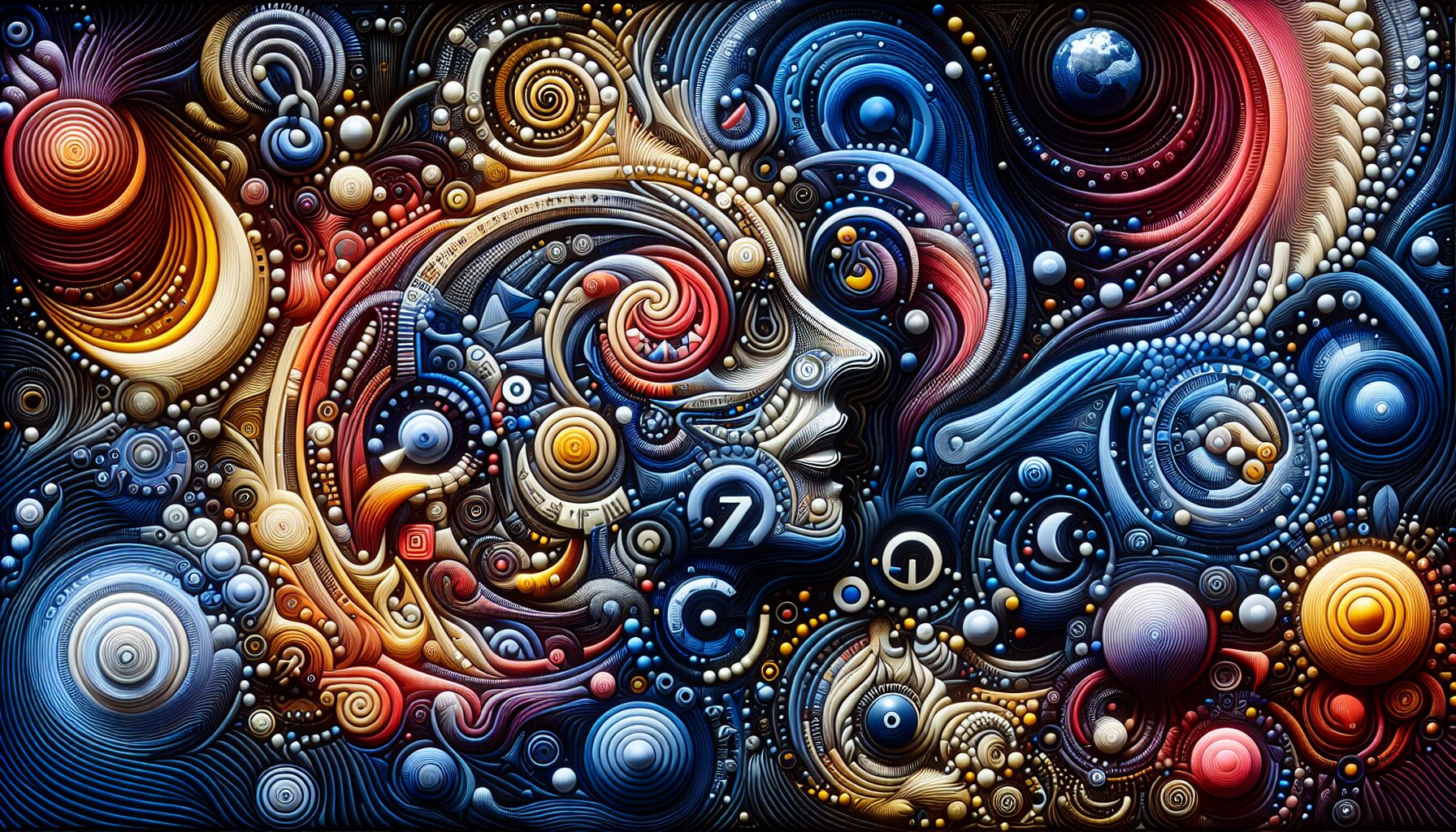
    The spiral is a timeless and universal symbol found throughout our world, from the swirl of galaxies and hurricane clouds to the structure of DNA. Its presence in ancient art, architecture, and mythology across different cultures suggests deep symbolic meanings and connections to life, death, and the cyclical nature of existence.

    The Spiral in Ancient Cultures

    • Celtic Spirals: The Celts, who inhabited much of Western Europe during the Iron Age, prominently featured spiral motifs in their art. These spirals were often associated with the sun, and the natural cycle of life, death, and rebirth. The triple spiral, or triskelion, is particularly notable, representing the interconnectedness of earth, water, and sky.
    • Egyptian Spirals: In ancient Egyptian culture, spirals were connected to the cycles of birth and rebirth. The symbol of the spiral can be found in hieroglyphics and artworks, often related to the flow of time and the process of transformation. The spiral also symbolized the rise of the soul to the heavens, indicating its profound spiritual significance.
    • Greek Spirals: In Greece, the spiral represents the concepts of infinity and continuity. It was a core element in much of their architectural ornamentation, such as with the Ionic column capitals. The spiral design emphasizes the perpetual flow and progression of life and learning.

    A Universal Symbol of Dynamics

    The spiral not only permeates human creative expressions but also finds striking parallels in nature, resonating with the natural geometries that shape our world. As a universal symbol, the spiral is a metaphor for dynamic balance and change.

    “The logarithmic spiral is interesting because it appears in the growth patterns of many shells and biological organisms. Its mathematical properties are such that the spiral grows and ages in a manner similar to other forms found in nature.” – Wolfram MathWorld

    The Spiral in Mythology and Spirituality

    The notion of the spiral as a spiritual or mystical symbol traverses numerous mythological narratives and spiritual practices, where it is often tied to personal and cosmic evolution.

    • Hindu and Buddhist Traditions: In Hinduism and Buddhism, spirals are symbolic of the journey inward, reaching towards enlightenment. The mandala, a prominent symbol in these traditions, often employs spiralic designs, illustrating the path from the outer reality to the inner core of spiritual truth.
    • Native American Symbolism: Among Native American tribes, the spiral symbol appears frequently. For instance, the Hopi see the spiral as a representation of their migration journeys and life paths. Spirals are considered sacred symbols of union and interconnection within the universe.

    An Enduring Enigma

    Despite the ubiquity and age-old prominence of spirals in human culture, they remain enigmatic. One plausible explanation for their widespread appeal may be rooted in their visual and mathematical harmony. Spirals possess both simplicity and complexity, making them adaptable symbols for a myriad of cultural, philosophical, and scientific interpretations.

    As we delve into the mysteries of spirals, we are reminded of the words of American astronomer Carl Sagan who once reflected on the interconnectedness of cosmos and life on Earth:

    “The cosmos is within us. We are made of star-stuff. We are a way for the universe to know itself.” – Carl Sagan

    This poetic connection resonates profoundly with the significance of the spiral as a representation of the intricate dance of life. It is a symbol that invites reverence and reflection, beckoning us to contemplate the unseen patterns that weave through the tapestry of existence.

    Conclusion

    The spiral is more than just an artistic motif; it’s an integral archetype that spans across mythologies, spiritual traditions, and scientific understanding. Rooted in our ancestors’ attempt to make sense of their world, the spiral continues to fascinate and challenge us to ponder the deeper connections embedded in our universe.

    Embracing the mystery of the spiral can help us appreciate the intricate patterns that underlie our existence and inspire a deeper connection with the rhythms of life and the cosmos.

  • Infernal Codes – Demonic Symbols and Meaning

    Infernal Codes: Demonic Symbols and Meanings

    Throughout history, symbols have served as a powerful means of communication, transcending language barriers and cultural differences. In the realm of the arcane and the esoteric, demonic symbols hold a particularly captivating allure, often shrouded in mystery and misunderstood. This article delves into some of the most intriguing demonic symbols, the meanings ascribed to them, and their cultural significance.

    1. Understanding Demonic Symbols

    Demonic symbols are often associated with occult practices, black magic, and demonology. While many of these symbols originate from ancient religious texts and folklore, they have evolved over time, taking on new interpretations and meanings.

    “Symbols are the imaginative signposts of life.” — Margot Asquith

    2. Notable Demonic Symbols

    Below is an exploration of some of the most prominent demonic symbols and their purported meanings:

    • The Sigil of Baphomet

      Often associated with Satanism, the Sigil of Baphomet features a goat’s head enclosed within an inverted pentagram. This symbol is commonly used by the Church of Satan, where it signifies the rejection of traditional religious beliefs in favor of individualism and spiritual freedom.

    • The Leviathan Cross

      Also known as the Satanic cross, the Leviathan Cross consists of an infinity symbol at its base, topped with a double cross. This emblem represents balance between the physical and spiritual realms and is a symbol of the diabolical duality.

    • The Seal of Solomon

      Historically used in the Key of Solomon, a grimoire attributed to King Solomon, this symbol incorporates the Star of David but recontextualized in occult practices. It’s believed to control demons and protect against evil forces.

    • The Black Sun

      With its origins in ancient Germanic mysticism, the Black Sun consists of twelve radial runes forming a circular image. It has been (mis)appropriated by various groups but originally was associated with occult power and esoteric knowledge.

    3. The Cultural and Historical Context

    These symbols and others like them have been imbued with different meanings throughout history, influenced by the contexts in which they were used. Understanding their cultural significance is essential to appreciating their power and allure.

    • Religious Texts and Folklore

      The origins of demonic symbols often lie in ancient religious texts and folklore that aimed to explain and demystify the unknown forces of the world. In the Bible and other sacred texts, demons are frequently depicted as antagonists to divine beings, bestowing these symbols with a sense of fear and reverence.

    • Art and Literature

      Artistic representations of demonic symbolism have appeared in numerous forms, from classic literature like Goethe’s Faust to modern films and video games. These representations help to both cement their cultural significance and transform their meanings over time.

    4. Misconceptions and Stereotypes

    Demonic symbols can often be misinterpreted, especially when removed from their cultural and historical contexts. The modern portrayal of these symbols in popular culture can lead to a one-dimensional view that ignores their rich and varied significance.

    “The symbol of progress is one of direction, not of location.” — James Russell Lowell

    5. Conclusion: The Power of Symbols

    The enduring intrigue of demonic symbols demonstrates the profound impact of symbols as tools of expression, representation, and power. Whether they serve as objects of fear, veneration, or fascination, their meanings evolve with society and continue to inspire—or terrify—generations. For anyone interested in deeper explorations of the occult and the esoteric, understanding these symbols is crucial as a key to unlocking the mysteries of the human psyche and culture.

    Through exploration and education, these ancient and enigmatic symbols reveal their complexity and their capacity to adapt and maintain relevance in an ever-changing world.

  • Abstract Divinities – Symbols Beyond Form

    Abstract Divinities – Symbols Beyond Form

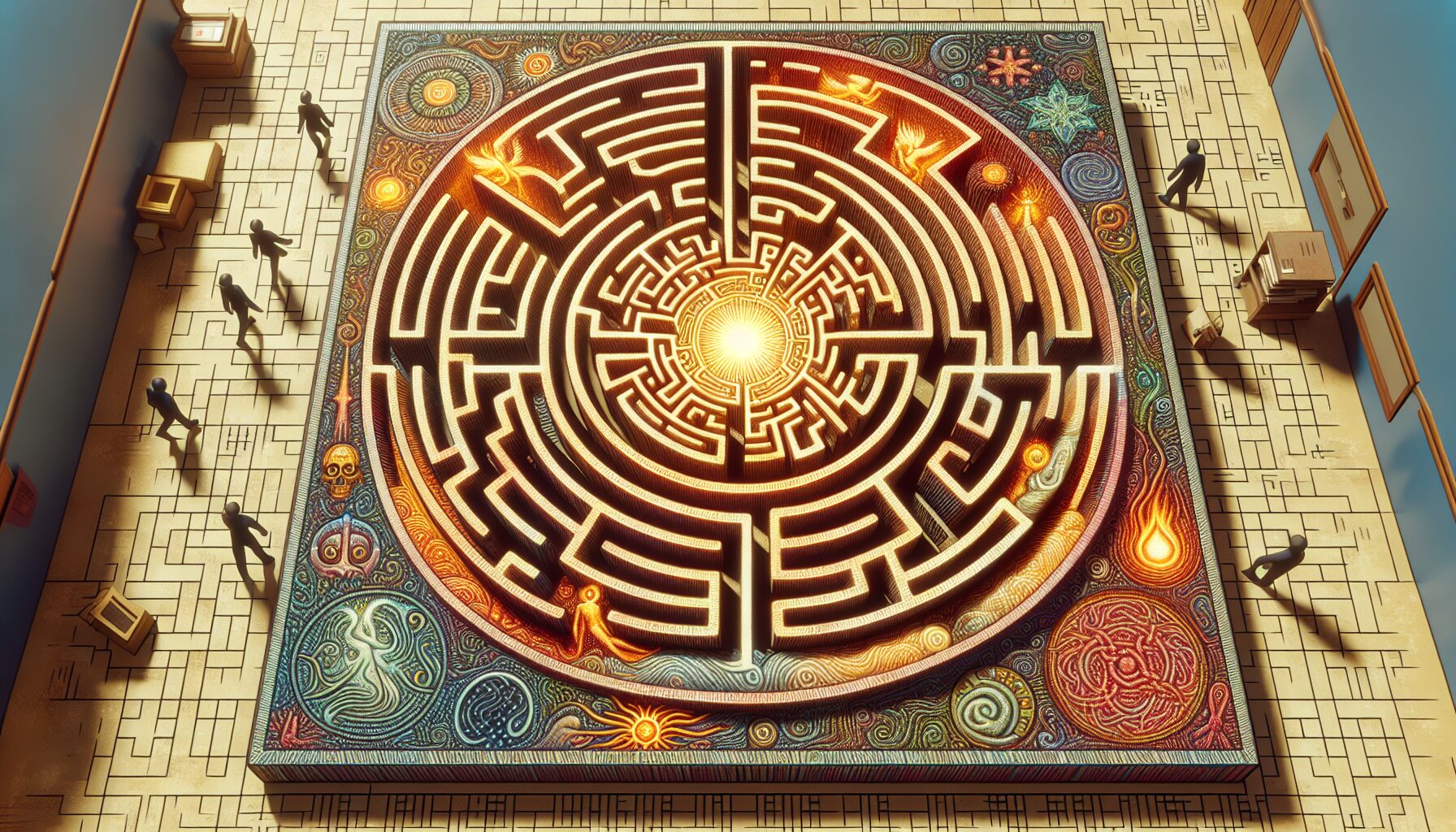
    In the vast tapestry of human history, art and spirituality have danced together in a timeless ballet, resulting in a profound repository of symbols that transcend the mere physicality of form. “Abstract divinities” signify more than just visual interpretations; they represent the essence of cultures, beliefs, and the progression of human thought.

    The Nature of Abstract Divinities

    Abstract divinities are not confined to the limits of anthropomorphic representations. Instead, they dwell in the realm of the intangible, the metaphysical, and the esoteric. These symbols may appear in a myriad of forms—including geometric shapes, patterns, or even color arrangements—that encapsulate deeper meanings recognized across cultures.

    • Universal Connectivity: Many abstract symbols signify universal concepts such as infinity, movement, or unity. The circle, for example, is found in countless cultures symbolizing eternity and completeness.
    • Transcendent Ideals: Not concerned with the literal portrayal of the divine, abstract symbols focus on transcending earthly ideals, allowing believers and viewers alike to reach for higher spiritual planes.
    • Expressive Potential: Abstract art permits a breadth of interpretation that accommodates personal experiences and beliefs, encouraging introspection and spiritual exploration.

    Historical Perspectives

    Throughout history, the abstract has been an intrinsic part of religiosity and art:

    Ancient Civilizations

    The ancient Egyptians, with their complex pantheon, employed abstract art forms alongside the more widely recognized imagery of gods like Ra and Anubis. The Ankh, with its looped top, is more than a depiction of life and eternity; it is an abstract representation of the balance between male and female energies, life’s dualities.

    Eastern Philosophies

    In Eastern religions such as Buddhism and Hinduism, abstract representation thrives. The Mandala, a circular symbol used in various meditative practices, represents the universe and is a powerful tool for sacred contemplation. According to Learn Religions, “its apparent simplicity transcends our understanding to unfold deeper psychological awareness and spiritual growth.”

    Modern Artistic Movements

    The 20th century witnessed an explosion of abstract art with figures like Kandinsky and Rothko. In Kandinsky’s words, “Color is a power which directly influences the soul.” Artists used this language to evoke spiritual and emotional responses, much like abstract symbols in religious contexts.

    Symbolism Across Cultures

    Abstract divinities often carry varying meanings across different cultural landscapes but share a commonality in their abstract representations. They convey spiritual truth that, while maybe culturally specific, resonates globally:

    • Yin and Yang: In Taoist philosophy, the yin yang symbol represents balance—a dance between opposing forces that is essential to the harmony of the universe.
    • The Eye of Horus: An ancient Egyptian symbol often associated with health, protection, and royal authority, embodying abstract qualities that transcend its origin.
    • The Om: Vibrating through the cosmology of Hinduism, Buddhism, and Jainism, the Om symbol is an abstract representation of the sacred sound, often described as “the vibration of the universe.”

    The Influence of Technology and Science

    As our world becomes increasingly intertwined with technology, abstract symbols continue to evolve. Code, with its enigmatic algorithms and binary systems, is an abstract language with its own set of divinities—shaping the digital universe in much the same way symbols shaped the spiritual one.

    Space exploration has given rise to new abstract symbols. The NASA insignia, known as the ‘meatball’, incorporates abstract elements that reflect grand ideas of discovery and innovation while paying homage to the astronomical landscapes beyond Earth.

    Modern Reflection and the Future of Abstract Divinities

    In modern times, there is a renaissance of interest in abstract divinities. With global connectivity, ancient symbols are rediscovered and reinterpreted. Individuals seek new forms of spirituality and expression outside traditional frameworks, often turning to abstract symbols to guide their inward journeys.

    “Symbols and archetypes present us with universal motifs that transcend time and place, leading us gently into layers of the unconscious. Here we connect with something profoundly innate and intimately human,” says Joshua Anderson, a noted Jungian therapist.

    Closing Thoughts

    Abstract divinities, those symbols beyond form, are more than archaic relics or esoteric curiosities; they are an ongoing human effort to articulate the inarticulable, to visualize the invisible. They remind us that beneath our differences exists a shared pursuit—finding meaning and connection within the grand, sometimes abstract, architectures of life and the universe.

    In an era where the visual is manufactured, consumed, and discarded at lightning speed, the enduring nature of abstract symbols holds invaluable lessons. Their timelessness and adaptability offer both a lens into our collective past and a beacon lighting the path for future spiritual exploration.
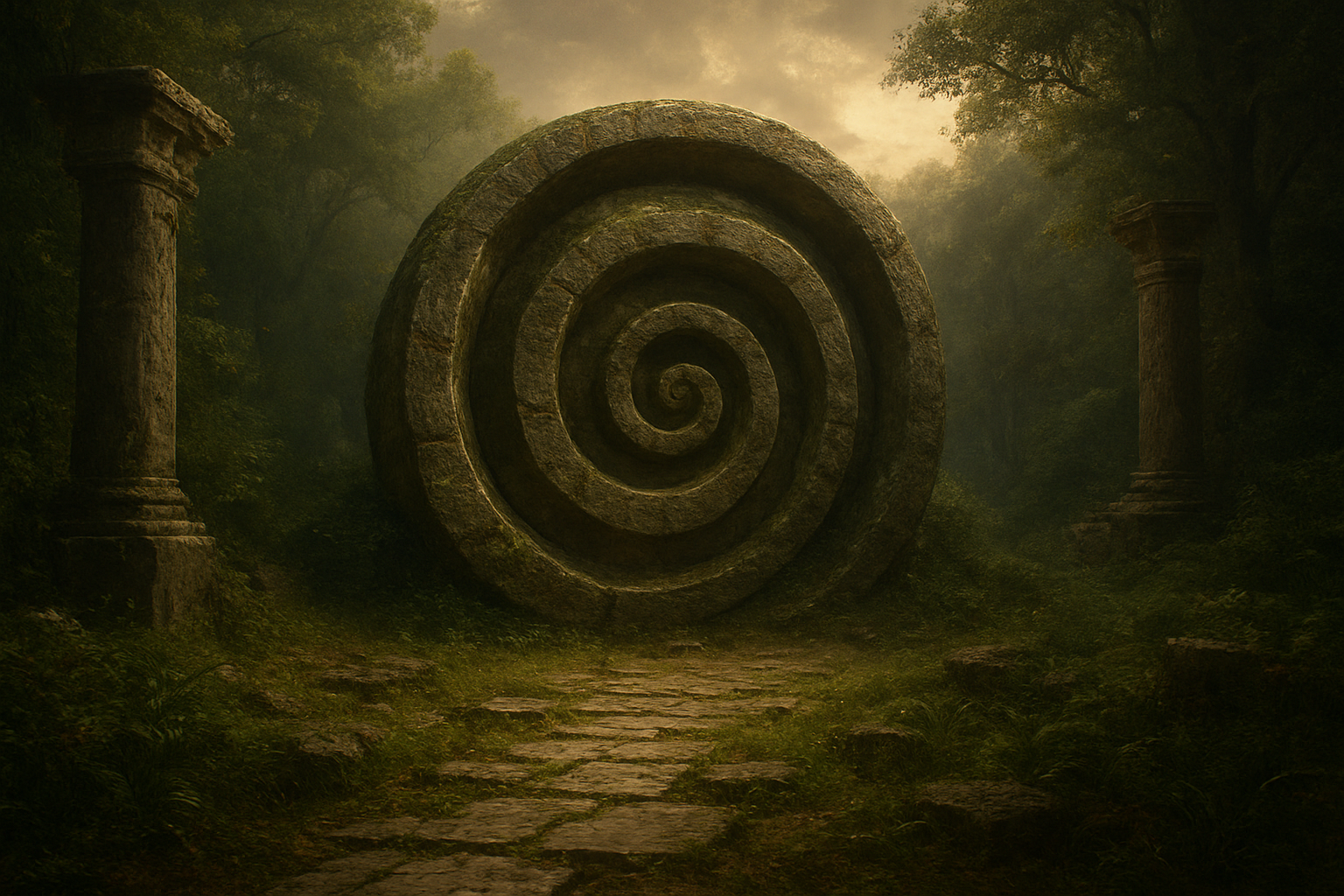
  • Arcane Codes – Secrets Hidden in Abstract Symbols

    Arcane Codes – Secrets Hidden in Abstract Symbols

    Throughout history, humans have used symbols to communicate complex ideas, preserve secrets, and convey spiritual insights. These arcane codes often go unnoticed in our modern world, yet they hold the power to unlock profound mysteries. This article explores the history, significance, and application of abstract symbols in various cultures and traditions.

    The Language of Symbols

    Symbols serve as a bridge between the known and unknown realms, providing insight into the consciousness of different eras. According to Carl Jung, “The psychological mechanism that transforms energy is the symbol. The symbol is the psychological machine that transforms meaning into another, higher meaning” (Goodreads).

    • Mandala: In Hinduism and Buddhism, mandalas are intricate patterns representing the universe. They serve as spiritual guides and are used during meditation to focus the mind and invoke a state of peace.
    • Tree of Life: Found in various cultures, including the Kabbalistic tradition, the Tree of Life symbolizes interconnectedness and the path to spiritual enlightenment. Its roots and branches depict the continuum of life linking heaven and earth.
    • The Ouroboros: This ancient symbol of a serpent eating its own tail represents the cyclical nature of life, death, and rebirth. It illustrates the concept of eternal return, an idea recurring in many philosophical and spiritual texts.

    Historical Significance of Abstract Symbols

    Symbols have long been used to convey hidden meanings and foster communities bonded by shared knowledge. During the Medieval and Renaissance periods, allegorical art flourished, rich with symbolism reflecting religious and philosophical ideals. The secretive use of symbols was often necessary to avoid persecution.

    “Symbols are powerful because they are the visible signs of invisible realities” — Saint Augustine

    One noteworthy instance is the use of fish symbols by early Christians. Known as the Ichthys, this symbol not only represented Christ but also served as a covert means for believers to identify one another during times of persecution.

    Modern Applications of Arcane Codes

    Today, the use of symbols continues to pervade society in subtle forms. From corporate logos to national flags, these symbols encapsulate shared identities and values. For instance, the use of symbolism in branding harnesses the power of visual language to communicate a company’s ethos succinctly and memorably.

    • Logos: Companies strategically develop logos that resonate on an emotional level, creating a connection with their audience. Consider Apple’s logo, a simple bitten apple, which symbolizes knowledge and innovation.
    • Flags: National flags are steeped in symbolism; they embody a country’s history, ideals, and future aspirations. The American flag, for instance, uses stars and stripes to symbolize the original colonies and the union.

    Esoteric Knowledge and Secret Societies

    Throughout the ages, secret societies have utilized arcane symbols to encode knowledge and preserve ancient wisdom. The Freemasons, for example, deploy intricate symbols such as the square and compass to illustrate concepts of morality and personal development.

    “The most beautiful experience we can have is the mysterious. It is the fundamental emotion that stands at the cradle of true art and true science” — Albert Einstein

    Organizations like the Hermetic Order of the Golden Dawn, founded in the late 19th century, relied heavily on symbols derived from hermeticism, alchemy, and the Kabbalah. These symbols were employed in rituals designed to unlock higher states of consciousness and spiritual awakening.

    Interpreting the Unseen

    Unlocking the secret messages hidden within symbols requires a deep reflection and an open mind. While some symbols carry universal meanings, others are context-dependent and require understanding the culture or tradition from which they originate.

    The study and interpretation of symbols—symbology—can be a rewarding endeavor for those who seek to deepen their understanding of the world. As Thomas Merton aptly noted, “Art enables us to find ourselves and lose ourselves at the same time.” In this way, symbols provide both a guide and a challenge, drawing us into the exploration of the seen and unseen.

    Conclusion

    The arcane codes embedded in abstract symbols continue to shape our world, serving as a testament to the enduring power of symbolic language. Whether through ancient art or modern design, these symbols invite us to carry forward the wisdom of our ancestors and explore the depths of our own spiritual journeys.

    In a world where words often fail, symbols bridge gaps through their rich expression and profound simplicity. As we continue to navigate the complexities of life, may these ancient codes offer guidance, insight, and inspiration.