Tag: these
-
Angels of the Abyss – Mythic Archetypes of Shadow
Angels of the Abyss: Mythic Archetypes of Shadow
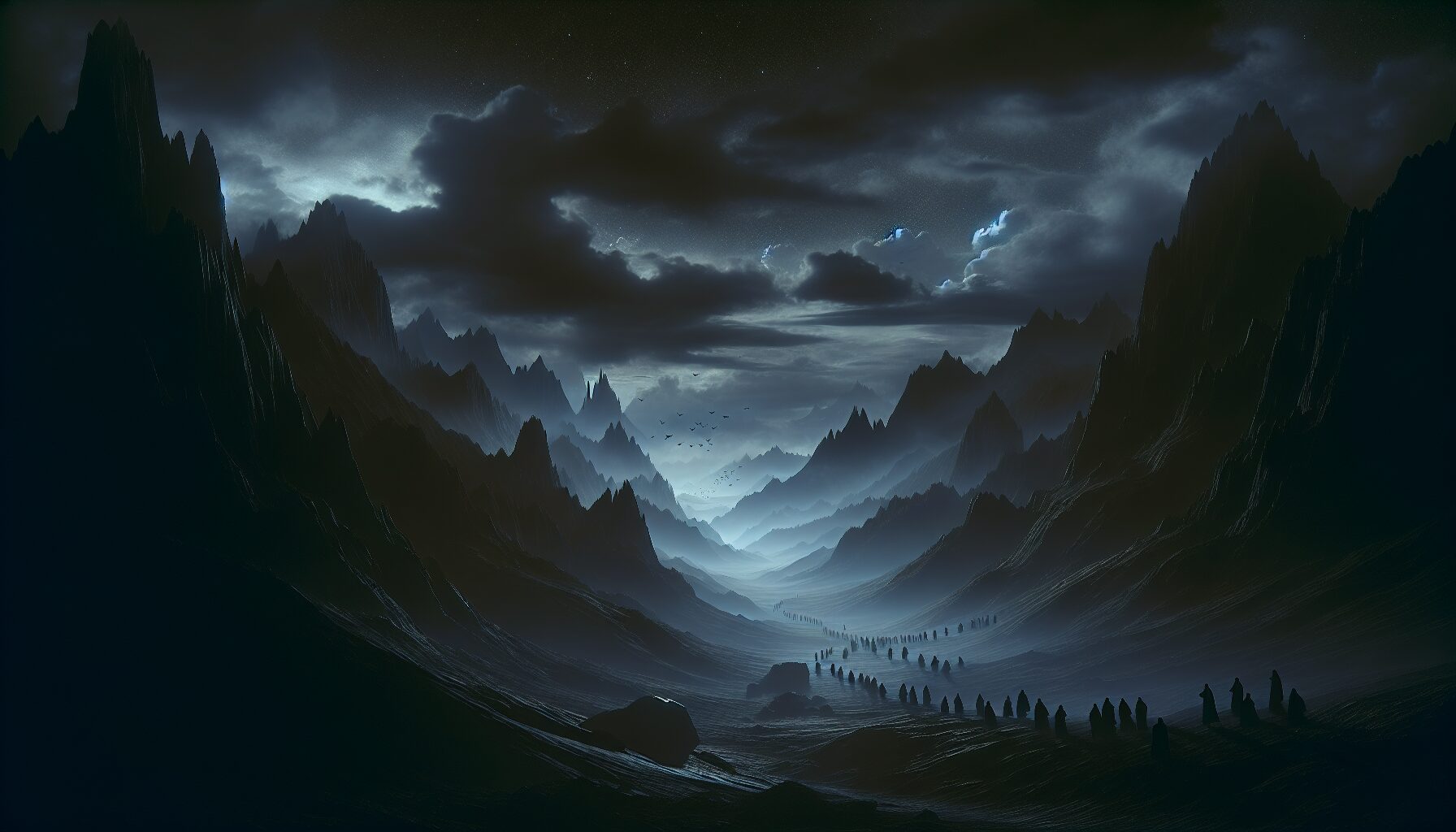
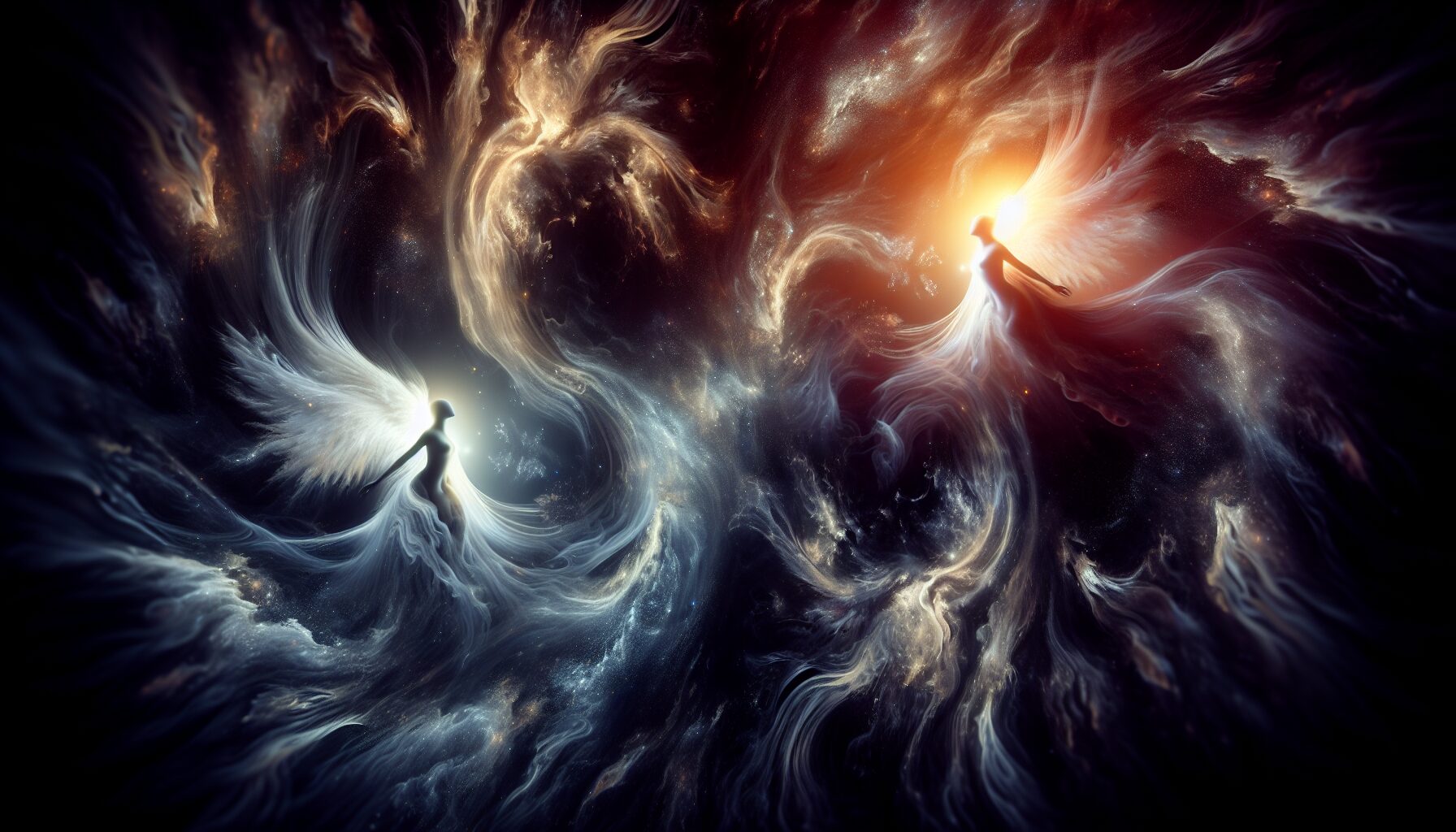
The concept of “Angels of the Abyss” evokes an imagery both haunting and compelling, oscillating between celestial grace and the eerie whispers of the underworld. These archetypes embody the dichotomy of light and darkness—an exploration that is as old as storytelling itself. Archetypes act as psychological symbols and have scribed their presence into our collective unconscious through myth, literature, and art. Understanding these archetypes offers insight into human nature’s shadow aspects, and how this shadow manifests within different cultures and traditions.
The Origin of the Abyss
The Abyss, a term often resonating with chaos and darkness, finds its roots in ancient mythologies. From the primordial chaos in Greek mythology, as described by Hesiod in “Theogony”, to the watery void in the Mesopotamian myths, the abyss embodies the unknown—a source of creation and destruction.
“First of all Chaos came into being. Then broad-bosomed Earth…” – Hesiod, “Theogony”
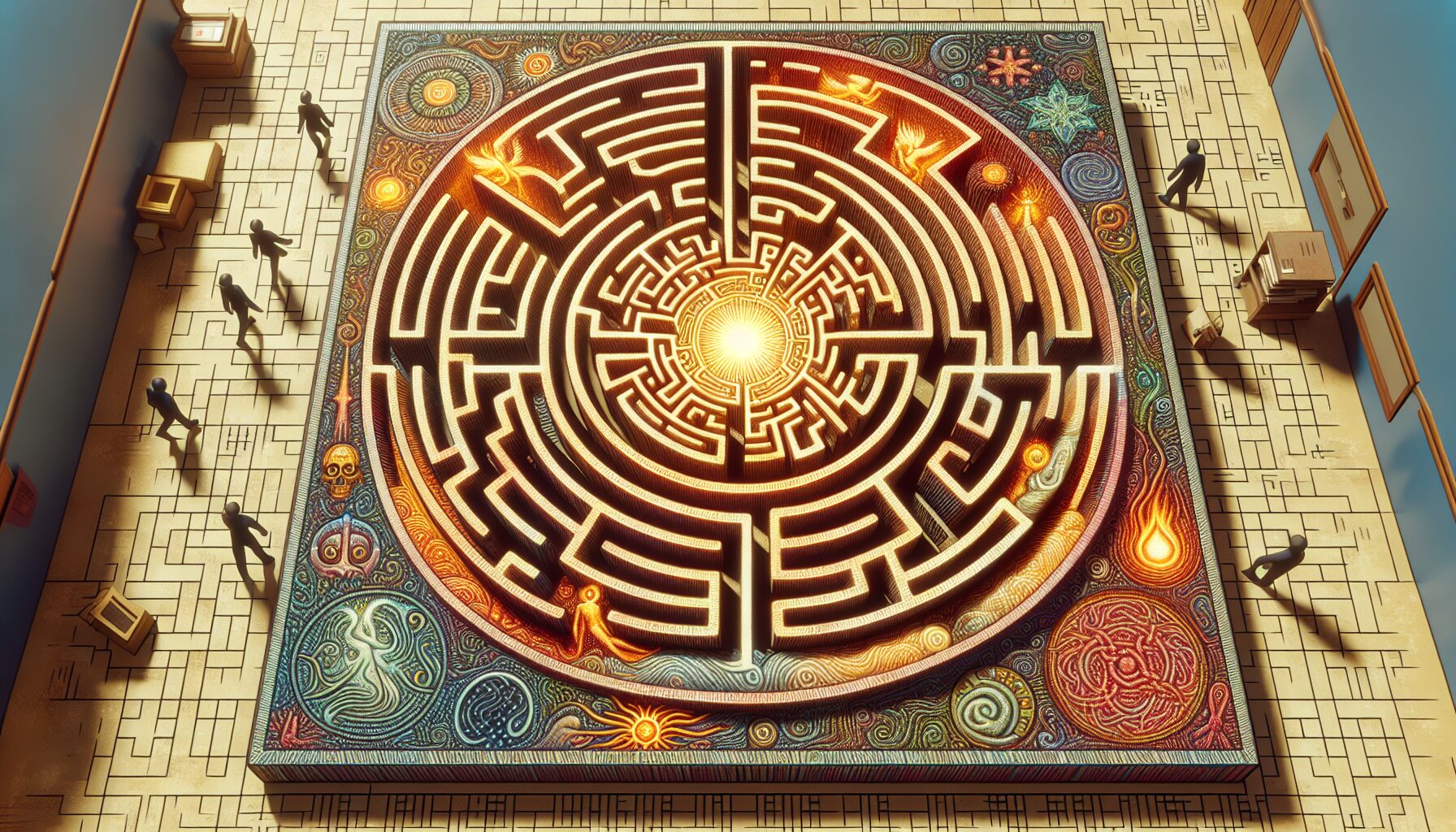
The Greek Erebus, symbolizing deep darkness, and Tartarus, the deep abyss used as a dungeon of torment in the afterlife, represent places where these mythic angels might arise. These figures shape the tales we tell about wrestling with inner demons and finding redemption through the labyrinth of shadows.
Angels and Demons: Bridging the Gap
Concepts of angels and demons often blur within the context of the abyss, underscoring the fluidity between good and evil. In Christian theology, fallen angels or demons led by Lucifer discovered their sovereignty in this realm. Lucifer, the light-bringer turned prince of darkness, epitomizes this duality.
“…for Satan himself masquerades as an angel of light.” – 2 Corinthians 11:14
Islamic tradition introduces the figure of Iblis, akin to Lucifer, who falls from grace due to pride. Such characters demonstrate the seductive nature of the abyss, where former celestial beings undergo transformative journeys into the shadows.
The Psychological Shadow
Carl Jung, a prominent psychologist, expanded on this notion with his concept of the shadow—the unacknowledged, darker parts of the psyche. In Jungian psychology, the integration of the shadow is essential for personal maturity and psychological health.
“One does not become enlightened by imagining figures of light, but by making the darkness conscious.” – Carl Jung
The “angels of the abyss” in this framework represent the integration of our own shadows. By embracing our hidden fears, desires, and instincts, we can reach a harmonious understanding of ourselves, just as mythic heroes must confront underworld trials to achieve enlightenment.
Archetypes in World Myths
- Inanna’s Descent: The Sumerian goddess Inanna’s journey to the underworld symbolizes death and rebirth cycles, a thematic return from the abyss with newfound wisdom.
- Orpheus: The Greek hero Orpheus ventures into the underworld to rescue his beloved Eurydice, epitomizing love’s battle against the pull of despair and darkness.
- Vishnu’s Avatars: In Hindu mythology, Vishnu’s descents to earth in various forms to combat evil signify divine intervention in the abyss, transforming chaos into order.
The Influence in Modern Culture
The influence of these archetypes transcends classical myth and finds its expression in modern literature and film. Characters like Darth Vader from the “Star Wars” saga and Gollum from “The Lord of the Rings” represent flawed beings consumed by their shadow archetypes.
Authors such as Neil Gaiman and filmmakers like Guillermo del Toro explore these themes extensively. As Gaiman illustrated in his graphic novel series “The Sandman,” realms of dreams anchored by the abyss exhibit humanity’s intrinsic fear and fascination for the darker sides of reality.
“Sometimes… when you fall, you fly.” – Neil Gaiman, “The Sandman”
Connecting With Our Shadows
Jung suggested that confronting the shadow necessitates an introspective journey akin to the descents depicted in mythic undertakings. Our “angels of the abyss” are the personal shadows—facets of ourselves we fear to acknowledge—yet only by reconciling with them can we truly transcend personal and collective shadows.
Conclusion
Exploring the mythic archetypes of shadow through the lens of “Angels of the Abyss” provides a roadmap for navigating the complexities of the human psyche. Through literature and mythology, one gains insights into the human condition’s pressing quest for balance and redemption. Intriguing still is humanity’s perpetual journey into the heart of darkness—for it is here under murky skies that the light of self-awareness and transformation often shines brightest.
More than mere inhabitants of ancient tales, these archetypes continue to resonate profoundly, illuminating the path toward wholeness and self-discovery. By facing our personal labyrinths and cherishing the angels found within the abyss, humanity pursues a state of profound awakening—where paradoxes are reconciled, and shadows are the silent conveyors of wisdom rather than fear.
-

Rituals of the Forgotten – Rediscovering Lost Practices
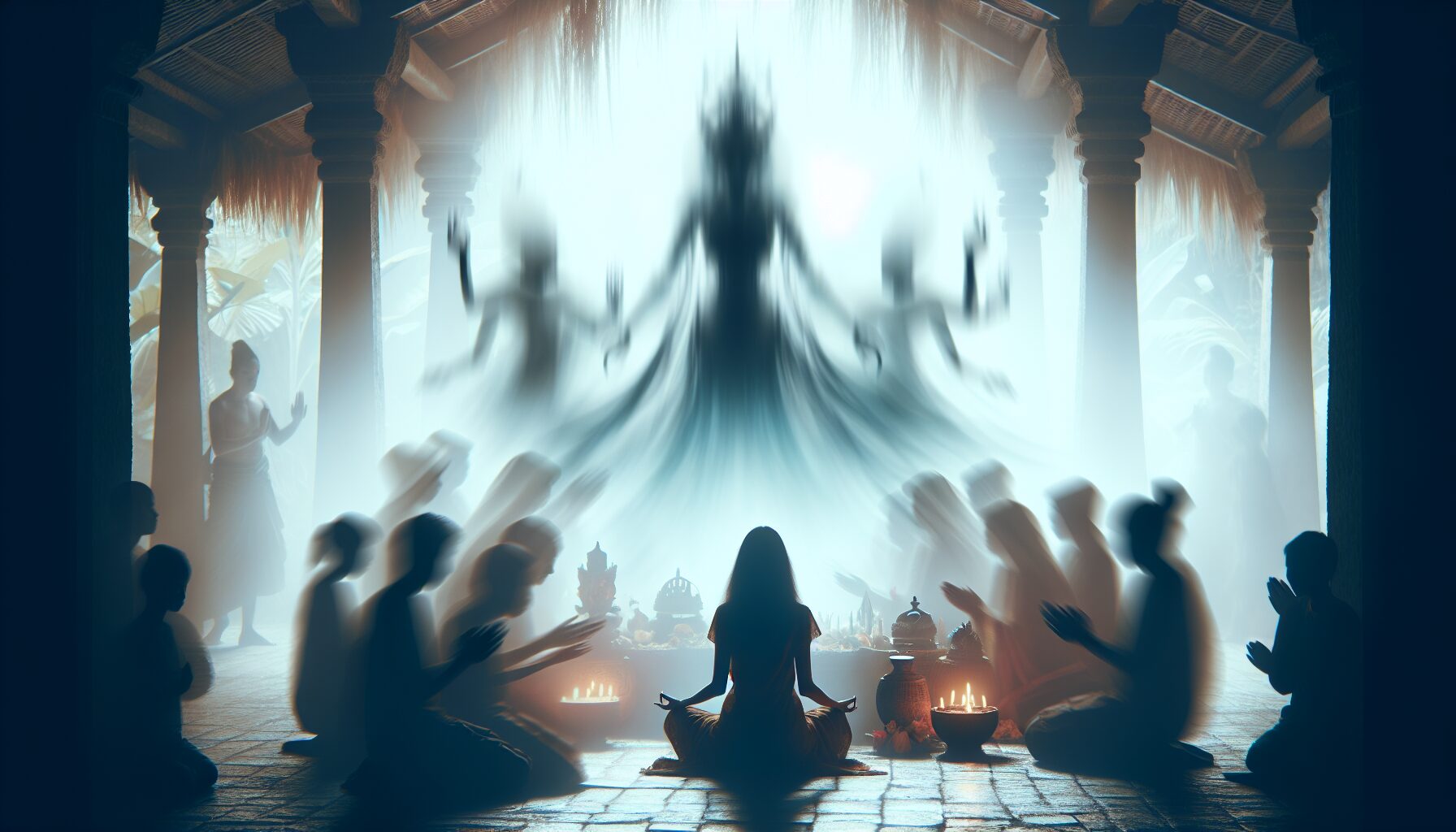
In our fast-paced, modern world, many ancient rituals and practices have been forgotten, buried under the sands of time. Yet, there is a growing interest in rediscovering these lost rituals, driven by a desire to reconnect with our past and enrich our present lives.
The Resonance of Rituals
Rituals have long served as powerful tools for creating meaning and continuity. They are more than just routines; they provide a sense of identity, community, and purpose. Anthropologist Victor Turner emphasized the importance of rituals by stating,
“Rituals and symbols are crucial elements in establishing cultural cohesion and personal wellbeing.”
Many forgotten rituals are being unearthed and appreciated again for their cultural and spiritual significance. Here are some notable examples:
Revived Rituals
- Mindful Tea Ceremonies: Originating from Japanese traditions, these ceremonies offer a meditative experience, emphasizing mindfulness in every sip and movement.
- Samhain Celebrations: Known as the precursor to Halloween, Samhain is re-emerging as a festival to honor ancestors and embrace seasonal changes.
- Indigenous Smudging Practices: Native American rituals using smoke from herbs like sage are gaining popularity for their purifying and spiritual grounding effects.
Creating Contemporary Connections
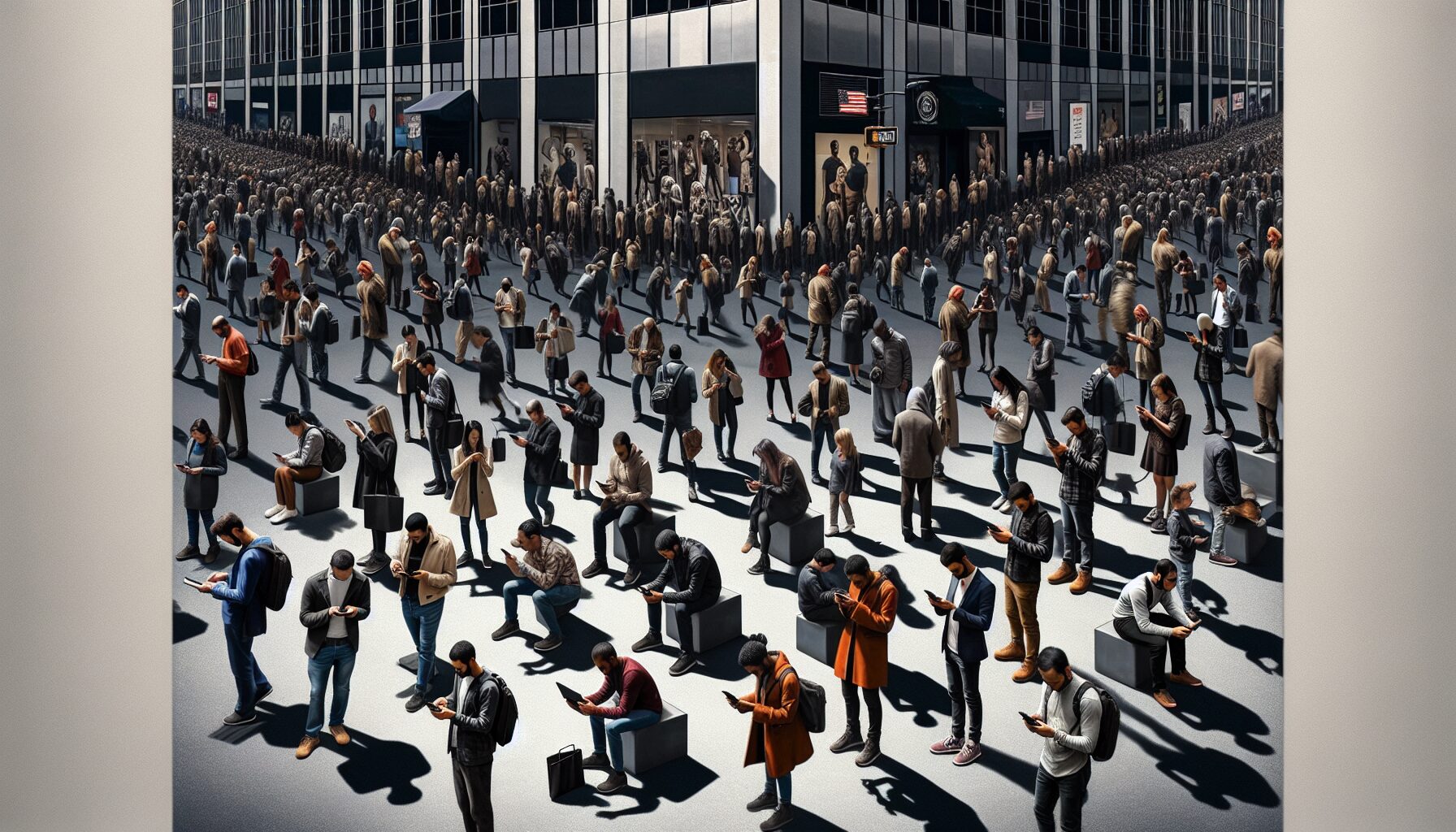
Rediscovering and practicing these rituals today allows individuals to foster a meaningful connection to the past. It also serves as a counterbalance to the disconnection often felt in our digital age. Professor Felicia Keesing, an expert in cultural history, notes,
“Embracing ancient practices can become a form of resistance against the homogenization of cultures and help preserve diversity.”
The resurgence of these practices also opens conversations about the conservation of endangered traditions. As we embrace these rituals, we also commit to preserving them for future generations, inspiring a renewed appreciation of history and heritage.
The beauty of re-integrating forgotten rituals lies in their ability to bring individuals back into a greater awareness of themselves and their surroundings. As we seek to find balance in our hectic lives, these age-old practices offer a profound sense of belonging and continuity amidst change.
-

The Nocturnal Eye – Observing the World Beyond Daylight
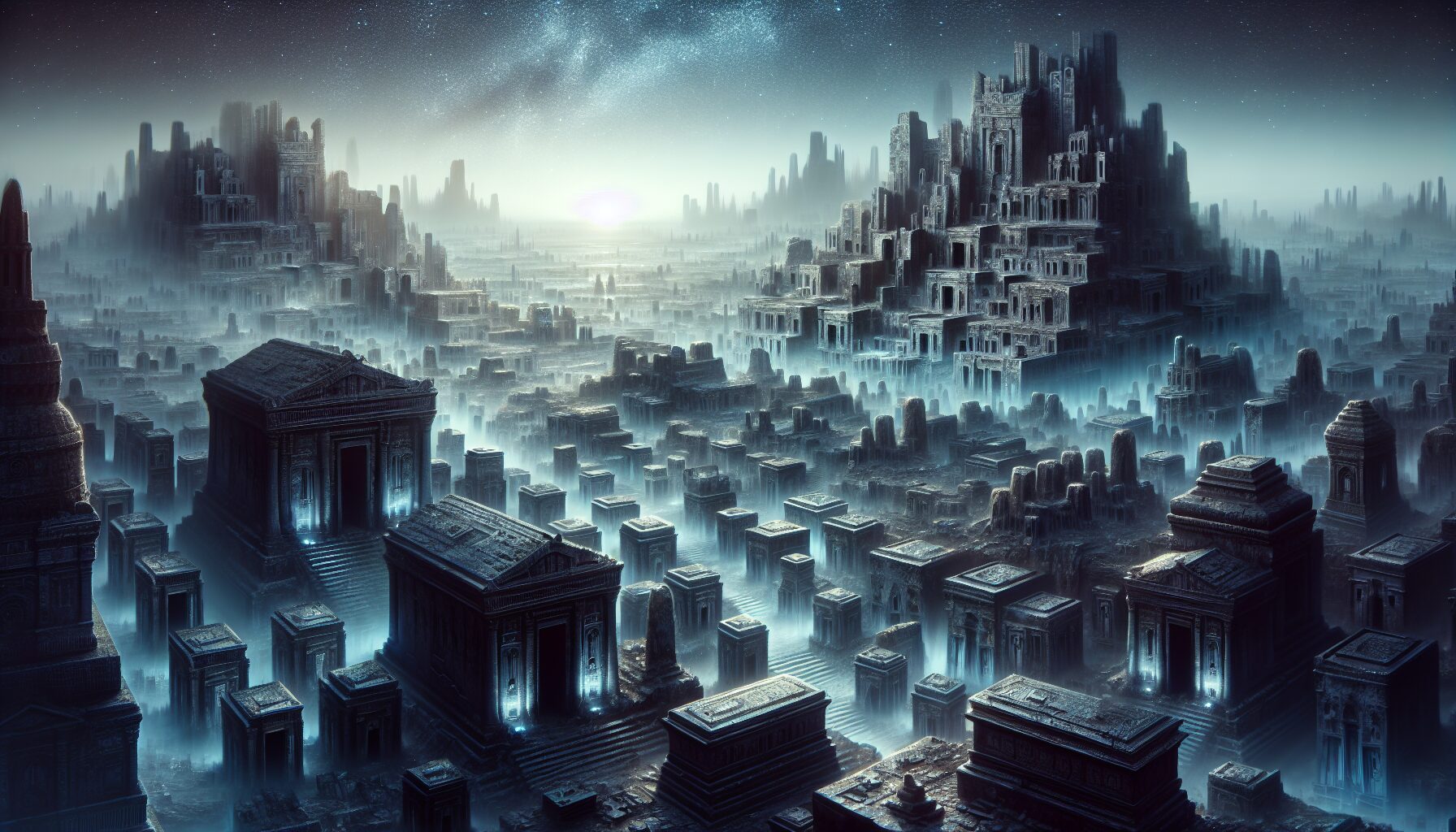
The mysteries of the night sky have long captivated human imagination. Since the dawn of civilization, people have looked up at the cosmos, pondering the countless stars shimmering like scattered diamonds on a velvet canvas. Yet, Earth’s night offers an array of enigmas beyond the celestial. The nocturnal world, teeming with life and phenomena unseen during daylight, presents a rich tapestry worthy of exploration.
The Biological Symphony of the Night
Nighttime unveils a distinct world of creatures that thrive in darkness. These nocturnal beings have adapted uniquely to life without light, using highly evolved senses such as enhanced hearing and night vision. Owls, for example, are equipped with exceptional auditory abilities, enabling them to hunt with precision. According to a study by the Royal Society Publishing, the owl’s silent flight and acute sense of hearing give them an edge in the nocturnal landscape.
Bats, another quintessential night dweller, navigate through echolocation, emitting calls that bounce off objects, revealing their surroundings. According to the American Association for the Advancement of Science, this form of biological sonar is so precise that some bats can detect textures and sizes of objects they encounter.
Ethereal Light of the Night
While the absence of sunlight defines night, it doesn’t imply darkness in absolute terms. The moon and stars provide a subtle luminescence, but the nocturnal world boasts its sources of light. Bioluminescence is a natural wonder where organisms like fireflies and certain deep-sea creatures produce light. This phenomenon, explained by researchers at Oxford Academic, involves chemical reactions within these organisms, often for attracting mates or deterring predators.
Moreover, the night sky occasionally becomes a stage for spectacular light displays known as auroras. These occur when charged particles from the sun collide with Earth’s atmosphere, leading to shimmering curtains of green, red, and purple. The National Geographic delineates the science behind these awe-inspiring displays, illustrating how Earth’s magnetic poles harness solar particles to paint the sky.
Human Perception and the Night
The human relationship with night has evolved significantly over centuries. From early fire-lit evenings to modern artificial lighting, our capacity to conquer the dark has grown. However, this has not come without consequences. Light pollution, a glaring by-product of modern society, obscures our view of the stars and impacts nocturnal wildlife.
Documented by the International Dark-Sky Association, light pollution disrupts natural ecosystems, confuses animal navigation and affects hormonal cycles, making it an ecological concern. “The ability to see the Milky Way is a heritage we should strive to preserve for future generations,” states Dr. John Barentine, an advocate for night sky preservation.
Technological Eyes in the Dark
Our quest to unveil the secrets of the nocturnal world extends into technology. Night vision devices, developed initially for military use, now aid in wildlife observation and exploration. Using infrared technology, these devices translate invisible light into visible images, granting humans the power to see in the dark.
Furthermore, space telescopes such as the Hubble have revolutionized our understanding of the night sky. By observing at various wavelengths, including those invisible to the naked eye, these telescopes reveal the universe’s hidden textures and phenomena, from distant galaxies to nebulae. Research published by the Hubble Space Telescope expands our cosmic comprehension, showcasing the vibrant tapestry of the cosmos.
Emotion and Inspiration: How the Night Articulates the Human Soul
Nights have always inspired artists, philosophers, and scientists alike. The starry firmament encourages contemplation and reflection, a thematic constant in art and literature. Van Gogh’s The Starry Night, painted during his stay in an asylum, remains an enduring testament to the emotional power of the night.
Reflecting on the allure of darkness, author Neil Gaiman eloquently encapsulates the human fascination with the night sky: “The night is also a kingdom. It’s not only that great musings and ideas are born out of this darkness, but also that in the night we encounter mysteries that stir our imagination” (Neil Gaiman).
The Future of Observing the Nocturnal World
As technology advances, our capacity to explore and understand the night will only expand. Innovations in satellite technology, deep-space exploration, and microscopic assessments of nocturnal creatures promise to unlock new chapters in our understanding of the world after dusk.
The quest continues, driven by an age-old wonder and a modern curiosity. In the words of the astronomer Carl Sagan: “Somewhere, something incredible is waiting to be known.” This voyage into the nocturnal realm exemplifies our intrinsic desire to explore beyond our daily experiences, opening our eyes to a universe suffused with unseen beauty and mystery beyond daylight.
“Night conceals a world lit by the beauty of stars and governed by a different rhythm of life,” recognizes astronomer Jane Houston. “In embracing the night, we embrace the unknown and expand our realm of discovery.”
The journey of the nocturnal eye invites us to uncover the layers of the world that thrive beyond the sun’s dominion—a testament to the enduring allure of darkness and its dazzling offerings.