Tag: these

  • The Forgotten Saints: Biographies of Minor Figures

    The Forgotten Saints: Biographies of Minor Figures

    You need to be logged in to view this content. Please . Not a Member? Join Us
  • Ritual Recipes for the Modern Mystic

    Ritual Recipes for the Modern Mystic

    Ritual Recipes for the Modern Mystic: Embrace the Ancient with a Contemporary Twist

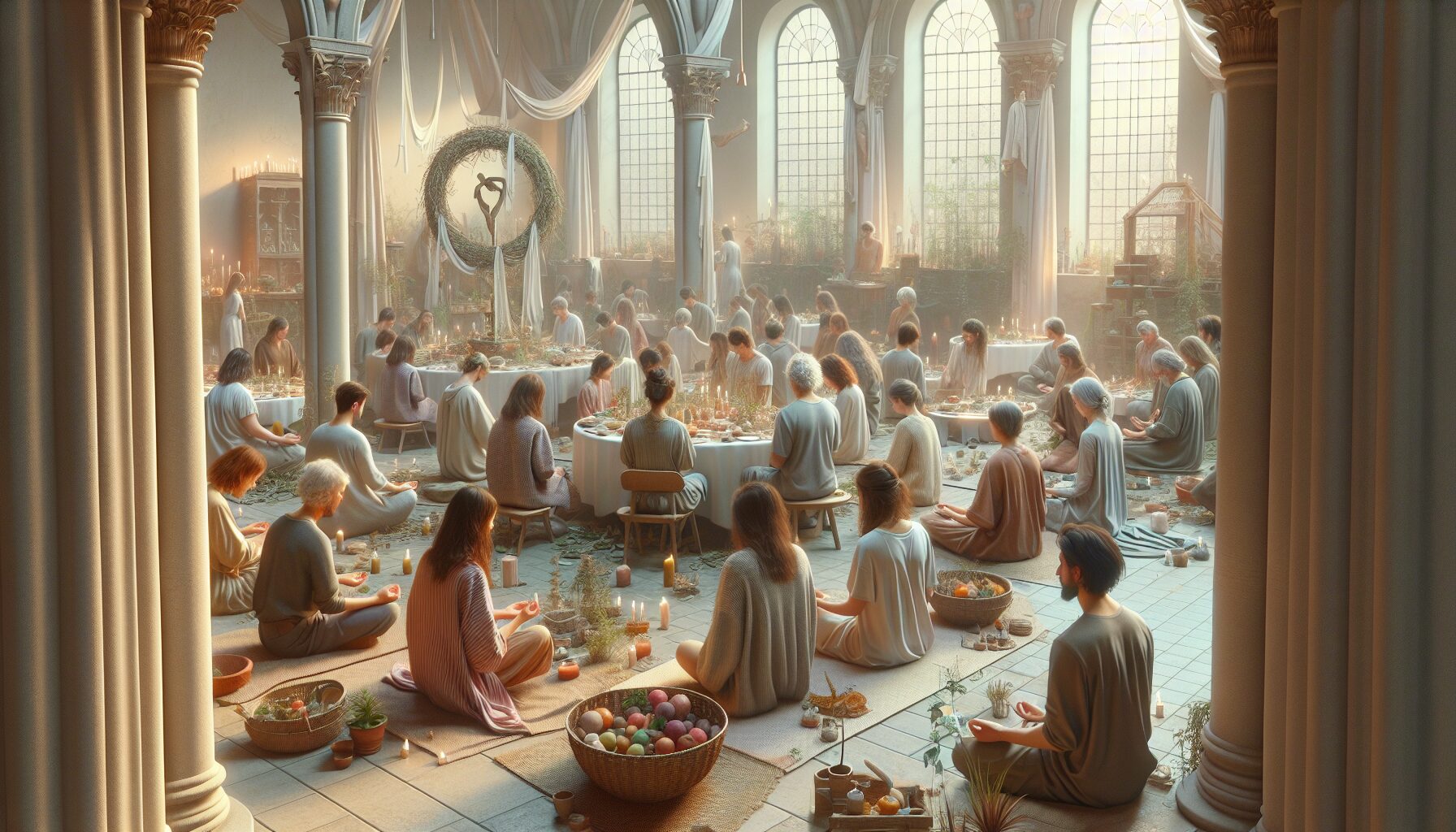
    In an age bustling with technology and rapid advancements, a growing number of individuals are turning towards ancient practices for grounding and personal growth. Rituals, which have been a cornerstone of spiritual traditions across cultures, offer a gateway to mindfulness, intention-setting, and inner harmony. For the modern mystic, integrating these rituals into daily life can be simultaneously profound and practical.

    1. The Morning Grounding Elixir

    • Ingredients:
      • 1 cup of warm water
      • 1 tablespoon of lemon juice
      • 1 teaspoon of honey
      • A dash of cayenne pepper
    • Instructions: Begin each day by brewing this simple elixir. As you savor each sip, focus on your intentions for the day. Visualize the warmth of the liquid spreading through your body, grounding you to the earth, and energizing your spirit.

    “Every morning we are born again. What we do today is what matters most.” – Buddha

    Starting your day with an intention-setting drink not only supports your physical health but also mentally prepares you to seize the day.

    2. The Evening Banishment Bath

    • Ingredients:
      • 1 cup of Epsom salt
      • A few drops of lavender essential oil
      • A sprig of fresh rosemary
      • 1 candle (optional)
    • Instructions: As night falls, draw a warm bath. Add Epsom salt, lavender oil, and rosemary to the water. Light a candle and place it in a safe corner to lend a soothing glow. As you soak, envision each worry or stress dissolving and leaving your body, banished by the water.

    This bath aims to release negativity while promoting a state of tranquility, hence making space for restful sleep.

    3. The New Moon Manifestation Bowl

    • Ingredients:
      • 1 small bowl or dish
      • A small piece of paper and a pen
      • Small crystals (e.g., clear quartz, amethyst)
      • Dried herbs (e.g., sage or basil)
    • Instructions: During the new moon, find a peaceful spot to create your manifestation bowl. Write down your intentions or goals on the piece of paper. Fold it, place it in the bowl, and surround it with crystals and herbs. Keep the bowl where it can soak up the moon’s energy overnight.

    “The moon is a loyal companion. It never leaves. It’s always there, watching, steadfast, knowing us in our light and dark moments, changing forever just as we do.” – Tahereh Mafi, Goodreads

    This ritual not only harnesses lunar energy but also helps clarify your objectives and aligns your actions with these intentions.

    4. The Gratitude Jar Ceremony

    • Materials:
      • A jar or container of your choice
      • Slips of paper and a pen
    • Instructions: Each evening, before retiring for the night, reflect on your day and write down something you are grateful for on a slip of paper. Place it in the jar. Over time, you will curate a collection of thankful moments that can be a source of joy and positivity.

    This practice can be particularly beneficial when you’re feeling low, allowing you to recall the everyday joys you’ve otherwise brushed aside.

    In Conclusion

    Rituals offer more than mere routines; they are intentional sets of actions imbued with meaning and personal significance. By incorporating these ritual recipes into your life, you align yourself not only with ancient wisdom but also with the powerful cadence of nature and self-awareness.

    As you continue on your path as a modern mystic, remember that these rituals are flexible and can be adapted to suit your personal needs and beliefs. Most importantly, they are a reminder that each moment can be sacred, and every action has the potential to transform the ordinary into the extraordinary.

  • Walking Among Ruins: Urban Mysticism

    Walking Among Ruins: Urban Mysticism

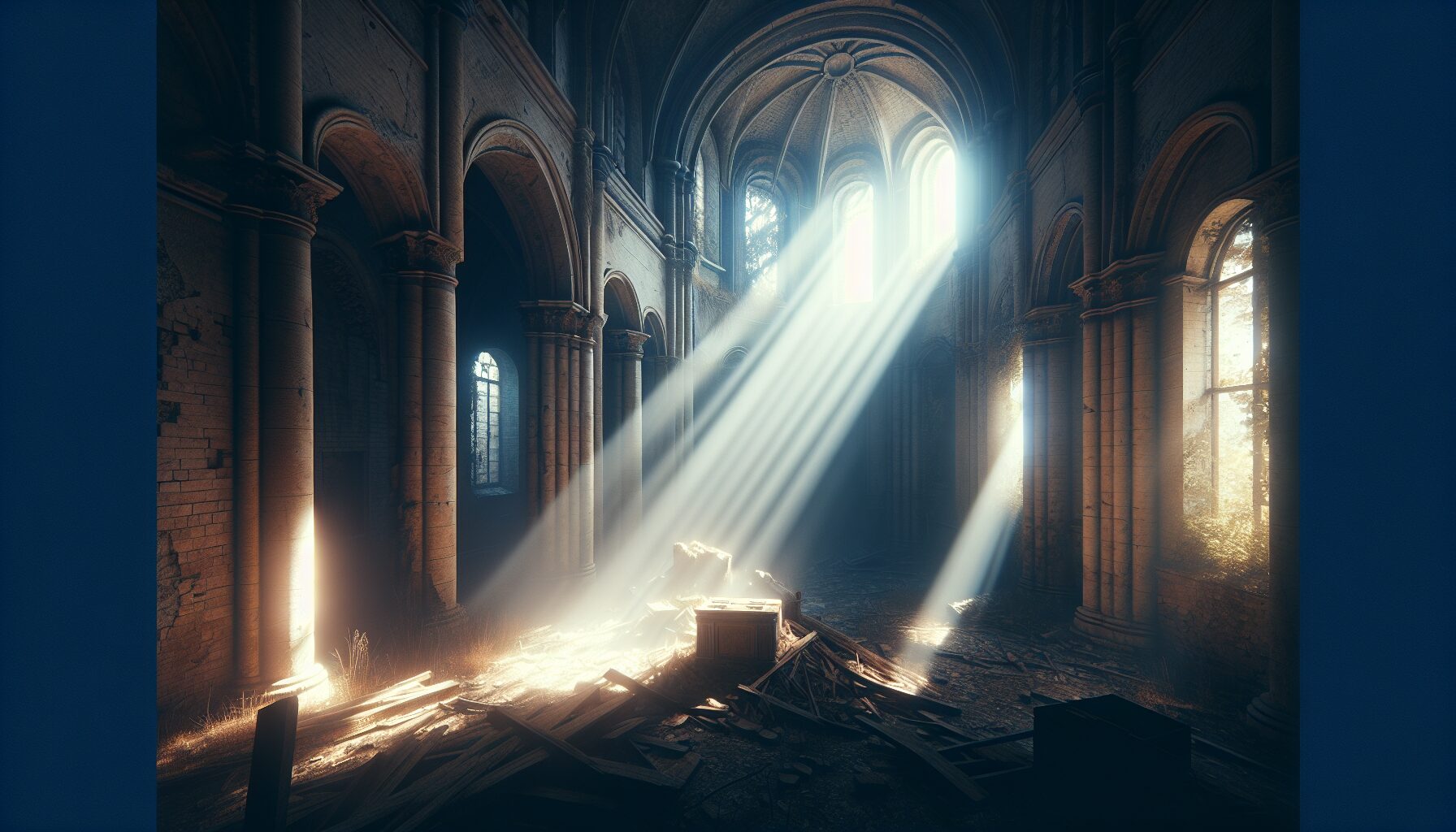
    The modern cityscape is often characterized by sleek skyscrapers, vibrant nightlife, and bustling streets. Yet, hidden in the shadows of this urban landscape lies an enduring fascination with the remnants of the past. Exploring the ruins of a city’s history can unlock a unique form of mysticism that resonates deeply with urban explorers and history enthusiasts alike.

    The Allure of Urban Ruins

    Urban ruins, often neglected and overgrown, hold an undeniable allure. These spaces are relics from another time, frozen in a state of decay. This paradox of both presence and absence captures the imagination and invites reflection. The popularity of movements such as urban exploration or “urbex” has grown significantly in recent years, with adventurers drawn to sites that range from industrial factories to abandoned theaters.

    Renowned photographer Romain Veillon, who has captured countless hauntingly beautiful images of these spaces, notes, “Ruins are like a portal to the past; they give us a glimpse into the lives and dreams of those who came before us.” Such encounters provide a stark reminder of the impermanence of human endeavors, juxtaposed against nature’s relentless reclaiming of space.

    Mysticism and Reflection

    The mysticism associated with urban ruins extends beyond mere visual appeal. Walking through these spaces fosters a form of deep, almost spiritual reflection. The silence, often punctuated only by the sounds of nature or the occasional graffitied wall, encourages a contemplative state of mind. These sites become places of sanctuary, where one can escape the relentless pace of urban life and engage with the metaphysical.

    “In every walk with nature, one receives far more than he seeks,” wrote the influential naturalist John Muir. While he referred to wild landscapes, the sentiment also applies to these urban jungles. Ruins invite visitors to ponder existential questions, consider the passage of time, and reflect on personal histories intertwined with the built environment.

    Famous Urban Ruins

    • Chernobyl Exclusion Zone: Perhaps the most infamous of urban ruins, Chernobyl’s deserted towns and villages offer a haunting glimpse into a world interrupted by disaster. Guided tours allow visitors to witness how nature has begun to reclaim these spaces.
    • The Detroit Packard Plant: Once the largest and most advanced automobile factory in the world, this mammoth facility now stands as a symbol of Detroit’s industrial rise and fall. Its vast spaces, now inhabited by street artists and wildlife alike, exemplify urban decay.
    • Hashima Island, Japan: Known as “Battleship Island,” Hashima was once a bustling center of coal mining. Today, its abandoned concrete structures provide a dramatic testament to the boom and bust of industrial modernity.
    • Pompeii, Italy: Though not a modern ruin, Pompeii’s excavation allows visitors to walk streets frozen in time by volcanic ash, a powerful reminder of nature’s strength.

    Reclaiming Lost Spaces

    While many ruins remain untouched, others have been integrated into the living urban fabric, offering opportunities for communities to reclaim these spaces in creative and sustainable ways. Adaptive reuse is a practice that transforms derelict structures into new venues for art, culture, and community engagement.

    The transformation of the High Line in New York City from an old railway to a thriving city park exemplifies this process. It has become a cherished green space that celebrates both the past and present, offering insight into how the scars of a city’s history can be healed and repurposed.

    Conclusion

    Walking among urban ruins is an experience that opens the door to a unique kind of mysticism that is as relevant today as it was when these structures were first built. They serve as reminders of the impermanence of human achievements and the enduring power of nature, inviting us to question our place within this world.

    “We are all visiting this time, this place. We are just passing through. Our purpose here is to observe, to learn, to grow, to love… and then we return home,”

    This quote serves as a poignant reminder of the transcendent nature of our existence. In the ruins of our cities, we find echoes of those who wandered before us and perhaps, a clearer understanding of our own journey.

  • Ghost Notes: Musical Experiments

    Ghost Notes: Musical Experiments

    You need to be logged in to view this content. Please . Not a Member? Join Us
  • Midnight Sermons: Audio Essays

    Midnight Sermons: Audio Essays

    You need to be logged in to view this content. Please . Not a Member? Join Us
  • Ritual in the Margins: Small Acts of Devotion

    Ritual in the Margins: Small Acts of Devotion

    You need to be logged in to view this content. Please . Not a Member? Join Us
  • Silent Bells: Soundscapes for Reflection

    Silent Bells: Soundscapes for Reflection

    You need to be logged in to view this content. Please . Not a Member? Join Us
  • Dream Cartography: Mapping the Imaginary

    Dream Cartography: Mapping the Imaginary

    You need to be logged in to view this content. Please . Not a Member? Join Us
  • Ghost Kitchens: Culinary Experiments With Spirits

    Ghost Kitchens: Culinary Experiments With Spirits

    You need to be logged in to view this content. Please . Not a Member? Join Us
  • Secrets of the Cemetery: Urban Exploration Guides

    Secrets of the Cemetery: Urban Exploration Guides

    Urban exploration, or urbex, has seen a dramatic rise in popularity over the past decade. Among the myriad locations that captivate the minds of explorers, cemeteries hold a particular allure. These age-old resting places, shrouded in history and mystery, offer a unique journey into the past. This article delves into the secrets of the cemetery and provides a comprehensive guide for those looking to discover these urban sanctuaries.

    Why Cemeteries?

    Cemeteries are often overlooked as sites of historical significance. Nonetheless, they are more than just resting places for the deceased. Cemeteries can reveal intriguing aspects of cultural, architectural, and genealogical history. Stephen Jackson, a renowned urban explorer and author of “The Hidden Stories Beneath Our Feet”, notes, “Every gravestone is a window into the past, often bearing tales of tragedy, triumph, and transition.”

    For the urban explorer, cemeteries represent a serene escape from the urban hustle and bustle, offering not only a connection to history but also an opportunity to experience nature within the city.

    Preparing for Your Exploration

    • Research: Before setting off, familiarize yourself with the cemetery’s history and layout. Websites like Find A Grave provide invaluable historical data and GPS coordinates of interesting sites within cemeteries.
    • Respect and Etiquette: Always approach cemeteries with respect. Remember, they are sacred grounds. Adhere to any posted rules and be mindful of ongoing funerals or visitors.
    • Timing: Plan your trips during the day, as many cemeteries close at dusk. Morning light often reveals the best hues for photographs, while afternoons might offer interesting shadows.

    An awareness of cemetery-specific etiquettes can enrich your experience and prevent any unintended disrespect. As Lucy Moore, from the Urban Exploration Association, emphasizes, “We are guests here. Treat the area with the same respect as you would a museum.”

    The Architectural Wonders

    Many older cemeteries feature stunning examples of architecture and sculpture. Styles range from Gothic and Victorian to more modernist designs. Mausoleums, ornate headstones, and statues can be found across state lines and national borders. In some cases, the cemetery becomes not just a resting place but a canvas for art and architectural expression.

    “These aren’t just burial grounds; they are cities of the dead, each with its own vernacular,” says Monica Rivera, a cultural heritage expert.

    In Search of Stories

    Every cemetery abounds with stories waiting to be uncovered. Is there a legendary ghost? A notorious figure laid to rest? Even the inscriptions themselves tell tales of the eras they represent. Look for historical figures’ graves, read the epitaphs, and try to imagine the life stories behind the names etched in stone.

    • Local Legends: Engage with the locals to hear tales and legends that might not be documented.
    • Guided Tours: In many cities, guided tours are available, providing insights you might not gather on your own.
    • Special Events: Keep an eye out for special events. Some cemeteries host twilight tours or historical reenactments that breathe life into these hushed places.

    Learning about those who came before us not only adds depth to our exploration but enriches our understanding of the societal and cultural landscape over time.

    Safety Tips

    While cemeteries are generally safe, caution is still advisable. Stick to well-trodden paths to avoid uneven ground or hidden hazards. Always let someone know your plans and estimated return time. Additionally, keep an eye on the weather—rain can make paths slippery and treacherous.

    For night-time tours—if permitted—bring a flashlight for better visibility, but be discreet, as flashing lights can disturb the peace of the area.

    Conclusion: A Journey Worth Taking

    Cemeteries offer a unique blend of history, art, and reflection, serving as a tangible link between the past and the present. Exploring these resting places demands respect but rewards the curious heart with tales of yore and the silent beauty of remembrance. So lace up those boots, grab a notepad, and start uncovering these urban oases that tell stories as rich and varied as the individuals they enshrine.

    For those drawn to the hidden corners of their cities, cemeteries represent a profound journey—a journey into the shadowy corridors of time itself. As Monica Rivera concludes, “There’s a story behind every stone, and it’s just waiting for you to uncover it.”