Tag: where

  • Twilight Between Worlds: Reflections on Liminality

    Twilight Between Worlds: Reflections on Liminality

    The concept of liminality is one that captures our imagination, offering a rich tapestry of meanings that extend beyond the academic sphere into everyday life. Defined in anthropology as the quality of ambiguity or disorientation occurring in the middle stage of a ritual, liminality represents a state of transition where one has left one stage behind but has yet to arrive at the next. The term was popularized by the cultural anthropologist Victor Turner, who expanded on Arnold van Gennep’s original concepts of rites of passage.

    “Liminality is where most interesting — and frightening — transformations happen. It is a place of risk and ambiguity, but also of tremendous innovation and change.”

    – Victor Turner

    The Liminal Spaces in Literature and Myth

    In literature, liminality often manifests as a boundary or threshold space that creates a suspenseful anomaly in storytelling. Consider the crossroads in Robert Johnson’s folklore, where decisions of eternal consequence are made, or Lewis Carroll’s Alice’s Adventures in Wonderland, where the rabbit hole serves as a gateway to another world. Such spaces in narratives symbolize the transition between familiar realities to the realms of the unknown.

    This concept is also prevalent in mythology. The Greek god Hermes, a liminal figure, is known as a guide between worlds, particularly in his role as a psychopomp, leading souls to the afterlife.

    Liminality in Modern Culture and Society

    Beyond the literary and mythical, liminality finds a robust presence in modern culture and society. In our rapidly changing world, transitional phases such as adolescence, job changes, and migrations embody liminality. These are periods often marked by instability but also profound growth and innovation.

    • Adolescence: A stage fraught with transformation, exploring identity, and envisioning possibilities.
    • Career Transitions: Changing professions, which often involve uncertainty but lead to personal fulfillment and growth.
    • Migration: The physical and cultural border-crossing, often encompassing adaptation and new beginnings.

    As individuals or societies stand on the threshold of new epochs, they experience the “liminal spaces” that so many modern theorists write about. These spaces, be they airports, hotels, or unfinished buildings, act as metaphorical waiting rooms before a new lifecycle begins.

    The Psychological Impact of Liminal Spaces

    Psychologically, the state of being between phases can have a profound impact. It is often during these times that personal transformation is catalyzed. Philosopher and psychoanalyst Carl Jung referred to these moments as periods when critical personal discovery takes form, facilitated by the tension and ambiguity of being in-between.

    “The greatest and most important problems of life are all fundamentally insoluble. They can never be solved, but only outgrown. This outgrowth requires one to go through a state of being in-between — a twilight of the old and the new.”

    – Carl Jung

    Embracing the Liminal

    Accepting and even embracing liminality can be a profound journey toward self-discovery and societal evolution. Though the uncertainty inherent in these spaces can be daunting, they also provide fertile ground for cultivating resilience and creativity.

    Our approach to liminal experiences can shape their impact on our lives. By acknowledging the importance and inevitability of these in-between moments, we can reduce the anxiety they may evoke and instead, see them as opportunities for growth and transformation.

    In conclusion, navigating the twilight between worlds is part of the human condition. Liminal spaces, whether real or metaphorical, remain integral to our evolution, both individually and collectively. As we find ourselves frequently at the junctions of various experiences and phases, it may serve us well to remember that each liminal moment holds within it the promise of change and the possibility to redefine our destinies.

  • Songs from the Hollow: Experimental Music

    Songs from the Hollow: Experimental Music

    You need to be logged in to view this content. Please . Not a Member? Join Us
  • Whispers in the Library: Experiments in Silence

    Whispers in the Library: Experiments in Silence

    You need to be logged in to view this content. Please . Not a Member? Join Us
  • The Invisible Pilgrim: Travel Essays

    The Invisible Pilgrim: Travel Essays

    You need to be logged in to view this content. Please . Not a Member? Join Us
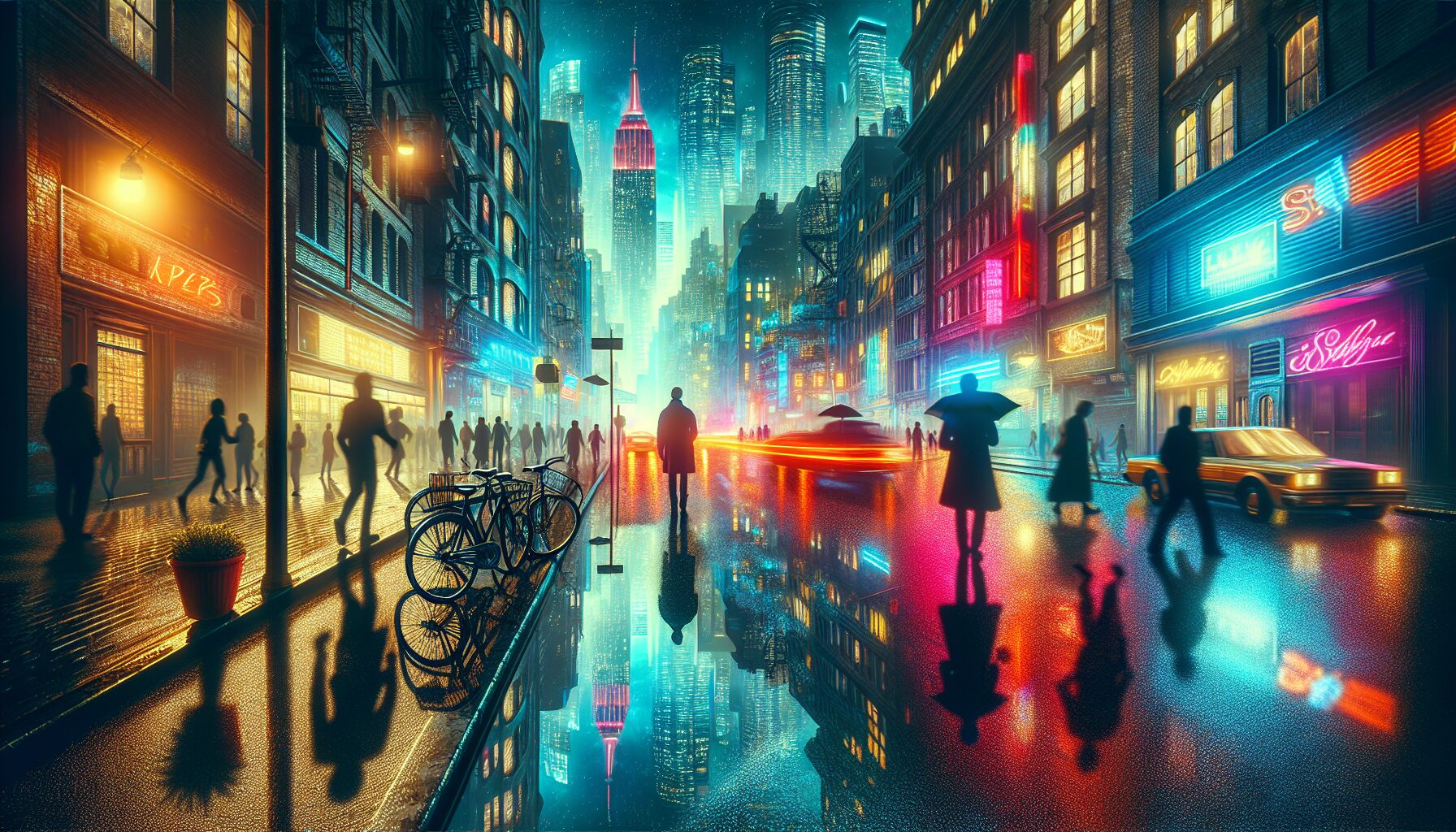
  • Fragments of a City: Urban Mysticism

    Fragments of a City: Urban Mysticism

    You need to be logged in to view this content. Please . Not a Member? Join Us
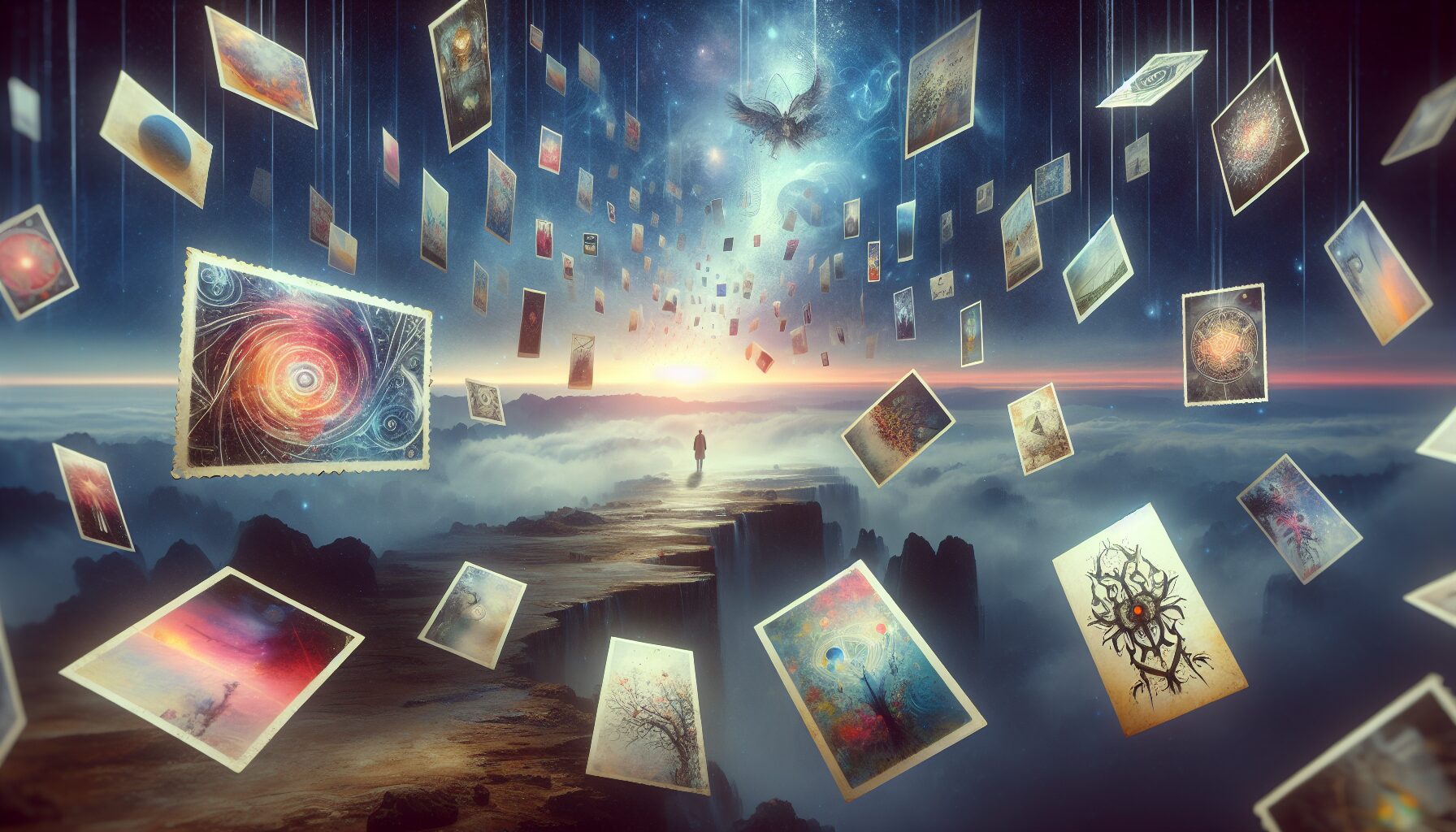
  • Postcards from Nowhere: Mail Art as Divination

    Postcards from Nowhere: Mail Art as Divination

    The art of communication has undergone significant transformations over the centuries, from spoken word to the digital age’s instant messages. Yet, amidst these changes, an intriguing and often overlooked form of expression persists: mail art. This unique practice blends tactile experiences with creative impulses, and in recent years, has taken on an almost mystical quality akin to divination.

    The Genesis of Mail Art

    Mail art, sometimes called correspondence art, began to emerge in the 1960s as part of the avant-garde movement. Artists sought to transcend geographic boundaries, using postal systems as their medium. According to The Metropolitan Museum of Art, “Mail art networks democratized artistic practice, embracing amateurism and accessibility.”

    This epistolary art form invites participants to exchange artworks through the mail, embodying democratized communication channels and fostering a global art community. Artists like Ray Johnson, often regarded as a pioneer of mail art, initiated the New York Correspondence School, encouraging interactions that were both intimate and public.

    Symbolism and Interpretation in Mail Art

    The essence of mail art intersects with the mystical when it serves as a vehicle for symbolic communication. The sender and receiver engage in a process that mirrors divination, where meanings are interpreted beyond their surface value. This phenomenon is reminiscent of reading tarot cards, where the cards’ imagery becomes infused with personal meaning through the querent’s perspective.

    “Art is a means of accessing that realm of communication which lies beyond the visible and tangible, offering material results imbued with the spiritual and unknowable.” – Elizabeth Finch, Artforum

    Like the tarot reader, the artist takes on the role of the diviner, crafting messages that evoke introspection. Each piece of mail art becomes a speculative clue, and its journey through the postal system infuses it with its own narrative and meaning.

    The Journey as the Message

    According to the Tate, “The emphasis in mail art is often as much on the act of communication and the journey of the object as it is on the finished artwork itself.” The element of chance inherent in this journey is akin to systems of divination like reading runes or interpreting omens. The mail art piece shifts from a mere message to a narrative shaped by its passage through hands and lands.

    The postal system becomes an oracular channel, dictating the fate of each piece. It may arrive altered, damaged, or intact; these variations and accidents yield interpretations unforeseen by the sender, enriching the work with an aura of serendipitous magic.

    Collaborative Creativity

    Mail art naturally lends itself to collaborative creativity, engaging multiple parties in the production of a single work. This collaboration can be seen as a form of collective divination, where each participant’s inputs alter the piece’s “prophecy.” Such communal creation echoes the spirit of ancient oracles, where multiple priestesses contributed to a singular vision.

    An example of this was the “Add and Pass” technique, where recipients were encouraged to add to the artwork before mailing it further. Each addition altered the original, creating a continuously evolving piece that embraced uncertainty and change, much like the continual revelations in a divinatory process.

    A Modern Renaissance

    With the rise of the digital age, mail art experienced a decline; however, the early 21st century has witnessed a revival. Artists and non-artists alike crave a return to tangible, physical exchanges amid the fleeting nature of digital communication.

    Mail art’s resurgence parallels a rekindled interest in divination and the mystical, suggesting that humans incessantly yearn for meaning beyond what is easily accessible. Platforms like Instagram and Reddit host thriving communities dedicated to mail art, providing forums for sharing, exchanging, and interpreting creations.

    Mail Art as Modern Divination

    Today, mail art continues to serve as a bridge between the mundane and the magical. Each exchange is rich with potential narratives, inviting both sender and recipient to engage in an interpretive dance akin to divining meaning from celestial constellations.

    “It’s an act of faith that your work will find its way to an audience. Like sending out a message and waiting for a reply from the universe.” – Caitlin McKenna, mail art enthusiast.

    The practice of mail art reminds us of the sacred art of waiting. In a world governed by immediacy, crafting and sending mail art can feel like planting seeds in a secret garden and trusting in the eventual bloom. This mystical patience, spurred by curiosity and the enchantment of the unknown, elevates mail art to an act of personal and communal divination.

    Conclusion

    Mail art, a beautiful intersection of creativity and mysticism, allows individuals to engage in global dialogue through personal lenses, interpreting and imbuing their creations with layers of meaning. It speaks to the human thirst for connection, the divine, and the inherent artistry of life’s random patterns.

    As we continue to navigate an increasingly virtual world, mail art remains a steadfast reminder of the magic in the tangible, inviting us to send and receive postcards from the uncharted expeditions of our own imagination.

  • The Library of Lost Hours

    The Library of Lost Hours

    You need to be logged in to view this content. Please . Not a Member? Join Us
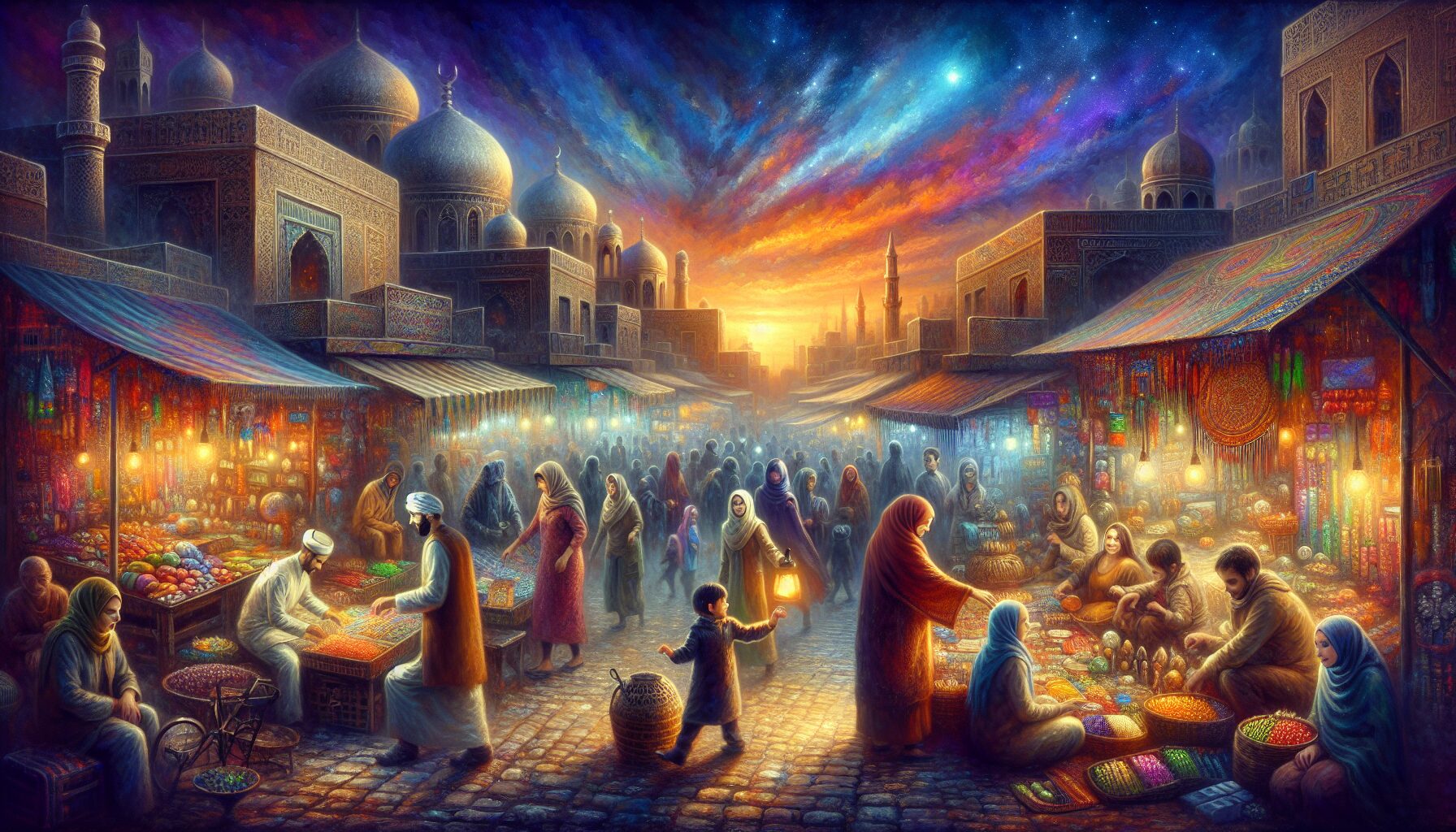
  • Twilight Markets: Buying and Selling the Intangible

    Twilight Markets: Buying and Selling the Intangible

    You need to be logged in to view this content. Please . Not a Member? Join Us
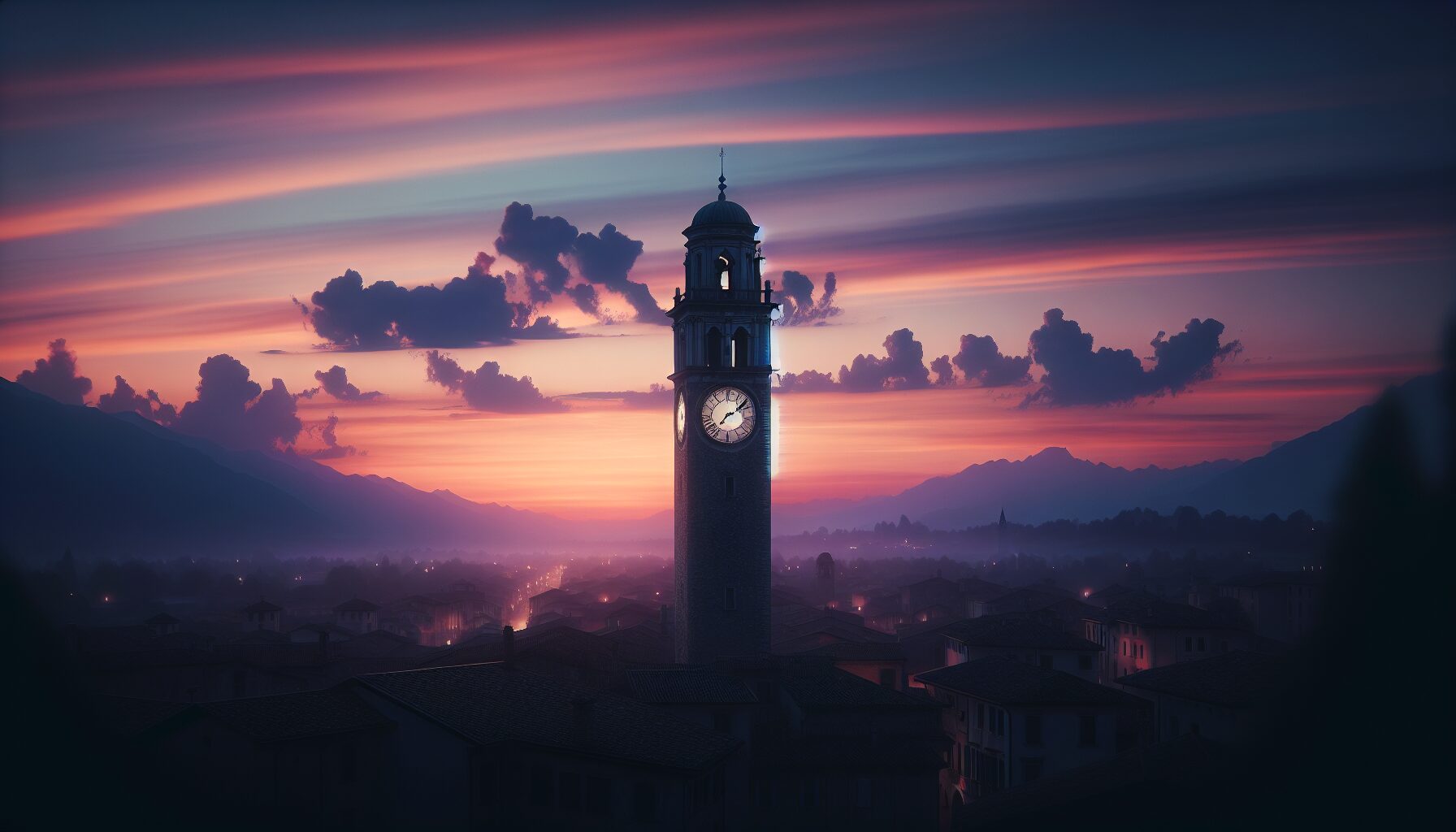
  • The Clocktower at Dusk: Observing Liminal Hours

    The Clocktower at Dusk: Observing Liminal Hours

    Dusk is a time of transformation and reflection, where day meets night. It is during these moments, particularly from the vantage point of a clocktower, that we begin to see the world under a different light—literally and metaphorically. Observing the clocktower at dusk allows us to appreciate the rich interplay between architecture, history, and the natural transition of time.

    A Beacon of History

    Clocktowers have long been central to urban landscapes, serving as both timekeepers and landmarks. The genesis of these structures dates back to medieval times when they were built to regulate the commercial and social activities of bustling towns. As historian Gerhard Dohrn-van Rossum notes in his work, History of the Hour, “The presence of a mechanical clock represented the burgeoning concept of measured time as a public necessity rather than a private indulgence” (Cambridge University Press).

    At dusk, as the dim light bathes these towering structures, they evoke a sense of continuity through the ages. They stand as sentinels of time, observing the ebb and flow of life around them.

    Liminality: The Twilight Zone

    The term “liminal” stems from the Latin limen, meaning “threshold.” Twilights, both dawn and dusk, are naturally liminal, marking the transition from night to day or vice versa. Clocktowers, often central in our towns and cities, make perfect observation posts for these transitions. The interplay of shadows and light reflected off their faces can serve as metaphors for life’s uncertainties and the delicate balance between past and future.

    “Liminal spaces are where transformation occurs, where the old is absorbed and the new takes shape.”
    — Victor Turner, anthropologist

    From the elevated platform of a clocktower, one witnesses more than the shift of sunlight; there is an intangible shift in the atmosphere, mood, and even sound. The bustle of the day begins to quieten, and the whispers of the night start to emerge.

    The Aesthetic Allure of Dusk

    Dusk is often revered for its aesthetic beauty—an ephemeral spectacle painted with the hues of orange, pink, and purple. Renowned author Ruskin Bond captures this magic in his short story collection, Dust on the Mountain: “There’s a certain magic that descends with twilight, and the colors in the sky are just a theatrical display of nature’s art” (<?penguin.co.in).

    The clocktower, silhouetted against this backdrop, becomes a striking piece of art itself. The shadows it casts stretch outwards, creating shapes that dance upon the streets and rooftops, inviting contemplation and imagination.

    Symbolism and Reflection

    Clocktowers symbolize many things—order, civilization, and the human attempt to reign in and understand time. Observing them at dusk brings a particular intimacy to these symbols, reminding us of our place in the natural cycle of things.

    Dusk is synonymous with reflection, a natural pause where observers are prompted to look back on the day and look ahead to the uncertainties of the night. It is a time to ponder our achievements, confess our shortcomings, and reset our inner clocks in preparation for a new day. Watching a clocktower at this hour underlines these reflections, lending a rhythmic heartbeat to our thoughts.

    A Call to Experience

    For those fortunate enough to live near a clocktower, an observatory session at dusk is a recommended experience. It is an opportunity to reconnect with the rhythm and pulse of a city or town and to observe a living symbol of time’s passage as it keeps tick-tocking through the centuries while quiet moments linger.

    The phenomenon of dusk, when viewed from the unique vantage of a clocktower, is more than just an aesthetic experience; it is a spiritual one, an invitation to embrace the unknown and cherish the timeless art of observation.

    In a world that is increasingly dictated by digital clocks and fleeting moments, let us take a moment, just once, to climb the steps of a clocktower at dusk. There, as shadows lengthen and the world pauses, we might find clarity within the chaos and serenity in the passing of time.

  • Letters from Limbo: Reader Submissions

    Letters from Limbo: Reader Submissions

    You need to be logged in to view this content. Please . Not a Member? Join Us