Tag: winter

  • The Frostwing Tradition – A Winter Ritual of Renewal

    The Frostwing Tradition – A Winter Ritual of Renewal

    Deep within the snowy hinterlands of the northern hemisphere lies an enchanting tradition known as the Frostwing ritual. This ancient winter custom, still practiced by many cultures today, symbolizes the themes of renewal and transformation that echo across the icy landscapes.

    The origins of the Frostwing tradition can be traced back to several indigenous communities who have long considered winter a sacred time of introspection and rebirth. The ritual involves a series of practices and ceremonies that aim to rejuvenate the spirit and connect participants with the cyclical rhythms of nature.

    The Symbolism of Frost and Wings

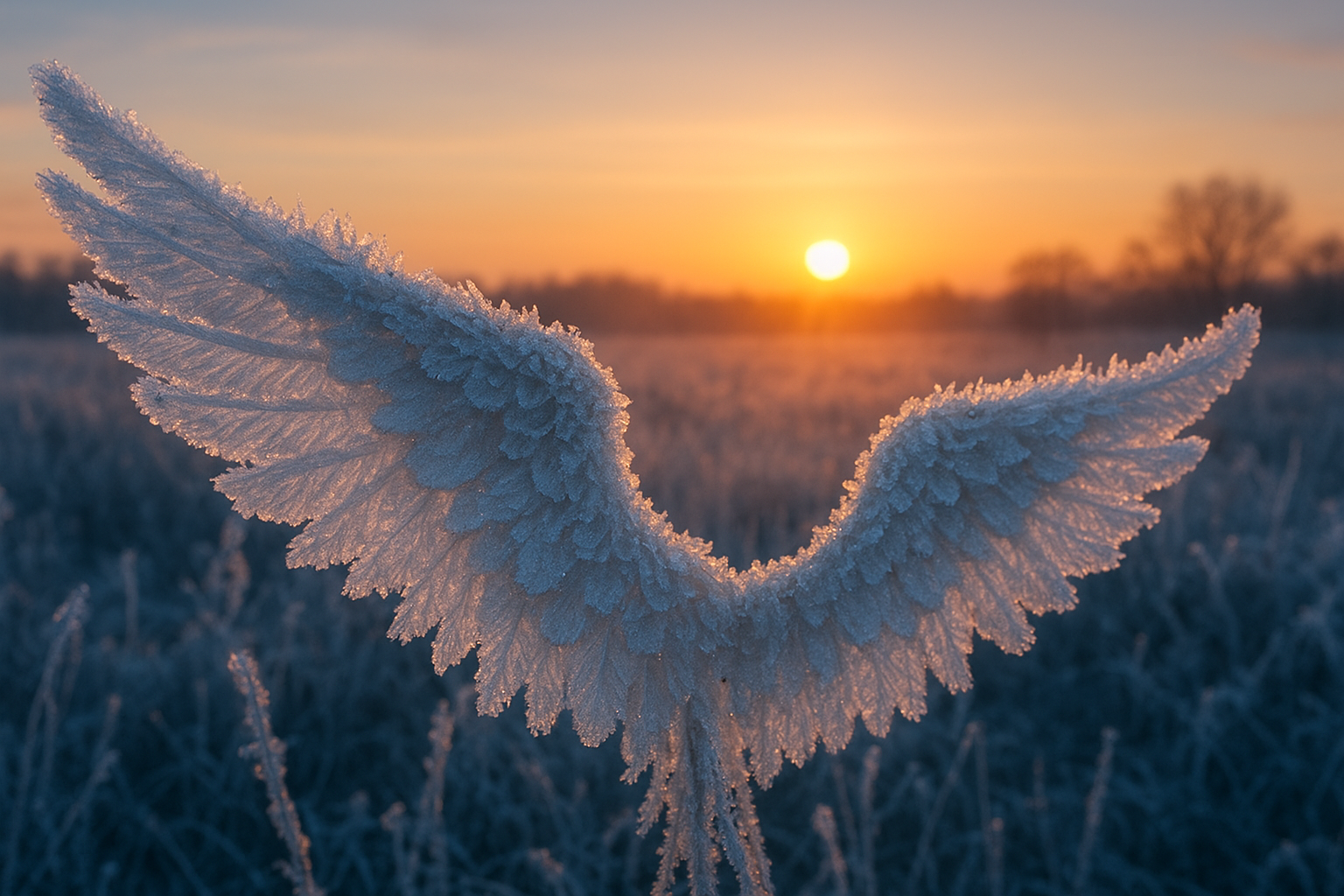
    The term “Frostwing” is steeped in symbolism. Frost represents the harsh yet cleansing power of winter, an essential period when the earth rests and rejuvenates for the vibrant rebirth of spring. Wings, on the other hand, symbolize the aspiration for growth and transcendence, akin to how the mythical phoenix rises from its own ashes.

    “Winter is the time for comfort, for good food and warmth, for the touch of a friendly hand and for a talk beside the fire: it is the time for home.” — Edith Sitwell

    This quote by Edith Sitwell perfectly encapsulates the intimate nature of the Frostwing tradition, which is observed both communally and individually. The quietude of winter offers a backdrop for deep reflection and community bonding.

    Key Elements of the Frostwing Ritual

    • Prepare the Sacred Space

      Participants begin by preparing a sacred space, often around a bonfire or a specially constructed altar made of ice and snow. The area is decorated with symbols of winter such as pinecones, holly, and evergreens, signifying perpetual life even during the bleakest months.

    • Cleansing Rites

      A central part of the Frostwing ritual involves cleansing rites. Symbolic acts such as bathing in icy waters or anointing with oils infused with winter herbs like sage and pine are common. These practices purify the body and soul, making participants ready for renewal.

    • The Dance of Frost and Fire

      The ritual reaches its zenith with the Dance of Frost and Fire, a vibrant performance wherein participants clad in white and blue dance around the fire. This symbolizes the harmonious balance between the cold dormancy of winter and the warmth of life and renewal.

    • Renewal Vows

      At the ceremony’s conclusion, participants speak their renewal vows aloud, making personal commitments for the coming year. This practice reinforces their intentions, sealed by the potent symbolism of the winter renewal.

    Frostwing in Modern Culture

    While its roots are ancient, the Frostwing tradition has gracefully adapted to modern times. In an era characterized by fast-paced living, this ritual serves as an opportunity for people to slow down and re-center during the winter months.

    In recent years, the Frostwing tradition has gained popularity beyond its traditional landscapes amid a broader interest in wellness and spiritual practices. Influencers and wellness coaches often highlight the benefits of participating in similar rituals as a form of seasonal mindfulness.

    “Nature does not hurry, yet everything is accomplished.” — Lao Tzu

    Lao Tzu’s quote reminds us of the lessons inherent in the Frostwing tradition: embracing patience and trusting the natural cycle of renewal, much as nature does during winter.

    Adapting Frostwing for Personal Practice

    While the full-scale Frostwing ceremony may require a community setting, individuals can adapt elements for their personal winter rituals. Here are some ways to cultivate the spirit of Frostwing:

    • Winter Journaling: Keep a journal to reflect on personal growth and intentions every day. Document dreams and aspirations for the coming cycles.
    • Winter Nature Walks: Engage in mindful walks through snowy landscapes, paying attention to the serene beauty around and allowing it to inspire inner tranquility.
    • Meditation and Visualization: Practice meditation techniques that incorporate visualizing frosty landscapes, using their calm and stillness to soothe the mind.
    • Craft Winter Decor: Create personal spaces adorned with winter symbols, fostering an environment conducive to spiritual and emotional rejuvenation.

    Conclusion

    The Frostwing tradition reminds us of the profound wisdom nestled within the cyclic nature of seasons. Embracing its teachings of renewal, reflection, and rebirth allows individuals to connect deeply with both the world around them and their inner selves. Whether practiced communally or individually, Frostwing offers a transformative journey through the winter months, preparing the ground for the lush growth and endless possibilities that spring brings.

    For those interested in exploring this tradition further, numerous resources and communities around the world are ready to guide and support newcomers in experiencing Frostwing’s magical embrace.
  • The Winter Halo Cycle – Understanding Light in the Dark

    The Winter Halo Cycle – Understanding Light in the Dark

    The winter months bring with them a magical phenomenon that captivates and mesmerizes those fortunate enough to witness it: the winter halo. These celestial circles of light, often surrounding the sun or the moon, are not just enchanting occurrences but also offer intriguing insights into atmospheric conditions.

    The Science Behind Winter Halos

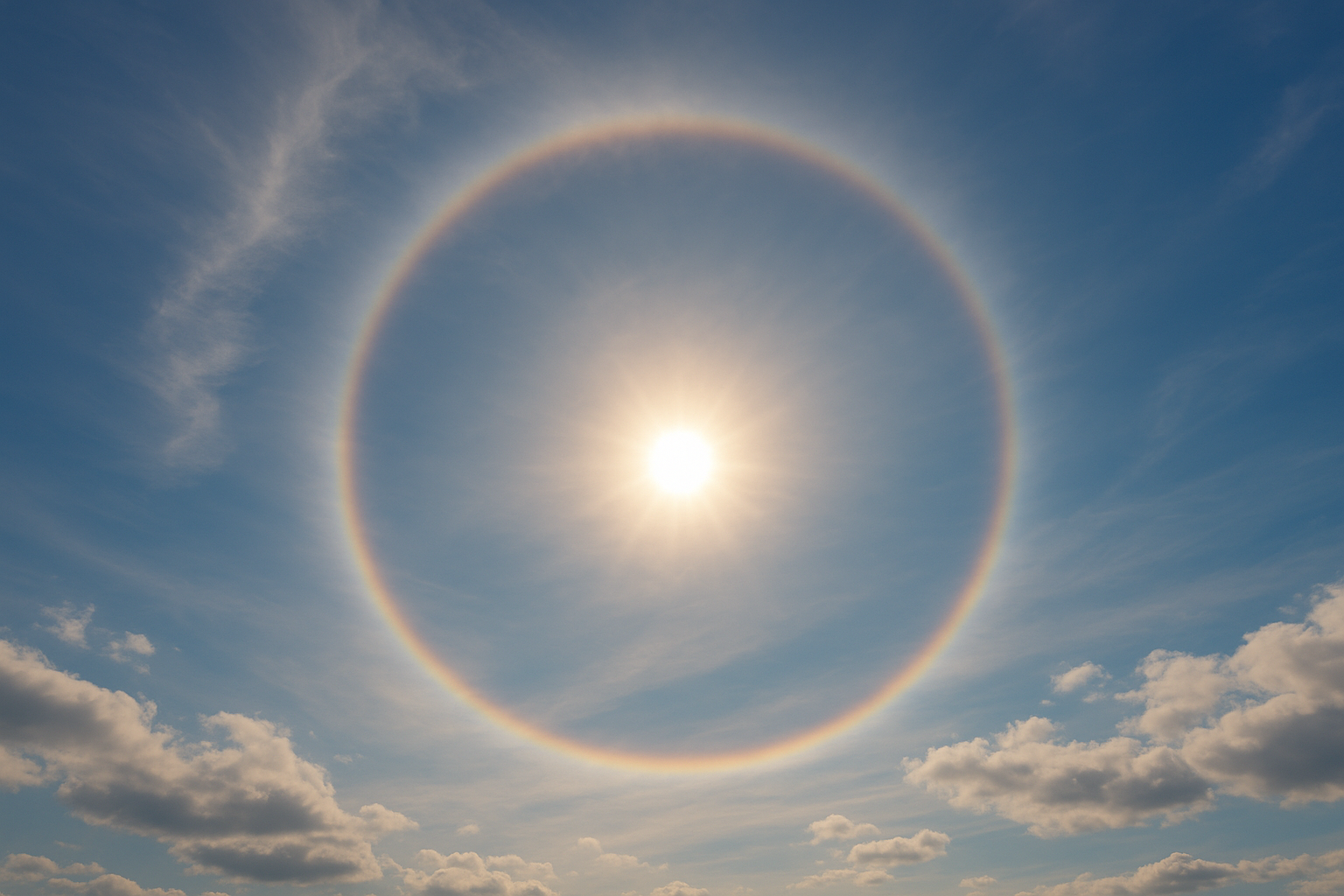
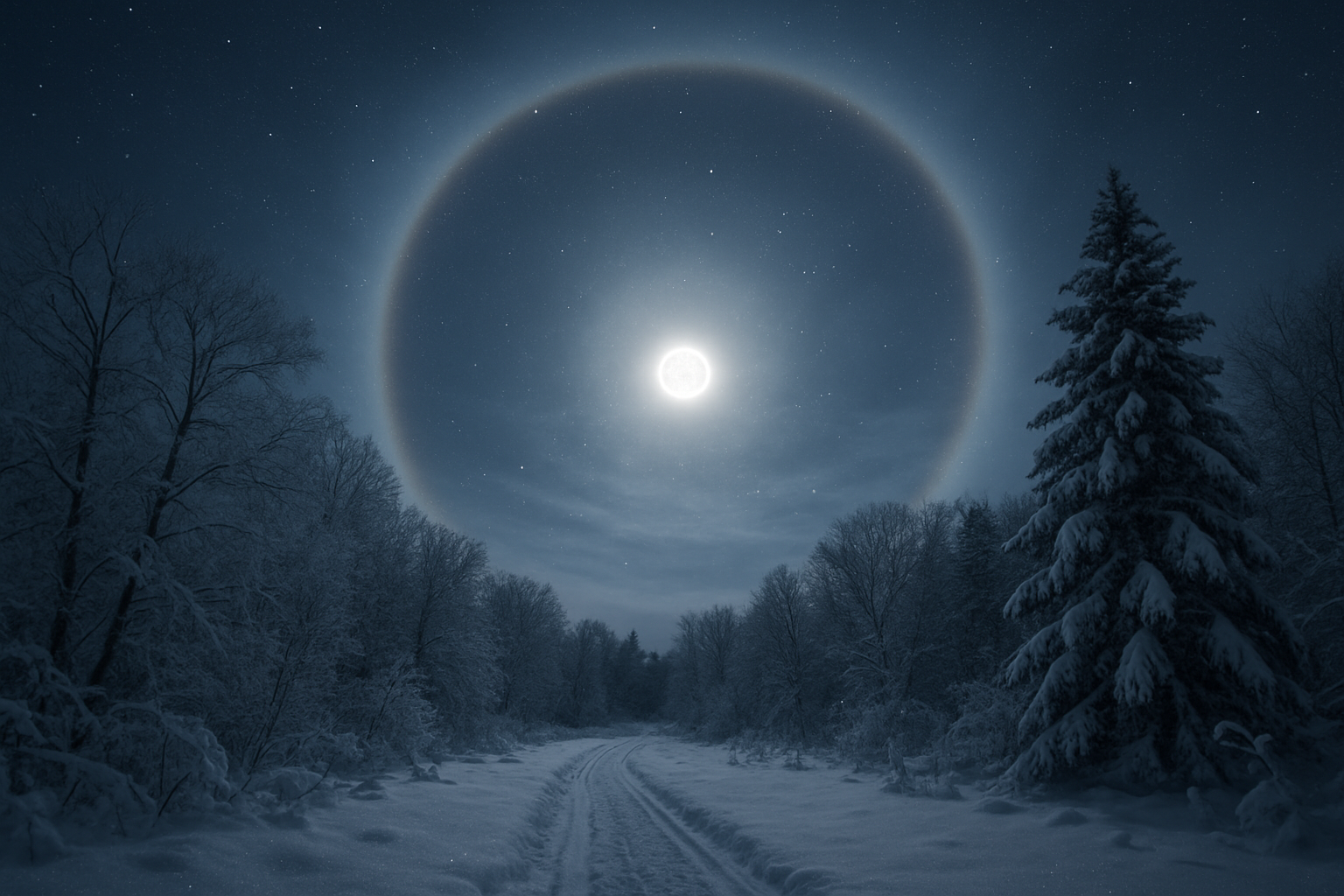
    Winter halos occur when high-altitude ice crystals in cirrus clouds refract and reflect light. As sunlight or moonlight passes through these hexagonal ice crystals, it is bent at a 22-degree angle, creating a halo effect. According to the Scientific American, “ice crystals act like prisms and mirrors, refracting and reflecting light to cause different visual phenomena.”

    Types of Winter Halos

    • 22-Degree Halo: The most common type, visible as a bright circle with a radius of approximately 22 degrees around the celestial body.
    • Sundogs: Also known as parhelia, these are bright spots that appear on either side of the sun, often during sunrise or sunset.
    • Pillar of Light: Vertical shafts of light extend above and sometimes below a light source, caused by reflection of light off the surfaces of falling ice crystals.
    • Moonbows: A rare sight, these halos are similar to rainbows but appear around the moon.

    The Cultural Significance of Halos

    Beyond their scientific explanation, winter halos have long been intertwined with folklore and mythology. Historically, they have been seen as omens or heavenly signs. For instance, in Norse mythology, halos around the sun were considered harbingers of stormy weather or even divine messages from the gods.

    “Halos have been interpreted in various ways, from weather predictions to spiritual alerts, each culture adding its unique significance to the phenomenon.” – Wired

    When to Spot a Winter Halo

    The best time to observe a halo is during cold, clear days, especially when cirrus clouds are present. Locations with minimal light pollution increase your chances of witnessing these stunning displays.

    Winter halos remind us of the intricate beauty of nature, highlighting how simple ice crystals can transform into extraordinary spectacles of light. For more information on when and how to see them, NASA’s Climate Science website offers practical insights from atmospheric scientists.

  • Shards of Morning Light – Collecting Winter Blessings

    Shards of Morning Light – Collecting Winter Blessings

    As the autumn leaves gracefully tumble to the ground, caressed by the whispering winds, the world wraps itself in a silvery cloak. Winter makes its majestic entrance. There’s a magic in the shards of morning light, twinkling like a myriad of tiny diamonds scattered across a frozen canvas. Each daybreak in this season offers its own unique blessings to collect and cherish.

    A picturesque winter morning with the first light breaking through the trees.

    The Beauty of Winter’s Touch

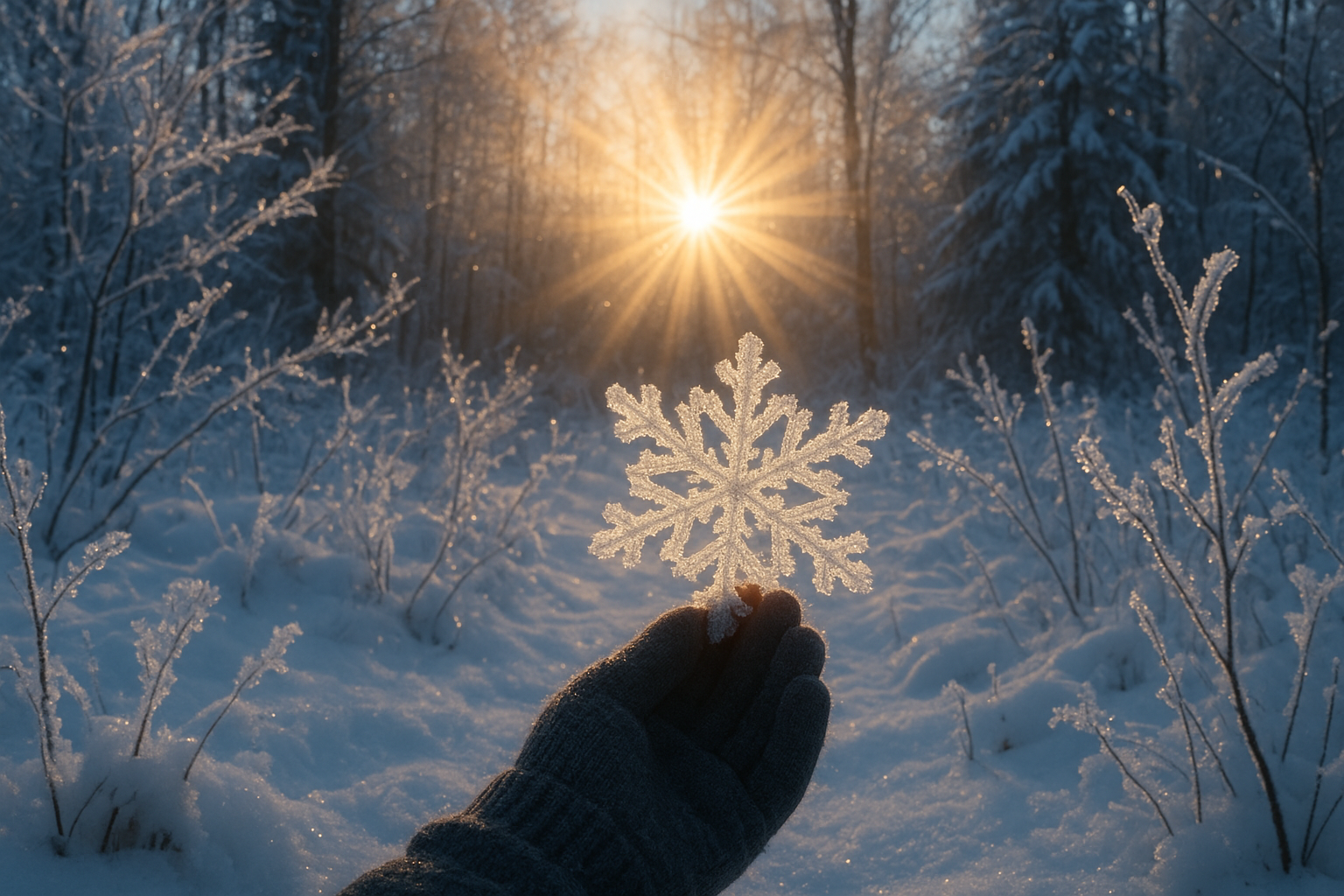
    The serenity that accompanies a winter morning is unparalleled. As the sun stretches its gentle fingers over the horizon, the world glimmers in a soft, pastel glow. Trees, barren yet beautiful, stand as monuments capped with ice crowns. Walking through a winter wonderland, one feels the quiet caress of nature’s artistry. The simplicity of a snowflake juxtaposed against the intricate pattern it forms among its peers is a testament to nature’s eye for detail.

    “In the depth of winter, I finally learned that there was in me an invincible summer.” – Albert Camus

    Embracing the Moment

    Winter mornings provide a unique opportunity for reflection and introspection. It’s a time when the world appears to have paused, waiting to be awakened by the burgeoning warmth of a new day. The sound of boots crunching in the snow is a reminder of the joys of the simplest experiences. As the coffee brews and the frost etches intricate works of art on windowpanes, the heart takes a moment to bask in gratitude.

    • Stargazing: The long winter nights are perfect for observing the stars, and if you’re fortunate, catching a glimpse of the auroras dancing across the polar skies.
    • Fireside Reading: There’s no greater joy than diving into a book while the cold lingers just beyond the warmth of a crackling fire.
    • Winter Sports: From skiing to snowshoeing, the brisk air becomes a vibrant playground for enthusiasts.

    Indeed, winter casts a spell of transformation, asking us to embrace change and find beauty in the stark, the silent, and the still. As the earth blankets itself, it invites us to seek inner warmth and to collect the intangible blessings that each cold dawn discreetly offers. Every shaft of morning light becomes a reminder of the enduring light within.

    The season may seem harsh, but it fosters resilience, quietude, and a deeper appreciation for the brilliant tapestry of life.

  • Starflake Cartographers – Mapping the Winter Skies

    Starflake Cartographers – Mapping the Winter Skies

    Starflake Cartographers: Mapping the Winter Skies

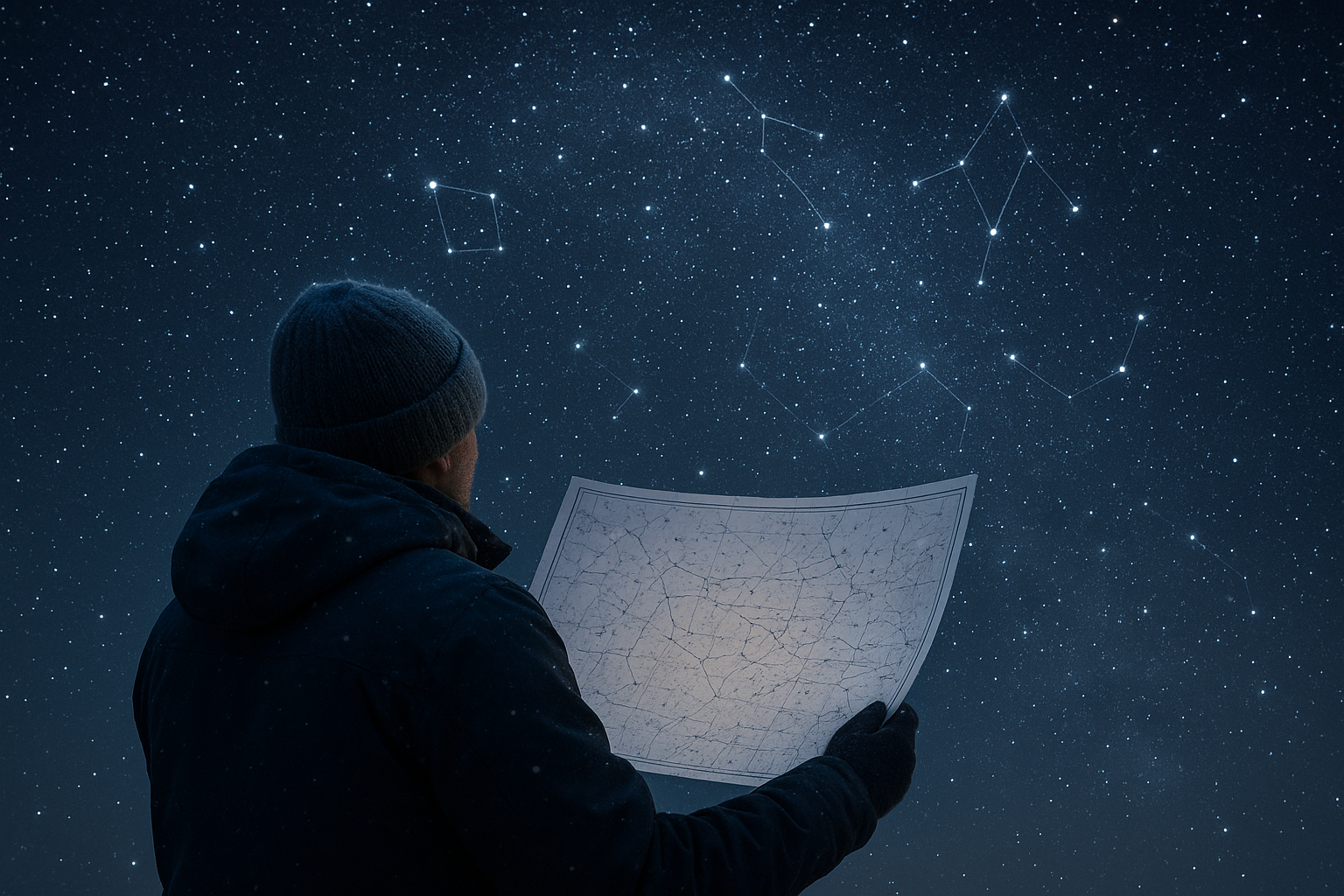
    During the cold months, when nights grow longer and clearer, a celestial extravaganza unfolds above us, punctuated by a tapestry of constellations particular to the winter season. For millennia, these stars have drawn the fascination and art of cartographers, known as “Starflake Cartographers,” who uniquely blend science and storytelling to chart the night sky.

    The Art and Science of Celestial Mapping

    The practice of celestial cartography dates back to ancient civilizations that sought to document the stars they observed. Claudius Ptolemy, in the 2nd century, famously catalogued over 1,000 stars in his work, the Almagest. Today’s “Starflake Cartographers” continue this legacy, building upon the work of forebears while utilizing advanced technology to expand and refine their night sky maps.

    Unlike terrestrial maps, star maps present unique challenges, such as the need to depict the spherical nature of the heavens on a flat plane. Innovations over the centuries have yielded different methods for projecting night skies, including planispheres and celestial globes.

    The Richness of Winter Constellations

    The winter sky in the Northern Hemisphere offers some of the most striking constellations and astronomical phenomena. Here are a few highlights:

    • Orion: Perhaps the most recognizable winter constellation, Orion is known for the prominent belt formed by three bright stars. It’s often seen as a beacon guiding our gaze to other nearby constellations.
    • Taurus: Known for containing the star cluster Pleiades, Taurus is a favorite among astronomy enthusiasts. The vivid orange-red star Aldebaran adds to its allure.
    • Gemini: Represented by the twins Castor and Pollux, this constellation tells of friendship and duality in mythology and frequently hosts meteor showers like the Geminids.

    These stellar patterns not only guide navigation but also enrich cultural stories. For instance, the Native American Dakota people see Wintermaker rather than Orion—a figure who reaches across the sky and is deeply embedded in their seasonal stories.

    Technological Advancements in Star Mapping

    Modern star mapping is now at the intersection of art and high-tech innovation. With the advent of digital technology, Starflake Cartographers harness sophisticated software and telescopic data to produce precise and richly detailed star maps, often incorporating interactive elements for educational purposes. The NASA Stellarium project, for instance, is a powerful open-source planetarium platform that overlays historical observations with real-time data.

    Moreover, satellite technology contributes profoundly. The European Space Agency’s Gaia mission plays a crucial role by creating the most detailed 3D map of the Milky Way, documenting billions of stars and revealing intricate details of our galaxy that were once inaccessible.

    Cultural Significance and Global Perspectives

    Star maps reflect a tapestry of cultural interpretations, where scientific endeavor meets cultural myth. Different cultures perceive the night sky in ways that reflect their worldviews and historical contexts. These perspectives contribute to a diverse understanding of our shared skies.

    “The constellations reflect humanity’s enduring effort to find patterns and meaning in the vast cosmos,” said Dr. Mariela Cunning, a cultural astronomer from the University of Example. “Each culture imbues the stars with stories that are interwoven with identity and belonging.”

    For many indigenous cultures, star maps are more than mere navigational tools; they are rich repositories of knowledge and philosophy. Efforts to decolonize astronomy emphasize incorporating these indigenous methodologies and acknowledging their place in global scientific dialogues.

    The Future of Starflake Cartography

    As Starflake Cartographers continue their celestial labor, the field is poised for even more breakthroughs. Technological advances like augmented reality (AR) promise to transform how we experience the night sky, allowing users to superimpose constellation information onto their environment through smart devices. Educational initiatives can benefit immensely, making astronomy more accessible and engaging for the wider public.

    Looking upwards on a crisp winter’s night invites a sense of humility and wonder. As humanity continues to chart the heavens, it is clear that the work of Starflake Cartographers serves as a bridge between our ancestors’ dreams and our present-day aspirations, capturing the essence of exploration, creativity, and the eternal allure of the stars.

  • The Halo Snowglobe – A Guide to Creating Personal Winter Sanctuaries

    The Halo Snowglobe – A Guide to Creating Personal Winter Sanctuaries

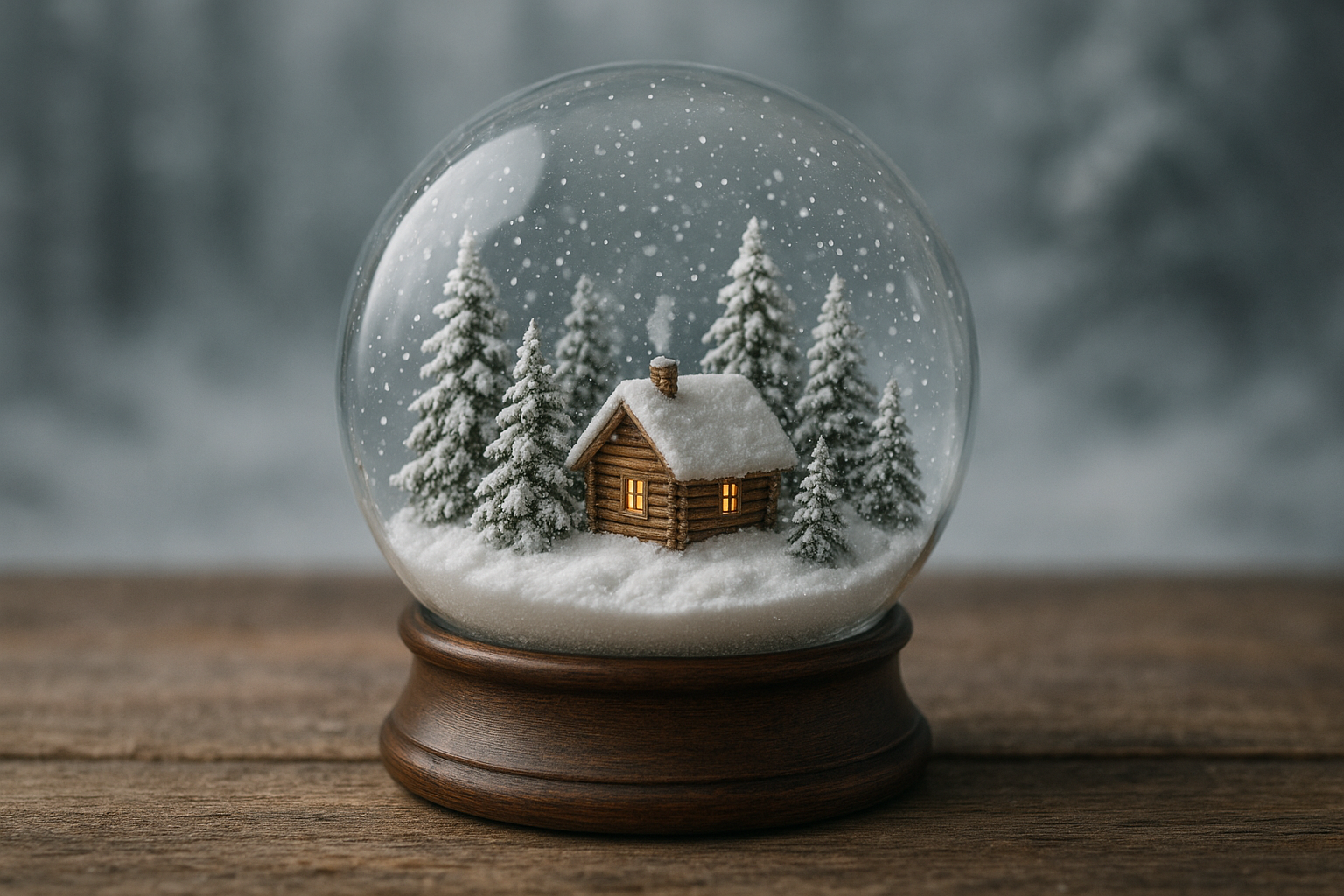
    Winter, a season known for its serene beauty and tranquil landscapes, often brings with it a sense of warmth and closeness, especially when indoors. One of the most enchanting ways to encapsulate this essence of winter is through the creation of a Halo Snowglobe. This guide will explore how you can create your own snow-inspired sanctuary, perfect for adding a touch of magic to any space.

    The Magic of Snowglobes

    Snowglobes have fascinated people for generations, often evoking nostalgic memories of winters past. According to the Wikipedia entry on snowglobes, “a snow globe (also called a water globe, snowstorm, or snow dome) is a transparent sphere, traditionally made of glass, enclosing a miniaturized scene often together with a model of a landscape or figure. The sphere encloses the scene, and the liquid, which is typically water or glycerin, serves as the medium through which the snow falls.”

    The allure of snowglobes lies in their ability to transport us to a calm and picturesque winter wonderland at the shake of a hand. This sense of whimsical allure makes them an excellent inspiration for creating a personal winter sanctuary.

    Creating Your Own Halo Snowglobe

    Designing a Halo Snowglobe sanctuary involves more than just placing a charming globe on a mantle. It’s about crafting an atmosphere that breathes life and warmth into your space. Here’s a step-by-step guide to achieving that:

    1. Choosing the Right Elements

    • Find Your Snowglobe: Start by selecting a snowglobe that speaks to your personal style. Whether you prefer classic motifs or modern designs, the globe should serve as the centerpiece of your space.
    • Incorporate Winter Symbols: Use decor pieces like pine cones, holiday lights, and candles to mirror the essence of the snowglobe. According to designer Emily Henderson, “Incorporating elements that reflect your snowglobe’s theme can create a cohesive look that feels intentional and warm.”

    2. Selecting the Perfect Spot

    • Choose a Display Area: Position your snowglobe and accompanying decor in an area that naturally draws attention, such as a coffee table, a bookshelf, or a windowsill.
    • Consider the Lighting: Lighting plays a crucial role in enhancing the atmosphere. Opt for warm, ambient lighting to create a soft glow reminiscent of winter evenings.

    3. Enhancing the Atmosphere

    • Layer Textures: Introduce cozy blankets, faux fur throws, or knitted cushions to add depth and warmth.
    • Add Aromas: Scented candles or essential oil diffusers with aromas like pine, cinnamon, or cedar create an inviting aura.

    Curating the Sounds of Winter

    Sounds can be a powerful tool in transforming your Halo Snowglobe sanctuary. Consider the following ideas:

    • Curate a Playlist: Music can evoke fond memories and enhance the ambiance. Choose soft, instrumental music or nature sounds like gentle snowfall or crackling fires.
    • Incorporate Natural Sounds: If you have the resources, adding a small water feature or fireplace can introduce natural sounds that are both soothing and thematic.

    The Therapeutic Impact of a Halo Snowglobe

    Creating a Halo Snowglobe space can be more than a design choice; it’s an invitation to engage with your senses and embrace winter’s unique offerings. Therapist Jennifer Adams suggests that “creating a tranquil environment can offer significant mental health benefits, offering a place for reflection and relaxation.”

    Engaging with such a sanctuary can lead to:

    • Stress Reduction: The calming visual and auditory elements can help lower stress levels.
    • Enhanced Focus: A well-curated space can serve as a personal retreat, perfect for reading, meditating, or working from home.
    • Emotional Comfort: The nostalgic essence of winter can evoke positive emotions and past memories, offering comfort during the darker months.

    Conclusion

    In crafting your own Halo Snowglobe sanctuary, it’s essential to focus on what feels genuine and comforting to you. As fashion designer Rachel Zoe aptly states, “Style is a way to say who you are without having to speak.” Your winter sanctuary should reflect your personality and desires, offering a space of peace and tranquility.

    By following this guide, you can create a winter haven that provides an escape from the rigors of everyday life, enveloping you in warmth, nostalgia, and the quiet magic of falling snow.

  • Winter’s Soft Guardians – Angels of the Quiet Hours

    Winter’s Soft Guardians – Angels of the Quiet Hours

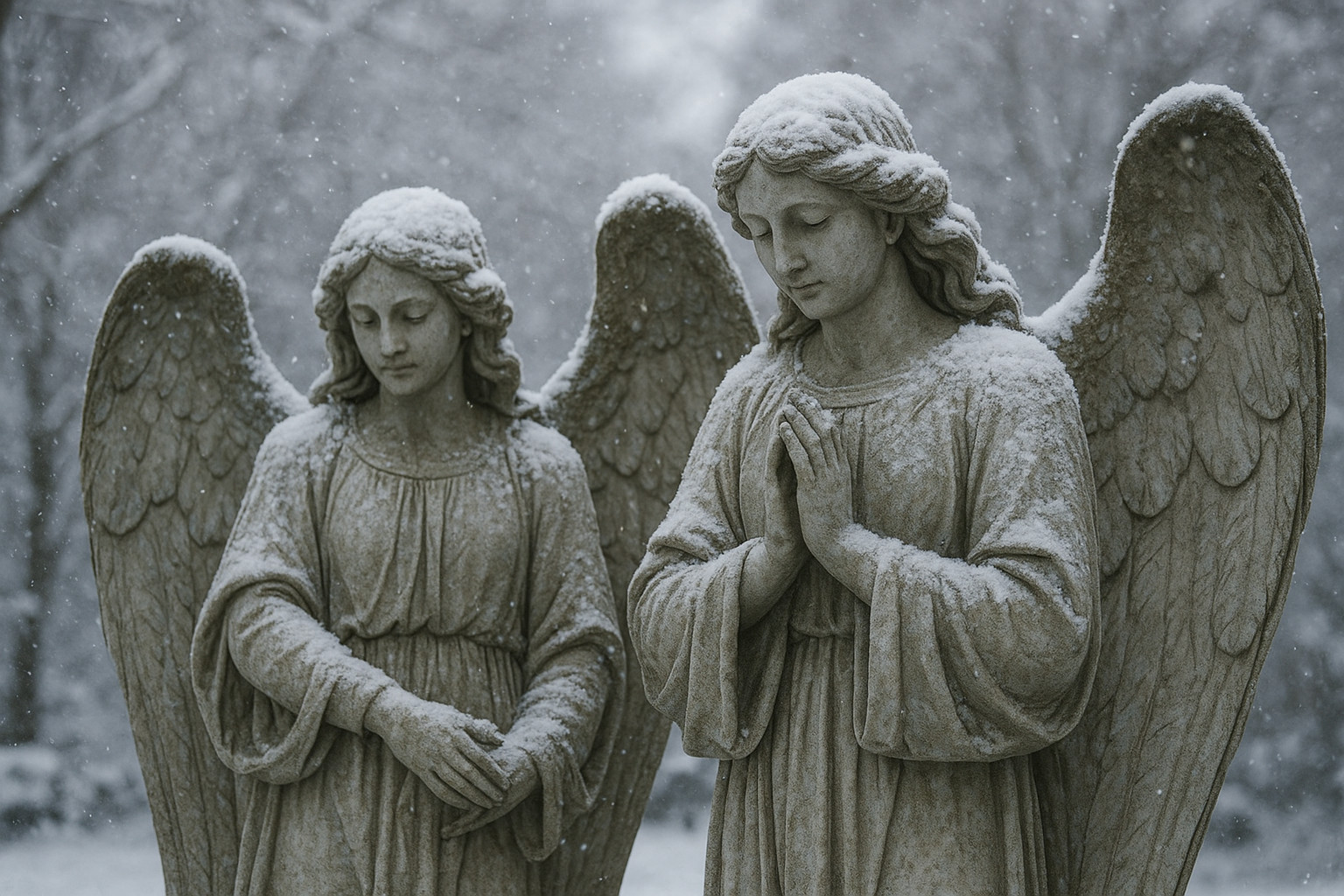
    As winter casts its serene, white spell across the landscape, a mystical transformation occurs. The trees stand naked and humble, their branches lightly adorned with frost. In the stillness that follows the fall of snow, a realm quite different from our everyday existence is revealed. It is a world guarded by invisible sentinels, often referred to as the Angels of the Quiet Hours.

    The Myth and Magic of Winter Angels

    Across various cultures, winter has always been shrouded in lore and legend. The stark silence following a snowfall often evokes a sensation of the ethereal, as if unseen forces are guarding the peace. In folklore, these are the angels of winter—messengers and protectors who bring solace and calm. These beings are depicted not as winged creatures of shimmering light but as silent custodians ensuring the tranquility of the cold months.

    “Winter, a lingering season, is a time to gather golden moments, embark upon a sentimental journey, and enjoy every idle hour.” – John Boswell

    Nature’s Symphony in Silence

    The beauty of winter lies in its quietude, a sharp contrast to the cacophony of other seasons. This stillness is often seen as a canvas that these winter angels adorn with their grace. The phenomena of winter—such as the mesmerizing dance of the snowflakes, the delicate ice patterns on windows, and the muffling effect that snow has on sound—are attributed to their handiwork.

    The psychological effect of this silence is profound. According to a study by the National Institutes of Health, exposure to natural quiet and serene environments like those of winter can significantly reduce stress and improve mental health.

    A Season of Reflection

    In the soft glow of long winter nights, introspection becomes a natural inclination. The season’s austerity encourages reflection and contemplation. The angels of winter are seen as guides for this introspective journey. Their presence is a reminder of the beauty in simplicity, and the need to pause and appreciate the quiet moments.

    • Sheltered Fireside Hours: With shorter days and longer nights, there is more time to spend in the warmth of one’s home, reflecting on life’s journey.
    • Stories of Old: The tradition of storytelling by the fireside is rooted in winter’s invitation to gather close, share memories, and pass down stories.
    • Nature’s Respite: Just as nature takes a rest, we too are encouraged to slow down, find peace in the pause, and ready ourselves for the rejuvenation of spring.

    The Guardians’ Call: Preservation and Protection

    The role of these winter guardians extends beyond the atmospheric and spiritual. In a more literal sense, the wintry conditions help protect the earth, giving ecosystems a vital period of rest. The cold months allow for the conservation of energy in wildlife and the preservation of plant life, ensuring that the vibrancy of spring can occur.

    Recent environmental discussions emphasize the importance of these natural cycles more than ever. The beauty of a snowy landscape is not merely aesthetic; it is essential for maintaining ecological balance. According to research published in Nature, seasonal cycles are crucial for biodiversity and ecological health, highlighting the angels of winter as protectors of this crucial balance.

    An Invitation to Embrace Winter’s Stillness

    As we journey through the months of chill, a unique opportunity presents itself. Winter calls to us to embrace its gifts: the silent mornings, the crisp air, and the gentle touch of snow. These experiences, often orchestrated by the unseen guardians of winter, invite us to find contentment in the quiet hours.

    In conclusion, winter’s soft guardians, the angels of the quiet hours, remind us of the beauty found in silence and stillness. They guide us to a deeper appreciation of the world, revealing truths often obscured by the noise of daily life. Let us embrace their wisdom and the serene charm of this season, finding peace in the pause.

    “In the depths of winter, I finally learned that within me there lay an invincible summer.” – Albert Camus

  • The Solstice Feather – A Story of Light Returning

    The Solstice Feather – A Story of Light Returning

    Across many cultures, the winter solstice marks a pivotal point in the astronomical calendar. It heralds the return of light and warmth, as the days start to grow longer. In one remote village, there is a mystical story that celebrates this celestial event—a tale known as The Solstice Feather.

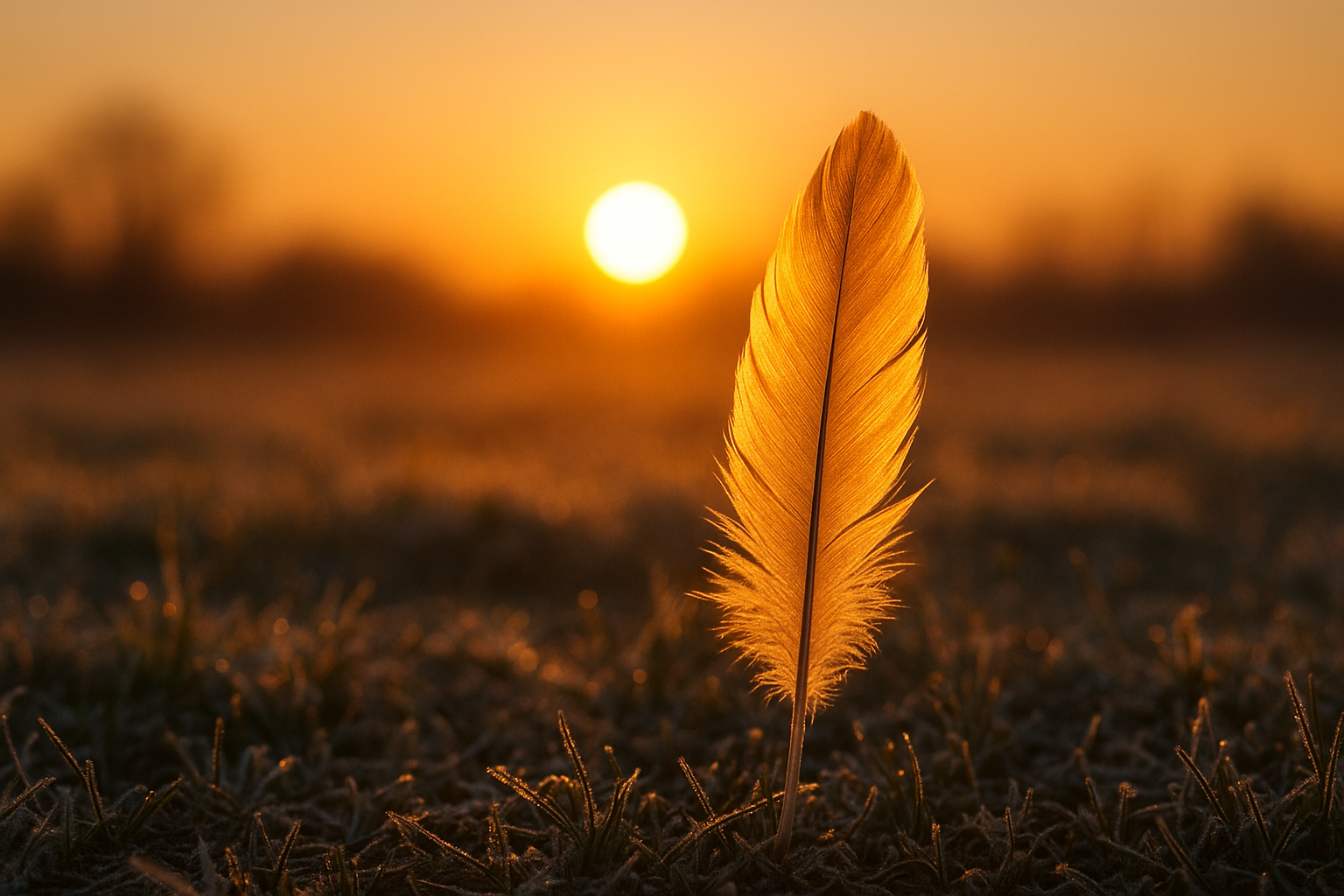
    The story begins in a time when night extended long into the hearts of winter, holding the world in an icy grip. The villagers, huddled under thick quilts, told tales of a magic feather, shimmering gold and full of light. Legend held that this feather belonged to the mighty Phoenix, a bird whose rebirth signified the return of hope and the sun’s power.

    “The Phoenix, with feathers of flame, soars through the skies to ignite the dawn of a new era.” — Ancient Origins

    Each year, as the winter solstice approached, the village elders would guide a sacred ritual. They believed that by honoring the Phoenix, they could help usher in the return of the sun. It was said that if a villager were pure of heart, the Phoenix would gift them a feather—a sign that light would return.

    • The chosen villager was tasked with climbing the highest peak, carrying only a simple lantern.
    • At the summit, the lantern’s flame would be used to light a beacon, calling the Phoenix.
    • If successful, the sky would blaze with dawn’s colors long before the sun officially rose.

    Legend recounts the tale of a young girl named Elara, who, amidst the longest and coldest night, was visited in her dreams by the Phoenix. Guided by an unseen force, she climbed the mountain. As she reached the top, a golden feather drifted from the heavens, resting gently in her palm.

    The villagers watched in awe as dawn broke, painting the world in warm hues. Elara’s feather had ignited a chain reaction of light, sealing the promise of brighter days. Her act of courage became a beacon, teaching future generations that even in the darkest of times, hope and enlightenment emerge.

    The tale of The Solstice Feather continues to inspire today, illustrating the human spirit’s resilience in facing the unknown. Every solstice, people gather in their own way, to celebrate life and welcome the returning light.

    “In the depth of winter, I finally learned that there was an invincible summer in me.” — Albert Camus

    The story of The Solstice Feather is not just about the triumph of day over night; it is a profound reminder of renewal, rebirth, and the cyclical nature of existence. As we turn our eyes to the sky each solstice, we can almost feel the warmth of Elara’s feather guiding us back to the light.

  • Crystal Wings at Dawn – Why Winter Mornings Feel Sacred

    Crystal Wings at Dawn – Why Winter Mornings Feel Sacred

    Crystal Wings at Dawn: Why Winter Mornings Feel Sacred

    Winter mornings have an ethereal quality that stirs something deep within us. The crisp air, the silence broken only by the whisper of the wind, and the gentle glow of the first light all combine to create moments that feel almost otherworldly. These mornings hold a sacredness for many, transcending the ordinary into the extraordinary.

    The Silent Symphony of Dawn

    As dawn breaks on a winter morning, the world pauses. This serene pause can be attributed to the elemental chill in the air that sweeps away the clutter of noise from bustling daily life. Author Lauren DeStefano beautifully captures this when she writes, “The night is always darkest before the dawn. But when a new dawn brings the possibility of new beginnings, there is hope in that darkness.” This quote encapsulates the quiet optimism found in these moments as the day slowly awakens.

    The absence of city sounds, often dampened by snow, allows the senses to expand, filling one’s consciousness with the sights and gentle sounds of a world waking to ice-kissed leaves and frost-gathering branches. This silence can sometimes feel like a symphony—each sound, like the distant cawing of a crow or the gentle swish of a breeze, lending its note to the cold morning air.

    Light and Shadow: Nature’s Dance

    Winter light holds a particular magic, especially at dawn. The low angle of the sun during these months provides a soft, diffused light that casts long, graceful shadows across the landscape. This dance of light and shadow creates a tranquil tableau—one that invites contemplation and reflection.

    “In the depth of winter, I finally learned that there was in me an invincible summer.” – Albert Camus

    Camus speaks to the resilience found within oneself, mirrored in the stillness and the grace of a winter morning’s first light. The interplay of light and shadow reminds us that even in the heart of winter, there is beauty and life—a silent promise of the invincible summer within.

    Natures’ Canvas: The Artistry of Frost

    Frost’s delicate artistry transforms mundane scenes into visual poetry. Patterns emerge on windows like intricate choreography, reflecting the crystalline structures of nature itself. Renowned for its beauty, each frost pattern is unique, rendering the otherwise invisible visible. A closer inspection of frost-covered surfaces reveals the meticulous details of nature’s artwork—an offering made only to those who embrace the early hours.

    Poet Robert Frost, whose very name evokes the season, often encapsulated the spirit of frost and its transcendence in his work. His poetry serves as a bridge between the natural world and human experience—signifying how these frozen mornings can leave a permanent mark on our consciousness.

    The Ritual of Cold Air

    Ancient cultures revered the dawn, seeing it as a time of spiritual and physical renewal. The cold air of a winter morning suffuses an invigorating energy that invites deep lungfuls of revitalizing breath—an act that borders on ritual. This act of breathing deeply, something so fundamental, becomes imbued with heightened awareness. It awakens the senses, bringing clarity as the cold kisses the skin, prompts a blush in the cheeks, and quickens the pulse of the day.

    The Norse mythology speaks of Nótt, the personification of night, who rides her horse through the heavens, leaving behind dew on the grass, heralding the arrival of Dagr, the day. This mythology reinforces the notion of the night not as an end but a necessary precursor to the dawn, a time of rejuvenation and rebirth.

    Gatherings of Warmth and Reflection

    As the sun rises higher and dispels the morning chill, returning indoors brings a new appreciation for warmth. With a hearth aglow or a hot cup cradled in hands, the sanctity of the winter morning lingers, encouraging reflection and gratitude. These moments of warmth serve as a contrast to the cold, promoting a sense of comfort and introspection.

    This return to warmth is akin to Teilhard de Chardin’s sentiment expressed in The Phenomenon of Man:

    “We are not human beings having a spiritual experience; we are spiritual beings having a human experience.”

    Such mornings remind us of our spiritual nature, our connection to the earth, and the warmth that lies not just in our homes but within our hearts.

    Conclusion: Finding the Sacred in the Mundane

    Winter mornings, with their crystal wings unfurled at dawn, indeed feel sacred. They strip back the layers of worldly distractions, offering a momentary glimpse into the divine through nature’s raw beauty and stillness. These mornings remind us of the continuing cycles of life and the quiet strength that lies within.

    Whether experiencing these sacred mornings through a frosted window, amidst a snowy forest, or on a city rooftop, the sense of awe they evoke is universal. This ritual dance of light, shadow, cold, and warmth is a timeless reminder of life’s fragile beauty and profound depth.

    As we continue to navigate the balance between our daily routines and these precious moments, let us carry the sacredness of winter mornings with us—forever touched by the grace of dawn’s crystal wings.

  • The Feather Compass – Letting Angelic Signs Guide Winter Journeys

    The Feather Compass – Letting Angelic Signs Guide Winter Journeys

    The Feather Compass: Letting Angelic Signs Guide Winter Journeys

    Winter, with its serene blanket of snow and hushed landscapes, offers a unique opportunity to tune into the subtle whispers of the universe. Among the signs that often go unnoticed is the appearance of a feather—a simple yet profound gift from the angels. These celestial symbols serve as a compass, guiding us through both the literal and metaphorical journeys that winter brings.

    The Significance of Feathers

    Feathers have long been seen as messages from the spiritual realm. They are believed to signify angelic presence and guidance. According to Amy Leigh Mercree, author and spiritual guide, “Feathers appear in our path, symbols of the healing power of beauty and a reminder to slow down and pay attention to what they whisper.” Their lightness and ability to drift with the wind remind us of life’s delicacy and the importance of trust in our own unseen paths.

    Interpreting Feather Signs

    When you find a feather on a winter walk, it’s not just a coincidence. It is an invitation to pause, reflect, and listen. Below are a few considerations to keep in mind:

    • Color Matters: Each feather color can have a different meaning. White feathers are often associated with peace and protection, while a gray feather might suggest finding balance during confusing times.
    • Pay Attention to Timing: The moment you find a feather can be significant. Consider what you were thinking or praying about at the time—this could be your angels’ way of providing reassurance.
    • Location and Environment: The place where the feather is discovered can add another layer of meaning. A feather appearing at your doorstep may symbolize incoming news or guests, while one found on a forest path might encourage introspection and solitude.

    Embracing Angelic Guidance

    To harness the guidance of these angelic signs, incorporate moments of meditation in nature. Set intentions before starting your walk, remaining open to messages that may appear in the form of feathers or other signs.

    “Snowflakes swirl and dance, a gentle winter ballet, as if the angels themselves have decided to inhabit the sky.” – John Geddes

    As the temperatures drop and the year draws to a close, embracing the feather compass can transform ordinary walks into sacred pilgrimages. Allow these winter journeys to renew your spirit and direct your steps in the right direction, knowing that you are lovingly guided by unseen hands.

    Incorporate the wisdom and warmth of angelic signs into your winter rituals, and you may find that each feathered messenger leads you closer to peace and enlightenment.

  • The Winter Halo Trick – A Lighthearted Guide to Spotting Angel Pranks

    The Winter Halo Trick – A Lighthearted Guide to Spotting Angel Pranks

    Winter is a magical time of year, blanketing the world in a white frost that sparkles like the heavens themselves. But among the swirling snowflakes and icy gusts, some say that mystical beings are at work, playing light-hearted tricks on unsuspecting humans. Below, we’ll explore the whimsical phenomenon known as the “Winter Halo Trick” and how you can become a savvy spotter of what some purport to be angelic pranks.

    What is a Winter Halo?

    While folklore often attributes halos to the playful activities of angels, scientifically, a winter halo is an atmospheric optical phenomenon formed by ice crystals in the upper atmosphere. According to the Atmospheric Optics website, these halos take on the shape of rings around the sun or moon, appearing when light interacts with these ice crystals. Common types include the 22-degree halo and the sundogs, which are bright spots flanking the sun.

    Angel Pranks or Optical Illusions?

    • The 22-degree Halo: This circle of light, 22 degrees away from the sun or moon, is often the most well-known halo.
    • Sundogs: These colorful spots appear to either side of the sun and are often thought to be mischievous glimmers in the eyes of winter spirits.
    • Pillars of Light: At sunrise or sunset, these vertical shafts appear, attributed to cones of light cast by heavenly guardians.

    It’s easy to see why these breathtaking displays have inspired supernatural theories. After all, what better way for angels to communicate their presence than through breathtaking light patterns?

    “Winter halos… are the products of ice crystals and the whims of angels, sweeping their halos across the sky to remind us of the harmony between nature and the divine.” – An anonymous proverb

    Spotting Angel Pranks

    With just a bit of imagination, even skeptics might enjoy the notion of spotting angelic pranks during winter halo phenomena. Here’s how to best marvel at these playful tricks unleashed by our spectral companions:

    • Timing and Weather: Keep an eye on the weather forecast for cold, clear days with a sun or moon presence and high cirrus clouds.
    • Location: Choose a spot away from light pollution for the best view of these natural wonders—open plains or hilltops work well.
    • Equipment: No special tools are needed, though a pair of sunglasses will help gaze toward the sun safely when halos appear during daylight.
    • Company: Share the experience with others who can spot different forms and make the sighting more animated.

    The Science of Playfulness

    Back in the realm of scientific speculation, these halos aren’t merely aesthetic quirks. They remind us of the beautifully dynamic environment above us, one where even the smallest moisture particles play a role in an ephemeral ballet. According to EarthSky, these optical phenomena serve as a reminder of nature’s interconnectedness, its capacity to surprise and delight humans across generations.

    A Winter’s Tale of Heaven’s Humor

    For some, belief in angels adds a mystical layer to winter halos, transforming a natural occurrence into a seasonal picnic of celestial joy. Whether or not you subscribe to this supernatural perspective, you might find comfort in knowing that even within the normally severe visage of winter, there lies the potential for whimsy and wonder—a collaboration between nature’s grit and grace.

    So the next time you’re chilled by frosty breath and frozen fingertips, look up—perhaps it’s more than just ice and atmosphere. Perhaps, just perhaps, it’s a quiet trick, a gentle nudge from the universe reminding us all that magic and mystery are mere glances away, waiting in winter’s embrace.