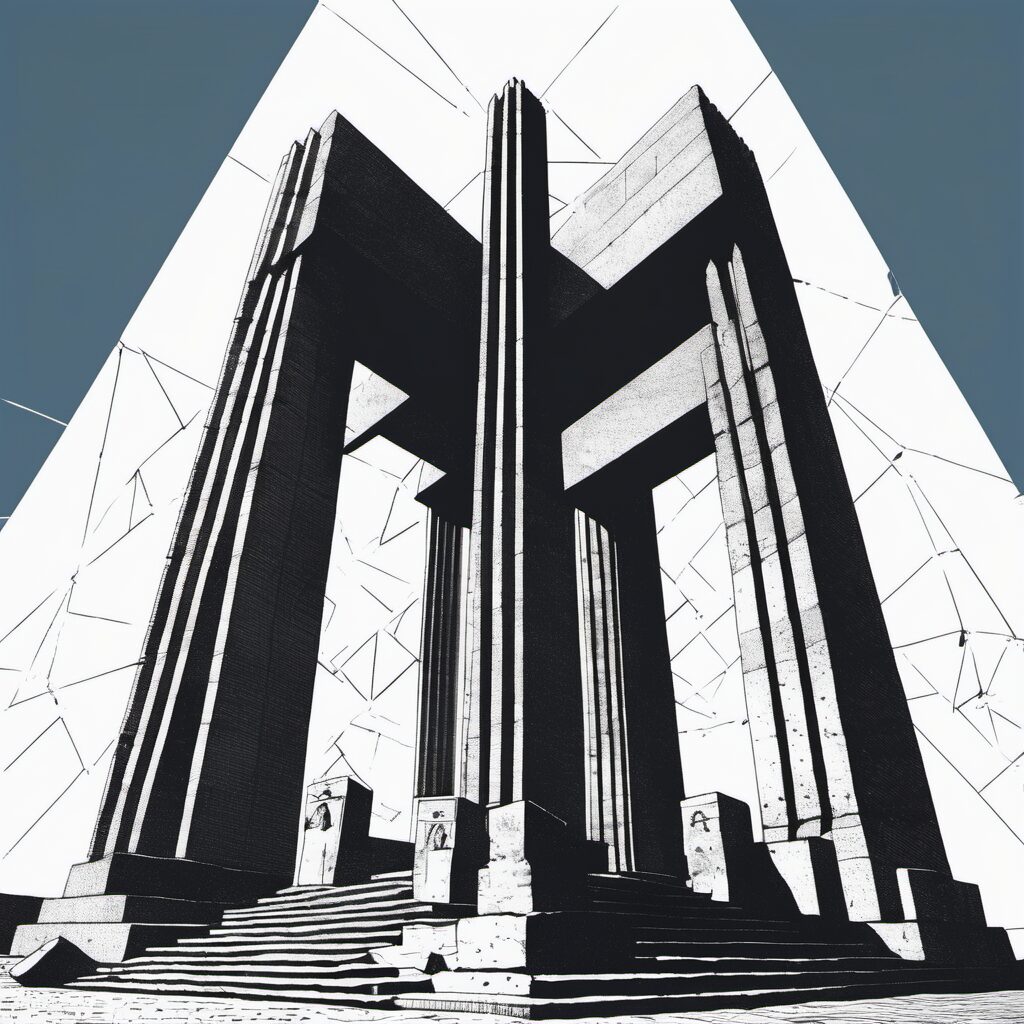
Occult Iconography in Medieval Churches
For centuries, churches have been a prominent feature of human life. They are a place of worship, a place to seek spiritual help, and a source of cultural understanding. Many churches also possess powerful symbolic power due to their use of religious icons. These icons are created to help people understand and engage with their faith. In medieval times, these icons were created with great care and attention, often containing intricate details and intricate patterns.
The use of icons in medieval churches was not simply limited to religious iconography. They were also used as a tool to create an identity for the church. The images and symbols used in the church often reflected the religious, political, and cultural beliefs of the era. These icons often represented key figures, saints, and symbols that had been used in the Church to create a sacred atmosphere.
One of the most iconic of these symbols is the stained glass window. These windows were created to represent stories from the Bible and to provide a source of illumination. The use of bright colors and intricate patterns in these windows reflect the importance of the Church in medieval life. It was also used to represent important religious figures and events, including the Last Supper and the Nativity.
These icons were not only used for religious purposes. They were also used in political settings. Kings and other powerful figures would often have their own private chapels decorated with these symbols to reflect their power. They were also used in secular settings as a means of communication. They would be used to represent the importance of the Church in the lives of everyday people.
What were some of the key differences in iconography used in medieval churches compared to that of contemporary churches?
In medieval churches, the use of stained glass windows was a prominent feature and was often used to represent key figures and stories from the Bible. Additionally, icons were used to reflect the importance of the Church in everyday life and were often used in political settings and as a source of communication. In contemporary churches, the use of electronic screens and audio-visual components is commonplace, and the use of iconography is often used to reflect a more contemporary and secular approach to religion.
Comments