Author: editor

  • The Black Knight Satellite – Phantom Watcher in Orbit

    The Black Knight Satellite – Phantom Watcher in Orbit

    The Black Knight Satellite – Phantom Watcher in Orbit

    The Black Knight Satellite – Phantom Watcher in Orbit

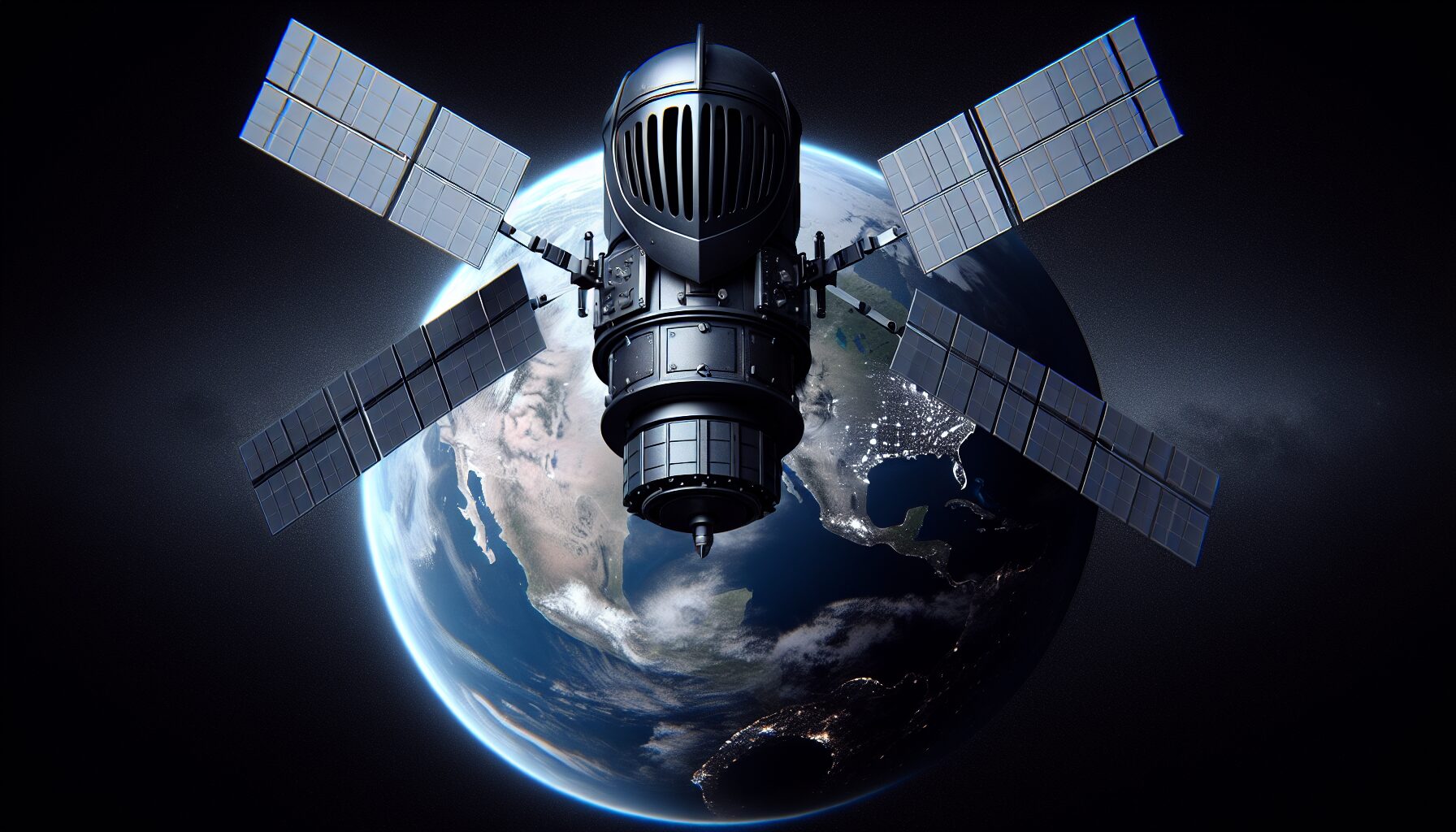
    An enigmatic presence has lingered in Earth’s orbit, captivating the imagination of both the scientific community and conspiracy theorists alike. Dubbed the “Black Knight Satellite,” this mysterious object is rumored to have been orbiting Earth for thousands of years, acting as a celestial guardian or perhaps a silent spy. This article delves into the origins, theories, and ongoing fascination surrounding the Black Knight Satellite.

    Historical Origins of the Black Knight

    The origins of the Black Knight Satellite legend can be traced back to the mid-20th century. In the early days of radio experimentation, signals were received that some claimed were not of terrestrial origin. In 1899, famed inventor Nikola Tesla reported receiving unusual signals during his experiments with wireless transmission in Colorado Springs. He interpreted these signals as potentially of extraterrestrial origin. Tesla once remarked:

    “The feeling is constantly growing on me that I had been the first to hear the greeting of one planet to another.”

    — Nikola Tesla

    This claim laid an early foundation for later interpretations that suggest the Black Knight Satellite may have been the source of these signals.

    Development of the Legend

    The legend gained momentum in the 1950s and 60s. In 1954, UFO researcher Donald Keyhoe sparked public interest by suggesting the presence of two satellites orbiting Earth at a time when no nation had developed the capability to launch satellites. It was further fueled in 1960 when TIME Magazine reported the detection of an unidentified object shadowing the Sputnik 1 satellite:

    “The Pentagon gave its blessing to the stories only because they are good publicity.”

    — TIME Magazine, 1960

    This object, which was never officially explained, was linked to the growing myth of the Black Knight Satellite.

    The Culmination of Myths and Modern Sightings

    Interest in the Black Knight Satellite surged with the advent of photographic evidence. In 1998, during the STS-88 mission—the first Space Shuttle mission to the International Space Station—astronauts captured images of a mysterious black object that some believe could be the legendary satellite. NASA explained the object as thermal blanket debris from the mission, but believers of the Black Knight myth view this explanation with skepticism.

    Theories Fueling the Mystery

    • Extraterrestrial Probe: Some theorists propose that the Black Knight Satellite is a long-lost probe from an alien civilization, sent to observe humanity over millennia. This notion is supported by its supposed age and unexplained origin.
    • Time Capsule: Another theory suggests it is a form of a time capsule or message left by ancient civilizations. Proponents believe it could contain historical or predictive information about Earth’s inhabitants.
    • Cloaked Observational Device: Conceived as a sentry by an unknown entity, it monitors human activity as part of a larger network of observation equipment scattered across the cosmos.

    Skeptical Perspectives

    While the theories are compelling, skeptics offer grounded explanations for the Black Knight legend.

    • Space Debris: Critics argue that the object is merely a piece of space debris or a defunct satellite. The chaotic and changing nature of Earth’s orbit makes it possible for various man-made objects to create strange and unaccounted-for sightings.
    • Cognitive Bias: Some explanations draw attention to pareidolia—the tendency to perceive familiar patterns where none exist—as a factor in the Black Knight perceptions. Humans often interpret ambiguous images or signals as meaningful.
    • Misinterpretation of Data: Many instances linked to the Black Knight, such as the reported overheard signals, might result from misunderstood radio data, cosmic noise, or even terrestrial phenomena.

    The Influence of the Internet and Pop Culture

    The digital age has seen the Black Knight Satellite evolve from a niche myth into a widespread cultural phenomenon, thanks in part to its frequent discussion across online forums, conspiracy platforms, and social media. This digital attention sparks curiosity and presents alternative interpretations—as illustrated in documentaries and fictional adaptations.

    The symbolic power of the Black Knight extends into literature, films, and art. It encapsulates humanity’s enduring fascination with the potential of alien life and the unexplained mysteries of our universe.

    Conclusion

    Whether real, imagined, or simply a product of our time, the Black Knight Satellite will likely continue to intrigue and inspire people worldwide. While definitive proof of its existence remains elusive, its story has deeply entrenched itself in the field of ufology and beyond.

    Is the Black Knight an alien entity silently watchful from the void, or merely a reflection of humankind’s thirst for the unknown? As our scientific endeavors advance, perhaps one day we will uncover the truth behind the enigmatic watcher in orbit.

    For more information, see Wikipedia’s article on the Black Knight Satellite.
  • Contact and Death – Why First Encounters Could Be Fatal

    Contact and Death – Why First Encounters Could Be Fatal

    Contact and Death: Why First Encounters Could Be Fatal

    The idea of making first contact with extraterrestrial life has long been a subject of fascination and speculation within the realms of science fiction and scientific inquiry. Yet, as we edge closer to potentially discovering or being discovered by intelligent life forms beyond Earth, scientists and ethicists are raising concerns about the potential dangers involved. These risks are not just about communication barriers or diplomatic challenges but could be as grave as involuntary annihilation. This article explores why first encounters with alien civilizations could indeed be fatal.

    The Biological Menace

    One of the most concerning aspects of first contact lies in the field of microbiology. The simplest life forms on Earth have proven over millennia to be remarkably adaptable and often deadly. Humans have faced catastrophic consequences simply by traveling across different continents, let alone planets.

    “The history of exploration is replete with examples of populations being decimated by novel pathogens, from smallpox in the Americas to the bubonic plague in Europe,” notes The Journal of Infectious Diseases. The introduction of an entirely new set of microorganisms from a distant world—or vice versa—could lead to pandemics exponentially more catastrophic than anything Earth has ever witnessed.

    The prospect of alien viruses or bacteria to which humans have no immunity could lead to rapid and uncontrollable outbreaks. Conversely, Earth-born pathogens could prove equally lethal to alien life forms with no defenses against them.

    Technological Disparity and Misunderstanding

    The technological gap between humanity and a potential extraterrestrial civilization could spell disaster. If we assume that these beings have the capability to travel across galaxies, they may possess technology far beyond our comprehension and defense capabilities. Historian David Christian, in his TED Talk “The history of our world in 18 minutes,” suggests, “In history, encounters between cultures at different levels of technology have often resulted in exploitation and domination.”

    Consider the example of European colonizers and indigenous populations. Technological advantages, along with misunderstandings and cultural insensitivity, led to the subjugation and often destruction of entire civilizations. The same principles could apply on an interstellar scale, where humanity could inadvertently provoke hostility from a technologically advanced species.

    The Kardashev Scale and Unknown Motives

    The Kardashev Scale, developed by Russian astrophysicist Nikolai Kardashev, categorizes civilizations based on their energy use and technological advancement. A Type I civilization uses energy on a planetary scale, a Type II harnesses stellar power, and a Type III civilization utilizes energy on the scale of its entire galaxy.

    Humanity has not yet achieved full Type I status, so the appearance of a Type II or III civilization could render us insignificant or obsolete from their perspective. Moreover, understanding the motives of such beings could be beyond our current cognitive and philosophical frameworks. Are they curious? Resource-hungry? Surveillance-minded? These unknowns pose significant existential risks.

    Lessons from Fiction and Science

    Fictional depictions often provide cautionary tales about first contact. Works like The War of the Worlds by H.G. Wells and movies such as Arrival explore themes of invasion, miscommunication, and the potentially destructive nature of such encounters.

    In The War of the Worlds, humans’ initial awe and curiosity quickly turn to terror as alien technology wreaks havoc across the Earth. Similarly, Arrival focuses on the complexities and potential pitfalls in communication with extraterrestrial beings. These narratives underscore the notion that scenarios involving first contact are fraught with peril.

    The Necessity of Preparedness

    Given the myriad risks associated with first contact, it is crucial for our species to prepare adequately. Organizations like SETI Institute focus not only on the search for extraterrestrial intelligence but also on preparing for possible contact scenarios. Dr. Jill Tarter of the SETI Institute emphasizes the need for international protocols: “We need a coordinated response strategy, akin to the protocols established for pandemic outbreaks or natural disasters, ensuring that any first contact event does not lead to chaos or unintended harm.”

    In Conclusion

    While the prospect of first contact with extraterrestrial life is exhilarating, it is laden with formidable risks. The dual threats of biological contamination and technological exploitation could potentially lead to existential threats. As humanity continues to progress technologically, reaching further into the cosmos, we must tread cautiously. Preparing for a multitude of scenarios and acknowledging the potential for disaster will be vital steps in ensuring that our first encounter with alien life does not also become our last.

    Building understanding, crafting robust response strategies, and fostering international cooperation may ultimately determine the differences between a mutually beneficial exchange or a tragic footnote in the saga of human exploration.

  • Alien Rituals – How Other Beings Might Face Mortality

    Alien Rituals – How Other Beings Might Face Mortality

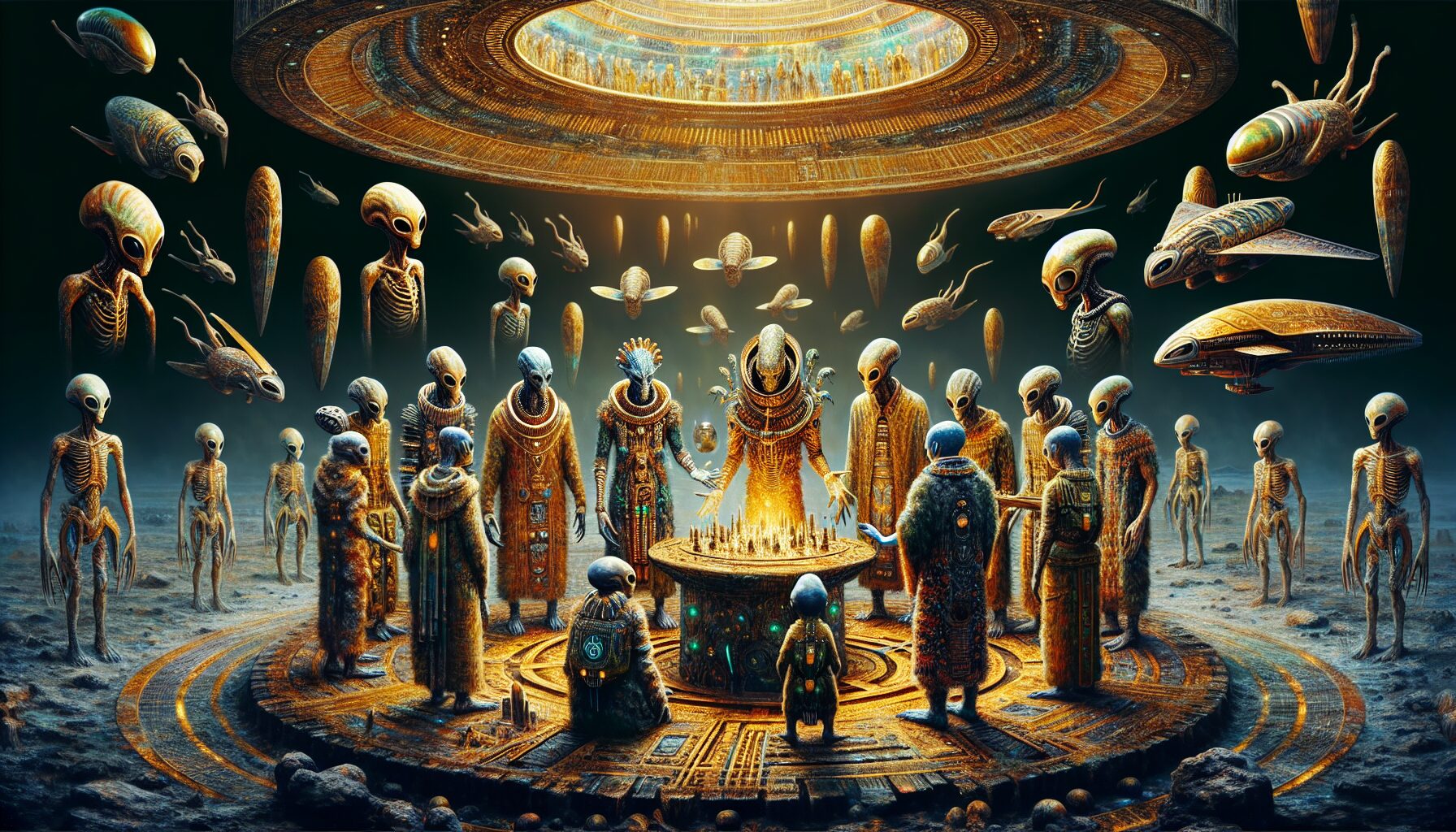
    As humans contemplate existence beyond Earth, one intriguing question surfaces: How might alien civilizations confront the concept of death? The idea that extraterrestrial beings could have their own unique death rituals offers a fascinating lens into the diversity of life forms across the cosmos.

    On Earth, rituals surrounding death vary widely, from the ancient Egyptian embalming processes to modern-day cremations and celebrations of life ceremonies. What then, might alien cultures practice when facing mortality?

    Potential Alien Rituals

    • Energy Reconversion: Advanced civilizations might harness scientific understanding that allows them to convert the life force of the deceased back into usable energy. In this view, death becomes a practical process rather than a sorrowful departure.
    • Memory Preservation: Aliens with a networked consciousness could upload memories of the deceased into communal consciousness systems, allowing individuals to live on in collective memory. This could echo the idea of a digital afterlife that humans speculate about today.
    • Elemental Return: According to some theories, aliens may practice a ritual akin to sky burial, where the bodies are returned to nature’s elements, feeding their planet’s ecosystem in a circular life process.
    • Ritualistic Storytelling: Cultures focused on oral traditions may engage in ritualistic storytelling, retelling the lives and achievements of the deceased as an act of remembrance, potentially accompanied by communal contact with spiritual planes.

    Cultural Insights from Earth

    To imagine these alien rituals, we can draw parallels from Earth’s own traditions. The philosopher Alan Watts once said,

    “We need a mythology that will help us identify not with the individual but with the universe and with the age.”

    His words underline how cultural expression surrounding death often seeks to transcend the individual.

    In a cosmos potentially teeming with life, understanding alien approaches to death could enrich our perspective on mortality, life, and existence. As Arthur C. Clarke suggested,

    “Two possibilities exist: either we are alone in the Universe or we are not. Both are equally terrifying.”

    As we ponder this dichotomy, imagining how other beings might cope with death broadens our understanding of the possible avenues through which life itself is understood in the vast universe.

    While the idea of alien life remains speculative, thinking about how extraterrestrial life forms contemplate their mortality helps humans reflect on their own rituals and the universal quest for meaning in the face of the inevitable.

  • The Death of Worlds – Planets Destroyed by Their Suns

    The Death of Worlds – Planets Destroyed by Their Suns

    The Death of Worlds: Planets Destroyed by Their Suns

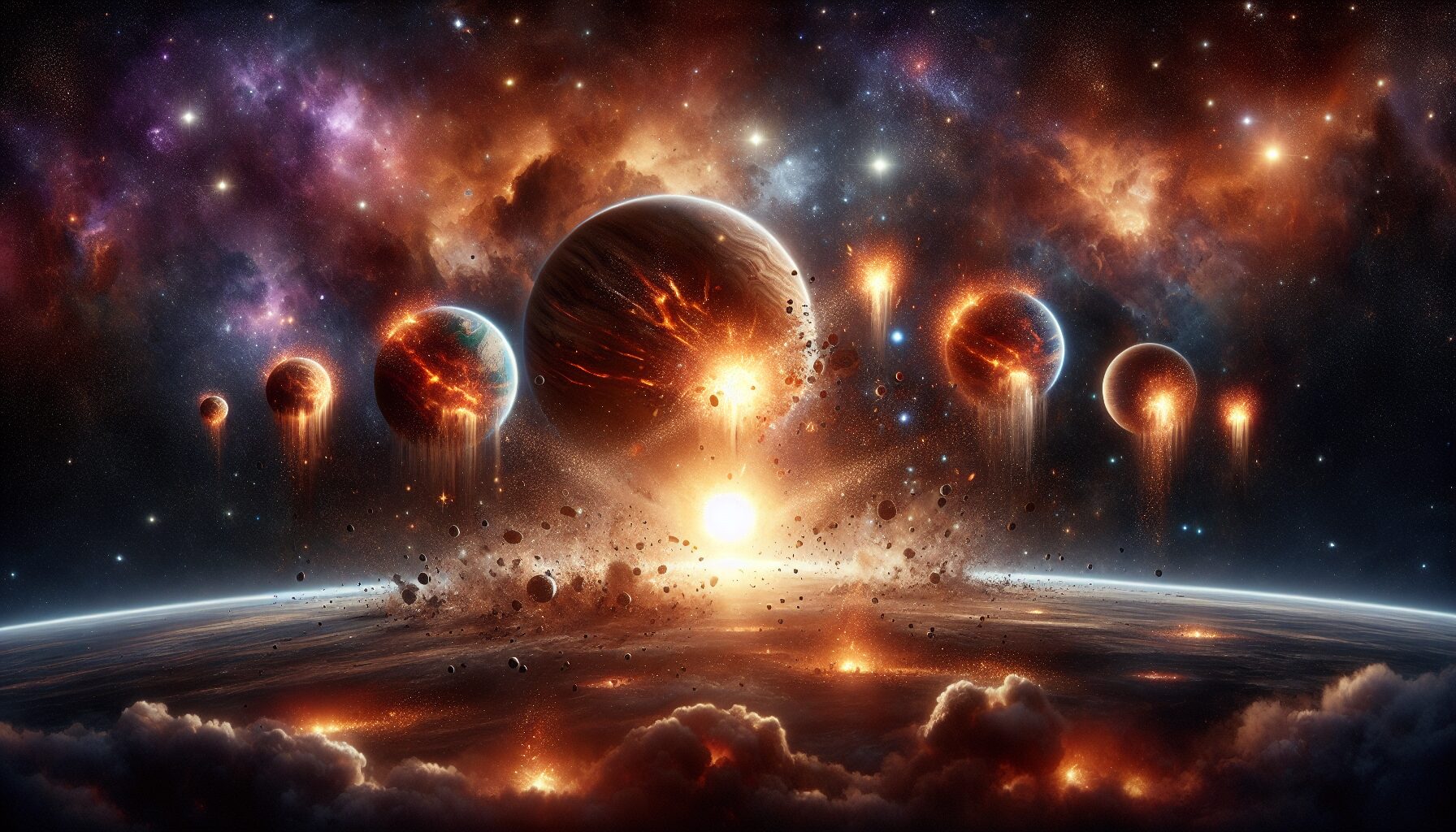
    In the vast and mysterious universe, the inevitable life cycle of stars can lead to catastrophic consequences for their orbiting planets. As stars age, they undergo transformative stages that can result in the destruction of nearby celestial bodies. This stellar evolution paints a dramatic picture of cosmic death, where planets meet their fiery end at the hands of their own suns.

    The Life and Death of Stars

    Stars like our Sun have a finite lifespan, measured in billions of years. Throughout their lives, stars burn hydrogen in a process known as nuclear fusion, which provides the light and heat essential for life on planets such as Earth. However, this process cannot last forever.

    As stars exhaust their hydrogen fuel, they undergo a series of transformations. For instance, stars similar to the Sun become red giants. As they expand, their outer layers move closer to orbiting planets, sometimes engulfing them. Astrophysicist Dr. Alex Filippenko from the University of California notes, “When the Sun becomes a red giant, it will likely expand beyond Earth’s orbit, ending all life on our planet.”[1]

    Case Study: Kepler-56

    A striking real-world example is the star Kepler-56 and its planetary system. Kepler-56 is a red giant with two of its planets, Kepler-56b and Kepler-56c, predicted to be consumed by the star in a few million years. The expulsion of energy from the giant star’s core pushes it outward, leading to the gradual engulfment of these planets.[2]

    The Cosmic Dance of Destruction

    The destruction of planets is not limited to stars like our Sun. Some massive stars end their life cycles as supernovae, cataclysmic explosions that obliterate everything in close proximity. These supernovae release incredible amounts of energy, outshining entire galaxies and often leaving only a neutron star or black hole in their wake.

    “The death of one star is the catastrophe of the worlds that lie within its grasp.”

    Conclusion

    The universe is a constantly changing stage where celestial bodies are both born and obliterated in cosmic cycles. The death of worlds, specifically planets destroyed by their suns, serves as a humbling reminder of our own planet’s eventual fate. While our Sun is not expected to reach red giant status for billions of years, observing these phenomena enriches our understanding of the universe’s dynamic nature—echoing the adage that change is the only constant.


    For more information, check out the full articles on Universe Today and Space.com.

  • Extraterrestrial Ruins – Cosmic Archaeology of Lost Civilizations

    Extraterrestrial Ruins – Cosmic Archaeology of Lost Civilizations

    Extraterrestrial Ruins – Cosmic Archaeology of Lost Civilizations

    Extraterrestrial Ruins: Cosmic Archaeology of Lost Civilizations

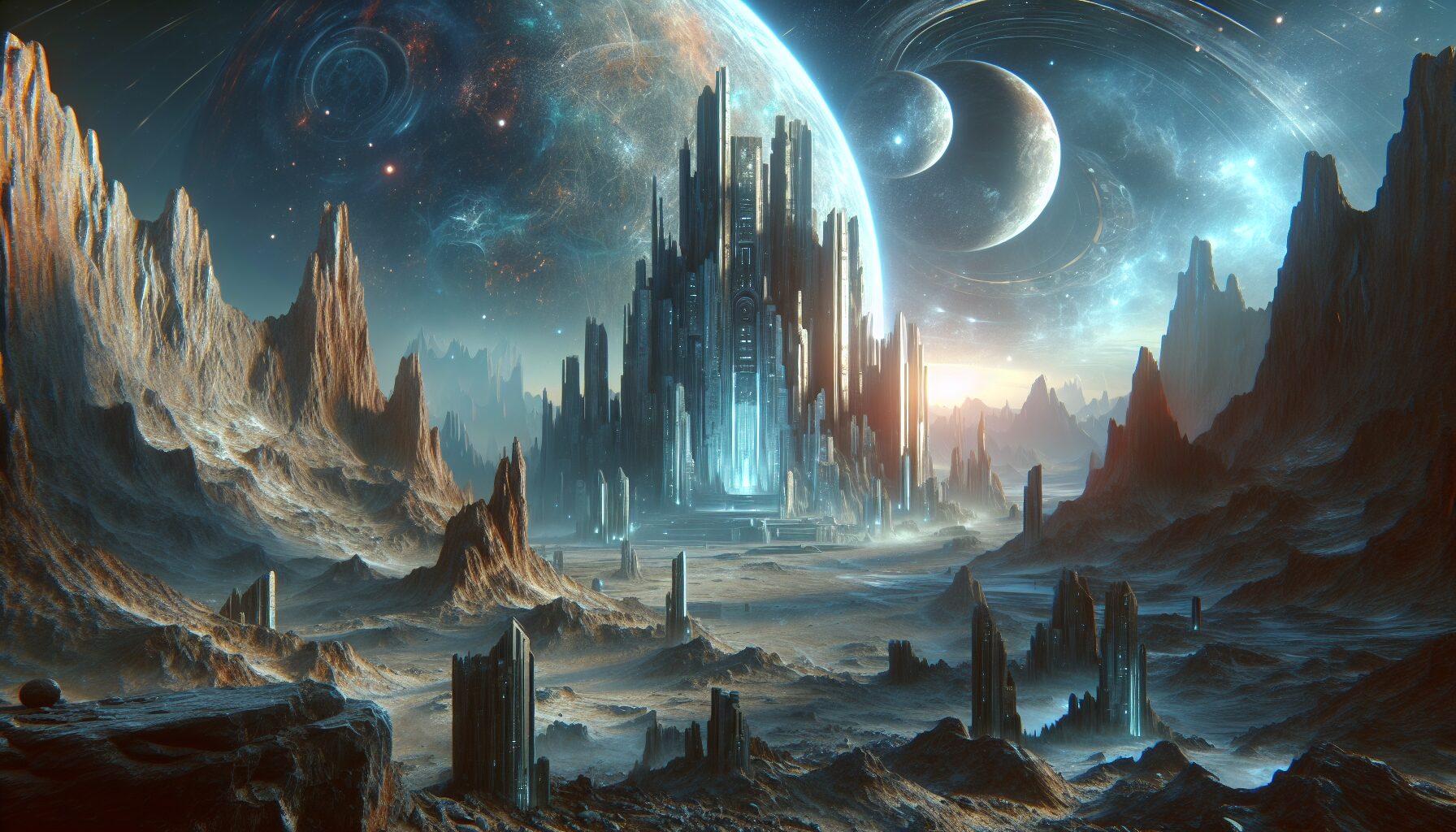
    The universe is a vast and mysterious expanse, dotted with celestial bodies that have intrigued scientists and enthusiasts alike for centuries. Among the most captivating possibilities that the cosmos holds is the existence of extraterrestrial civilizations. As we gather more information about the universe, a burgeoning area of study emerges: cosmic archaeology.

    Understanding Cosmic Archaeology

    Cosmic archaeology is a term coined to describe the study of potential ruins or artifacts left behind by advanced civilizations beyond Earth. While traditional archaeology seeks to understand past human societies through their physical remains, cosmic archaeology looks to the stars for similar clues.

    “The discovery of extraterrestrial artifacts would be one of the most profound moments in humanity’s history, reshaping our understanding of life, intelligence, and our place in the cosmos.” – Space.com

    The Search for Alien Ruins

    The search for alien ruins encompasses several methodologies. While direct physical exploration remains achievable only within our solar system, astronomers employ an array of tools to search in distant settings:

    • Space Telescopes: Instruments like the Hubble Space Telescope and the upcoming James Webb Space Telescope allow us to observe distant planets and moons, searching for unusual formations that could indicate past civilizations.
    • Radio Telescopes: By detecting signals from deep space, scientists attempt to find patterns or recurring emissions that suggest technological activity.
    • Planetary Exploration: Missions to bodies like Mars and the moons of Jupiter and Saturn look for signs of past habitability or unexplained structures.

    Intriguing Discoveries

    While no definitive evidence of extraterrestrial ruins has been found, there have been intriguing discoveries that fuel speculation and excitement:

    • The Face on Mars: First photographed by the Viking 1 Orbiter in 1976, the formation called the “Face on Mars” garnered attention for its striking resemblance to a humanoid face. Subsequent higher-resolution images, however, reveal it to be a natural landform.
    • Tabby’s Star: Known for its unusual light-dimming patterns, scientists speculated about the possibility of alien megastructures, although natural explanations like dust clouds have also been proposed.

    “These oddities may seem trivial or easily dismissed at first, but they are the breadcrumbs that could one day lead to profound discoveries.” – National Geographic

    Theoretical Frameworks

    The search for cosmic ruins is guided by several theoretical frameworks:

    • Kardashev Scale: Developed by astrophysicist Nikolai Kardashev in 1964, this scale categorizes civilizations based on energy consumption levels, helping scientists assess where we might find advanced societies in the universe.
    • Fermi Paradox: This paradox questions why, with the high probability of extraterrestrial civilizations, there is no clear evidence or contact, prompting various hypotheses about their nature and visibility.

    Challenges and Philosophical Implications

    The quest for extraterrestrial archaeological evidence faces numerous challenges:

    • Technological Limitations: The current technology limits our ability to explore distant worlds directly and detect potential artifacts.
    • Interpretation Biases: Human beings interpret potential evidence through an anthropocentric lens, which might obscure or misinterpret alien constructs.

    Despite these hurdles, the philosophical implications of discovering extraterrestrial ruins are profound. Such a find would challenge our perspectives on life and intelligence, potentially uniting humanity with a shared intrigue and purpose.

    Conclusion

    While the physical evidence for extraterrestrial civilizations remains elusive, the pursuit of cosmic archaeology stands as a testament to humanity’s enduring curiosity and its relentless quest for knowledge. The hope for discovering celestial ruins pushes the boundaries of science and imagination, inviting us to ponder the limitless possibilities inherent within the stars.

    Next time you gaze at the night sky, consider the silent echoes of forgotten civilizations that may lie out there, waiting to be uncovered.

  • Alien Afterlife – Imagining Death Beyond Earth

    Alien Afterlife – Imagining Death Beyond Earth

    What happens after death? This universal question extends into the curious domain of extraterrestrial life. If intelligent beings exist beyond our planet, how might they conceive of an afterlife? Or would they view death through an entirely different lens altogether?

    Exploring Concepts of Life Beyond Earth

    As humans, our notions of the afterlife are deeply intertwined with cultural, religious, and philosophical beliefs. From the grand halls of Valhalla in Norse mythology to the eternal cycle of reincarnation in Hinduism, these concepts shape our understanding of existence beyond death. Considering the potential for alien life forms introduces a vast array of possibilities and challenges us to think beyond earthly constraints.

    Alien Theologies and Philosophical Thought

    Imagining how extraterrestrial civilizations might perceive death requires understanding the cultural and intellectual frameworks they might have developed. Would their societies formulate religious beliefs, scientific hypotheses, or philosophical theories about life and death?

    • Religious Constructs: Just as humanity has developed diverse religious beliefs, alien societies might possess their own spiritual traditions. These could center around energy, cosmological cycles, or entirely unknown elements.
    • Scientific Perspectives: Perhaps alien civilizations, driven by advanced technology, lean more towards scientific explanations, viewing death as a transformation of energy or a temporary state until reanimation is possible.
    • Philosophical Musings: Alien thought might focus on existential philosophies, contemplating consciousness and the universe in ways humans have yet to conceive.

    Astrobiologist Douglas Vakoch suggests, “By considering the diversity of life on Earth, we open our minds to the myriad possibilities of alien life and their unique perspectives on death and an afterlife” (Daily Galaxy).

    Cultural Constructs and Their Impact on Alien Afterlife Perceptions

    Cultural differences on Earth elucidate how varied alien cultures could perceive death. Consider:

    • Community vs. Individuality: Alien societies that prioritize communal existence might see death as a transition to a collective consciousness, while those that value individuality could focus more on personal continuity.
    • Technological Influence: Societies with advanced technology could view immortality or consciousness transfer as realistic outcomes.
    • Environmental Factors: The environment of an alien planet—such as extreme climates—could foster unique survival strategies that influence beliefs about life and death.

    Scientific Speculations: From Energy to Entropy

    Physicist Michio Kaku posits that “an alien civilization might have overcome death, potentially achieving a form of immortality through technology” (Scientific American). Imagine a society that has mastered the manipulation of consciousness, transferring it seamlessly from one vessel to another, sidestepping the traditional notion of death.

    “We are not bound to the same cosmic laws and limitations to which we believe ourselves enslaved,” writes Arthur C. Clarke. “Each new wave of discovery presses back the envelop of the known universe—opening further mysteries” (Goodreads).

    Speculative Narratives in Fiction

    Science fiction literature and media have long explored the concept of alien afterlife, crafting narratives that stretch the imagination. The Orville, Star Trek, and other series explore civilizations with unique afterlife beliefs. Authors such as Arthur C. Clarke and Philip K. Dick have delved into these themes, proposing myriad possibilities for life after death.

    • The Enhancement of Human Understanding: Such fictional accounts push the boundaries of human creativity, prompting deeper inquiry into our own beliefs about life and death.
    • Anthropocentric Limitations: These narratives remind us of the limitations of projecting human experiences onto alien paradigms, inviting us to embrace broader perspectives.

    Conclusion: The Infinitude of Possibilities

    Whether advanced civilizations have outgrown our perceptions of death, or regard it with as much complexity as we do, only the future knows. They may possess wholly unimagined systems of belief and understanding. When speculating about alien afterlife, one must remain open to the vast, unpredictable possibilities the universe holds.

    The intrigue of imagining an alien afterlife lies not only in what it reveals about hypothetical extraterrestrial beings but also in what it suggests about human limitations and aspirations. Our quest to understand life and death extends beyond earthly confines, inviting us to travel among the stars in search of boundless truths.

    In the words of the astronomer Carl Sagan, “Somewhere, something incredible is waiting to be known.” As we ponder the afterlife, may we continue to look to the cosmos with wonder and humility.

  • Fermi’s Paradox as Cosmic Cemetery – Where Are They All?

    Fermi’s Paradox as Cosmic Cemetery – Where Are They All?

    Fermi’s Paradox as Cosmic Cemetery – Where Are They All?

    Fermi’s Paradox as Cosmic Cemetery – Where Are They All?

    The question “Where is everybody?” was famously posed by physicist Enrico Fermi in 1950 over lunch at Los Alamos National Laboratory. This thought-provoking inquiry forms the basis of what is now known as Fermi’s Paradox. Despite the high probability of extraterrestrial life given the vast number of stars and potentially habitable planets, there is a puzzling lack of evidence for, or contact with, alien civilizations. Let us delve into the depths of this cosmic enigma, often considered a cosmic cemetery for theories and speculations.

    The Paradox

    Fermi’s Paradox arises from the conflict between the estimated high probability of extraterrestrial life and the absence of evidence or contact with such civilizations. The Drake Equation, developed by astrophysicist Frank Drake in 1961, attempts to quantify the potential number of active, communicative extraterrestrial civilizations in the Milky Way. Despite these vast probabilistic predictions, our silence from the stars remains.

    Potential Solutions to Fermi’s Paradox

    The Rare Earth Hypothesis

    One solution, proposed by Peter Ward and Donald Brownlee, is the Rare Earth Hypothesis. This posits that while microbial life might be common across the universe, complex, intelligent life is exceedingly rare. The combination of circumstances that allowed life to thrive on Earth is exceptional.

    Great Filter Theory

    The Great Filter theory suggests that at some point from pre-life to an advanced civilization capable of colonization, there exists a highly improbable step. As economist Robin Hanson explained, “Our observation of a dead universe suggests a lot about the obstacles to civilization advancement. There’s likely a bottleneck or ‘filter’ which life forms struggle to overcome.”

    “If the great filter is ahead of us, that implies humanity is unlikely to reach a much greater state of complexity or interstellar presence.”

    Zoological Hypothesis

    Another intriguing but less considered theory is the Zoological Hypothesis. This proposes that extraterrestrial civilizations intentionally avoid contact with us to allow for natural evolution and sociocultural development, akin to a cosmic wildlife preserve.

    Sociological Explanations

    There’s also the possibility that advanced civilizations recognize communication with less advanced societies as futile or potentially dangerous. As astrophysicist Stephen Hawking cautioned, “Meeting a more advanced civilization could be like Native Americans encountering Columbus: disastrous.”

    The Cosmic Cemetery

    The “cosmic cemetery” metaphor implies that many civilizations may have existed only to collapse or be snuffed out before reaching the stage of interstellar communication. Let’s explore some factors that might contribute to this outcome, constructing a graveyard of possibilities:

    • Self-Destruction: Civilizations might collapse due to technological advancements outpacing their societal and ethical development.
    • Natural Catastrophes: Supernovae, gamma-ray bursts, or asteroid impacts could annihilate life.
    • Environmental Degradation: Destruction of planetary ecosystems through resource exploitation or climate change may lead to their demise.

    Each factor emphasizes the precarious balance a civilization must maintain to survive and thrive beyond its planetary confines.

    Technological and Observational Challenges

    Technological limitations might prevent us from detecting signals or probing deep enough into our galaxy’s expanse. Our current technological advancements, such as the Chandra X-ray Observatory or James Webb Space Telescope, while monumental, are still in nascent stages relative to the scales needed to unravel extraterrestrial mysteries.

    Conclusion

    Fermi’s Paradox presents us with one of astronomy’s most captivating conundrums: a galaxy bustling with potential life yet eerily silent. Whether it stems from a cosmic cemetery of civilizations that once were or technological barriers yet to be overcome, the absence of evidence invites us to ponder our place in the universe. This contemplation urges humanity not only to look to the stars but also to reflect on the sustainability of our own civilization.

  • Entropy as God – Science’s Final Word on Death

    Entropy as God – Science’s Final Word on Death

    In the grand tapestry of existence, the concept of entropy weaves through both the fabric of the universe and the essence of human life. Often synonymous with disorder and decay, entropy may be perceived as nature’s ultimate verdict on mortality. As the scientific lens brings clarity to the complex nature of entropy, it unveils perspectives that challenge our understanding of death and, perhaps, transcendence.

    The Science of Entropy

    Entropy, a core principle of the second law of thermodynamics, is a measure of the amount of disorder or randomness in a system. The second law posits that in an isolated system, entropy tends to increase over time. This universal tendency towards disorder is the driving force behind many natural processes, from the melting of ice to the eventual heat death of the universe. In terms of physics, entropy is quantified in joules per kelvin, capturing the dispersal of energy that marks each system’s journey towards thermal equilibrium.

    “Entropy is the ultimate metaphysical explanation of the world,” writes Philip Ball in Scientific American. “It drives home the point that day-to-day, and eventually existential, disorder is woven into the fabric of natural law.”

    The Role of Entropy in Life and Death

    For living organisms, entropy manifests in the gradual breakdown of structures and processes. Biological systems, while highly ordered, are not exempt from the universal journey toward disorder. Cellular structures decay, entropy increases, and the once orderly arrangement of matter dissolves, culminating in the end we call death.

    According to a study published in Nature, the concept of programmed decay, where organisms age and eventually die, can be viewed as nature’s method of recycling energy. Thus, life and death are not diametric opposites but rather fluctuating states within the ceaseless dance of entropy.

    Spiritual Parallels and Entropy as “God”

    The philosophical implications of entropy stretch beyond scientific discourse and into the realm of spirituality. If entropy dictates the inception, evolution, and conclusion of the universe, it becomes analogous to a divine force—what some might call “Entropy as God.” It embodies omnipresence, omniscience, and the all-encompassing passage of time.

    “When you consider entropy not as an enemy but as a law-like expression of natural order, it takes on an almost divine essence,” notes physicist Ethan Siegel at Forbes. “It reminds us of the impermanence and yet paradoxically eternal cycle of creation and decay.”

    Challenging the Finality of Death

    While entropy defines life’s finite nature, it also opens doors to new forms of philosophical and existential exploration. If viewed through the lens of ongoing transformation rather than termination, death becomes a transition rather than an absolute end. As each organism dissolves back into the universe, it surrenders its ordered structure yet perpetuates a cycle that fuels new life.

    The cycle of life, death, and rebirth is not foreign to spiritual teachings across cultures. The Hindu concept of Samsara—the cycle of death and rebirth—is a compelling parallel to the scientific interpretation of entropy. Entropy and spiritual rebirth converge in their acknowledgment of continuous, cosmic metamorphosis.

    Implications for the Future

    As science advances, the understanding of entropy and its broader implications continues to evolve. While death remains an absolute in the biological sense, the entropic perspective provides a holistic view of existence that shines a different light on mortality. Within the enormity of the universe, our roles are part of an overarching and interconnected process—essential components within an eternal cycle.

    For scientists and thinkers alike, embracing entropy as a guiding principle could pave the way to revolutionary insights into the universe’s nature. As we unravel the mysteries of our existence, let us consider that entropy, far from being an end, may represent the inexhaustible potential of cosmic reinvention.

    The dance with entropy is one we all share, thus prompting the question: in viewing entropy as “God,” can it transform how we perceive our mortal passage through life into death? In this lens of eternal transformation, perhaps our final moments are not a silence but a continuation—a thread within the larger weave of the universe.

  • The Physics of Silence – Death as the Absence of Vibration

    The Physics of Silence – Death as the Absence of Vibration

    In the realm of physics, every particle, every atom, is in a perpetual state of motion. This movement, a continuous dance among molecular structures, is what defines the very essence of life. When we think about life, we often associate it with sound, movement, and energy. Silence, therefore, can be viewed as an antithesis of life, and in an abstract sense, death can be perceived as the ultimate silence—the complete absence of vibration.

    The Concept of Silence in Physics

    Silence is commonly understood as a lack of audible sound. However, in physics, silence can be more precisely described as an absence of wave vibrations within a particular spectrum detectable by the human ear, typically between 20 Hz to 20 kHz. Yet, true silence in the physical universe is unachievable because, on a microscopic level, everything oscillates.

    • At the atomic level, particles are in constant motion.
    • Even at absolute zero, where classical physics taught us that motion stops, quantum mechanics shows us that particles still possess zero-point energy and continue to fluctuate.

    Vibration and the Essence of Life

    One could argue that vibration is the essence of life itself. Biologically, life is sustained through a series of vibrations and oscillations. The human heart beats due to electrical impulses causing heart muscles to contract. Our neurons communicate through the transmission of electrical signals—again, a form of vibration.

    Thus, life can be conceived as a symphony of cellular vibrations and electromagnetic interactions that create the vibrant tapestry of living organisms. As Dr. Martin Blank of Columbia University elucidates, “Living cells are electromagnetic units… these electromagnetic forces within cells provide the energy needed for cell division, breathing and all life processes” (Biorepository, 2005).

    Death and the Cessation of Oscillation

    With death comes the cessation of these life-sustaining vibrations. When biological systems stop vibrating in their life-sustaining patterns, the organism ceases to live. Hence, death is frequently described as the “end of vibrations” within an organism’s biological framework.

    “The energy of any system that is at rest, or dead, is a measure of the absence of energy swaps, of vibrations within and outside the system that characterize the living state” (The Nature of Life, Schrödinger, 1944).

    As Schrödinger implies, while a deceased body may lie still, devoid of life’s energy exchanges, the particles themselves continue to resonate. This is what makes the concept of absolute silence—a complete systemic halt—near impossible.

    Philosophical Perspectives on Silence and Death

    From a philosophical lens, silence can be viewed as both daunting and profound. Many resonate with the idea encapsulated in the words of Aldous Huxley: “After silence, that which comes nearest to expressing the inexpressible is music.” Silence, in its purest form, challenges our understanding of existence and the universe which is inherently dynamic and vibrative.

    Death, seen through this prism, is an ultimate, inevitable silence that humanity both fears and respects. Philosophers have long debated whether this silence is indeed a void or a transition to another state of being—a cessation of known vibrations but perhaps the beginning of an unknown frequency.

    The Unachievable Silence of the Universe

    As we expand our understanding of the universe, it becomes apparent that silence itself is paradoxical. While we can conceptualize and even seek silence, absolute silence is fundamentally unattainable. The universe is a tapestry of vibrations of varying magnitudes and frequencies, from the low rumble of cosmic microwave background radiation to the high-frequency chirps detected by LIGO from distant colliding black holes.

    On Earth, while localized silences—such as anechoic chambers that absorb sound waves—can provide intense personal experiences of silence, it is but an illusion of the universal vibrations still happening just beyond those walls.

    Conclusion

    Ultimately, the physics of silence teaches us that life and death, vibration and quietude, are not absolute states but rather points along a continuum of motion and stillness. Death as the absence of vibration is in some sense a redirection rather than a termination. Understanding this concept bridges the gap between our existential ponderings and the tangible mechanics of the universe.

    Thus, the silence that accompanies death is less an end and more a transformation—a shift in the cosmic vibrations from which we all, even temporarily, derive our existence.

  • Sleep as Mini-Death – Biology’s Daily Practice of Dying

    Sleep as Mini-Death – Biology’s Daily Practice of Dying

    Sleep as Mini-Death: Biology’s Daily Practice of Dying

    Sleep has long been a source of fascination and mystery, often described as a “mini-death” by various cultures and philosophies. The comparison arises from the significant loss of consciousness and physical inactivity, resembling the stillness of death, which occurs every night. But is this analogy purely poetic, or does it hold some biological truth?

    The Biological Perspective

    The phenomenon of sleep as a daily practice of dying can be explored through a biological lens. Matthew Walker, a renowned sleep scientist, explains that during sleep, “we go through cycles of non-REM and REM sleep, essentially disconnecting from our environment as we temporarily ‘die’ to the world” ([source](https://www.sleepfoundation.org/)). This disconnection is critical for numerous bodily functions, including memory consolidation, immune system regulation, and cellular repair.

    Comparative States: Sleep and Death

    • Loss of Consciousness: Just as death leads to a permanent loss of awareness, sleep temporarily suspends conscious experience, bringing a sense of oblivion.
    • Physical Inactivity: During deep sleep, the body experiences temporary paralysis, known as atonia, particularly in the REM phase. This is reminiscent of the immobility observed in death.
    • Metabolic Changes: Sleep induces a state of reduced metabolic rate, which is also a characteristic of biological decay processes after death.

    Philosophical and Cultural Reflections

    The idea of sleep as a mini-death is not just biological but also philosophical. For instance, the ancient Greek philosopher Heraclitus noted, “Even sleepers are workers and collaborators in what goes on in the universe” ([source](https://www.goodreads.com/author/quotes/4090.Heraclitus)). This suggests that despite its apparent inertness, sleep plays an essential role in life’s cyclical process, much like death does in the broader ecological context.

    “The only time I have problems is when I sleep. Perhaps I’m a unique being, being in dormancy while alive.” – René Descartes

    Conclusion

    While sleep is a revival waiting to happen, it serves as a reminder of the temporary nature of life and perpetuates the cycle of birth, growth, and decay. As a biological necessity deeply intertwined with our survival, sleep deserves reverence rather than fear, much like death itself.

    Understanding sleep as a mini-death enhances our appreciation for the necessity and benefits of this nightly ritual, allowing us to embrace it as a rehearsal that sustains and revitalizes our daily lives.