Author: editor

  • The Mathematics of Endings – Patterns in Decay

    The Mathematics of Endings – Patterns in Decay

    The universe and everything within it are subjected to the inexorable passage of time. From the moment of creation, a cosmic dance unfolds—a performance that weaves through stages of birth, growth, and ultimately, decay. While decay appears chaotic at first glance, mathematics provides us with a lens to explore the underlying order within these endings.

    Understanding Decay Through Mathematics

    Decay can be observed across various dimensions of life, from the natural world to human endeavors. To comprehend this phenomenon, we must delve into several mathematical frameworks that reveal the patterns in decay.

    Exponential Decay

    One of the most fundamental mathematical models of decay is exponential decay, typically characterized by the equation:

    N(t) = N0 * e-λt

    where N(t) is the quantity that remains after time t, N0 is the initial quantity, λ is the decay constant, and e is the base of the natural logarithm.

    Exponential decay is prevalent in radioactive substances. For instance, carbon-14 dating relies on this principle to estimate the age of archaeological artifacts. Carbon-14, a radioactive isotope, decays over time and can be measured to determine how long an object has been buried. As the acclaimed physicist Richard P. Feynman once explained:

    “Radioactive decay is exponential with time. The most characteristic thing about this form of decay is that the amount of substance halves over a constant period, known as the half-life.”
    The Feynman Lectures on Physics

    Fractal Geometry in Decay

    Fractals are complex structures that exhibit self-similar patterns at different scales. They are instrumental in modeling natural phenomena, including the process of decay. For example, the pattern of a crumbling coastline or the veins of a dying leaf can be described using fractal geometry.

    A key concept in fractals is the Mandelbrot set, which is visually intricate and infinitely complex. Benoît B. Mandelbrot, who discovered the set, referred to it as a “map of the infinitely complex, yet simple complexity of forms.”

    Fractals allow us to quantify and understand forms that are typically irregular or fragmented, offering another perspective on the apparent chaos of decay.

    Chaos Theory and Decay

    Chaos theory explores how small variations in initial conditions can lead to vastly different outcomes—a concept often summarized by the term “sensitive dependence on initial conditions.” In the context of decay, chaos theory can elucidate how decay processes might not be uniform, subject to minute unpredictabilities that alter trajectories significantly over time.

    A classic example involves the decay of a large population of radioactive particles, where seemingly random fluctuations can occur even as the overall rate of decay follows predictable exponential laws.

    Patterns in Biological Decay

    Mathematics also finds its application in understanding the decay in biological systems. Several mathematical tools are used to describe the degradation of biological matter, offering insights into the patterns of nature’s endings.

    The Gompertz Law of Mortality

    The Gompertz Law is a mathematical model used to describe the age-specific mortality rate of human populations. It is often expressed as:

    μ(x) = AeBx

    where μ(x) is the mortality rate at age x, and A and B are constants. This law shows that mortality rates increase exponentially with age, underscoring the inevitable progression towards life’s end.

    The Gompertz model highlights the unyielding growth in entropy associated with aging—a mathematical whisper that echoes life’s temporality.

    Mechanical Failure and Structural Decay

    Beyond the biological realm, mathematical models predict mechanical failure and the decay of structures. Engineering disciplines utilize these frameworks to forecast the lifespan of buildings, bridges, and other critical infrastructures.

    Techniques such as finite element analysis allow engineers to simulate and analyze the responses of materials to various stress factors. By understanding the mathematical patterns of structural decay, we can better design and maintain the built world.

    Patterns in Cultural and Social Decay

    Mathematics extends its reach to social systems, where decay manifests in the form of cultural shifts and the decline of civilizations. Historical cycles often display distinctive patterns that can be analyzed and modeled through mathematical lenses.

    Mathematical Sociology and “Cliodynamics”

    Cliodynamics is a burgeoning field that applies mathematical models to the study of historical and societal change. It provides a systematic approach to understanding the rise and fall of societies—patterns that echo decay yet can also signal potential renewal.

    Through quantitative analysis, researchers aim to identify the underlying variables that drive societal change. As renowned mathematician Peter Turchin notes:

    “Mathematics is our best approach to understanding the nonlinearities and feedbacks that drive historical dynamics.”
    Peter Turchin’s Books

    Conclusion: The Beauty of Decay

    The mathematics of endings reveals that, within decay, there is order amidst chaos, symmetry amid dissolution. Through exponential decay, fractal geometry, chaos theory, biological modeling, and sociological analysis, we uncover the hidden patterns that guide the end of all things.

    Such an understanding not only deepens our appreciation of the lifecycle of matter and ideas but also illuminates our own place within this grand mosaic of creation and dissolution. As we decipher these mathematical languages, we learn to embrace the beauty inherent in endings—a beauty that whispers the promise of transformation and renewal.
  • Simulation Theories – Are We Already Dead in a Program?

    Simulation Theories – Are We Already Dead in a Program?

    In an era dominated by rapid technological advancements, the lines between reality and virtual simulations seem to blur with increasing frequency. Simulation theory, the hypothesis that reality could be an artificial simulation, perhaps akin to a computer program, has gained significant attention. From the philosophical musings of ancient thinkers to contemporary scientific debates, the question remains: are we truly alive, or part of a grand, programmed design?

    The Roots of Simulation Theory

    Simulation theory shares philosophical ground with thoughts dating back centuries. René Descartes famously pondered the nature of reality in his Meditations on First Philosophy, introducing the idea of a deceptive demon capable of creating a convincing illusion of the world (Stanford Encyclopedia of Philosophy). Likewise, Plato’s allegory of the cave describes prisoners observing shadowy figures on the wall, mistaking these shadows for reality.

    These philosophical underpinnings have found new life in the digital age, with thinkers like Nick Bostrom at the forefront. Bostrom’s Simulation Argument posits that one of three propositions is true: humanity will not reach a posthuman stage capable of running ancestor simulations; such civilizations are uninterested in running simulations; or we are likely in a simulation ourselves. The latter has become a compelling proposition for enthusiasts and skeptics alike.

    Scientific Support and Critique

    While Bostrom’s argument is philosophical, various scientists have sought empirical evidence of a simulated universe. Physicist Silas Beane has suggested that the presence of a lattice, or grid-like structures in physical laws, might indicate a programmed universe (arXiv: Constraints on the Universe as a Numerical Simulation). According to this idea, if our universe is a simulation, computational limits would manifest as anomalies in physics.

    “If we are in a simulation, we are tech’s most ambitious project.” – Unknown

    However, criticisms are also abundant. Physicist David Deutsch argues that distinguishing broader reality from simulated experiences is fundamentally impossible, a concept he outlines in his book, The Beginning of Infinity. The problem lies not in detecting simulation but assuming it exists with no falsifiable evidence.

    Technological Parallels

    Advancements in technology only fuel the simulation debate. Consider the rapid evolution of virtual reality (VR) systems. As VR becomes increasingly immersive, enabling lifelike experiences, it prompts the question of how advanced VR, compounded over millennia, might blur perceived and actual realities.

    The Ethical Dimensions

    If we accept the premise that life might be a simulation, ethical implications abound. Does simulated suffering hold ethical weight? Philosopher David Chalmers, who has extensively covered consciousness and artificial intelligence, discusses the moral obligation to improve simulated lives if indeed they hold consciousness.

    • Conscious Experience: Could any experience within a simulation be considered “real” and thus deserve rights?
    • Moral Responsibilities: For those architects of such simulations, what is their moral duty to the entities within?

    Theoretical physics and simulation theory often intersect here. As quantum mechanics challenges traditional worldviews, award-winning works in particle physics continue to push the boundaries of observational reality, potentially hinting at deeper, foundational “codes” underlying everything.

    Cultural Impact

    Simulation theory has also found rich soil in popular culture. From the groundbreaking film The Matrix to the philosophical explorations in video games like No Man’s Sky and Westworld, audiences have shown a voracious appetite for stories that explore these themes.

    The Matrix famously proposes that humans unknowingly live inside a simulated reality, controlled by AI overlords. It not only entertained but sparked significant philosophical inquiry into the nature of consciousness and reality.

    Conclusion: Alive or Enslaved in Code?

    While there is no conclusive evidence to decisively prove or disprove simulation theory, it continues to be a robust field of interdisciplinary study with implications spanning philosophy, science, and ethics. Our reality is undoubtedly tangible, yet the concept that we might be part of an intricate, coded simulation raises profound questions about the essence of existence.

    Whether we are intricate simulations or simply biological beings incessantly striving to make sense of our universe, the discourse on simulation theory sharpens our perspective on existence. As we advance technologically, anticipating what future realms of possibility await is both thrilling and daunting.

  • The Death of Atoms – When Protons Decay in Trillions of Years

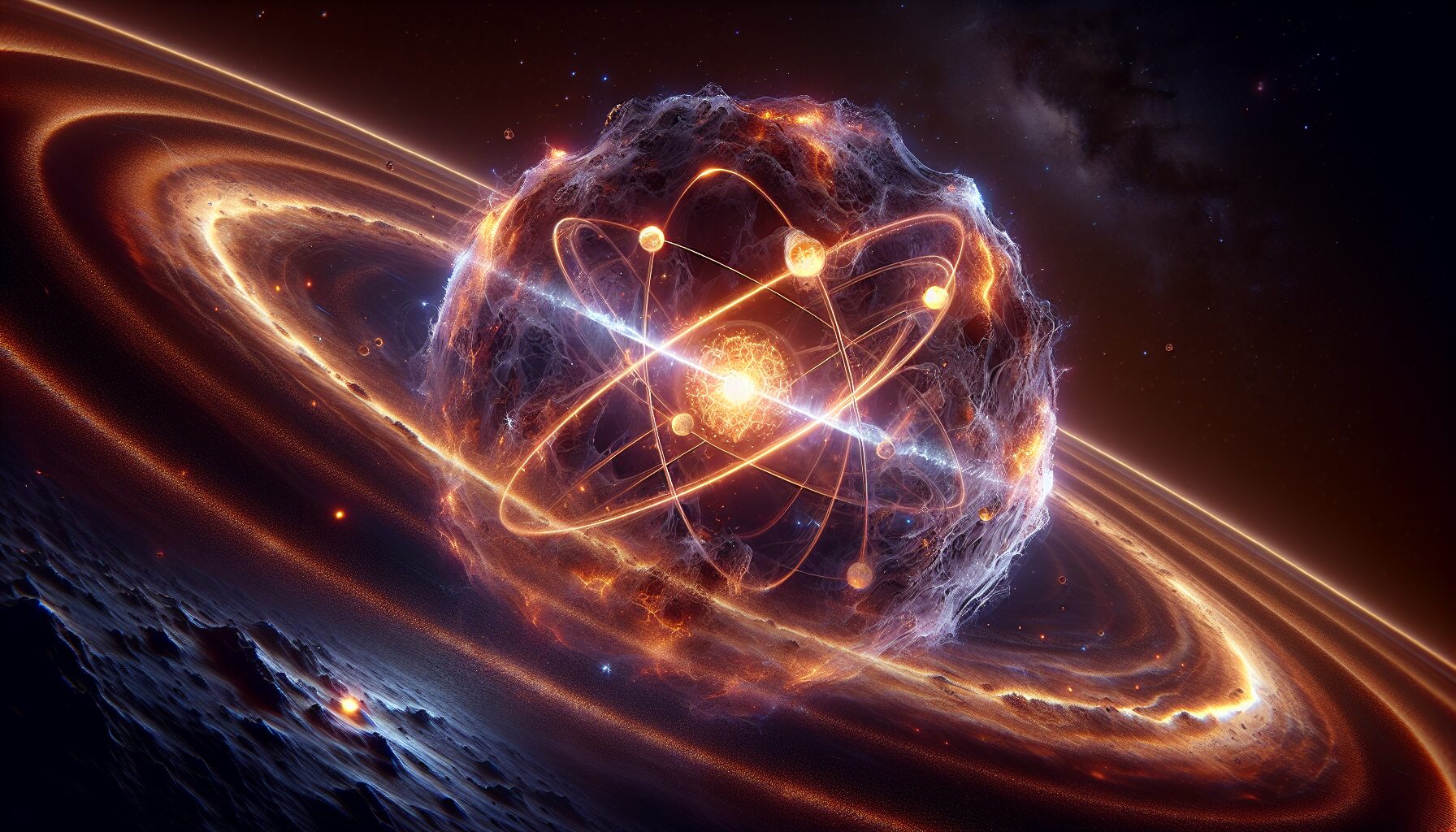
    The Death of Atoms – When Protons Decay in Trillions of Years

    The Death of Atoms: When Protons Decay in Trillions of Years

    The notion of indestructibility is deeply ingrained in both philosophy and science. For centuries, atoms have been considered the fundamental, unbreakable building blocks of matter. This view, tracing back to the ancient Greek philosopher Democritus, has withstood the test of time, morphing slightly with the modern understanding of particle physics. However, what if atoms, specifically their nuclei, are not eternally stable? What does it mean for matter if protons, core components of atomic nuclei, have a finite lifetime?

    The Atomic Structure and the Role of Protons

    At the heart of every atom lies its nucleus, composed of protons and neutrons. Protons carry a positive charge, whereas neutrons are neutral. The number of protons in a nucleus defines the chemical element and its position in the periodic table. For example, hydrogen has one proton, carbon has six, and so forth.

    Protons are essential for the chemical identity of elements and, by extension, all known chemistry. They are bound together in the nucleus by the strong nuclear force, one of the four fundamental forces in nature. Despite this binding force, theoretical physics suggests that protons may not last forever. Instead, they might decay over billions or even trillions of years.

    Theories Behind Proton Decay

    • Grand Unified Theories (GUTs): These theoretical frameworks attempt to unify the electromagnetic, weak nuclear, and strong nuclear forces into a single force. GUTs predict that protons will eventually decay, even though this process has never been observed.
    • Super-Kamiokande Experiments: These are among the most sensitive detectors designed to observe proton decay, deep underground in Japan. While no decay has been conclusively observed, the experiments have helped set lower bounds on the proton’s lifespan. According to The New Scientist, these bounds exceed 1034 years, which is considerably long compared to the current age of the universe (source).

    Implications of Proton Decay

    The concept of proton decay challenges our understanding of matter and its permanence. Even though the timescale is unfathomably long, the eventual decay of protons would imply that all matter, as it is currently known, will eventually break down into subatomic particles. Here are some profound implications:

    • Ultimate Fate of the Universe: If protons decay, eventually all matter in the universe would disintegrate, altering any predictions on the universe’s ultimate fate.
    • Laws of Conservation: The decay would challenge the conservation of baryon number, a principle that states the number of baryons (protons and neutrons) must remain constant in an interaction.
    • Redefining Stability: Currently, we understand atomic and molecular stability based on electron interactions and nuclear stability. Proton decay suggests a future where what we consider stable is just a temporary state.

    Observational Challenges

    The monumental challenge in detecting proton decay lies in its exceedingly long lifetime, surpassing human and scientific timescales. To directly observe one proton decaying would require a vast sample and a significant amount of time. The universe itself isn’t old enough for us to potentially witness such an event in real-time, based on current theoretical lifespans of protons.

    The Super-Kamiokande detector and other experiments are vital tools in this quest. They demonstrate the very frontier of particle physics, pushing the bounds of what is detectable and further refining the theories that predict these extraordinary events.

    Conclusion: A Latent Transformation

    The possibility of proton decay takes us deep into the realm of speculative physics. While no experimental evidence currently verifies this phenomenon, the pursuit of understanding questions the permanence of matter as it stands. If protons decay, then atoms themselves are temporary custodians of matter, inevitably destined to return to a more fundamental state.

    “Our understanding of stability and conservation needs to adapt as our horizon expands beyond present-day observations, delving into deep time and envisioning the ultimate transformation of matter.” — from the Journal of Nature Physics

    In essence, the study of proton decay is more than just an inquiry into atomic longevity; it represents a profound exploration into the nature of existence and time itself. As research continues, we may just inch closer to answering the ultimate existential question: does anything last forever?

  • Brain Death – The Final Frontier of Science and Law

    Brain Death – The Final Frontier of Science and Law

    Brain Death: The Final Frontier of Science and Law

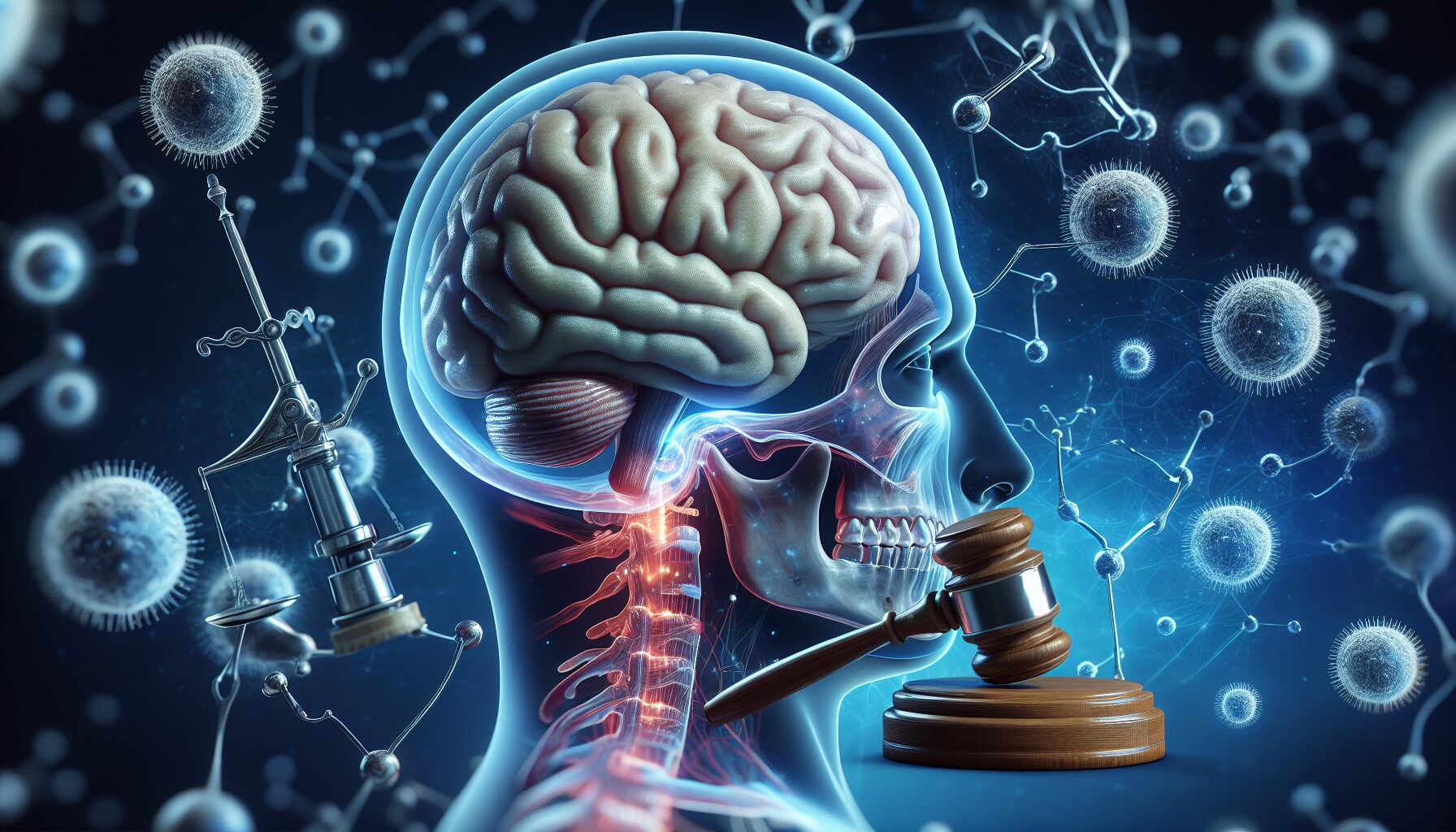
    In recent decades, the concept of brain death has emerged as a pivotal topic at the crossroads of neuroscience, ethics, and jurisprudence. Defined as an irreversible cessation of all brain activity, brain death is seen as a point at which a person is deemed clinically and legally deceased. Despite scientific advances, brain death remains a controversial subject that challenges our traditional perspectives of life, death, and the human condition.

    Understanding Brain Death

    Brain death is distinct from a coma or a persistent vegetative state. It occurs when there is a total loss of brain function, including the brainstem, which regulates basic life functions such as breathing and heartbeat. According to The American Academy of Neurology, the diagnosis of brain death is “based on clinical criteria, including the absence of a neurological response to any external stimuli.”[1]

    The Science Behind Brain Death

    Advancements in medical technology have allowed doctors to maintain bodily functions even when brain activity has ceased. Mechanical ventilation, for example, can keep the heart and lungs working, giving the appearance of life when, biologically, none exists. The Harvard Criteria established in 1968 were among the first formal guidelines to determine brain death, specifying the need for multiple and comprehensive tests.

    • Apnea Test: Measures the body’s ability to recognize elevated CO2 levels and stimulate breathing – a test often failed in brain-dead individuals.
    • Brainstem Reflexes: Checks for responses such as pupil dilation and gag reflex, which should be absent in brain death.
    • Electrophysiological Methods: These include EEGs and other brain imaging techniques to confirm the absence of electrical activity.

    Ethical and Legal Challenges

    The legal recognition of brain death varies dramatically across the globe. The Uniform Determination of Death Act in the United States, passed in 1981, provides a comprehensive legal framework stating that “an individual who has sustained… irreversible cessation of all functions of the entire brain, including the brain stem, is dead.” Yet, disparities in law arise when cultural and religious convictions come into play.

    Dr. Robert Troug of Harvard Medical School asserts, “Brain death is legally equated to death in most parts of the world, but not all social, religious, and familial contexts accept this definition.”[2] For instance, in Japan and some parts of the Middle East, acceptance of brain death is not universal, reflecting differing beliefs about when life truly ends.

    Implications for Organ Donation

    One significant implication of brain death is its role in organ transplantation. Every year, thousands of lives are saved thanks to organ donations from brain-dead patients. The brain death criteria ensure that organs are only harvested from individuals who are legally dead, thereby aligning medical practices with ethical standards.

    “Organ procurement post-brain death is crucial for timely and effective transplantation, yet it hinges on clear communication and consent procedures,” explains Dr. Laura Siminoff of Temple University.[3]

    Cultural Considerations and Public Perception

    Despite clinical clarity, brain death often evokes emotional and philosophical debate. Cultural attitudes towards death, the body, and the spirit can greatly affect family decisions and public perception. Various research indicates that misconceptions about brain death contribute to deep-seated fears and resistance toward declaring brain death or consenting to organ donation.

    • Misinformation: Many people mistakenly equate brain death with being in a coma or a vegetative state, which fuels distrust in medical practitioners.
    • Religious Beliefs: Different religions offer diverse interpretations of death, impacting acceptance and consent related to brain death.
    • Media Influence: Portrayals of miraculous recoveries from comas in media can distort public understanding and expectations.

    The Future of Brain Death

    As neuroscientific research forges ahead, the criteria for brain death could evolve with improved diagnostic technologies, potentially leading to international consensus. The integration of advanced imaging and biomarker assessments may offer clearer confirmation of loss of brain function, enhancing trust in medical judgments.

    Notably, the ethical implications of redefining death criteria may affect legal policies, organ donation protocols, and end-of-life care. Ethical conversations need to parallel scientific progress, ensuring that societal and individual beliefs continue to be respected in defining these life-and-death boundaries.

    Conclusion

    Brain death, as it stands, encapsulates a profound chapter in the dialogue between science, law, and societal values. It invites introspection into what it truly means to be alive and challenges us to reconcile technological possibilities with diverse human ideologies. As our understanding deepens, so too must our discussions about how to ethically and responsibly navigate this frontier.

    For now, the multifaceted exploration of brain death continues to push the boundaries of both medical capabilities and our collective moral compass—underscoring the interconnectedness of our biological existence and philosophical meaning of life.

    [1] American Academy of Neurology
    [2] Harvard Medical School
    [3] Temple University

  • The End of the Human Genome – Evolutionary Death

    The End of the Human Genome – Evolutionary Death

    The End of the Human Genome – Evolutionary Death

    The End of the Human Genome – Evolutionary Death

    The human genome has long been considered the blueprint of our biological identity, but recent discussions in scientific circles propose a provocative idea: Are we witnessing an evolutionary death of the human genome?

    The Human Genome: A Brief Overview

    The Human Genome Project, completed in 2003, mapped the approximate 3 billion DNA base pairs and identified around 20,000-25,000 genes. This project brought revolutionary insights into the genetic underpinnings of life, offering immense potential for medicine and biotechnology.

    Defining Evolutionary Death

    Evolutionary death does not imply an immediate extinction, but rather a gradual decline of variability and adaptability. As species evolve, those unable to adapt to changing environments face an evolutionary dead end. In a similar vein, if the human genome loses its capacity for beneficial mutations that provide adaptive advantages, it may lead towards an evolutionary standstill.

    Factors Contributing to Evolutionary Stagnation

    • Reduced Natural Selection:

      In modern society, medical advancements and technology have dramatically reduced the impact of natural selection. Genetic mutations, once fatal, are often mitigated through medical intervention. This reduced selection pressure may lead to the accumulation of deleterious mutations.

    • Genetic Homogenization:

      Globalization has led to increased gene flow across populations, potentially diminishing genetic diversity. While this can lead to greater genetic robustness in the short term, it risks homogenization—where beneficial mutations in isolated populations are diluted.

    • Technological Interventions:

      CRISPR and other gene-editing technologies present astonishing potential. Yet, their use raises ethical and evolutionary concerns. The deliberate edit of genes might overlook complex genetic interdependencies and the long-term evolutionary potential of small variations.

    Potential Outcomes

    If these trends continue, the human genome could indeed face an evolutionary impasse. Below are scenarios that could emerge from an evolutionary standstill:

    • Increased Susceptibility:

      With a static genome, humans could become increasingly vulnerable to environmental changes and new pathogens, lacking the genetic diversity to develop resistance naturally.

    • Reliance on Technology:

      As genetic adaptability wanes, humans might become heavily reliant on technological enhancements to compensate for genetic shortcomings. This technological dependence means that the survival of the species may depend more on maintaining technological advancement than on genetic evolution.

    Advocating for Genetic Diversity

    Many scientists advocate for the preservation of genetic diversity as a bulwark against evolutionary stagnation. “Genetic diversity is essential for survival. It provides populations the ability to adapt to changing climates and resist new diseases,” researcher Dr. Sarah Hayward notes in a Science Daily article.

    Ethical and Philosophical Implications

    The discussion on the end of the human genome is not just scientific but also deeply philosophical. It raises questions about what it means to be human. Should we embrace genetic enhancement, or do we risk losing our essence? Philosopher Nick Bostrom has famously argued that

    “Biological evolution is too slow for the pace of progress. We need a better system.”

    The Future of Human Evolution

    As we stand on the brink of this evolutionary crossroads, it’s vital to explore and understand the long-term implications of our choices. Should humanity chart a new course through technology, or should we preserve and promote natural genetic diversity?

    Conclusion

    The potential end of the human genome as an evolving entity poses fundamental questions about the trajectory of human evolution. While the exact future remains uncertain, fostering a balance between technological innovation and preservation of genetic diversity is likely key to sustaining our evolutionary legacy. The choice rests in our hands—and perhaps, in our genes.

  • Viruses as Eternal Life – Living Through Deathly Hosts

    Viruses as Eternal Life – Living Through Deathly Hosts

    In the intricate web of life on Earth, viruses occupy a unique and oddly misunderstood position. Unlike bacteria or larger organisms, viruses are not considered “alive” in the traditional sense. However, their interactions with their hosts reveal a complex relationship that blurs the line between life and death. This paradoxical existence fuels the notion of viruses as a form of eternal life, perpetuating their existence through the creatures they infect.

    The Quintessential Paradox: Alive Yet Not Alive

    Viruses are intriguing entities, existing in a gray area between living and non-living. They are composed of genetic material encapsulated within a protein coat, but lack the necessary cellular machinery to reproduce independently. Instead, they must invade a host cell, hijacking its biochemical processes to make new virus particles. This reliance on the host opens up debates on the definition of life itself.

    “Viruses do not meet most of the criteria that scientists have agreed are needed for something to be considered alive,” said the National Center for Biotechnology Information. “However, they can reproduce and mutate, which are characteristics usually associated with living organisms.”

    Viruses: Masters of Evolution

    Despite their simplistic structure, viruses are among the most effective agents of evolution in the natural world. By integrating their genetic material with that of their hosts, they introduce new genetic variations, potentially conferring advantages or exposing vulnerabilities. This incorporation often drives evolutionary change, leading to new traits that may benefit both the virus and the host or, conversely, lead to the host’s demise.

    The rapid replication rates and mutation capabilities of viruses allow them to adapt swiftly to changing environments. This adaptability ensures their survival across hostile conditions and contributes to their seeming immortality. According to scientists at the University of California, Berkeley, “Viruses are the ultimate biological survivors, continually adapting to exploit new hosts and mediums.”

    Lifeblood of Ecosystems

    In ecosystems, viruses play a crucial role in maintaining balance. They regulate populations by infecting and controlling the abundance of other organisms, particularly microorganisms in oceans, contributing significantly to the global carbon cycle. Nearly 20% of the ocean’s microbial biomass is killed daily by viruses, releasing nutrients back into the marine ecosystem.

    By regulating the dynamics of microorganisms, viruses indirectly support life cycles and biodiversity. Their actions influence the availability of resources and the balance of ecosystems, underscoring their dual role as both creators and destroyers.

    Evolutionary Arms Race

    Viruses and their hosts are engaged in a constant evolutionary arms race, each evolving new strategies to outmaneuver the other. This ongoing battle drives the development of elaborate defense mechanisms in hosts, including the intricate immune systems seen in humans and animals. In return, viruses evolve sophisticated methods to evade these defenses, ensuring their survival and propagation.

    The Philosophical Perspective: Life After Death

    From a philosophical standpoint, viruses challenge our understanding of life and death. By extending their existence through their hosts, they epitomize a form of ‘living’ that transcends conventional boundaries. As Richard Dawkins, renowned evolutionary biologist, put it, “When we die, our bodies give rise to other life forms. In a way, viruses continue to live through us, weaving fragments of their existence into the tapestry of life.”

    The Future of Viral Research

    As our understanding of viruses grows, so too does our ability to harness their unique properties for beneficial purposes. Researchers are exploring viral applications in biotechnology and medicine, such as using genetically modified viruses to target and destroy cancer cells or deliver therapeutic genes to treat genetic disorders.

    Ultimately, the study of viruses offers a glimpse into the resilience and adaptability of life itself. Through their complex interactions with hosts, they continue to shape and redefine our understanding of biology, evolution, and existence.

    The paradox of viruses as eternal life forms raises profound questions about the nature of life and death, urging us to reconsider our definitions and embrace the intricacies of biological existence.

  • Decay in Space – What Happens to a Body Without Gravity

    Decay in Space – What Happens to a Body Without Gravity

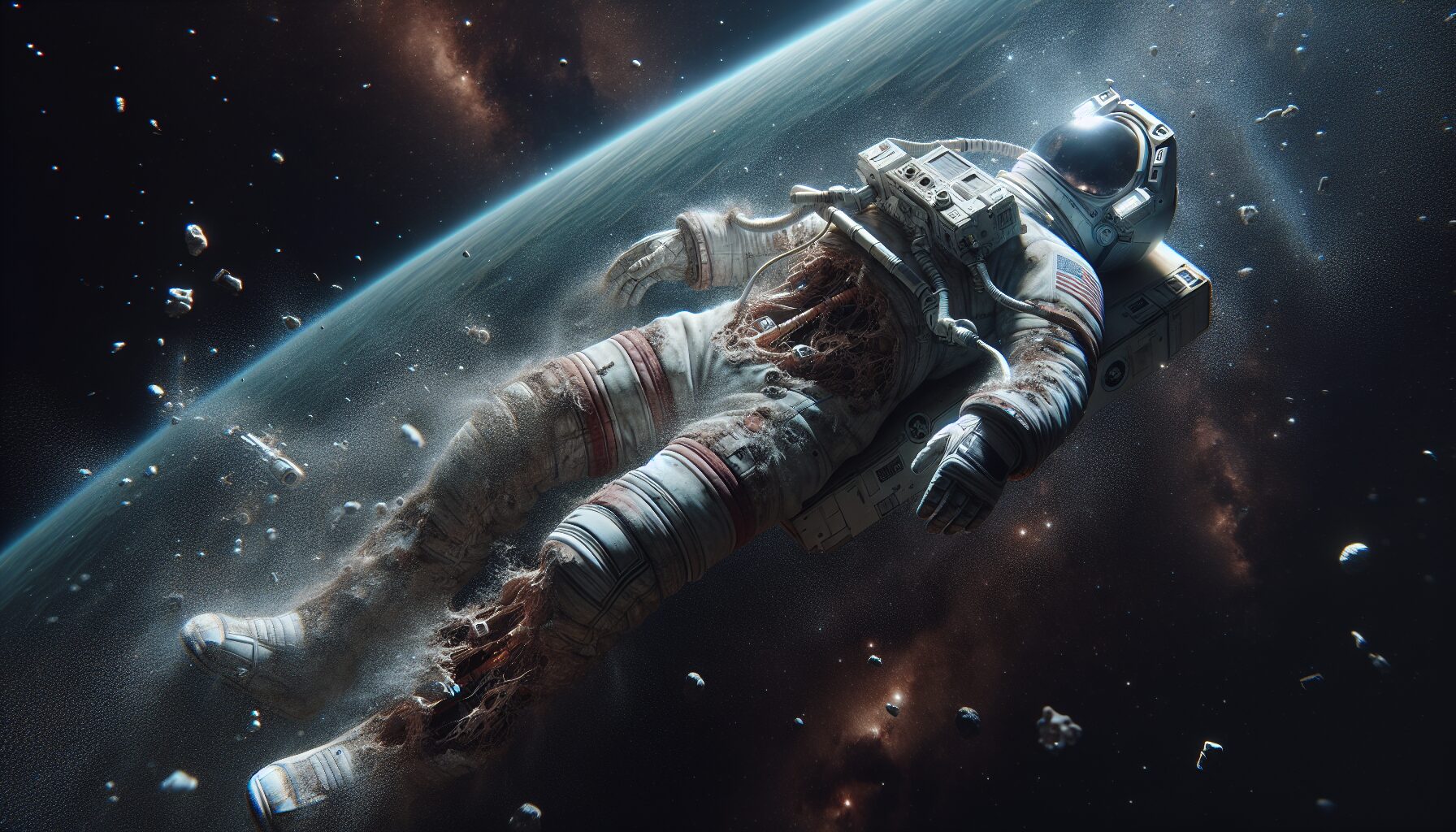
    When considering the vast expanse of space, one intriguing and somewhat macabre question often arises: what happens to a human body in the vacuum of space if it were to succumb to death? In the absence of Earth’s gravity and atmosphere, the process of decomposition would take on a different trajectory.

    Absence of Atmosphere and Its Effects

    In space, there is no atmospheric pressure, and temperatures are extreme, often close to absolute zero in the shadow of celestial bodies. Under such conditions, decomposition would be a markedly different process than on Earth. Without atmospheric pressure, the body would not be subject to the natural cycle of decomposition by aerobic bacteria, for there is little to no oxygen available to sustain these microorganisms. As explained by Dr. Tara Ruttley, a former NASA Science Office for the International Space Station, “in a zero pressure environment, it’s more about the temperature effects and absence of atmospheric pressure that influences decomposition.”

    The Role of Temperature

    • Extreme Cold: If a body were exposed directly to the cold vacuum of space, temperatures would make it freeze relatively quickly. The body would essentially become a mummy, preserved from decay by freezing, much like how ancient creatures are preserved in permafrost on Earth.
    • Solar Radiation: In direct sunlight, however, temperatures can soar, leading to potential preservation through desiccation. This rapid water loss prevents microbial activities, effectively mummifying the body.

    Impact of Vacuum Environment

    In the vacuum of space, bodies are exposed to a radiation-rich environment, potentially causing degradation of tissues at a molecular level. However, in practical terms, the lack of air and moisture means that the typical oxidative processes contributing to decay on Earth are absent. According to research conducted by planetary scientists, a body in space could remain relatively intact for millions of years.

    “It’s the frozen temperatures and lack of air in space that stop decomposition,” explains Dr. Eugene Parker, an astrophysicist famous for pioneering heliophysics.

    Conclusions

    While unlikely to experience the traditional decay witnessed within Earth’s cushioned biosphere, a body in space would undergo preservation through freezing or mummification, contingent on its exposure. This stark contrast to terrestrial decomposition highlights not only the eerie aspects of human vulnerability beyond Earth’s borders but also the enduring quest of human presence in the heavens. For more insightful details on the effects of space conditions, you can explore further [here](https://www.space.com/what-happens-body-dies-space).

  • The Science of Ashes – Cremation Through Heat and Light

    The Science of Ashes – Cremation Through Heat and Light

    For centuries, humans have turned to cremation as a dignified end-of-life choice. At its core, cremation is a fascinating intersection of science and cultural practice, utilizing heat and light to return a body to its simplest elements. But what exactly occurs during this process and how has modern technology refined it?

    The Process of Cremation

    The essential premise of cremation is straightforward: using high temperatures, organic material is reduced to ashes. This transformation occurs within specialized chambers known as cremators, which are capable of reaching temperatures between 1400 to 1800 degrees Fahrenheit (760 to 982 degrees Celsius).

    • Primary Combustion: This initial stage involves the breaking down of soft tissue. The intense heat causes the water in the body—comprising approximately 60% of our mass—to evaporate, while the organic matter combusts and vaporizes.
    • Secondary Combustion: Following the primary phase, this stage focuses on any remaining larger particles and bone matter. At this point, what remains is primarily calcium phosphates and minerals, which form the bone fragments.
    • Cooling and Ash Processing: Once combustion is complete, the remains are cooled. These large fragments are then reduced to the fine powder commonly referred to as “ashes” through a mechanical device known as a cremulator.

    What results is a set of “cremains” or cremated remains, typically weighing between three to seven pounds, depending on the individual’s body composition.

    The Physics Behind Cremation

    Understanding cremation fully requires a glimpse into the physics behind combustion. When subjected to extreme heat, a process known as pyrolysis occurs. Pyrolysis is the thermal decomposition of materials at elevated temperatures in an inert atmosphere. It’s a crucial step, wherein organic compounds break down into gases, charcoal, and tar.

    Another key factor is the role of oxygen. Unlike open combustion that might occur in a natural environment, cremation takes place in an oxygen-controlled chamber. This setting ensures a more complete and efficient combustion while minimizing smoke and odor.

    Evolution of Technology in Modern Cremation

    The modern cremation process takes its roots from the late 19th century, when Professor Brunetti presented a working model of a cremation chamber at the Vienna Exposition in 1873. Since then, the technology has evolved to become a precise and efficient process, often integrated with state-of-the-art filtration to reduce emissions.

    The introduction of direct fire cremation was a breakthrough, allowing for faster and cleaner operations. Advances such as computer-controlled monitoring systems help manage the temperature and duration of the cremation process, ensuring environmental standards are met while respecting the deceased.

    “Crematories today are at the forefront of eco-friendly measures, often employing advanced filtration systems and energy-efficient designs,” notes the Cremation Association of North America.

    Cultural and Ethereal Significance

    Beyond science, cremation holds profound cultural and spiritual significance. In various cultural traditions, it symbolizes purification and the release of the soul. In Hinduism, for instance, cremation is a vital religious rite, believed to help the soul transit from one life to another. The ashes are often scattered in sacred rivers, signifying the cycle of life and rebirth.

    Similarly, in Buddhist practices, cremation is a testament to the impermanent nature of life, reminding adherents of the transient nature of physical existence.

    A Sustainable Choice?

    With the green movement gaining momentum, cremation is often highlighted for its reduced land usage compared to traditional burial. However, the environmental impact of cremation—due to carbon emissions from burning fuels and the release of mercury from dental fillings—remains a point of concern.

    In response, industry innovations such as water cremation, or alkaline hydrolysis, have emerged as eco-friendlier alternatives. This process uses a combination of water, heat, and alkali to break down the body, resulting in lower energy consumption and fewer emissions.

    “The future of cremation will be defined by a balance between technology, tradition, and sustainability,” states renowned environmental scientist Dr. Matthew Green.

    Conclusion

    Cremation, harnessing the elements of heat and light, is a complex yet efficient process grounded in science and tradition. As technology continues to advance, so too will the methods of this time-honored rite, promising a future where reverence for the departed aligns with care for our environment.

  • Forensic Entropy – Measuring Death With Physics

    Forensic Entropy – Measuring Death With Physics

    Forensic science has always been a domain where the boundaries of multiple disciplines intersect. One of the most intriguing intersections is between forensic analysis and the second law of thermodynamics — specifically, the concept of entropy. This principle is gradually reshaping the way we understand and measure death, offering new methodologies for criminal investigations and unraveling the mysteries surrounding mortality.

    Understanding Entropy in Physics

    Entropy, from a physical sciences standpoint, is a measure of disorder within a system. The second law of thermodynamics posits that entropy within a closed system will always increase over time, leading towards a state of equilibrium. This principle explains why natural processes tend to move from order toward chaos, and why perpetual motion machines are impossible.

    “Entropy is a central pillar of the second law of thermodynamics and provides a quantitative measure for understanding the distribution of energy within any given system.” — Entropy Developers Organization

    Application of Entropy in Forensics

    Applying the concept of entropy to forensic science requires rethinking how death can be scientifically analyzed. Forensic entropy seeks to quantify the disorder in the biological system of a deceased organism, interpreting the process’s progression towards thermodynamic equilibrium.

    • Time of Death Estimation: Analyzing entropy provides insights into the rigor mortis process, body temperature changes, and postmortem decomposition. These factors, when understood through the lens of increasing entropy, help forensic scientists pinpoint the time of death with higher accuracy.
    • Decomposition Process: As decomposition results in marked energy redistribution and breakdown of bodily structures, measuring this increase in entropy allows forensic experts to gauge the timeline and environmental factors at play during decomposition.
    • Environmental Interactions: Entropy helps in understanding how external variables like temperature, humidity, and microbial activity accelerate or decelerate the process of decay, providing critical insights in various forensic scenarios.

    Case Studies and Recent Developments

    Consider the notable case of the Challenger Deep investigation, where researchers used entropy measurements in understanding how deep-sea conditions affect necrobiotic processes. The unique interplay of pressure and cold temperatures provided valuable data on entropy trends in extreme environments.

    Recent advancements have further broadened the scope of forensic entropy. Researchers at the University of Forensic Sciences have developed sophisticated algorithms capable of calculating biological entropy changes in cadavers with impressive precision, integrating artificial intelligence to enhance predictive model accuracy. These algorithms have significantly refined methods for determining postmortem intervals.

    Challenges and Ethical Considerations

    Despite its promise, the forensic application of thermodynamic entropy is not without challenges. The variability in environmental conditions, individual biological differences, and the complexity of biochemical reactions all contribute to potential inaccuracies or ambiguities when interpreting entropy-related data.

    Ethically, the use of such technology in forensic investigations raises questions about privacy, consent to postmortem examinations, and the potential misuse of data. It’s imperative for legal frameworks and ethical guidelines to evolve alongside technological advancements to ensure that forensic entropy is applied responsibly and respectfully.

    “The intersection of cutting-edge science and legal practice necessitates a robust ethical framework to safeguard against potential misuse.” — Forensic Ethics Forum

    The Future of Forensic Entropy

    Looking ahead, the integration of entropy in forensic science could revolutionize how death is quantified and understood. From preemptive identification of unusual mortuary patterns in epidemiological studies to advanced forensic reconstructions in criminology, the potential applications are vast.

    Cross-disciplinary collaboration will be essential in optimizing methodologies and tools. As forensic scientists, physicists, biologists, and data scientists pool their expertise, the field of forensic entropy will continue to mature, paving the way for more precise and informed analyses in criminal investigation and beyond.

    Ultimately, the marriage of physical principles and forensic science not only enhances our understanding of death but challenges us to appreciate the complex interplay of life and entropy, urging us to redefine our approach to mortality in scientific and philosophical terms alike.

  • The Death of Species – Extinction as Collective Passing

    The Death of Species – Extinction as Collective Passing

    The Death of Species – Extinction as Collective Passing

    The natural world is in a state of unprecedented change, as species are being lost at a rate that some scientists compare to historical mass extinction events. This phenomenon is often described in ecological terms—habitat destruction, climate change, and overexploitation—but what if we approached extinction as a process akin to collective death and mourning?

    Understanding Extinction Beyond Numbers

    The statistics are daunting. According to the IUCN Red List, over 38,500 species are threatened with extinction. However, each of these numbers represents a lineage lost forever, a biological entity that will no longer be part of the planet’s tapestry. “We are facing a global biodiversity crisis,” says the IUCN, underscoring the gravity of the situation.

    Emotional and Cultural Dissonance

    When we discuss extinction, we often fail to engage with the concept emotionally or culturally. Just as the death of an individual resonates through social and familial networks, the extinction of a species impacts the ecosystems and human communities intertwined with it. Conservationist Aldo Leopold once observed, “To keep every cog and wheel is the first precaution of intelligent tinkering.”

    “The loss of biodiversity and extinction of species hang like a specter over our world, a constant reminder of the fragility of life,” reflects Dr. Jane Goodall, summing up the intertwining of nature and humanity.

    Nature’s Intricate Web

    The ecological implications of extinction are profound. When species vanish, the ecosystems that rely on them can collapse or transform dramatically. The complexities of food webs, pollination networks, and interspecies relationships are altered. As noted by E.O. Wilson, “Each species is a masterpiece, exquisitely adapted to the particular environment in which it has flourished.”

    Mourning the Non-Human

    Considering extinction as a collective death allows us to explore the grief associated with losing a part of our natural world. This perspective can inspire more profound empathy and motivate conservation efforts. Robin Wall Kimmerer, a leading voice in the intersection of ecology and indigenous wisdom, reminds us that “Finding some part of nature that matches your spirit will help restore the broken bond between us and the Earth.”

    • Symbolic Loss: Species that capture the public’s imagination, like polar bears or elephants, become symbols of broader environmental struggles.
    • Loss of Knowledge: Indigenous and local communities who have coexisted with these species often lose cultural practices and traditions.
    • Spiritual Connections: Many cultures view animals and plants as sentient beings; their extinction marks not just a biological loss, but a spiritual one.

    Hope and Action

    While the current situation is dire, understanding extinction in human terms can galvanize action. Efforts to prevent species loss are ongoing, from international treaties like the Convention on Biological Diversity to grassroots movements. Education and awareness are critical in sparking global resolve to preserve our planet’s biodiversity.

    “There are solutions in nature itself,” writes famed ecologist David Attenborough. “If we understand it, then we can stabilize the effects we ultimately experience.”

    Conclusion

    The death of a species is indeed a profound loss, resonating far beyond the environmental realm. By viewing extinction as a form of collective passing, we may find new compassion and motivation to embrace the challenges of conservation with urgency and empathy. The fate of future generations—human and non-human alike—depends on how we respond to this pressing issue.

    In mourning our planet’s lost species, we bear witness not just to what has been, but to what can still be saved through ambitious conservation and profound cultural shifts. Embracing this view may be our greatest service to earth’s legacy.