Author: editor
-
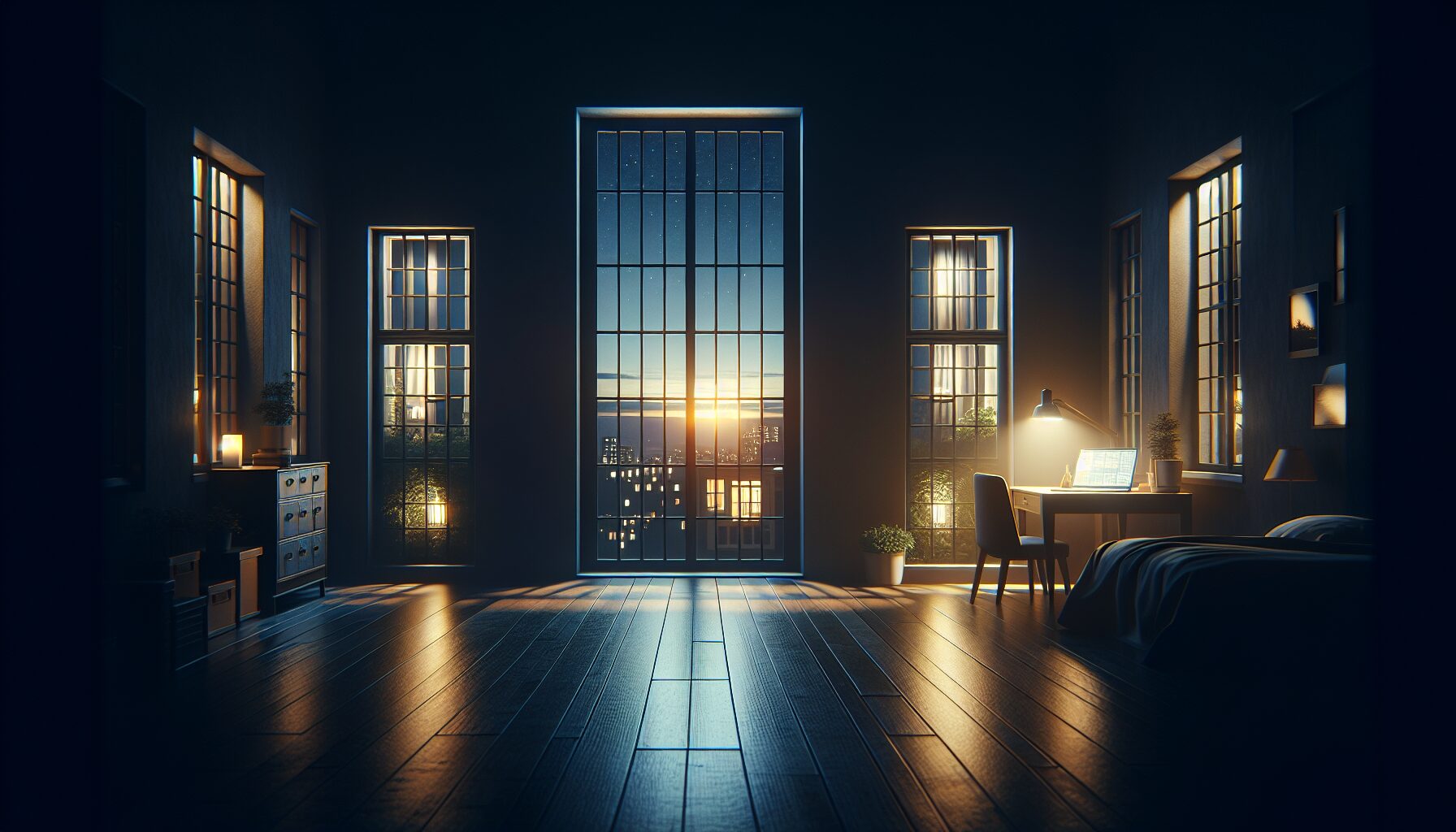
Night Windows: Photography of Liminal Hours
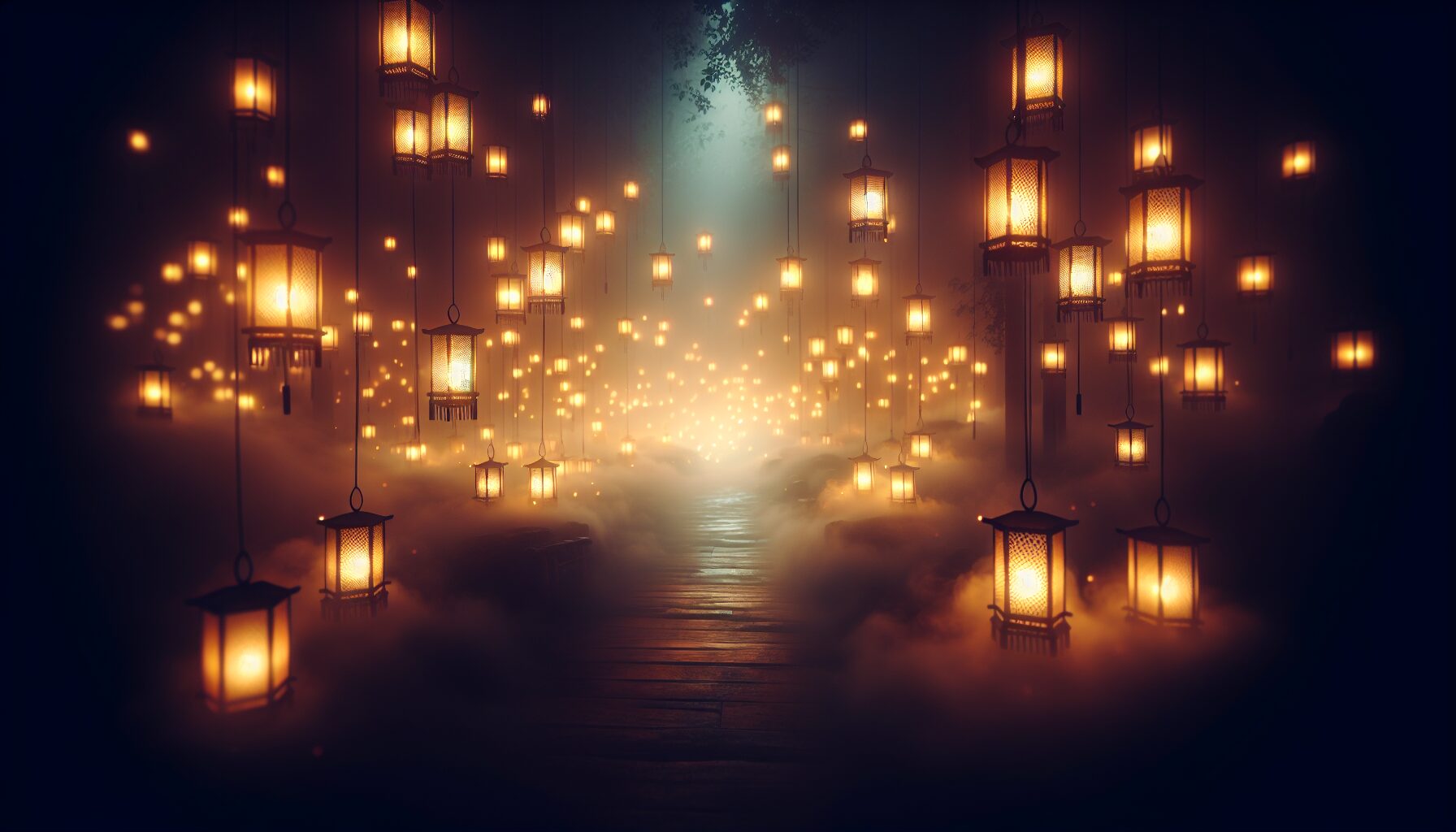
The world at night transforms into a canvas of shadow and light, offering a unique perspective to those who dare explore its depths. Night photography captures this ethereal beauty, portraying the hidden narratives that unfold during the liminal hours—the moments between dusk and dawn when the ordinary becomes extraordinary.
The Allure of Night Photography
Nighttime has long captivated artists and photographers alike. Its appeal lies in the mystery and magic that come alive when the sun sets and artificial lights begin to play their role. According to the renowned photographer Michael Kenna, “I find that the atmosphere at night is more otherworldly and mysterious, with the best possibilities for creative compositions.”
Exploring night photography allows for experimenting with long exposures, light trails, and the interplay of natural and artificial lighting. These techniques bring an element of unpredictability and surprise, making each shot unique.
Capturing the Liminal Space
The term liminal refers to an in-between or transitional space. In photography, capturing these in-between moments can evoke a strong sense of emotion and narrative. Night windows offer glimpses into these spaces—a peek into worlds that are normally hidden in daylight.
“Photography is an immediate reaction, drawing is a meditation,” said Henri Cartier-Bresson. Night photography combines these elements, demanding both spontaneity in capturing fleeting moments and careful planning to manipulate light and shadow.
- Technical Challenges: Night photography requires mastering technical aspects like ISO settings, aperture, and shutter speed to successfully navigate low-light situations.
- Creative Opportunities: The night offers enchanting opportunities to capture elements like star trails, moonlit landscapes, and urban scenery bathed in neon.
- Philosophical Themes: Liminal hours evoke a sense of introspection, tapping into themes of solitude, introspection, and existentialism.
Iconic Night Photographers and Their Work
Many photographers have made their mark by exploring the night. Here are a few who have excelled in capturing the spirit of liminality:
- Brassaï: Known for his striking black and white captures of Paris nightlife in the 1930s, Brassaï’s work illuminated the character and mood of the city after dark. His collections, notably Paris de Nuit, showcase the allure and mystique of night photography.
- Michael Kenna: A contemporary master, Kenna’s ethereal landscapes often depict serene, minimalist scenes. His work usually involves long exposures lasting hours, capturing the essence of places over time.
- Fan Ho: The nighttime streets of Hong Kong became the muse for Ho, whose work brings to life the drama of urban environments and the poignant solitude of metropolitan nightscapes.
Techniques for Capturing Night Windows
To achieve captivating night photographs, photographers must embrace both simplicity and experimentation. Here are essential techniques to consider:
- Long Exposure: Allows for the inclusion of movement, such as clouds or traffic, blurring them into a soft, dreamy effect.
- High ISO Settings: Though it can introduce noise, a higher ISO is often necessary to capture a reasonably lit image. Balancing noise reduction in post-processing is key.
- Wide Apertures: Letting in more light helps with exposure in dark scenes, while providing a shallow depth of field that isolates subjects for dramatic impact.
- Tripod Use: Stabilizes the camera during longer exposures, preventing blur and ensuring composition accuracy.
Conclusion: Embracing the Unknown
Night photography is not simply about taking pictures after dark. It’s an exploration of the unknown, a journey into the in-between spaces where day meets night. Night windows offer a unique glimpse into these spaces, revealing the hidden worlds that thrive when most are asleep.
As you delve into the liminal hours with your camera, remember to cherish the quiet moments, embrace the challenges, and capture the beauty found in shadows and light. Each photograph taken during these hours is a testament to the magic and mystery that the night holds.
Embrace your curiosity and let the night guide your lens into uncovering the stories waiting to be told. The world at night is yours to explore—one frame at a time.
-
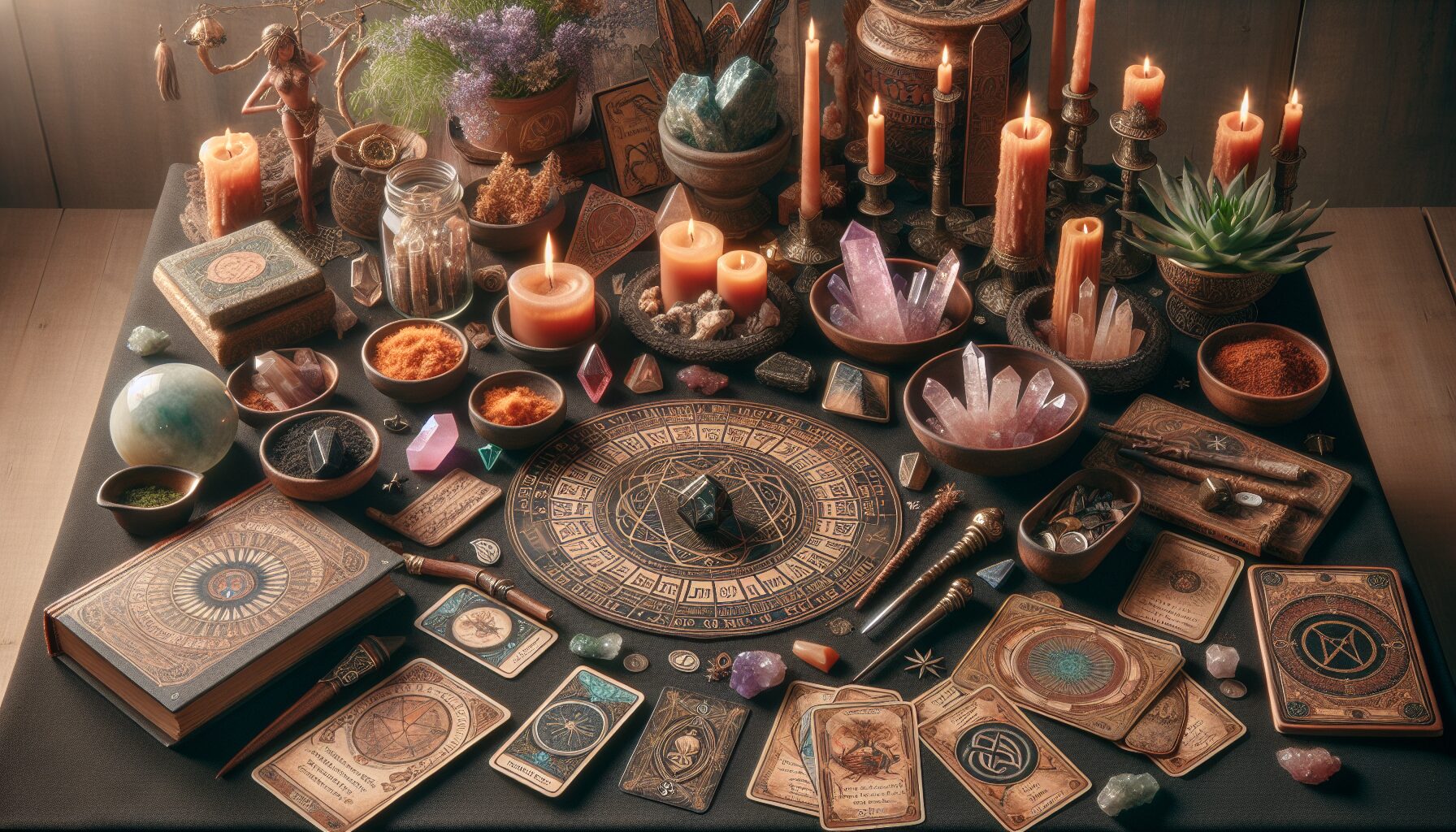
Ritual Recipes for the Modern Mystic
Ritual Recipes for the Modern Mystic: Embrace the Ancient with a Contemporary Twist
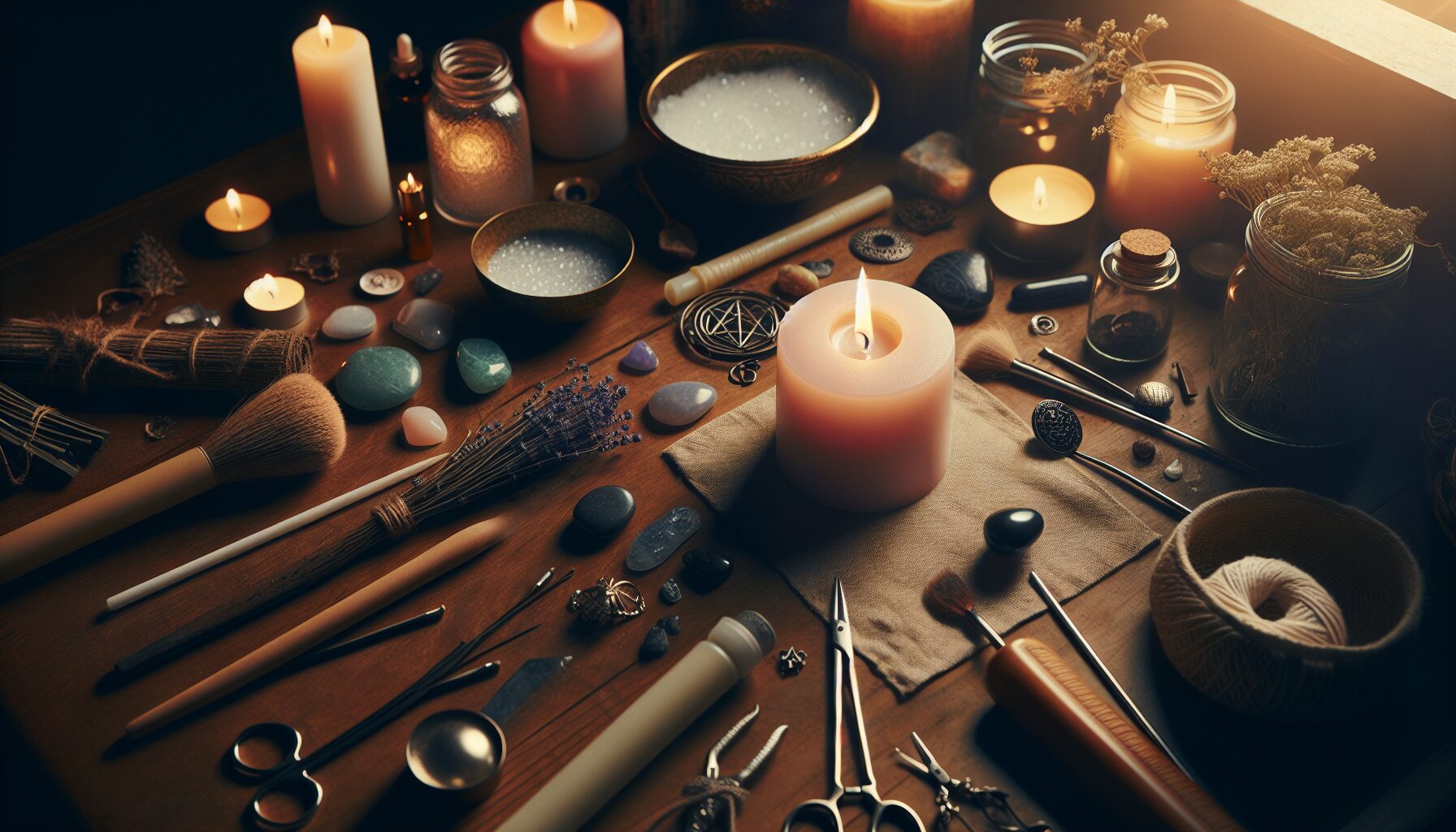
In an age bustling with technology and rapid advancements, a growing number of individuals are turning towards ancient practices for grounding and personal growth. Rituals, which have been a cornerstone of spiritual traditions across cultures, offer a gateway to mindfulness, intention-setting, and inner harmony. For the modern mystic, integrating these rituals into daily life can be simultaneously profound and practical.
1. The Morning Grounding Elixir
- Ingredients:
- 1 cup of warm water
- 1 tablespoon of lemon juice
- 1 teaspoon of honey
- A dash of cayenne pepper
- Instructions: Begin each day by brewing this simple elixir. As you savor each sip, focus on your intentions for the day. Visualize the warmth of the liquid spreading through your body, grounding you to the earth, and energizing your spirit.
“Every morning we are born again. What we do today is what matters most.” – Buddha
Starting your day with an intention-setting drink not only supports your physical health but also mentally prepares you to seize the day.
2. The Evening Banishment Bath
- Ingredients:
- 1 cup of Epsom salt
- A few drops of lavender essential oil
- A sprig of fresh rosemary
- 1 candle (optional)
- Instructions: As night falls, draw a warm bath. Add Epsom salt, lavender oil, and rosemary to the water. Light a candle and place it in a safe corner to lend a soothing glow. As you soak, envision each worry or stress dissolving and leaving your body, banished by the water.
This bath aims to release negativity while promoting a state of tranquility, hence making space for restful sleep.
3. The New Moon Manifestation Bowl
- Ingredients:
- 1 small bowl or dish
- A small piece of paper and a pen
- Small crystals (e.g., clear quartz, amethyst)
- Dried herbs (e.g., sage or basil)
- Instructions: During the new moon, find a peaceful spot to create your manifestation bowl. Write down your intentions or goals on the piece of paper. Fold it, place it in the bowl, and surround it with crystals and herbs. Keep the bowl where it can soak up the moon’s energy overnight.
“The moon is a loyal companion. It never leaves. It’s always there, watching, steadfast, knowing us in our light and dark moments, changing forever just as we do.” – Tahereh Mafi, Goodreads
This ritual not only harnesses lunar energy but also helps clarify your objectives and aligns your actions with these intentions.
4. The Gratitude Jar Ceremony
- Materials:
- A jar or container of your choice
- Slips of paper and a pen
- Instructions: Each evening, before retiring for the night, reflect on your day and write down something you are grateful for on a slip of paper. Place it in the jar. Over time, you will curate a collection of thankful moments that can be a source of joy and positivity.
This practice can be particularly beneficial when you’re feeling low, allowing you to recall the everyday joys you’ve otherwise brushed aside.
In Conclusion
Rituals offer more than mere routines; they are intentional sets of actions imbued with meaning and personal significance. By incorporating these ritual recipes into your life, you align yourself not only with ancient wisdom but also with the powerful cadence of nature and self-awareness.
As you continue on your path as a modern mystic, remember that these rituals are flexible and can be adapted to suit your personal needs and beliefs. Most importantly, they are a reminder that each moment can be sacred, and every action has the potential to transform the ordinary into the extraordinary.
- Ingredients: