Tag: life

  • Galactic Snow Travelers – Aliens of the Cold Void

    Galactic Snow Travelers – Aliens of the Cold Void

    In the unfathomable expanse of the universe, where the void is punctuated by sparse worlds of unimaginable conditions, there exists the concept of the Galactic Snow Travelers. These hypothetical extraterrestrial beings have piqued the imagination of scientists and enthusiasts alike, inspired by both scientific discovery and science fiction. These imagined denizens of icy realms challenge our understanding of where life can exist and how it can adapt to extremities beyond our earthly paradigm.

    The Science of Icy Exoplanets

    To appreciate the possibility of life in the cold void, one must first understand the nature of icy exoplanets. These planets, which are located in the outer regions of their solar systems, are often characterized by frozen surfaces, deep subsurface oceans, or thick atmospheres rich in volatile ices. A prime example within our own solar system includes the Jovian moon Europa, which is believed to harbor a subsurface ocean beneath its icy crust.

    According to NASA, “Europa is thought to have an iron core, a rocky mantle, and an ocean of salty water beneath a shell of ice,” suggesting that while the surface is inhospitable, the ocean beneath might be capable of supporting life (source).

    Galactic Snow Travelers: A Thought Experiment

    Imagine, if you will, a species that thrives in these frigid environments. The Galactic Snow Travelers might possess unique adaptations that allow them to live, hunt, and reproduce in the extreme cold. Here are some speculative adaptations that might make their existence possible:

    • Thermal Adaptation: Much like our Earth’s extremophiles, these beings could have proteins that operate optimally at low temperatures, preventing their cells from freezing.
    • Anti-Freeze Biochemistry: Similar to certain fish in Earth’s polar regions, they might have blood or fluids containing natural antifreeze compounds, allowing them to remain active in sub-zero environments.
    • Energy Derived from Chemical Reactions: Rather than relying on solar energy, which is sparse in such distant worlds, they might derive energy from chemical reactions occurring beneath ice layers, akin to chemosynthesis observed in deep-sea Earth vents.
    • Reflective or Insulating Skin: To minimize heat loss, their skin or scales might possess properties that reflect infrared radiation or provide excellent insulation.

    Cultural and Technological Implications

    While physiological adaptations are a staple of speculative biology, the cultural and technological implications of these snow travelers are equally intriguing. These beings might develop unique technologies suited to their icy homes. Consider the following possibilities:

    • Ice-Based Construction: Structures built entirely from ice, utilizing the abundant material in their surroundings much like human pioneers in cold regions utilized ice and snow to build shelters.
    • Thermal Manipulation Tools: Advanced tools that can manipulate heat at a molecular level, allowing them to carve ice, travel across frozen expanses, or even communicate via thermal signals.
    • Cultural Significance of Ice: Ice might hold symbolic or spiritual significance, perhaps integral to their art, mythology, or even governance systems.

    The Search for Cold-Life Biosignatures

    The quest to discover such life is intensely linked to our search for biosignatures on icy exoplanets or moons. Scientists employ several indirect methods to detect signs of life or habitable conditions. These include:

    • Spectroscopy: By examining the light absorption properties of a planet’s atmosphere, researchers can identify chemicals like methane or oxygen that might suggest biological activity.
    • Seismic Measurements: On moons like Europa, measuring the ice’s response to gravitational interactions can help infer the presence of subsurface oceans.
    • Robotic Explorations: Missions like Europa Clipper set to launch in the 2020s aim to investigate Jovian moons directly, searching for signs of life beneath the ice (source).

    The Philosophical and Ethical Dimensions

    The potential discovery of such life forms raises profound philosophical questions. What does it mean for humanity to find life that has evolved entirely separately from Earth? How would this affect our understanding of life as a universal phenomenon? Furthermore, the ethical implications of interacting with such alien life are bound to spark intense debate:

    “Whether we encounter microbial life or an advanced civilization, the existence of aliens would provide crucial insights into our own place in the cosmos.” – Dr. Neil deGrasse Tyson

    Would our interactions harm these pristine environments or potentially threaten their existence? The considerations are complex and require humanity to tread carefully in our pursuit of knowledge.

    Conclusion

    The idea of Galactic Snow Travelers challenges the imagination and stretches our understanding of life’s adaptability. While still a product of speculative fiction and science, it inspires a reevaluation of life’s potential distribution throughout the universe. As we step closer to exploring these frozen frontiers, the prospect of discovering life in the cold void remains a tantalizing question that might redefine what it means to be alive.

    In a universe as vast and varied as ours, the concept of Galactic Snow Travelers reminds us that life might find a way in the most unexpected of places, waiting quietly beneath an icy surface, dreaming of stars.

  • Starglow Hideaways – Building Safe Inner Spaces

    Starglow Hideaways – Building Safe Inner Spaces

    Starglow Hideaways: Building Safe Inner Spaces

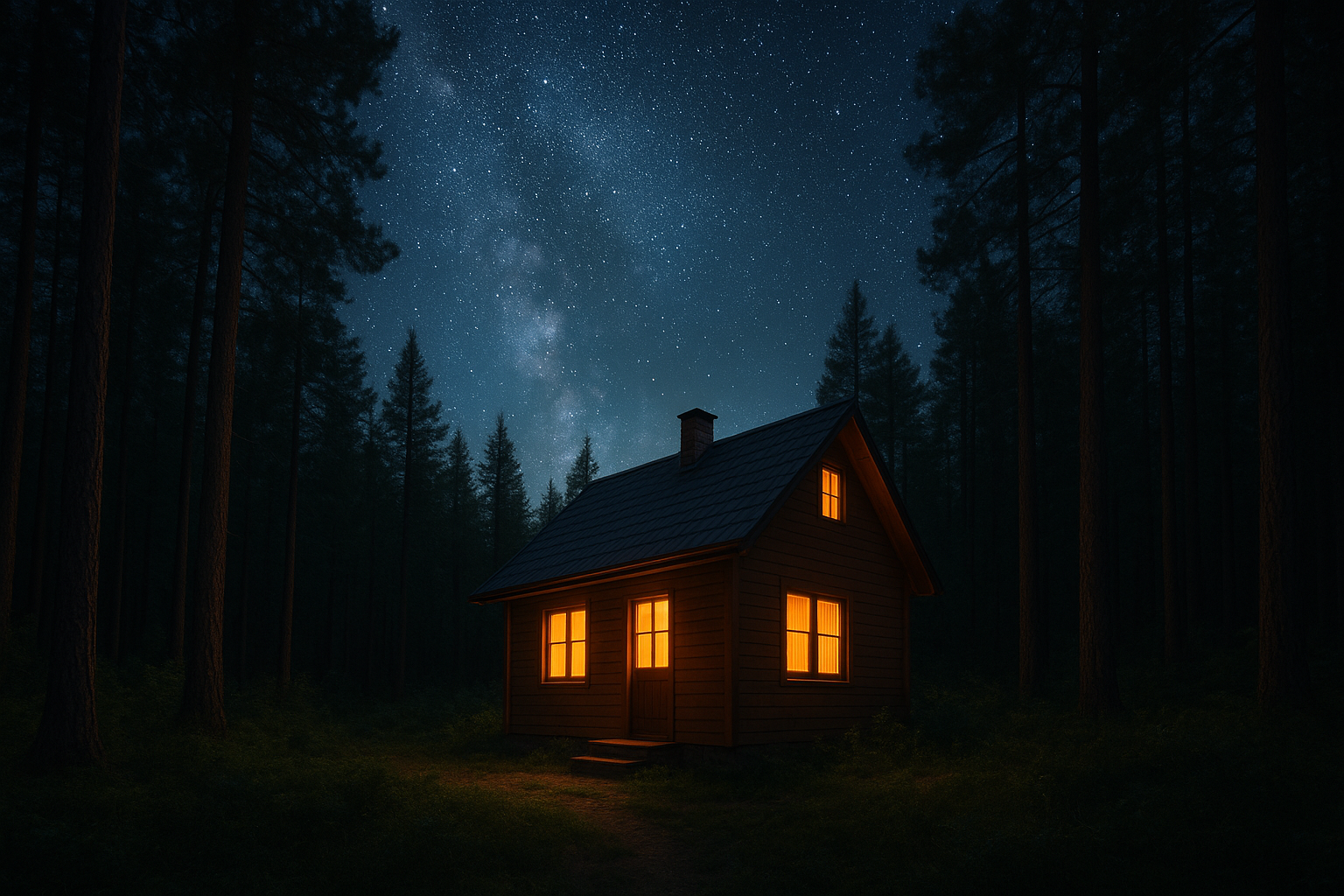
    In the hustle and bustle of today’s world, the search for peace and tranquility becomes ever more pressing. Amidst the chaos, individuals are starting to find refuge in a concept that’s both ancient and continually evolving—a psychological safe space. Enter Starglow Hideaways, a burgeoning approach to mental wellness that emphasizes the creation of personal sanctuaries within the mind.

    The Concept of Inner Safe Spaces

    The idea of creating a ‘safe space’ is not new. Psychologists often encourage the mental visualization of peaceful settings as a means to reduce stress and anxiety. These mental spaces serve as a sanctuary—a place where one can escape, if only in their mind, to recuperate and find solace. Starglow Hideaways takes this concept a step further by actively involving the senses and the imagination in the careful crafting of this personal refuge.

    As Bernard J. Luskin, EdD, LMFT, points out in his article for Psychology Today, “In many ways, these places are designed to calm the mind, much like a familiar tune or a nostalgic scent can take us back to a happy moment in time.”

    Why We Need Safe Inner Spaces

    Modern life is fraught with uncertainties and pressures that affect our mental health. The need for a mental retreat becomes critical when we acknowledge the emotional and psychological benefits that come from having a space to process thoughts and feelings without judgment or fear.

    • Combating Anxiety: According to the Anxiety and Depression Association of America, anxiety disorders are the most common mental illness in the U.S., affecting 40 million adults. Starglow Hideaways provide a mental buffer against stressors.
    • Fostering Creativity: A mental safe space encourages free thinking, which can enhance creativity and problem-solving skills.
    • Emotional Regulation: When an individual can mentally retreat to a serene place, they find it easier to manage overwhelming emotions and react more calmly to external stimuli.

    The Power of Imagination

    Human imagination is a powerful tool that can have tangible effects on our feelings and thoughts. Creating a Starglow Hideaway involves using visualization techniques to construct this mental environment. Dr. Norman Doidge, author of “The Brain That Changes Itself”, emphasizes the transformative potential of imagination: “The brain is adaptable and can be rewired to help one develop certain habits of thought and perception.”

    “A mental hideaway is more than an escape; it’s a tool for empowerment and resilience, fostering an internal harmony that reflects on one’s external life,” writes Doidge.

    Creating Your Starglow Hideaway

    Building an inner sanctuary involves more than just closing your eyes and picturing an idyllic setting. It requires a thoughtful approach to ensure this space is truly restorative. Here’s how you can create your own Starglow Hideaway:

    • Choose Your Environment: What landscape resonates most with you? It could be a forest, a beach, or even an alien planet. Choose a setting that brings you peace and happiness.
    • Engage Your Senses: Imagine the sounds, sights, smells, and even the tactile sensations you would experience in this place. The more detailed and sensory-rich your visualizations, the more effective the hideaway becomes.
    • Incorporate Safety Elements: Include elements symbolizing protection and comfort—be it a cozy blanket, a trusted companion, or tranquil ambient lighting.

    Maintaining and Visiting Your Hideaway

    Like any skill, the ability to quickly access and use your Starglow Hideaway requires practice. Regular ‘visits’ strengthen this mental skill, enabling faster transitions from stress to calm.

    • Set Aside Time: Dedicated time for meditation or mindful visualization helps reinforce the neural pathways that facilitate this retreat.
    • Adapt as Necessary: As life changes, so might the configuration of your hideaway. Remain open to altering your space to better meet your evolving needs.
    • Incorporate Rituals: Rituals or routines can effectively signal a transition into your sanctuary time, such as lighting a candle or playing soothing music.

    The Science Behind Safe Spaces

    The mental health benefits of creating safe spaces are supported by science. Research in cognitive behavioral therapy (CBT) often employs similar visualization techniques to help manage anxiety and depression. According to Dr. Aaron Beck, one of the pioneers of CBT, “Visualizing peaceful or positive scenarios can provide individuals with a reprieve from negative thought patterns.”

    Psychological Resilience and Starglow Hideaways

    Incorporating the concept of Starglow Hideaways into daily life can significantly enhance psychological resilience. By fostering a routine practice of transporting oneself to a mental sanctuary, individuals can handle stress more effectively and maintain a balanced mental state, even amidst chaos.

    Conclusion

    Whether you’re dealing with the pressures of modern life or simply seeking to enhance your mental well-being, Starglow Hideaways represent a simple yet potent tool. By consciously shaping these mental sanctuaries, individuals can promote healing, foster creativity, and ensure emotional wellness.

    Creating a safe inner space is no longer just a psychological exercise—it’s becoming a lifestyle choice that more and more people are embracing for a healthier, more balanced life. In our fast-paced world, taking the time to retreat into your personal sanctuary is not just beneficial; it’s essential.

  • The Lighthearted Seraph – Lessons in Taking It Easy

    The Lighthearted Seraph – Lessons in Taking It Easy

    In a world often overshadowed by urgency and haste, the art of taking it easy is a rare treasure. The lighthearted seraph, an emblem of tranquility and grace, serves as a timeless teacher of relaxation, joy, and balance. This article explores how embracing a lighter approach to life can enhance well-being, boost creativity, and foster deeper connections with oneself and others.

    Recognizing the Value of Slowing Down

    Our society frequently glorifies busyness as a badge of honor. A life packed with tasks and deadlines often leaves little room for the serenity that a lighthearted seraph represents. Economist Tim Harford suggests, “Busyness is not a virtue or a sign of status; it’s a lack of control.”

    “Slow down and everything you are chasing will come around and catch you.” – John De Paola

    Incorporating a slower pace into daily life allows the mind to unwind, offering fresh perspectives and insights. Slowing down doesn’t mean sacrificing productivity; rather, it enhances the body’s ability to function optimally, as slowing down allows the mind to innovate and solve problems more effectively.

    The Power of Play

    Play is a fundamental ingredient for fostering creativity and nurturing the soul. The lighthearted seraph reminds us that, as children, play was a natural part of life — a spontaneous, joyful activity with no particular goal other than fun. Experts like Dr. Stuart Brown emphasize that play is as crucial for adults as it is for children, pointing out that it can “impact everything from personal well-being to business productivity.”

    • Play renews and invigorates the spirit.
    • It encourages experimentation and exploration.
    • Fosters resilience and agility in problem-solving.

    Integrating more play into daily routines can be as simple as engaging in activities that spark genuine interest, whether it’s through hobbies, sports, art, or music.

    Embracing Imperfection

    In a perfection-seeking world, the lighthearted seraph invites us to accept and embrace imperfections. By relinquishing the need for flawless execution, one can find peace and liberation in the freedom to simply exist.

    Renowned author Brené Brown writes, “Perfectionism is self-destructive simply because there’s no such thing as perfect. Perfection is an unattainable goal.” The seraph’s approach encourages us to take risks and learn from mistakes without the harsh self-criticism that perfectionism often entails.

    The Importance of Connection

    Living a lighthearted life is more meaningful when shared with others. The seraph’s lesson here is that nurturing relationships with friends, family, and community is vital to happiness. Social connections provide support, enhance well-being, and offer shared experiences that enrich our lives.

    “Connection is why we’re here; it is what gives purpose and meaning to our lives.” – Brené Brown

    Engaging with others in sincere, joyful exchanges reminds us of the warmth and kindness that accompanies human interaction and helps us all feel less alone.

    Practical Steps to a Lighthearted Life

    Embracing the lighthearted seraph’s wisdom begins with intentional actions and choices that foster a relaxed, joyful existence. Here are some steps to help incorporate these principles into everyday life:

    • Schedule Downtime: Allocate specific times for relaxation and leisure, treating these moments as essential as any business meeting.
    • Practice Mindfulness: Engage in mindfulness practices to ground yourself in the present, reducing stress and enhancing clarity.
    • Seek Laughter: Laughter is an instant mood booster. Seek out humor in books, movies, or conversations.
    • Prioritize Joy: Engage in activities that ignite happiness and foster a sense of fulfillment.
    • Balance Work and Play: Ensure that both work and recreation hold equal importance in your schedule.

    Conclusion

    The lighthearted seraph shows us the beauty of a life lived with ease and joy. By valuing play, embracing imperfections, and cultivating connections, we can alleviate the burdens of everyday stress. The art of taking it easy is not merely about doing less; it’s about enriching life with quality, joy, and meaning. By following the seraph’s gentle guidance, we can craft a life that is not just livable but delightful.

    Taking it easy can be revolutionary in its simplicity, an antidote to a world bustling with chaos. Let the lighthearted seraph be a reminder of the profound power within us to rest, reflect, and rejoice.

  • Galactic Feather-Folk – A Friendly Introduction

    Galactic Feather-Folk – A Friendly Introduction

    As we gaze up into the endless cosmos, we often wonder if we are alone. Yet, tales of the Galactic Feather-Folk, intriguing creatures said to dwell among the stars, awaken our imagination and offer a delightful curiosity into the possibilities of intelligent life beyond Earth.

    Who Are the Galactic Feather-Folk?

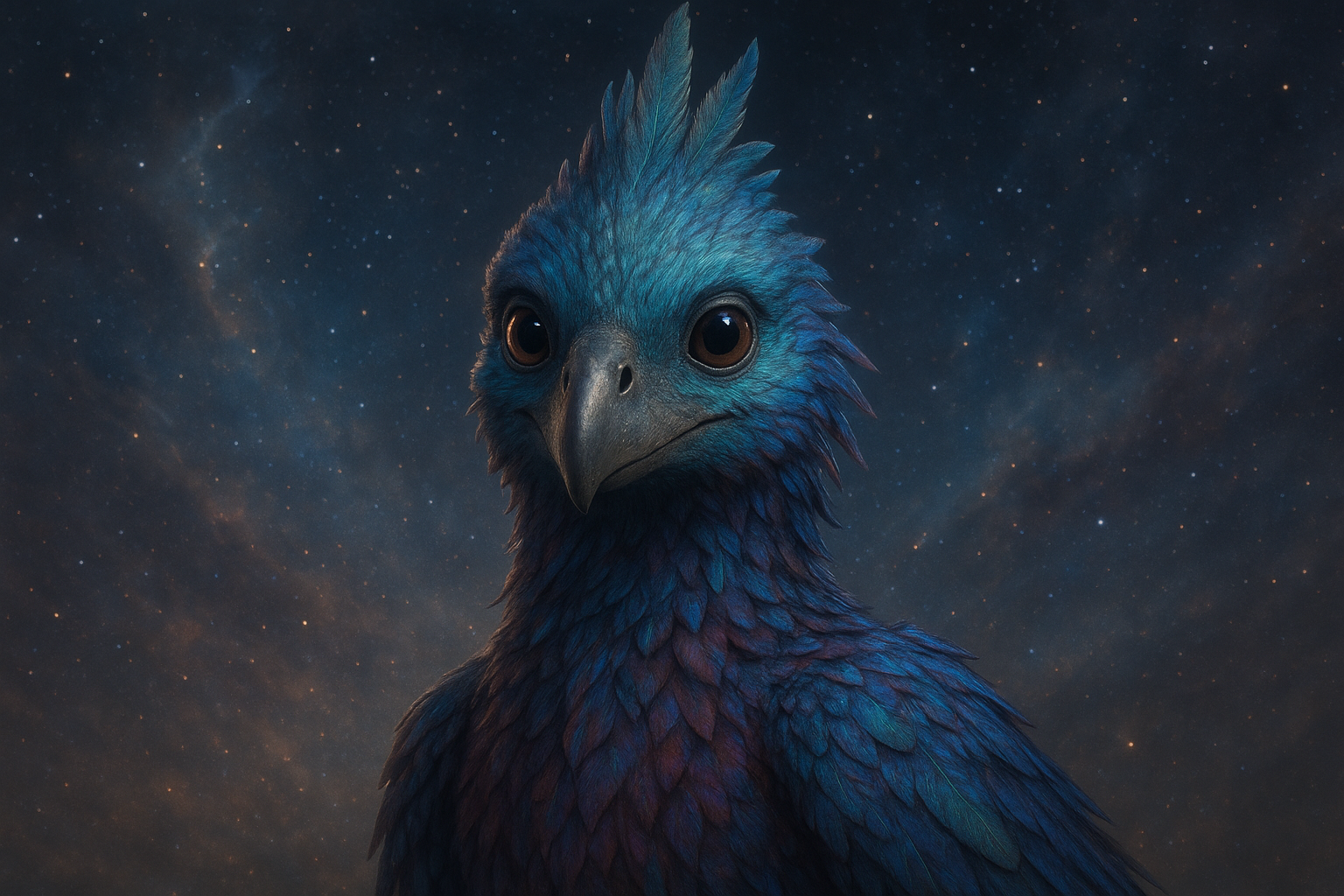
    The Galactic Feather-Folk are depicted as vibrant beings, draped in iridescent feathers with hues that shift and shimmer with their every movement. These mythical entities are believed to possess advanced wisdom and a penchant for peace, harmony, and cosmic exploration.

    “The universe is full of magical things, patiently waiting for our wits to grow sharper.” – Eden Phillpotts

    With their imaginary roots deeply embedded in various cultures’ folklores and speculative science fiction, the Feather-Folk capture the essence of intelligent avians who might soar from planet to planet on wings of curiosity and kindness.

    Attributes and Abilities

    • Empathic Communication: The Feather-Folk are said to communicate through a sophisticated form of empathic telepathy, connecting with others’ emotions rather than vocal sounds.
    • Cosmic Navigation: Legend claims they possess an innate ability to navigate the cosmic seas, reading the stars as one might read a book.
    • Planetary Ambassadors: As interstellar diplomats, they foster peace between planets, bridging gaps with their deep understanding of sentient life across galaxies.

    The Cosmic Connection

    The stories of the Galactic Feather-Folk inspire us to ponder not just the wonders of the universe, but also the bonds we could potentially share with extraterrestrial beings. Could a bridge of understanding await us out there, amid the stars?

    In our modern era, where astronomical endeavors are rapidly advancing, the lore of the Galactic Feather-Folk serves as a captivating muse. These tales encourage humanity to seek knowledge and foster peace—bringing us closer to a real cosmic community.

    Learn more about the search for extraterrestrial life with SETI.

    Conclusion

    The allure of the Galactic Feather-Folk lies in their representation of hope, curiosity, and harmony. While they may remain fictional, for now, they embody our aspirations for a universe filled with awe-inspiring beauty and boundless friendship.

    “The cosmos is within us. We are made of star-stuff. We are a way for the universe to know itself.” – Carl Sagan

    Whether real or imagined, the Galactic Feather-Folk remind us of the infinite possibilities that lie beyond our skies, whispering a promise of kinship among the stars.

  • The Hollow Pantheon Returns – Myth and Vanishing Gods

    The Hollow Pantheon Returns – Myth and Vanishing Gods

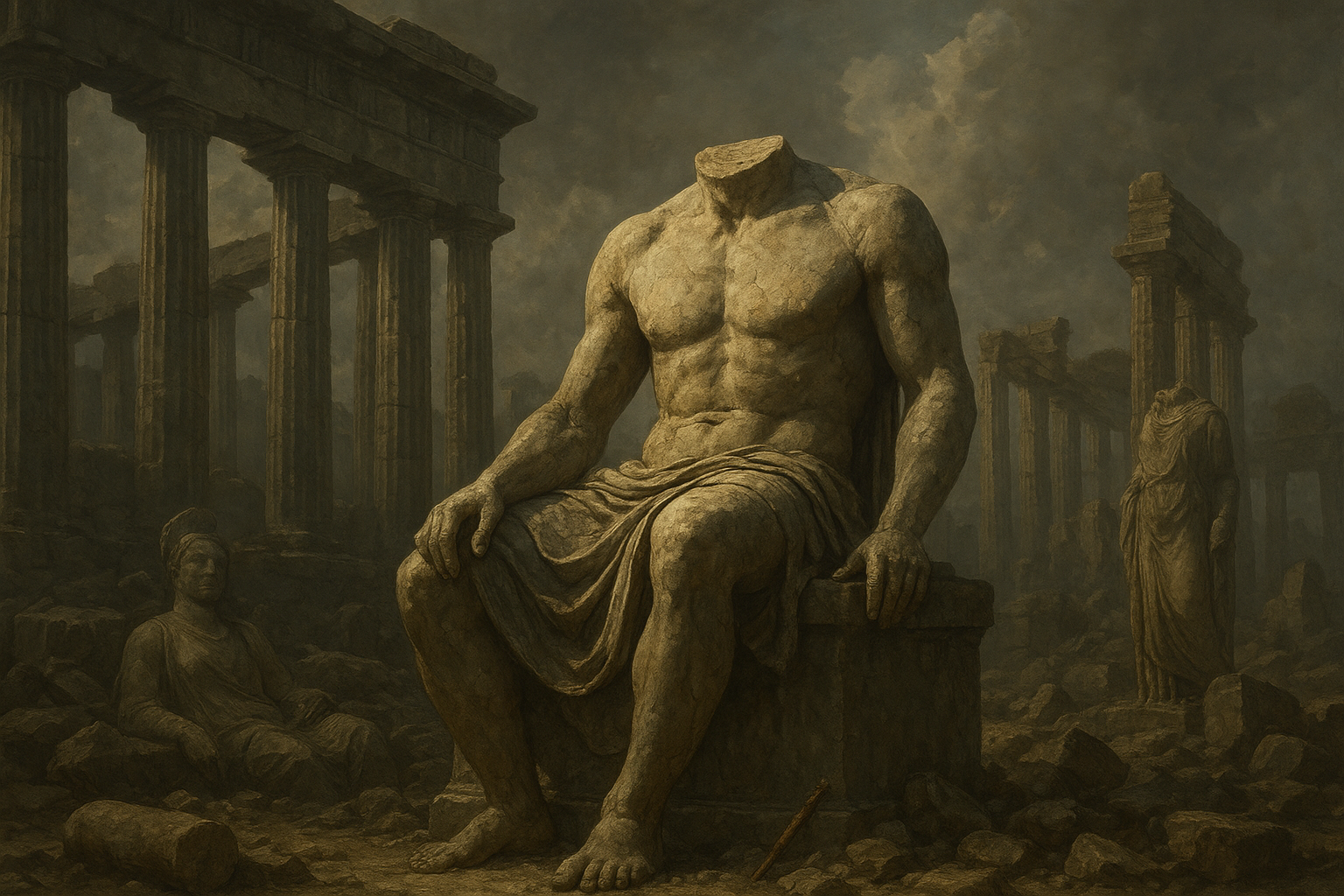
    Mythology has long held a mirror to human societies, reflecting cultural values and existential questions while explaining the mysteries of nature and the universe. Yet, as time progresses, the once held esteemed gods of ancient pantheons have faded from the collective consciousness. In an era increasingly dominated by science and empirical evidence, the allure of ancient myths begs the question: what becomes of these myths and their gods?

    The Rise and Influence of Mythological Pantheons

    Throughout history, civilizations have crafted elaborate mythologies to comprehend the enigmas of existence. From the complex deities of the ancient Greeks to the divine dynasties of Egypt and the Norse gods standing proud in Scandinavia, myth served as a bridge between humanity and the unknown.

    • Greek Pantheon: The Olympian gods – led by Zeus and including figures like Athena, Apollo, and Hera – were central to Greek culture and religion. Their narratives, chronicled by poets such as Homer and Hesiod, offered explanations for natural phenomena and social order.
    • Egyptian Deities: In Egypt, gods like Ra, the sun god, and Osiris, god of the afterlife, were integral to daily life and afterlife beliefs, with elaborate rituals supporting their worship.
    • Norse Gods: With Odin, Thor, and Freya, the Norse pantheon explored themes of war, exploration, and fate, encapsulating the harsh and dynamic life of Northern Europe.

    These gods were more than characters in ancient tales; they inspired art, governance, and moral codes, deeply interwoven into the fabric of their societies.

    The Vanishing of the Gods in a Modern Age

    With the spread of monotheism and scientific rationalism, polytheistic religions waned. The expansion of Christianity throughout Europe played a significant role in diminishing the old gods. Scholar Thomas P. Finn notes that many Norse traditions were absorbed into Christian practices, leading to a gradual eclipse of these deities.

    “The gods of yesterday pass into oblivion, and their stories become articles for historians and literary enthusiasts rather than living, breathing parts of daily life.” — Thomas P. Finn

    Moreover, the Enlightenment further propelled society away from mythological explanations. A focus on observation and empirical evidence slowly rendered mythical explanations obsolete. The gods retreated into the artworks, myths, and archaeological remnants they once animated.

    The Revival and Adaptation of Ancient Myths

    Interestingly, while these gods no longer preside over human lives, they are far from forgotten. Their myths have witnessed a resurgence, being repurposed and recontextualized for a contemporary audience. This revival largely owes itself to their adaptability and the universal themes they address.

    • Literature: Writers like Neil Gaiman have reincarnated these ancient tales in works such as “American Gods”, examining the role and evolution of myth in a secular world.
    • Film and Television: Movies such as the “Thor” series from Marvel Studios have reintroduced Norse mythology to a global audience, wrapping age-old narratives in modern storytelling.
    • Video Games: Titles like “God of War” adapt these myths into visceral experiences, attracting players to explore mythological themes interactively.

    These adaptations keep mythology alive, asserting its relevance by exploring timeless human concerns such as identity, power, and mortality.

    Myth as a Source of Cultural Identity and Moral Reflection

    Mythology serves as a repository of collective human experience and wisdom. The tales often encapsulate moral and ethical dilemmas, offering reflections pertinent even today. According to Joseph Campbell in “The Hero with a Thousand Faces”, myths are “clues to the spiritual potentialities of the human life” (Joseph Campbell, 1949).

    By examining mythological stories, modern societies can glean insights into past mentalities and values, allowing for introspection on contemporary moral frameworks. They act as a cultural compass, helping societies navigate the complexities of modern life by drawing upon age-old narratives understood and revered by ancestors.

    Conclusion: The Pantheon’s Timeless Resonance

    Though science and rationalism have usurped myth’s explanatory power, the allure of myths persists. They serve as vessels for cultural identity, artistic inspiration, and philosophical pondering. In the modern consciousness, gods may no longer hold dominion or evoke literal worship, but their symbolic potency remains undiminished. They fill a niche that logically defies extinction, resonating through time as a testament to humanity’s unending quest for understanding and meaning.

    Ultimately, the return of a hollow pantheon speaks not of resurrection but evolution. It highlights humanity’s ability to creatively reinterpret and contemporize the past, ensuring that despite their physical absence, the gods never truly vanish. They are simply reborn, reimagined by each generation, thus maintaining their significance through the ages.

  • Petit Mort Frequencies – Death as Energy

    Petit Mort Frequencies – Death as Energy

    The concept of petit mort, or “little death,” is often associated with the momentary sensation of post-orgasmic release, yet the metaphor extends well beyond the confines of human sexuality. This mystical phrase suggests a diminutive experience of cessation, a microcosmic reflection of life’s final chapter—death. Understanding death as a form of energy transformation is an age-old notion found in various philosophical and spiritual traditions around the world.

    In much of the occult and esoteric literature, the idea that death represents a transformation rather than an end is a recurrent theme. The French term petit mort symbolizes transitions and temporary states of consciousness that mimic the discontinuity of life processes. This idea is poetically encapsulated by the philosopher Ralph Waldo Emerson, who wrote,

    “Our life is an apprenticeship to the truth that around every circle another can be drawn; that there is no end in nature, but every end is a beginning.”

    The Energetic Continuum

    The concept of energy never truly disappearing but merely transforming is a cornerstone of both scientific and mystical inquiry. In physics, energy cannot be created or destroyed, only changed from one form to another—a principle known as the Law of Conservation of Energy. Similarly, many spiritual beliefs hold that the soul or spirit carries on beyond the physical cessation of the body, altering in form and frequency.

    • Hinduism: The cycle of birth, death, and reincarnation underscores energy’s perpetual motion through numerous lives.
    • Ancient Egyptian Beliefs: Death was seen not as an end but a journey through the afterlife, guided by sacred texts like the Book of the Dead.
    • Modern Mysticism: Many contemporary practitioners view death as a vibrational shift, a transition into another plane of existence.

    Resonance of the “Little Death”

    Experiencing a petit mort involves a temporary release that some compare to an ephemeral taste of what lies beyond. This momentary seductive dance with death can offer insight into the cyclical nature of life and energy. It is not merely an erotic phenomenon but also a symbolic passage that echoes the broader journey of life and death.

    Suzanne Somers, an American actress and author, once said,

    “Forgiveness is a gift you give yourself. It’s not a tool to manipulate others, nor is it something to be taken lightly. It releases the thing that holds energy and allows it to transform.”

    This suggests deeper levels of release and transformation, resonating with the ideological essence of petit mort.

    In contemplating the energetic aspects of death, individuals may find comfort and understanding in accepting that death is not merely a point of cessation but a transmutative passage of energy—a step along the continuum of existence.

  • Arcane Funeral – Petit Mort in Ritual Context

    Arcane Funeral – Petit Mort in Ritual Context

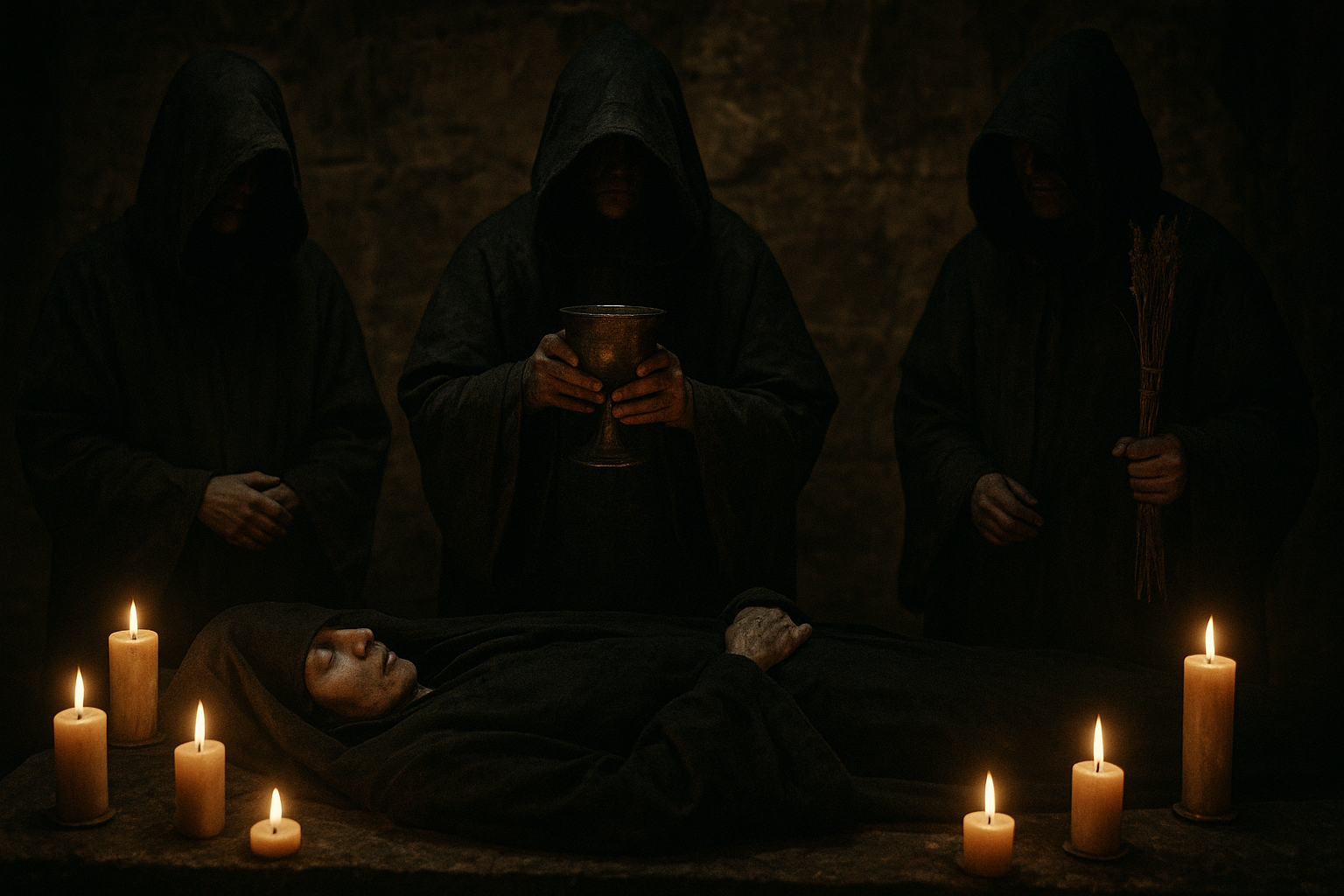
    Throughout history, the concept of death has been approached with a myriad of rituals and beliefs, demonstrating humanity’s diverse cultural tapestry. Among these rituals, the “arcane funeral” represents an intriguing intersection of mortality, spirituality, and mythology. This article explores the “Petit Mort,” or “little death,” within the ritual context, touching upon its meanings, applications, and cultural significance.

    Understanding “Petit Mort”

    Petit Mort, a French term literally translating to “little death,” is most often interpreted in contemporary contexts to describe the brief loss or alteration of consciousness that is post-orgasm. Sigmund Freud famously regarded it as a fleeting glimpse of the death instinct, a concept he called Thanatos.

    “The goal of all life is death.” – Sigmund Freud, Beyond the Pleasure Principle

    While modern references to Petit Mort are often secular and intimate in nature, the term’s deeper esoteric and philosophical significance cannot be ignored. It lends itself well to discussions around arcane death rituals precisely because it encapsulates the essence of transition—a moment when one is poised between existence and non-existence.

    The Metaphorical Arcane Funeral

    The notion of an arcane funeral extends beyond mere physical death; it bridges the world of the living with the metaphysical realm. In various rituals, death is not solely an end but a transformative commencement. Here are prominent cultural perspectives:

    • Egyptian Funerary Practices: Ancient Egyptians believed in an elaborate journey to the afterlife. The deceased had to undergo a series of rituals and transformations, such as the “Opening of the Mouth” ceremony, to be able to speak and eat in the next world. This was their own form of Petit Mort, a necessary passage to the eternal life [Smithsonian Magazine].
    • Tibetan Sky Burial: Practiced in regions with limited agriculture, the sky burial is a practical and symbolic act wherein the body is given to the elements, emphasizing the transient nature of life. It is a ritualistic “little death,” acknowledging the deceased’s connection to the universe and the cycle of life [National Geographic].
    • Mesopotamian Underworld Journey: The Mesopotamians had a vivid conception of the afterlife, where the deceased underwent a series of challenges in the underworld to reach peace. The myth of Inanna’s descent embodies this journey, parallel to the concept of Petit Mort [Wikipedia].

    Psychoanalytic and Philosophical Aspects

    The psychoanalytic ideologies posit that each “little death” represents a deeper understanding, a knowledge that stems from confronting our mortality. Carl Jung, for instance, viewed death not only as a literal event but a symbol of psychological transformation.

    “The soul itself is fundamentally a fantasy phenomenon. By virtue of this detachment it can, if ever so little, escape from the net of the inescapable.” – C.G. Jung, Collected Works

    This symbolic intersection of life and death in arcane contexts becomes a tool for understanding existential questions and spiritual growth. Petit Mort, therefore, serves as a microcosm of life’s cyclical nature, a profound acknowledgment of the beginning embedded within the end.

    Modern Interpretations and Applications

    In contemporary spiritual and psychological practices, the concept of Petit Mort and arcane funerals have found new relevance. Practices like meditation, transcendental experiences, and existential therapy often use symbolisms of small deaths to achieve greater self-awareness and healing.

    Many spiritual retreats incorporate the symbology of death and rebirth as a part of their curriculum, encouraging participants to shed their previous selves and embrace a new phase of conscious life. These exercises reinforce the idea that acknowledging continuous, small transitions enhances one’s life journey.

    Conclusion

    The arcane funeral, interpreted through the lens of the Petit Mort, reflects the non-linear passage of life, a motif recurring throughout history and across cultures. These rituals and beliefs underscore humanity’s quest for understanding life and death—a testimony to our intrinsic curiosity about what lies beyond.

    As we continue to evolve in our spiritual and existential quests, the metaphysical contemplation of these “little deaths” within rituals will undoubtedly remain a powerful force that influences how we cope with the enigma of death and celebrate the continuum of life. Embracing the duality of life and death, as arcane rituals suggest, enables us to transcend the trivial and touch upon the profound mysteries of existence.

  • Petit Mort Rituals – Death as Ecstasy

    Petit Mort Rituals – Death as Ecstasy

    The phrase petit mort, which translates to “little death” in French, poetically captures the moment of intense physical or emotional release found in certain human experiences, most notably during orgasm. However, beyond its sexual connotation, the idea of petit mort opens a fascinating dialogue on the interplay between life and death, and how cultures around the world ritualize this symbolic dance.

    Historical Context

    Throughout history, societies have crafted rituals that meld ecstasy with existential themes. In ancient Dionysian rites, for instance, participants engaged in ecstatic dances and frenzied worship that symbolically traversed the terrain between life and death. As noted in Britannica, these rites celebrated Dionysus, the god of wine and ecstasy, showing how deeply interconnected the experiences of vitality and mortality were perceived to be.

    Rituals of Ecstatic Abandon

    • African Traditions: In various African cultures, rituals facilitated by rhythmic drumming and dance aim to transcend the ordinary. During these moments, participants are said to experience communion with ancestors or spirits, echoing the idea of small, symbolic deaths and rebirths in a spiritual sense.
    • Sufi Whirling: Among the Sufi mystics, whirling is a form of physically intense movement intended to bring practitioners closer to the divine. This transcendence mirrors a petit mort, as the seekers temporarily die to their worldly selves to experience an ecstatic union with Allah.

    Modern Interpretations

    In contemporary thought, the concept of petit mort can be viewed through the lens of existential philosophy. Albert Camus, in his exploration of the absurd, pondered the ephemeral nature of life and the brief moments of reprieve that make human existence bearable. As Camus famously wrote, “We must imagine Sisyphus happy” (Source), suggesting that joy in the face of futility is itself a form of ecstasy akin to the petit mort.

    Conclusion

    “To die before you die,” a Sufi saying, encapsulates this concept beautifully, urging individuals to embrace death’s lesson of impermanence to appreciate life fully.

    Thus, petit mort rituals are not mere cultural curiosities. They offer profound commentaries on the human condition, reminding us that in the acceptance of death, we may find deeper ecstasy and thus, a fuller life.

  • Petit Mort Pathways – Death in the Microcosm

    Petit Mort Pathways – Death in the Microcosm

    In the vast expanse of the universe, life and death often present themselves in grand, monumental terms. Yet, the same cycle unfolds within the subtle realms of the microcosm, where the lifespan and demise of microorganisms carry profound implications. This delicate dynamic presents a fascinating perspective on the notion of petit mort—the “little death”—in realms otherwise unnoticed by the naked eye.

    The Vital Role of Microorganism Death

    Microorganisms, though microscopic, play an enormous role in maintaining ecological balance. “Microbial death is not merely the cessation of life, but a transformative event that affects entire ecosystems,” notes Dr. Sarah Greene, a microbiologist at the University of California. The death of these entities can result from natural causes, environmental shifts, or anthropogenic impacts.

    When microorganisms die, they contribute to nutrient cycling, releasing essential elements back into the environment. This process, known as decomposition, supports the growth of plants and the health of ecosystems. In this regard, even the end of life fosters new beginnings—a fundamental principle of ecology.

    Death’s Influence on Biodiversity

    The impact of microorganism death extends to biodiversity. In the diverse communities of soil and aquatic environments, species’ deaths can alter competitive dynamics, promoting stability or accelerating shifts in population structures. According to a study published in Nature, “The turnover and death of microorganisms contribute significantly to the resilience of microbial communities.”

    “Just as the death of a star influences the cosmic balance, so too does the death of microorganisms affect the intricate web of life on Earth.” – Journal of Microbial Ecology

    An Oft-Ignored Biological Phenomenon

    Despite their crucial functions, the significance of microbial death is often overshadowed by their various symbiotic and pathogenic interactions with larger organisms. However, focusing solely on their life activities misses the vital contributions their demise brings. As interest in microbial ecology grows, so does the understanding of microbial death’s role in global processes like carbon cycling and climate regulation.

    Implications for Future Research

    As research delves deeper into the pathways of microbial life and death, potential applications emerge in bioengineering, waste management, and agriculture. Harnessing the natural mechanisms of decomposition and nutrient release could innovate approaches to soil fertility and carbon sequestration.

    In summation, while the concept of petit mort in human culture often refers to a metaphorical death, the literal little death of microorganisms reveals itself as a pillar of life across Earth’s ecosystems, charting pathways to understanding and sustaining the natural world.

  • Depersonalized Archetypes – Identity in Shadow

    Depersonalized Archetypes – Identity in Shadow

    In the realm of psychology and philosophy, archetypes are regarded as universal symbols or images that derive from the collective unconscious, a concept extensively explored by Carl Jung. These archetypes appear in various myths, stories, and symbols across different cultures. However, in modern society, these archetypes face depersonalization, creating a struggle for genuine identity in what can be described as the shadow of popular culture.

    The Nature of Archetypes

    Archetypes, as Carl Jung famously delineated, are “forms or images of a collective nature which occur practically all over the earth as constituents of myths and at the same time as autochthonous, individual products of unconscious origin”. These universal symbols provide a framework for understanding human experiences and the deep-seated psychological patterns that drive behavior.

    Some well-known archetypes include the Hero, the Mother, the Sage, and the Shadow. Each plays a significant role in shaping the stories we tell and the characters we create, illustrating the fundamental human conditions and life stages.

    The Impact of Modern Mass Media

    In contemporary society, the rise of mass media has contributed significantly to the depersonalization of these archetypes. As media channels powerfully repackage and project archetypal images, they often become diluted or oversimplified, detaching from their profound psychological roots.

    “Every archetype has an inherent fragment of energy that the media exploits. Often, this is done superficially, stripping the depth to appeal to broader audiences,” notes Dr. Marianne Kotov, a psychologist who specializes in media influence on identity.

    This commercialization leads to stereotypes more than a nuanced understanding of human existence, impacting personal identities, especially among younger generations.

    The Shadow Aspect of Identity

    The most intriguing of Jungian archetypes is undoubtedly the Shadow, representing the unconscious and often darker side of our personality. The Shadow contains repressed weaknesses, desires, and instincts, symbolizing all that society deems unacceptable.

    In Jung’s words, it is “the thing a person has no wish to be.” Nonetheless, facing the Shadow is critical for personal growth and self-awareness. In the chaotic whirlwind of modern identity, coming to terms with one’s Shadow fosters a genuine sense of self.

    Navigating Identity in the Age of Depersonalized Archetypes

    While depersonalization of archetypes through media streams presents challenges, it also calls for awareness and mindfulness in navigating one’s identity. Here are some approaches to maintaining authentic individuality:

    • Awareness of Stereotypes: Recognize and critically analyze the stereotypes portrayed in media. Understanding these frameworks helps in discerning personal values and beliefs.
    • Engage in Shadow Work: Explore your Shadow through reflection and psychoanalytic techniques. Embrace vulnerability to better understand hidden desires and fears.
    • Connect with Personal Myths: Delve into personal and cultural stories that resonate with your life’s journey, distinguishing your genuine path from superficial narratives.
    • Cultivate Critical Thinking: Approach media and cultural outputs with skepticism, seeking the deeper meanings behind prevalent archetypes.

    Reflecting Archetypes in Personal Growth

    Rediscovering and integrating authentic archetypes can deeply enhance personal growth and societal roles. When individuals connect with the intrinsic meanings of these patterns, they unlock potentials beyond mass-marketed personas.

    Joseph Campbell, in his discussions on the hero’s journey, posits that each person’s life unfolds like a myth. “We must be willing to get rid of the life we’ve planned, so as to have the life that is waiting for us.” Acknowledging and embracing archetypes allows this transformational process to unfold.

    Reflecting on archetypes, especially the depersonalized ones, requires a journey inward. By doing so, individuals can transcend mere survival in a world of stereotypes, discovering a deeper connection with the human experience.

    For further exploration on this topic, visit Simply Psychology for an in-depth exploration of Carl Jung’s theories and their impact on identity.

    Conclusion

    The delicate dance between archetypes and personal identity is ongoing in the shadow of modernity. By recognizing the influences that shape our personas and the fundamental archetypes that dwell below the surface, we can liberate ourselves from the superficial realms of identity. This journey may well illuminate who we truly are—not just in the shadows, but in the consciousness of personal awakening.