Tag: life

  • Entropy as God – Science’s Final Word on Death

    Entropy as God – Science’s Final Word on Death

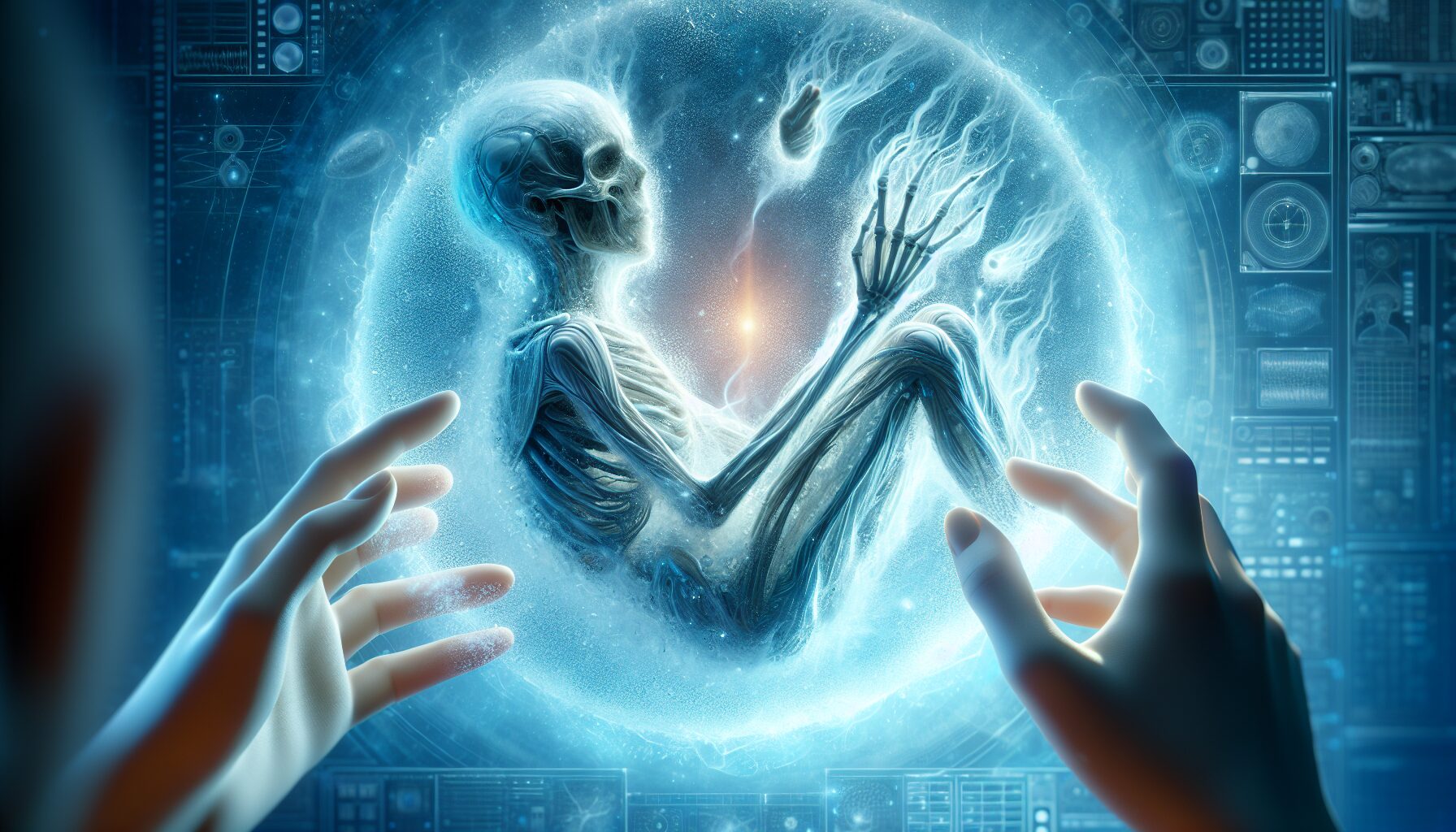
    In the grand tapestry of existence, the concept of entropy weaves through both the fabric of the universe and the essence of human life. Often synonymous with disorder and decay, entropy may be perceived as nature’s ultimate verdict on mortality. As the scientific lens brings clarity to the complex nature of entropy, it unveils perspectives that challenge our understanding of death and, perhaps, transcendence.

    The Science of Entropy

    Entropy, a core principle of the second law of thermodynamics, is a measure of the amount of disorder or randomness in a system. The second law posits that in an isolated system, entropy tends to increase over time. This universal tendency towards disorder is the driving force behind many natural processes, from the melting of ice to the eventual heat death of the universe. In terms of physics, entropy is quantified in joules per kelvin, capturing the dispersal of energy that marks each system’s journey towards thermal equilibrium.

    “Entropy is the ultimate metaphysical explanation of the world,” writes Philip Ball in Scientific American. “It drives home the point that day-to-day, and eventually existential, disorder is woven into the fabric of natural law.”

    The Role of Entropy in Life and Death

    For living organisms, entropy manifests in the gradual breakdown of structures and processes. Biological systems, while highly ordered, are not exempt from the universal journey toward disorder. Cellular structures decay, entropy increases, and the once orderly arrangement of matter dissolves, culminating in the end we call death.

    According to a study published in Nature, the concept of programmed decay, where organisms age and eventually die, can be viewed as nature’s method of recycling energy. Thus, life and death are not diametric opposites but rather fluctuating states within the ceaseless dance of entropy.

    Spiritual Parallels and Entropy as “God”

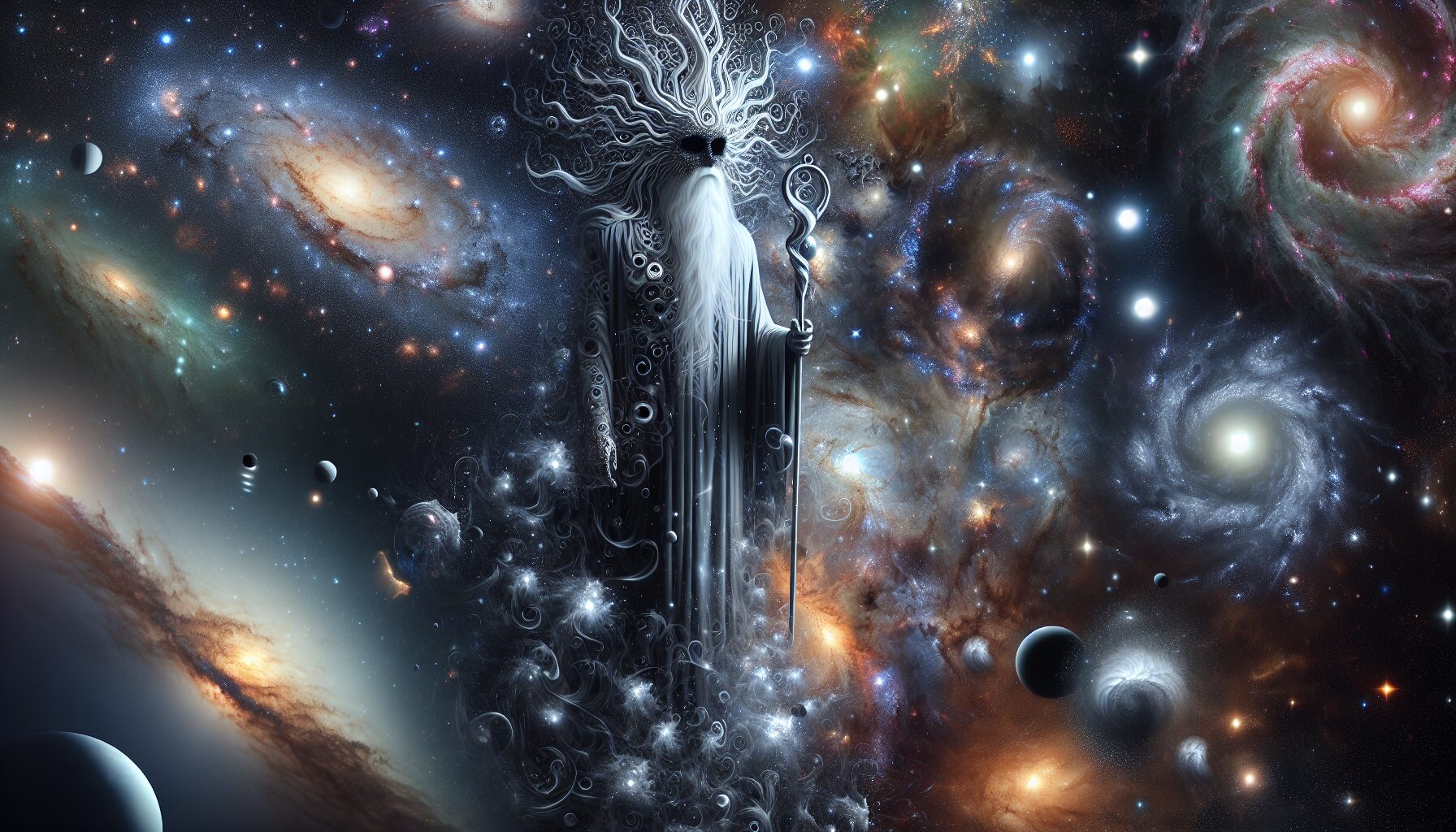
    The philosophical implications of entropy stretch beyond scientific discourse and into the realm of spirituality. If entropy dictates the inception, evolution, and conclusion of the universe, it becomes analogous to a divine force—what some might call “Entropy as God.” It embodies omnipresence, omniscience, and the all-encompassing passage of time.

    “When you consider entropy not as an enemy but as a law-like expression of natural order, it takes on an almost divine essence,” notes physicist Ethan Siegel at Forbes. “It reminds us of the impermanence and yet paradoxically eternal cycle of creation and decay.”

    Challenging the Finality of Death

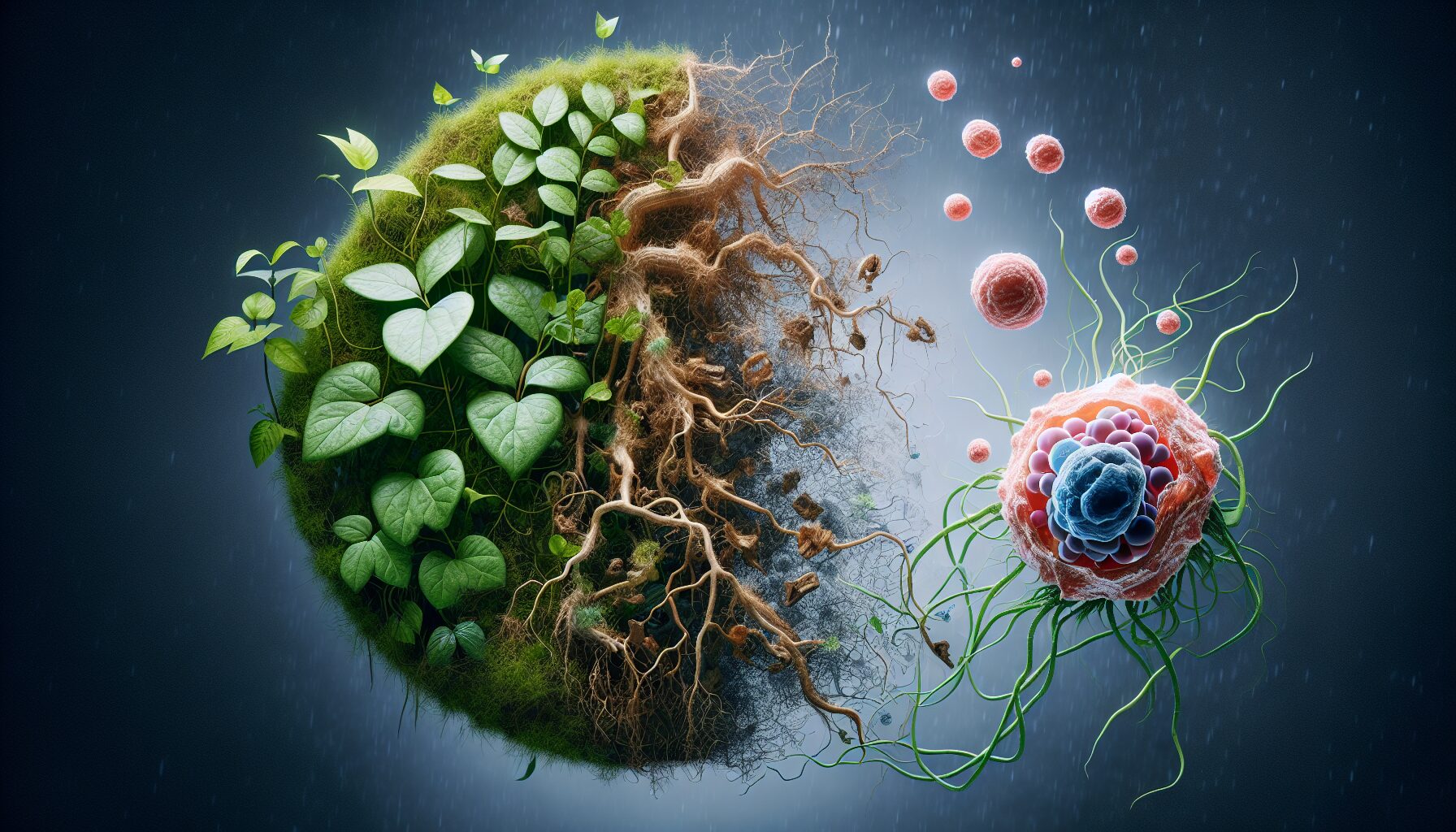
    While entropy defines life’s finite nature, it also opens doors to new forms of philosophical and existential exploration. If viewed through the lens of ongoing transformation rather than termination, death becomes a transition rather than an absolute end. As each organism dissolves back into the universe, it surrenders its ordered structure yet perpetuates a cycle that fuels new life.

    The cycle of life, death, and rebirth is not foreign to spiritual teachings across cultures. The Hindu concept of Samsara—the cycle of death and rebirth—is a compelling parallel to the scientific interpretation of entropy. Entropy and spiritual rebirth converge in their acknowledgment of continuous, cosmic metamorphosis.

    Implications for the Future

    As science advances, the understanding of entropy and its broader implications continues to evolve. While death remains an absolute in the biological sense, the entropic perspective provides a holistic view of existence that shines a different light on mortality. Within the enormity of the universe, our roles are part of an overarching and interconnected process—essential components within an eternal cycle.

    For scientists and thinkers alike, embracing entropy as a guiding principle could pave the way to revolutionary insights into the universe’s nature. As we unravel the mysteries of our existence, let us consider that entropy, far from being an end, may represent the inexhaustible potential of cosmic reinvention.

    The dance with entropy is one we all share, thus prompting the question: in viewing entropy as “God,” can it transform how we perceive our mortal passage through life into death? In this lens of eternal transformation, perhaps our final moments are not a silence but a continuation—a thread within the larger weave of the universe.
  • The Physics of Silence – Death as the Absence of Vibration

    The Physics of Silence – Death as the Absence of Vibration

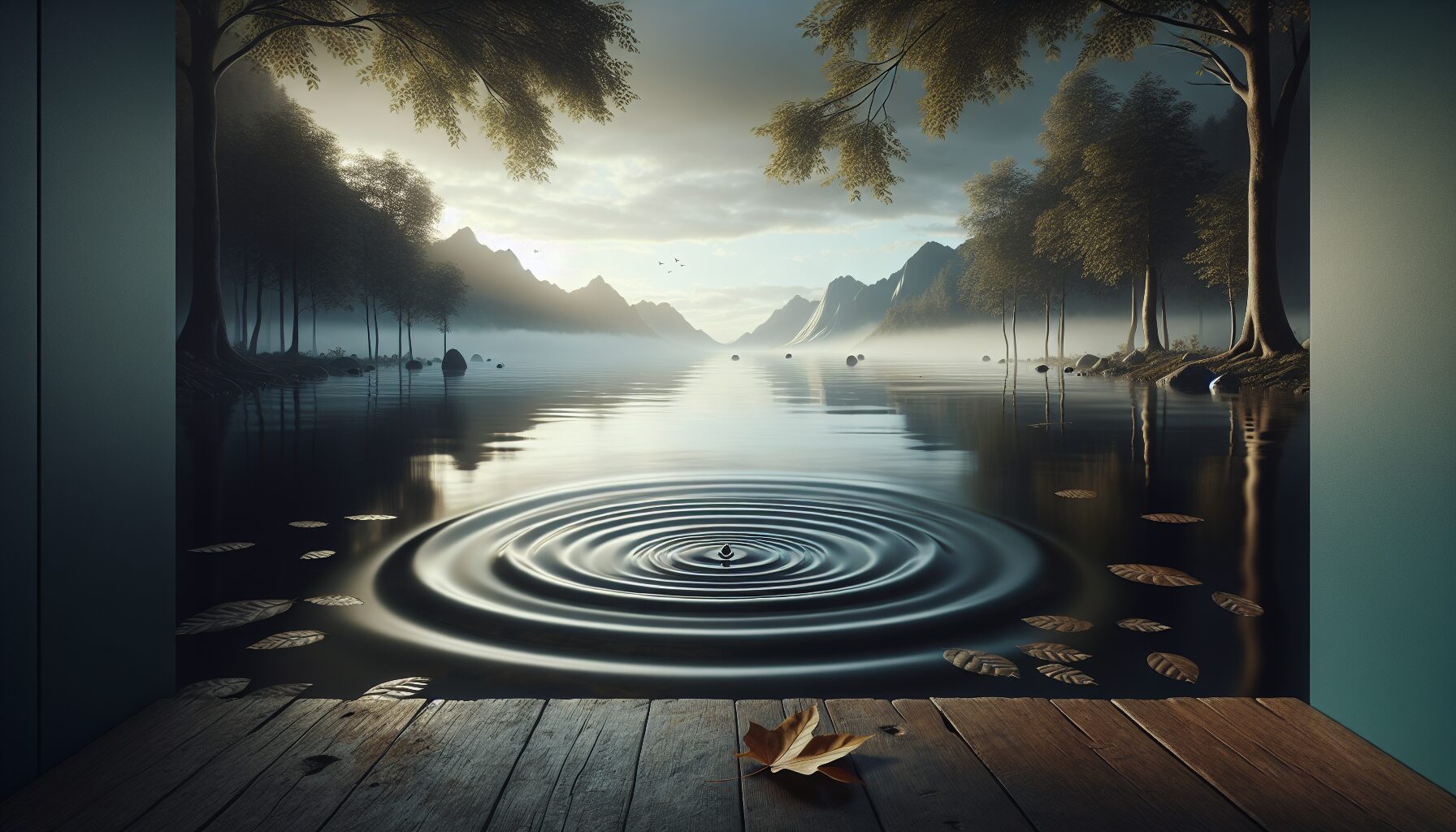
    In the realm of physics, every particle, every atom, is in a perpetual state of motion. This movement, a continuous dance among molecular structures, is what defines the very essence of life. When we think about life, we often associate it with sound, movement, and energy. Silence, therefore, can be viewed as an antithesis of life, and in an abstract sense, death can be perceived as the ultimate silence—the complete absence of vibration.

    The Concept of Silence in Physics

    Silence is commonly understood as a lack of audible sound. However, in physics, silence can be more precisely described as an absence of wave vibrations within a particular spectrum detectable by the human ear, typically between 20 Hz to 20 kHz. Yet, true silence in the physical universe is unachievable because, on a microscopic level, everything oscillates.

    • At the atomic level, particles are in constant motion.
    • Even at absolute zero, where classical physics taught us that motion stops, quantum mechanics shows us that particles still possess zero-point energy and continue to fluctuate.

    Vibration and the Essence of Life

    One could argue that vibration is the essence of life itself. Biologically, life is sustained through a series of vibrations and oscillations. The human heart beats due to electrical impulses causing heart muscles to contract. Our neurons communicate through the transmission of electrical signals—again, a form of vibration.

    Thus, life can be conceived as a symphony of cellular vibrations and electromagnetic interactions that create the vibrant tapestry of living organisms. As Dr. Martin Blank of Columbia University elucidates, “Living cells are electromagnetic units… these electromagnetic forces within cells provide the energy needed for cell division, breathing and all life processes” (Biorepository, 2005).

    Death and the Cessation of Oscillation

    With death comes the cessation of these life-sustaining vibrations. When biological systems stop vibrating in their life-sustaining patterns, the organism ceases to live. Hence, death is frequently described as the “end of vibrations” within an organism’s biological framework.

    “The energy of any system that is at rest, or dead, is a measure of the absence of energy swaps, of vibrations within and outside the system that characterize the living state” (The Nature of Life, Schrödinger, 1944).

    As Schrödinger implies, while a deceased body may lie still, devoid of life’s energy exchanges, the particles themselves continue to resonate. This is what makes the concept of absolute silence—a complete systemic halt—near impossible.

    Philosophical Perspectives on Silence and Death

    From a philosophical lens, silence can be viewed as both daunting and profound. Many resonate with the idea encapsulated in the words of Aldous Huxley: “After silence, that which comes nearest to expressing the inexpressible is music.” Silence, in its purest form, challenges our understanding of existence and the universe which is inherently dynamic and vibrative.

    Death, seen through this prism, is an ultimate, inevitable silence that humanity both fears and respects. Philosophers have long debated whether this silence is indeed a void or a transition to another state of being—a cessation of known vibrations but perhaps the beginning of an unknown frequency.

    The Unachievable Silence of the Universe

    As we expand our understanding of the universe, it becomes apparent that silence itself is paradoxical. While we can conceptualize and even seek silence, absolute silence is fundamentally unattainable. The universe is a tapestry of vibrations of varying magnitudes and frequencies, from the low rumble of cosmic microwave background radiation to the high-frequency chirps detected by LIGO from distant colliding black holes.

    On Earth, while localized silences—such as anechoic chambers that absorb sound waves—can provide intense personal experiences of silence, it is but an illusion of the universal vibrations still happening just beyond those walls.

    Conclusion

    Ultimately, the physics of silence teaches us that life and death, vibration and quietude, are not absolute states but rather points along a continuum of motion and stillness. Death as the absence of vibration is in some sense a redirection rather than a termination. Understanding this concept bridges the gap between our existential ponderings and the tangible mechanics of the universe.

    Thus, the silence that accompanies death is less an end and more a transformation—a shift in the cosmic vibrations from which we all, even temporarily, derive our existence.

  • Viruses as Eternal Life – Living Through Deathly Hosts

    Viruses as Eternal Life – Living Through Deathly Hosts

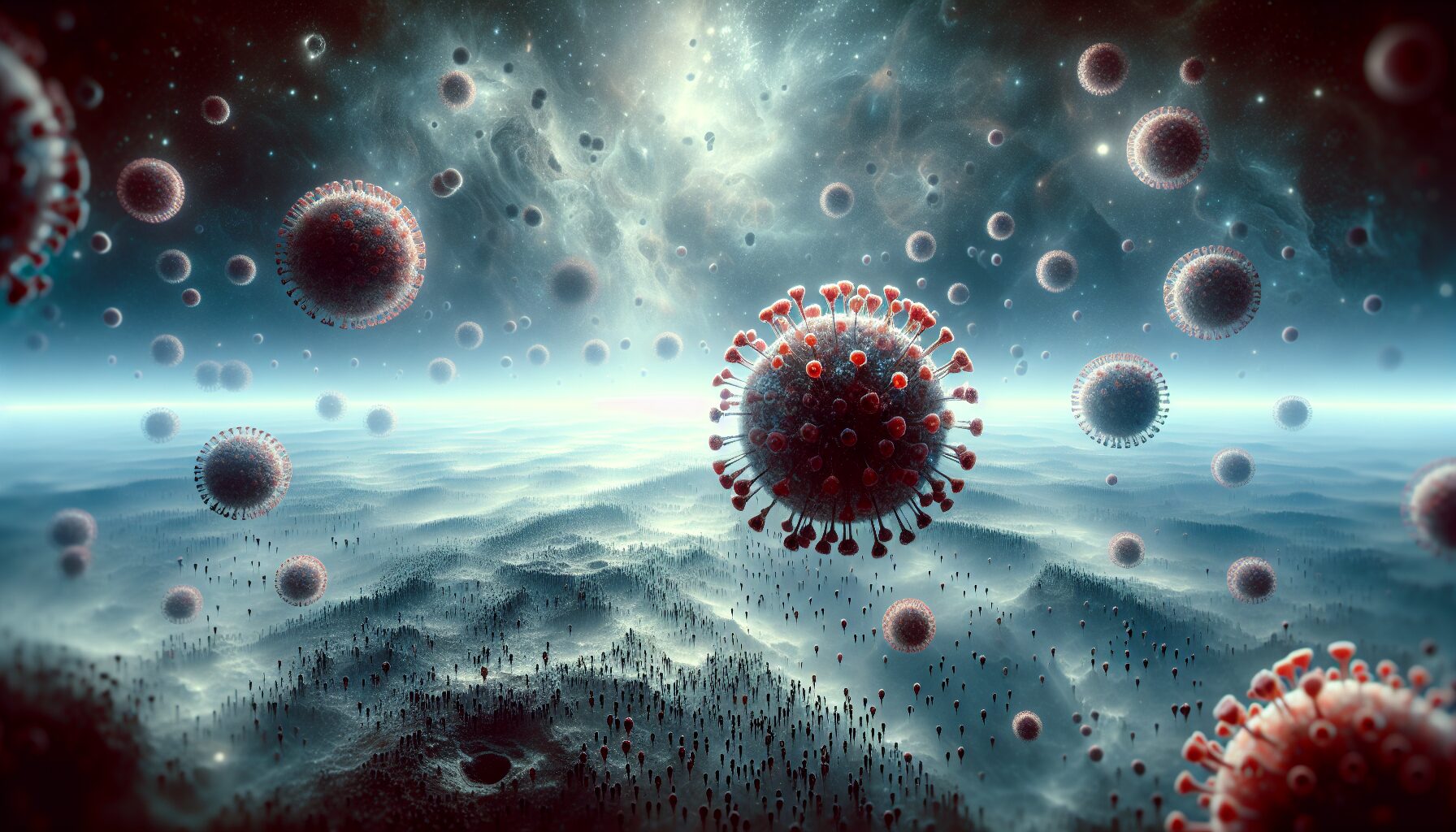
    In the intricate web of life on Earth, viruses occupy a unique and oddly misunderstood position. Unlike bacteria or larger organisms, viruses are not considered “alive” in the traditional sense. However, their interactions with their hosts reveal a complex relationship that blurs the line between life and death. This paradoxical existence fuels the notion of viruses as a form of eternal life, perpetuating their existence through the creatures they infect.

    The Quintessential Paradox: Alive Yet Not Alive

    Viruses are intriguing entities, existing in a gray area between living and non-living. They are composed of genetic material encapsulated within a protein coat, but lack the necessary cellular machinery to reproduce independently. Instead, they must invade a host cell, hijacking its biochemical processes to make new virus particles. This reliance on the host opens up debates on the definition of life itself.

    “Viruses do not meet most of the criteria that scientists have agreed are needed for something to be considered alive,” said the National Center for Biotechnology Information. “However, they can reproduce and mutate, which are characteristics usually associated with living organisms.”

    Viruses: Masters of Evolution

    Despite their simplistic structure, viruses are among the most effective agents of evolution in the natural world. By integrating their genetic material with that of their hosts, they introduce new genetic variations, potentially conferring advantages or exposing vulnerabilities. This incorporation often drives evolutionary change, leading to new traits that may benefit both the virus and the host or, conversely, lead to the host’s demise.

    The rapid replication rates and mutation capabilities of viruses allow them to adapt swiftly to changing environments. This adaptability ensures their survival across hostile conditions and contributes to their seeming immortality. According to scientists at the University of California, Berkeley, “Viruses are the ultimate biological survivors, continually adapting to exploit new hosts and mediums.”

    Lifeblood of Ecosystems

    In ecosystems, viruses play a crucial role in maintaining balance. They regulate populations by infecting and controlling the abundance of other organisms, particularly microorganisms in oceans, contributing significantly to the global carbon cycle. Nearly 20% of the ocean’s microbial biomass is killed daily by viruses, releasing nutrients back into the marine ecosystem.

    By regulating the dynamics of microorganisms, viruses indirectly support life cycles and biodiversity. Their actions influence the availability of resources and the balance of ecosystems, underscoring their dual role as both creators and destroyers.

    Evolutionary Arms Race

    Viruses and their hosts are engaged in a constant evolutionary arms race, each evolving new strategies to outmaneuver the other. This ongoing battle drives the development of elaborate defense mechanisms in hosts, including the intricate immune systems seen in humans and animals. In return, viruses evolve sophisticated methods to evade these defenses, ensuring their survival and propagation.

    The Philosophical Perspective: Life After Death

    From a philosophical standpoint, viruses challenge our understanding of life and death. By extending their existence through their hosts, they epitomize a form of ‘living’ that transcends conventional boundaries. As Richard Dawkins, renowned evolutionary biologist, put it, “When we die, our bodies give rise to other life forms. In a way, viruses continue to live through us, weaving fragments of their existence into the tapestry of life.”

    The Future of Viral Research

    As our understanding of viruses grows, so too does our ability to harness their unique properties for beneficial purposes. Researchers are exploring viral applications in biotechnology and medicine, such as using genetically modified viruses to target and destroy cancer cells or deliver therapeutic genes to treat genetic disorders.

    Ultimately, the study of viruses offers a glimpse into the resilience and adaptability of life itself. Through their complex interactions with hosts, they continue to shape and redefine our understanding of biology, evolution, and existence.

    The paradox of viruses as eternal life forms raises profound questions about the nature of life and death, urging us to reconsider our definitions and embrace the intricacies of biological existence.

  • Immortality Projects – Scientific Attempts to Escape Death

    Immortality Projects – Scientific Attempts to Escape Death

    Immortality Projects: Scientific Attempts to Escape Death

    The quest for immortality has been a central theme in myths and legends across cultures for millennia. Today, this age-old dream has entered the realm of scientific exploration and technology innovation. Researchers and visionaries are relentlessly pursuing methods to prolong human life indefinitely. While true immortality remains elusive, there are several groundbreaking “immortality projects” underway that illustrate humanity’s enduring desire to escape the grip of death.

    The Science and Technology Behind Immortality

    Advances in biotechnology and medicine have opened up new avenues for extending human lifespan. Researchers are exploring a variety of approaches to combat aging and disease, which are often viewed as the natural precursors to death. Here are some of the most prominent scientific pursuits:

    • Genetic Manipulation: Discoveries in genetics have fueled interest in altering human DNA to slow down or reverse the effects of aging. Scientists are investigating how genes linked to longevity might be manipulated or switched on and off. CRISPR technology, a revolutionary gene-editing tool, has shown potential in making precise genetic modifications.
    • Tissue Regeneration: The ability to repair or replace damaged tissues is seen as a key to extending life. Stem cell research is at the forefront of this effort. By understanding how to effectively utilize stem cells, scientists hope to regenerate organs and bodily systems, thereby prolonging life.
    • Nanotechnology: At the subatomic level, nanotechnology offers the possibility of repairing cells and tissues on a microscopic scale. Futuristic concepts envision nanobots swimming through the bloodstream to identify and fix cellular damage, effectively halting aging in its tracks.

    Digital Immortality: Preserving Consciousness

    Beyond biological solutions, the concept of digital immortality offers an intriguing twist to the immortality quest. This idea involves the preservation of one’s personality, thoughts, and memories in a digital format that may outlive the physical body. Some of the key efforts in this domain include:

    • Mind Uploading: Scientists and technologists are exploring the theoretical possibility of transferring human consciousness to a digital medium. This so-called “mind uploading” would allow a person’s identity and experiences to continue existing in a non-biological form. Although still largely speculative, proponents believe advancements in neuroscience and computing could one day make this a reality.
    • AI and Machine Learning: Efforts are underway to create digital avatars powered by artificial intelligence that replicate an individual’s personality. These avatars could sustain engagement with the digital world after the biological self has ceased to exist.

    “The idea of ‘immortality as a code’ is fascinating — the thought that we could transcend physical limitations by preserving our digital selves,” states Dr. Meredith Vaughn, a digital ethicist. “However, we must consider the ethical implications of such technology.”

    Ethical and Philosophical Considerations

    The pursuit of immortality raises profound ethical and philosophical questions. The potential societal impacts of significantly extending human life or achieving digital immortality are vast:

    • Socioeconomic Implications: If immortality were accessible to only the wealthy, it could exacerbate existing inequalities. The prospect of an elite class of undying individuals poses moral dilemmas regarding fairness and resource allocation.
    • Identity and Continuity: Would a digitally uploaded consciousness still be the same person? Philosophers and ethicists ponder the implications of consciousness preservation, questioning whether continuity of identity can genuinely be maintained outside the biological frame.
    • Population and Resource Strain: With extended lifespans, the ramifications for the planet’s resources and ecosystems must be considered. The potential ecological footprint of a longer-living population is a significant factor in the discussion of immortality technologies.

    The Road Ahead

    While the dream of immortality continues to inspire, it is also met with skepticism. Scientific and technological advancements thus far hint at incredible possibilities, yet hurdles remain both in the laboratory and in societal consensus on how to deploy such advancements ethically and equitably.

    “We are at the crossroads of redefining what it means to be human,” says Dr. Leon Granville, a futurist. “Pursuing immortality pushes the boundaries of science and ethics to new frontiers.”

    In conclusion, the expedition toward immortality remains an enthralling narrative of human aspiration. Whether through biological means, digital innovation, or a combination of both, the coveted escape from death challenges humanity to rethink its most fundamental understandings of life, mortality, and legacy.

  • DNA as Ghost Code – The Persistence of Information Beyond Death

    DNA as Ghost Code – The Persistence of Information Beyond Death

    DNA as Ghost Code – The Persistence of Information Beyond Death

    DNA as Ghost Code – The Persistence of Information Beyond Death

    In the quest to understand life and its enigmatic end, scientists have increasingly turned to the microscopic strands of DNA, revealing fascinating perspectives on the concept of biological immortality. DNA, the molecule that carries the genetic instructions for the development, functioning, growth, and reproduction of all known living organisms, holds within it a mysterious potential: the persistence of information beyond death.

    “DNA neither cares nor knows. DNA just is. And we dance to its music.” — Richard Dawkins

    The Digital Code of Life

    DNA has often been likened to a digital code, where the sequence of four nucleotides—adenine (A), thymine (T), cytosine (C), and guanine (G)—forms the language of life. This genetic script encodes the biological instructions that dictate the growth and maintenance of an organism. However, what happens to this information after death?

    Beyond the Physical

    While an organism may cease to exist in a corporeal sense, its genetic material can persist, affecting subsequent generations and ecosystems. Epigenetics, a field focusing on the changes in gene expression rather than alteration of the genetic code itself, further highlights how ancestral DNA continues to influence the present. As an article in Nature suggests, our genes carry echoes of our ancestors’ experiences, navigating through time and expressing themselves in contemporary biology.

    The Metaphor of Ghost Code

    The metaphor of DNA as “ghost code” underscores its spectral nature. Although the body decomposes, DNA frequently survives, often being retrieved from bones, teeth, and even soil. In archaeological contexts, this has allowed scientists to reconstruct genomes from long-dead species, as shown in the groundbreaking sequencing of the Neanderthal genome.

    Implications for the Future

    Understanding DNA as ghost code opens many doors for both science and philosophy. It challenges us to reconsider our definitions of life and death while enriching fields from forensic science to conservation biology. By recognizing the enduring legacy embedded in our genes, we gain insights into not only our past but our potential future—perhaps forecasting the shape of life yet to come.

    As we unravel the mysteries of our genetic heritage, DNA proves to be more than a static blueprint. It is a dynamic entity, resonating with the lives of those who came before us, a ghostly reminder of an eternal biological conversation.

  • Time Dilation and Death – Relativity at the Edge of Life

    Time Dilation and Death – Relativity at the Edge of Life

    Time Dilation and Death: Relativity at the Edge of Life

    In the realm of astrophysics and human experience, there is a curious intersection where time itself becomes as mutable as our understanding of life and death. This article explores the fascinating concept of time dilation, its roots in Einstein’s theory of relativity, and how it metaphorically—and sometimes literally—relates to the edges of human existence.

    The Roots of Time Dilation

    Time dilation, a cornerstone of Albert Einstein’s Theory of Relativity, is the idea that time passes at different rates for observers who are in different states of motion, or differing gravitational fields. This groundbreaking concept was introduced with the publication of Einstein’s Special Theory of Relativity in 1905, and subsequently, the General Theory of Relativity in 1915.

    “The faster you move through space, the slower you move through time,” explains astrophysicist Neil deGrasse Tyson. “That is time dilation in a nutshell.”

    • Velocity Time Dilation: As an object approaches the speed of light, time relative to a stationary observer slows down.
    • Gravitational Time Dilation: In stronger gravitational fields, time moves more slowly when compared to a position with a weaker gravitational field.

    These effects have been confirmed through rigorous experiments and observations, including measurements involving GPS satellites that adjust for time dilation effects relative to Earth-bound clocks.

    Time Dilation at the End of Life

    While time dilation is often discussed in the context of cosmic phenomena or futuristic travel, it can also serve as a metaphorical lens through which to view the human experience—particularly at the end of life.

    In literature and philosophy, the moments before death are often described as times when the fabric of reality distorts. Life seems to expand into an eternity in a matter of moments. A phenomenon potentially explained by psychological time dilation, where significant emotional experiences slow our perception of time.

    “Time felt as though it had stopped, stretching infinitely as I stared into the face of eternity,” wrote novelist Michel Faber on a near-death experience.

    Psychological Time Dilation

    Psychological time dilation occurs when our internal clocks alter, typically during high-stress or enriching experiences. Researchers at Stanford University have studied this effect, noting that people in danger often report that “everything seemed to slow down”. The last moments—a metaphorical event horizon—can be filled with a richness of recollection and emotional intensity that makes time feel both endless and lightning-quick.

    Quantum and Consciousness

    Further adding to the enigma is the growing body of work linking quantum physics to human consciousness. Could the brain’s neural processes be subject to both psychological and quantum forms of time dilation during significant life events?

    Stanford physicist Roger Penrose and anesthesiologist Stuart Hameroff have pioneering theories correlating consciousness with quantum states in the brain, suggesting our perception of time could literally alter during profound moments.

    “The brain’s microtubules might serve as the seat for quantum computations influencing conscious awareness and perhaps perceived time,” suggests Hameroff in a 2021 interview.

    Time Dilation in a Medical Context

    Practically, understanding time dilation in a medical context can greatly aid in end-of-life care. Hospice and palliative care professionals often emphasize the holistic experience of time during the final stages of life. Recognizing a patient’s internal experience of time can lead to more empathetic and effective care approaches.

    • Extended Time Perception: Patients exhibit differently paced perceptions of time during imminent threats to existence, as documented in various case studies.
    • Cultural Perspectives: Various cultures have depicted death with time-stretching events, valuing the last moments as rich and significant.

    “Understanding and respecting the altered perception of time can truly change the way we provide care to those nearing the end,” notes Dr. Laura Saunders, a leading expert in geriatric care.

    Conclusion: Death on the Edge of Time

    Time dilation, whether experienced in outer space or the more intimate space of a hospital room, invites profound reflections on the nature of reality and our place within it. As we gain deeper insights into both the physical and psychological components of time, we may find ourselves better equipped to face the ultimate unknown with a sense of awe and greater understanding.

    The mysteries of time dilation remind us that time, much like life, is subjective and richly complex. Observing it through both scientific inquiry and human experience offers a unique tapestry of insights, granting us the humility to approach life’s final frontier with wonder.

  • Medical Death – Defining the Exact Moment of Ending

    Medical Death – Defining the Exact Moment of Ending

    In the realm of medical science, the concept of death has evolved significantly, both in terms of its definition and the precise moment it is recognized. As our understanding deepens, the criteria for determining the exact moment of death have become increasingly complex. This article delves into the intricate process of defining the end of life from a medical perspective.

    The Historical Perspective of Death

    In earlier times, death was often defined simply as the cessation of breathing and heartbeat. However, with advancements in medical technology, this definition has become more nuanced. The advent of organ transplantation and life-support systems has necessitated a clearer and more consistent definition of death.

    “The definition of death has significant personal and societal implications. It affects organ donation and transplantation, end-of-life care, and the determination of when to cease resuscitative efforts.”
    — The Journal of the American Medical Association

    The Modern Criteria for Death

    Today, death is defined by two primary standards: cardiopulmonary death and brain death.

    • Cardiopulmonary Death: This occurs when the heart stops beating and breathing ceases permanently. While historically this was the sole criterion, it is now often reevaluated depending on the context, particularly with the possibility of resuscitation.
    • Brain Death: According to the American Association of Neurological Surgeons, brain death is the “irreversible cessation of all brain function,” including the brain stem. This criterion has become particularly significant in cases involving life support, where a ventilator may maintain cardiopulmonary function despite the absence of brain activity.

    Challenges in Determining Brain Death

    Determining brain death involves a series of tests and examinations designed to confirm the absence of neurological activity. These include:

    • Coma Verification: The individual must be in an irreversible and profound state of unconsciousness.
    • Absence of Brainstem Reflexes: There must be no reactions such as pupil response to light, gag reflex, or response to pain.
    • Apnea Test: This confirms the absence of spontaneous respiration by disconnecting the patient from the ventilator and observing for any attempts to breathe.

    Despite these procedures, the interpretation and implementation of brain death criteria can vary across institutions and regions. According to a study published in the Lancet Neurology, inconsistencies exist globally, impacting the consistency and reliability of brain death diagnoses.

    The Ethical Dimension

    Death is not merely a medical event; it is deeply intertwined with ethical, cultural, and philosophical considerations. The determination of death, particularly brain death, often leads to profound ethical dilemmas for families and healthcare providers.

    “For many families, accepting brain death is challenging because the patient’s heart still beats, and the body appears warm and alive. This creates a contradiction between the clinical reality and the family’s perception.”
    — Journal of Medical Ethics

    These emotional challenges are compounded by potential conflicts between cultural and religious beliefs and the medical definition of death. Different cultures may have varying beliefs about what constitutes death, affecting acceptance and decision-making processes.

    Legal and Social Implications

    The determination of death has profound legal and social implications. Legally, death marks the end of an individual’s rights and responsibilities, impacting issues such as organ donation, life insurance, and inheritance. Socially, the recognition of death often marks the onset of grieving processes and the closure of life narratives for families and communities.

    In recent years, legal standards have generally aligned with medical criteria, recognizing both cardiopulmonary and brain death as legitimate definitions of death. However, controversies can arise when legal systems lag behind advancements in medical understanding and technology.

    The Future of Death Definition

    Technological advancements continue to redefine our understanding of life and death. Innovations in fields like artificial intelligence, biotechnology, and neuroscience could potentially alter the boundaries that define human existence.

    Looking ahead, the possibility of reversing brain death through novel scientific techniques, such as stem cell therapy or neural regeneration, poses challenging questions. When does an individual cease to exist if future technologies can restore life to previously irrecoverable states?

    “As science advances, the line between life and death may become increasingly blurred, leading to complex philosophical and ethical debates about the essence of humanity.”
    — The Lancet

    Conclusion

    The journey to understanding and defining the exact moment of death is a complex interplay of medical, ethical, and philosophical dimensions. As science and medicine continue to advance, it will be imperative to engage in an ongoing dialogue that includes healthcare professionals, ethicists, legal experts, and society at large. Such a dialogue is essential to responsibly navigate the profound implications of defining death in the modern world.

  • Cryonics – Freezing Death in the Hope of Future Life

    Cryonics – Freezing Death in the Hope of Future Life

    Cryonics, the practice of preserving individuals at low temperatures after death with the hope that future medical technology can restore them to life and health, sits at the intriguing intersection of science, hope, and philosophy. Though still largely in the realm of speculative science, it captivates the imagination, spurring debates about the possibilities and ethics surrounding the extension of life.

    The Science Behind Cryonics

    At its core, cryonics is based on the premise that everything about a person, including memory and personality, can be preserved by preventing the physical decay of the brain. Upon legal death, cryonics organizations use a method called vitrification to replace bodily fluids with cryoprotectants that prevent ice formation, thus preserving the cellular structure. The body is then cooled to approximately -196 degrees Celsius and stored in liquid nitrogen.

    According to the Alcor Life Extension Foundation, one of the leading cryonics institutes, “Cryonics is not an interment method but rather the first step of a process that aims to save lives and is justified by the expectation that continued technological and scientific progress will provide remedies to currently fatal conditions.”

    Ethical and Scientific Controversies

    Cryonics faces considerable skepticism both from the scientific community and the general public. Many cite the lack of direct evidence that it is possible to revive a person once frozen as a substantial barrier. Critical questions remain unanswered: Will future technology be able to repair damage caused by freezing? Will we ever fully reverse death?

    “At present, cryonics is not reversible and its success in preserving life cannot be proven,” notes Dr. Arthur Rowe, a skeptic of the practice. “It is a speculative venture that, absent breakthroughs in technology, offers no current prospects.”

    The Psychological Aspect

    Emotionally, cryonics taps into humanity’s perennial desire for immortality or life extension. For some, it is a comforting thought to contribute to the future where revival might be possible. For others, it is seen as an unnecessary grasp at prolonging life unnaturally.

    Ethical considerations also abound. There are debates over consent, the potential socio-economic implications of making such a technology available, and the philosophical quandaries of identity and consciousness in a world where revival becomes reality. As Dr. Anders Sandberg, a research fellow at the Future of Humanity Institute at Oxford University, puts it, “Cryonics forces us to face some fundamental questions about the definition of life and death.”

    Conclusion

    The future of cryonics remains uncertain, caught between scientific feasibility and fantasy. Yet, it continues to inspire exploration, highlighting human curiosity and longing for a future where science fiction might just become science fact. As the debate rages on, one certainty remains: cryonics will continue to challenge our perceptions of life, death, and what lies beyond.

  • The Microbiology of Rot – Life Feeding on Death

    The Microbiology of Rot – Life Feeding on Death

    Decomposition might not be the most pleasant of topics, but it is an essential ecological process that supports life in myriad ways. The microbiology of rot is a fascinating subject, demonstrating how death begets life. Behind this transformative firework of breakdown and rebuilding lies a complex web of microbes, working tirelessly to convert organic matter back into vital nutrients.

    The Microbial Orchestra of Decomposition

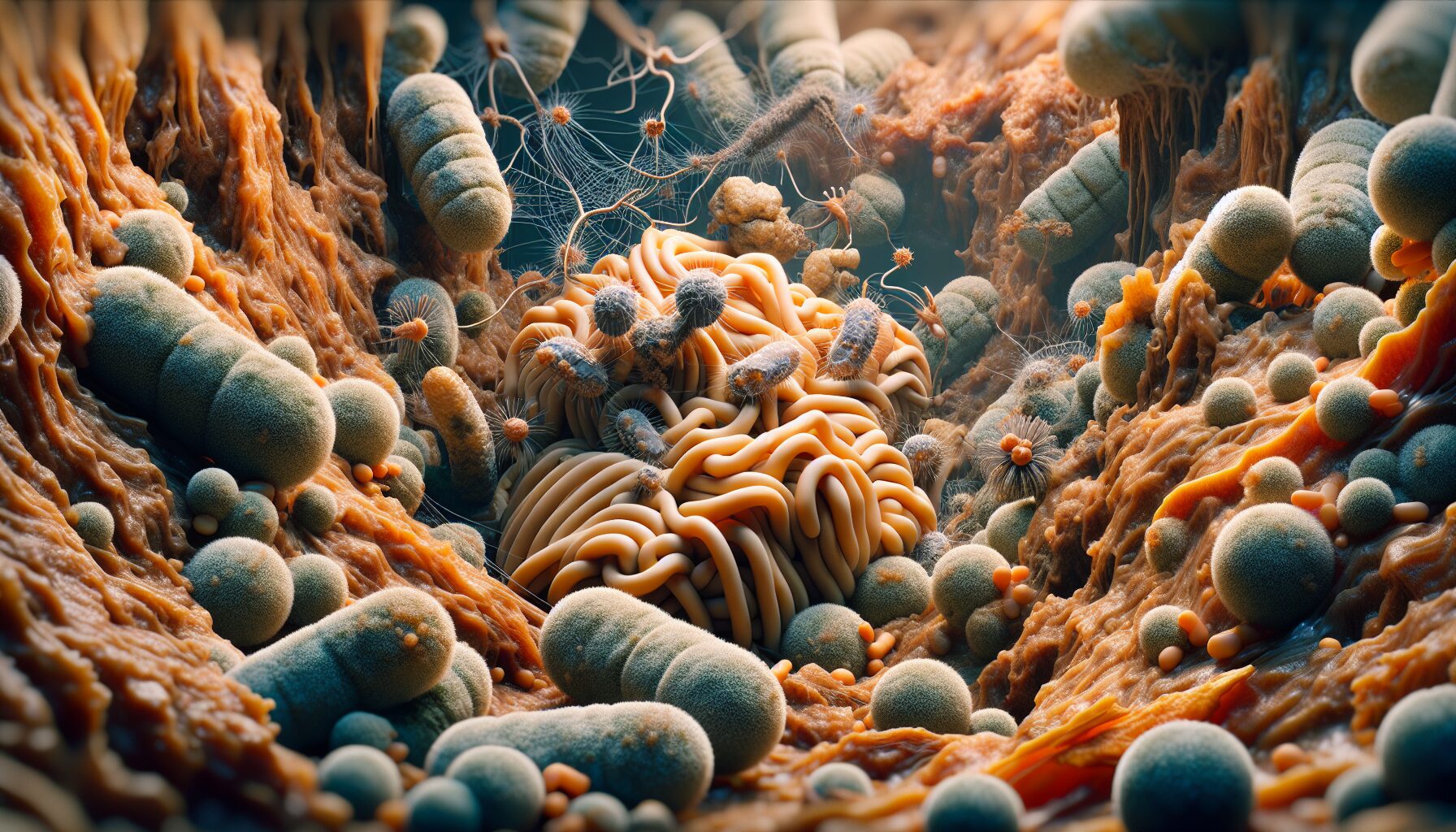
    When an organism dies, a symphony of microbial activity begins almost immediately, aiming to recycle the body’s nutrients. The breakdown of organic material starts as bacteria, fungi, and other microorganisms feast on the tissues, releasing enzymes that catalyze decomposition.

    • Bacteria: These are the pioneers in the decomposition process, colonizing a dead organism within minutes to hours. According to a study published in Nature, specific bacterial strains such as Pseudomonas and Clostridium play critical roles by breaking down proteins and carbohydrates.
    • Fungi: As bacterial action progresses, mold fungi join the fray, capable of decomposing complex carbohydrates like cellulose and lignin in plant materials. Fungi’s mycelial networks increase surface area contact, breaking down matter even further.
    • Actinomycetes: These are a group of soil bacteria that come into play during the later stages of decomposition. Known for their earthy scent, they degrade the tough, woody substances left behind by other microorganisms.

    “Fungi and bacteria are the unsung heroes of the soil, working in harmony to convert death into life, sustaining the food web from the ground up.” — Dr. Elaine Ingham, a renowned soil scientist.

    The Stages of Decomposition

    Decomposition unfolds in several stages, each dominated by different microbial communities. Professor Lynn Margulis, a co-developer of the Gaia theory, emphasized the importance of this underappreciated process, saying, “Decomposition is the heroic act of the microbial world turning death into life-enabling nutrients.”

    1. Initial Decay: Begins immediately after death, during which microorganisms already present in the body start digesting tissues.
    2. Putrefaction: Characterized by the breakdown of soft tissues; bacteria thrive in an anoxic environment, emitting gases like methane and hydrogen sulfide.
    3. Black Putrefaction: Rapid microbial growth turns tissues black with an odor, attracting insects that also aid decomposition.
    4. Butyric Fermentation: Features a shift towards butyric-acid producing bacteria, breaking down remaining fats in anaerobic conditions.
    5. Dry Decay: The final stage where microorganisms decompose whatever material remains until only bones and hair are left.

    Ecosystem Impacts of Rot

    The process of decomposition releases a vast array of nutrients back into the soil, nourishing plants and, through them, the entire food web. Soil microbes such as Rhizobium and mycorrhizal fungi form symbiotic relationships with plant roots, facilitating nutrient exchange and promoting plant growth. This cycle is a testament to the essential connection between decay and ecological health.

    Human and Environmental Implications

    Understanding the microbial processes of decay can have significant applications, from forensic science to waste management and agriculture. In forensic science, the microbial ecosystems forming on decomposing bodies can help estimate time of death. In agriculture, harnessing microbial activity can optimize composting efforts and reduce reliance on chemical fertilizers.

    Furthermore, as we face the environmental impacts of modern waste, learning from nature’s decomposition experts offers sustainable solutions. According to a report in Frontiers in Ecology and Evolution, the study of microbial strains that efficiently decompose plastics and other pollutants is a burgeoning area of research.

    Conclusion

    The microbiology of rot illuminates a profound truth: life feeds on death, in a perpetual cycle essential for sustainability on Earth. By understanding and respecting this natural process, humans can work more harmoniously within ecological systems. Embracing the regenerative power of decay not only enriches soil but nourishes our understanding of life’s intertwined complexity.

  • Entropy in Biology – Why Life Cannot Escape Disorder

    Entropy in Biology – Why Life Cannot Escape Disorder

    Entropy, a concept rooted in the second law of thermodynamics, is often perceived as a measure of disorder within a system. While it might sound like an abstract physical principle, entropy plays a crucial role in biological systems, influencing everything from cellular processes to the inevitability of aging. Understanding entropy in biology provides insights into why life continually moves towards disorder and how living systems attempt to maintain order amidst chaos.

    The Basics of Entropy

    Initially formulated in the context of thermodynamics, entropy describes the dispersion of energy in a system and its tendency to evolve towards greater disorder. As Rudolf Clausius, one of the founders of thermodynamics, aptly summarized:

    “The energy of the universe is constant; the entropy of the universe tends to a maximum.”

    Simply put, while energy remains constant, its ability to do work diminishes as it becomes more evenly distributed, increasing the entropy of the system.

    Entropy in Biological Systems

    Living organisms are particularly intriguing when it comes to entropy. They appear to defy the trend by maintaining order and sustaining complex structures. However, this semblance of defiance is temporary and localized. Life reduces entropy locally by increasing it elsewhere, primarily through the acquisition and consumption of energy.

    • Metabolism: Metabolic processes involve biochemical reactions that transform energy from food into usable forms. These processes, while maintaining the organism’s complex structures, inevitably produce heat, increasing entropy in the environment. Thus, life sustains itself by transforming energy and exporting disorder.
    • Photosynthesis: Plants exemplify how life counters entropy. Through photosynthesis, plants convert solar energy into chemical energy, creating order (glucose molecules) from chaos (solar radiation). However, this order created locally in plants leads to increased entropy globally as energy disperses.
    • Homeostasis: Living organisms maintain internal equilibrium by constantly adjusting their physiological processes. While this state of balance seems to resist entropy, it is maintained by energy-consuming processes such as thermoregulation and osmoregulation, which ultimately contribute to increased entropy in the larger system.

    Entropy and Aging

    The gradual increase in entropy also manifests in the biological phenomenon of aging. Over time, the complex and ordered structures within organisms degrade as entropy increases. Cellular components are damaged by oxidative stress, leading to a decrease in physiological function and the emergence of age-related diseases.

    John Fenn, a Nobel laureate in Chemistry, described this phenomenon:

    “Life is a struggle against entropy, but entropy always wins in the end.”

    Despite the biological systems’ attempts to stave off disorder, inevitable biochemical wear and tear contribute to the aging process, illustrating the persistent march towards disorder enforced by entropy.

    Evolution and Entropy

    Evolutions seem to contradict the principle of entropy as life becomes more complex over geological timescales. Yet, this complexity fosters entropy increase by utilizing energy flows more efficiently. Scientific American notes that evolution does not violate thermodynamic laws because the energy influx necessary for increasing complexity simultaneously augments entropy production.

    The growth in complexity is not a defiance but rather a process that aligns with thermodynamic principles. The drive for survival and reproduction fosters adaptations that reduce local entropy, helping species cope with environmental challenges. However, this adaptation process results in increased entropy in the surroundings, maintaining the balance dictated by the second law of thermodynamics.

    Entropy’s Role in Ecological Systems

    Ecological systems depict a balance of energy and entropy. Energy flows from the sun to producers (plants) and then to consumers (animals), illustrating a smooth transfer of energy amidst an inevitable increase in entropy. Waste products and heat generated by metabolic activities exemplify energy loss and disorder increase, key aspects governed by entropy.

    • Food Web Dynamics: As energy flows through trophic levels, each transfer results in energy loss primarily as heat. This process enhances entropy, showing how energy dispersion and transformation are central to ecological interactions.
    • Ecosystem Resilience: Ecosystems bounce back from disturbances but accrue entropy in doing so. For instance, succession processes, where ecosystems recover from disruptions, involve energy consumption and dissipative structures that ultimately heighten entropy.

    Conclusions: Embracing Entropy

    Understanding entropy enhances our comprehension of biological systems and their struggles against disorder. While living organisms showcase remarkable order and complexity, they operate within the constraints of thermodynamic laws, performing an eternal balancing act. Maintaining order locally requires shuffling entropy elsewhere, emphasizing the interconnectedness of energy, life, and the universe.

    Ultimately, entropy in biology highlights the transient nature of life and underscores the inevitable trajectory towards disorder. This perspective offers a profound appreciation for the intricate dance of order and chaos that defines the living world. As living systems coalesce and degrade, they affirm the inexorable truth that life, while fleeting, is a dynamic play in the theater of entropy.