Tag: living

  • Liminal Spaces – Where Death Touches the Living

    Liminal Spaces – Where Death Touches the Living

    Liminal Spaces – Where Death Touches the Living

    Liminal Spaces – Where Death Touches the Living

    The concept of liminal spaces intrigues, mystifies, and sometimes terrifies. These are the thresholds, the in-between realms where the boundaries separating life from death blur. Often discussed in both metaphysical and psychological contexts, liminal spaces provide a unique lens through which we can examine the intersections of life and mortality.

    Understanding Liminal Spaces

    Derived from the Latin word limen meaning threshold, liminal spaces refer to places or phases that exist between the known and the unknown. According to anthropologist Arnold van Gennep, who introduced the term in his work on rites of passage, these spaces are transitional phases demanding a transformation or change.

    Physically, liminal spaces might include corridors, staircases, or empty parking lots—places that are designed for transition rather than permanent occupation. The eeriness of these spaces often stems from their association with movement towards a new phase, and possibly, towards death.

    Liminality in Life and Death

    In exploring how death touches the living within liminal spaces, we delve into how people experience these spaces both metaphorically and literally. Hospitals, for example, are physical liminal spaces where people frequently encounter birth, illness, and death. They serve as poignant reminders of the transient nature of existence.

    “From the moment of birth, we take our first step on a journey that ultimately leads to death. Liminal spaces are where that journey is most keenly felt.”

    — Anonymous

    On another level, certain cultural rituals transform physical spaces into rites of passage, altering their liminality. Funerals and wakes, for instance, convert typical venues into sacred spaces for communing with the departed, offering the living a space to process death.

    The Psychological Perspective

    Beyond the physical spaces, liminality can also be a state of mind. Psychologically, individuals might find themselves in a liminal state during times of intense change or crisis. These mental spaces often offer profound opportunities for growth and reflection as one navigates the boundary between former and future selves.

    According to a paper in the Journal of Analytical Psychology, entering a liminal state can facilitate deep self-awareness and transformation, much like the theories proposed by notable psychologist Carl Jung in his exploration of the shadow self.

    Cultural Depictions of Liminal Spaces

    Many cultures have long embraced liminal spaces within their myths and spiritual practices. For the ancient Greeks, the River Styx represented a liminal zone where souls crossed from the living world to the underworld. In Irish folklore, Samhain—the precursor to modern Halloween—is considered a liminal time when the veil between the living and the dead is thinnest, allowing spirits to pass through.

    Similarly, in Mexican culture, Día de los Muertos or Day of the Dead celebrates a liminal period when deceased souls are believed to revisit the earth. Here, death is less an endpoint and more a continuation of a cultural dialogue, celebrating life through honoring departed loved ones.

    Modern Interpretations

    In recent years, the concept of liminal spaces has sparked interest on digital platforms and in artistic circles, where creators explore themes of urban abandonment and nostalgia. These discussions highlight the haunting beauty and unsettling nature associated with unfinished or transient places.

    As we deepen our understanding of these spaces, it is crucial to appreciate both their physical and metaphysical implications. Liminal spaces—where death brushes past the living—urge us both to ponder the transient nature of life and also to cherish the boundaries crossed with each new experience, guiding us onward through the uncharted territories of our existence.
  • Viruses as Eternal Life – Living Through Deathly Hosts

    Viruses as Eternal Life – Living Through Deathly Hosts

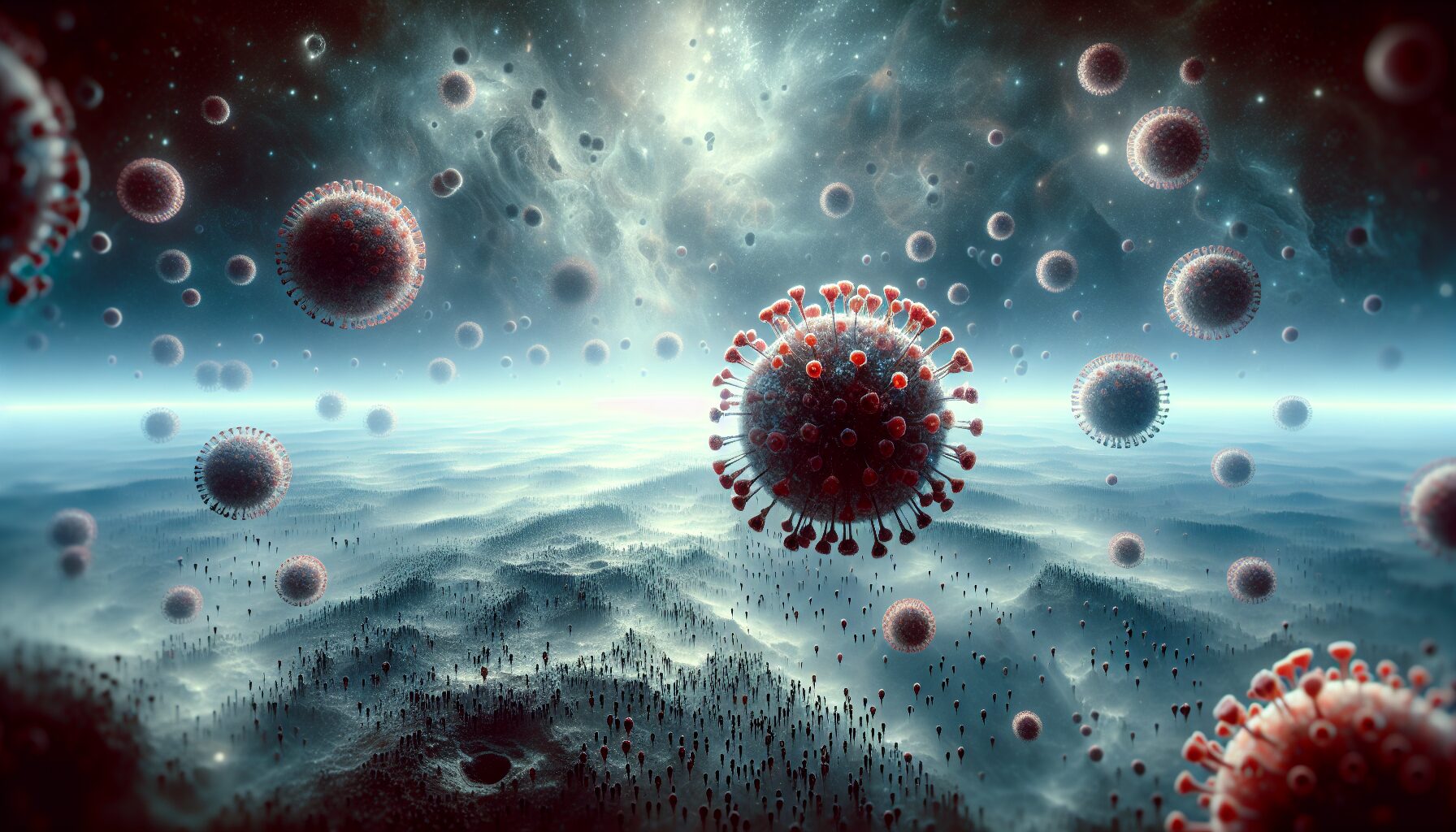
    In the intricate web of life on Earth, viruses occupy a unique and oddly misunderstood position. Unlike bacteria or larger organisms, viruses are not considered “alive” in the traditional sense. However, their interactions with their hosts reveal a complex relationship that blurs the line between life and death. This paradoxical existence fuels the notion of viruses as a form of eternal life, perpetuating their existence through the creatures they infect.

    The Quintessential Paradox: Alive Yet Not Alive

    Viruses are intriguing entities, existing in a gray area between living and non-living. They are composed of genetic material encapsulated within a protein coat, but lack the necessary cellular machinery to reproduce independently. Instead, they must invade a host cell, hijacking its biochemical processes to make new virus particles. This reliance on the host opens up debates on the definition of life itself.

    “Viruses do not meet most of the criteria that scientists have agreed are needed for something to be considered alive,” said the National Center for Biotechnology Information. “However, they can reproduce and mutate, which are characteristics usually associated with living organisms.”

    Viruses: Masters of Evolution

    Despite their simplistic structure, viruses are among the most effective agents of evolution in the natural world. By integrating their genetic material with that of their hosts, they introduce new genetic variations, potentially conferring advantages or exposing vulnerabilities. This incorporation often drives evolutionary change, leading to new traits that may benefit both the virus and the host or, conversely, lead to the host’s demise.

    The rapid replication rates and mutation capabilities of viruses allow them to adapt swiftly to changing environments. This adaptability ensures their survival across hostile conditions and contributes to their seeming immortality. According to scientists at the University of California, Berkeley, “Viruses are the ultimate biological survivors, continually adapting to exploit new hosts and mediums.”

    Lifeblood of Ecosystems

    In ecosystems, viruses play a crucial role in maintaining balance. They regulate populations by infecting and controlling the abundance of other organisms, particularly microorganisms in oceans, contributing significantly to the global carbon cycle. Nearly 20% of the ocean’s microbial biomass is killed daily by viruses, releasing nutrients back into the marine ecosystem.

    By regulating the dynamics of microorganisms, viruses indirectly support life cycles and biodiversity. Their actions influence the availability of resources and the balance of ecosystems, underscoring their dual role as both creators and destroyers.

    Evolutionary Arms Race

    Viruses and their hosts are engaged in a constant evolutionary arms race, each evolving new strategies to outmaneuver the other. This ongoing battle drives the development of elaborate defense mechanisms in hosts, including the intricate immune systems seen in humans and animals. In return, viruses evolve sophisticated methods to evade these defenses, ensuring their survival and propagation.

    The Philosophical Perspective: Life After Death

    From a philosophical standpoint, viruses challenge our understanding of life and death. By extending their existence through their hosts, they epitomize a form of ‘living’ that transcends conventional boundaries. As Richard Dawkins, renowned evolutionary biologist, put it, “When we die, our bodies give rise to other life forms. In a way, viruses continue to live through us, weaving fragments of their existence into the tapestry of life.”

    The Future of Viral Research

    As our understanding of viruses grows, so too does our ability to harness their unique properties for beneficial purposes. Researchers are exploring viral applications in biotechnology and medicine, such as using genetically modified viruses to target and destroy cancer cells or deliver therapeutic genes to treat genetic disorders.

    Ultimately, the study of viruses offers a glimpse into the resilience and adaptability of life itself. Through their complex interactions with hosts, they continue to shape and redefine our understanding of biology, evolution, and existence.

    The paradox of viruses as eternal life forms raises profound questions about the nature of life and death, urging us to reconsider our definitions and embrace the intricacies of biological existence.

  • Necropolis Dreams Reimagined – Cities of Memory and Mortality

    Necropolis Dreams Reimagined – Cities of Memory and Mortality

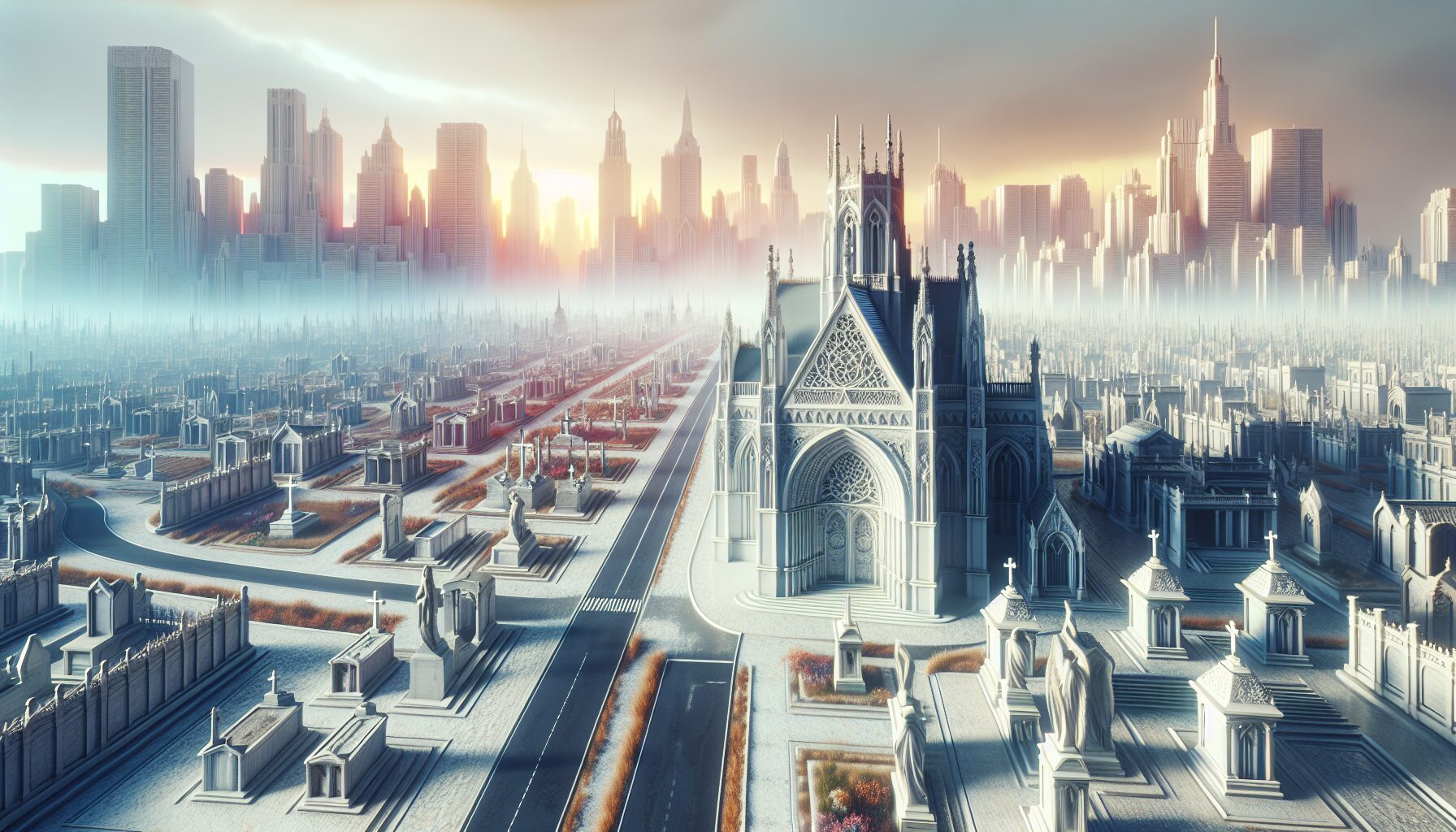
    In the heart of urban landscapes where the hustle and bustle of life never pause, there exist silent cities, reverently known as necropolises. These sacred grounds are not merely places of rest; they are archives of human history, culture, and artistry. Over time, these cities of the dead tell us as much about the living as they do about those who have passed.

    Perhaps the most renowned of these is the Parisian Père Lachaise Cemetery, opened in 1804. Conceived by architect Alexandre-Théodore Brongniart, Père Lachaise was revolutionary in its design—a garden cemetery that challenged traditional perceptions of burial grounds. This vision caught the public’s imagination and has since inspired numerous cemeteries around the world, heralding a new era where beauty and morbidity coexist.

    “Père Lachaise is a place where art meets sorrow, where every tomb is a testament not only to those who have passed but to the cultural tides that ebb and flow through human society.” — Pascal Payen-Appenzeller, historian

    The Living City of the Dead

    As we explore necropolises, we find that they morph and adapt alongside the cities they inhabit. The Highgate Cemetery in London, part of the ‘Magnificent Seven’ cemeteries that transformed Victorian funeral practices, stands as an epitome of Gothic revival architecture. Its winding paths and verdant overgrowth captivate visitors, standing as a reminder of the era’s fascination with death and the afterlife.

    The juxtaposition of life and death is further evident in modern reinterpretations of these spaces. The City of the Dead in Cairo is a bustling urban community where the living have made their homes amongst ancient tombs. This unique dynamic challenges conventional perceptions of cemeteries as desolate or unused, highlighting the adaptive measures communities will take to survive.

    Cultural Significance and Artistic Expression

    Each necropolis resonates with cultural significance, serving as a blank canvas where artists express societal values and personal grief. The sprawling avenues of Colma, California, known as the “City of the Silent,” is an intriguing manifestation of displacement. Founded in response to San Francisco’s growing population pushing burial grounds outwards, Colma is home to more dead than living.

    “It’s the only city in the world where the inhabitants have no future, only a past.” — Renato Mendoza, local historian

    In contrast, the artistic vigor of La Recoleta Cemetery in Buenos Aires represents the deep-seated spirituality and cultural pride of Argentina, with each mausoleum narrating the story of illustrious families and historical icons like Eva Perón.

    Necropolis as a Reflection of Changing Attitudes

    The design and purpose of necropolises have evolved, mirroring the changing attitudes towards death and remembrance. Green burials and eco-cemeteries are becoming integral within this landscape, reflecting a growing environmental conscientiousness. These green spaces advocate for natural decomposition and minimize synthetic materials, aligning death with the serene cycles of nature.

    This shift is evident in urban centers such as New York City’s Green-Wood Cemetery, which offers green burials and champions landscape conservation. Founded in 1838, Green-Wood has always offered more than a resting place; it’s an arboretum, a public park, and a cultural museum.

    Technology and the Digital Necropolis

    The advent of technology has also redefined the concept of necropolis. Digital memorials and interactive grave sites invite the living to connect with their ancestors in unprecedented ways. QR codes on headstones leading to personalized online memorial pages represent a merging of technology with tradition, extending the boundaries of remembrance beyond physical locality.

    “The digital age allows us to harbor personal histories within the web, making legacies timeless and memories indelible.” — Sherry Turkle, MIT sociologist

    As society progresses and urbanization redefines landscapes, necropolises will continue to evolve. These cities of memory and mortality remain intrinsic to cultural identity and societal values. Each headstone and mausoleum bears witness to the human condition, telling stories of those who came before and echoing the ever-changing narrative of humanity.

    In contemplating these sacred spaces, we are reminded of the transcendence of memory over mortality, offering solace in the assurance that, while the flesh may perish, the spirit endures through the legacies left behind.

  • Ceremonies for the Living Dead: DIY Projects

    Ceremonies for the Living Dead: DIY Projects

    Ceremonies for the Living Dead: DIY Projects

    body {
    font-family: Arial, sans-serif;
    line-height: 1.6;
    margin: 20px;
    }
    h2 {
    color: #4B0082;
    }
    ul {
    margin-bottom: 20px;
    }

    Ceremonies for the Living Dead: DIY Projects

    The allure of the supernatural, the mystical, and the eerie world of the living dead has fascinated cultures across the globe. Bringing the theme alive through DIY projects can add a unique and personal touch to your Halloween festivities, or simply serve as an intriguing hobby. In this article, we explore a variety of DIY projects that capture the essence of these “ceremonies for the living dead.”

    1. DIY Zombie Apocalyptic Shelter

    The idea of a zombie apocalypse captures the imagination like nothing else. Building a small-scale apocalyptic shelter can be an adventurous project:

    • Location: Choose a secluded spot in your backyard.
    • Materials: Use old pallets, tarps, and metal sheets for construction.
    • Ambiance: Decorate with fake cobwebs, lanterns, and wooden boxes.

    “Every town needs an apocalypse… it’s like taxes; it’s unavoidable,” suggested an NPR piece reflecting on society’s fascination with apocalyptic scenarios. Let your shelter be a creative expression of this cultural phenomenon.

    2. Interactive Ghost Stories with DIY Tools

    Breathe life into traditional ghost stories using DIY tools. This project lets you craft interactive and immersive storytelling experiences:

    • Audio Effects: Create soundscapes using household objects to produce eerie sounds.
    • Lighting: Utilize LED lights and remote controls for dramatic lighting effects.
    • Scripts: Incorporate local myths or family stories for a personal touch.

    Using basic electronic kits, you can automate these elements for added excitement. Such an experience is reminiscent of the Lady in White ghost stories that permeate global folklore, weaving familiar chills into local narratives.

    3. Dia de los Muertos Altar Craft

    The Day of the Dead, or Dia de los Muertos, is a vibrant celebration honoring deceased loved ones. Creating a personal altar can be a meaningful DIY craft:

    • Structure: Build a multi-tiered altar using boxes or wood.
    • Decorations: Incorporate marigolds, papel picado, and candles.
    • Memorabilia: Display photos, favorite foods, and belongings of the departed.

    “To live in hearts we leave behind is not to die,”

    wrote Thomas Campbell, beautifully encapsulating the spirit of these altars. Visit Dia de los Muertos resources for inspiration and guidance.

    4. Vampire Haven: DIY Coffin Furniture

    Transform your living space with furniture inspired by coffin shapes, creating a haven for vampiric enthusiasts:

    • Bookshelf: Use reclaimed wood to craft a coffin-shaped bookshelf.
    • Coffee Table: Construct a low-lying table with a glass top encasing vampire memorabilia.
    • Storage: Build hidden compartments for a sense of mystery.

    These pieces nod to the aesthetic of Bram Stoker’s Dracula, exploring the seductive elegance of the vampire mythos. For more ideas, explore the coffin furniture trend.

    5. Haunted Dollhouse Creations

    Embrace the spooky side of dollhouses with this eerie DIY project:

    • Paintwork: Use dark, moody colors and weathering techniques.
    • Miniature Props: Craft tiny spell books, miniature coffins, and Gothic furniture.
    • Sounds: Integrate tiny speakers for unsettling whispers.

    This project channels the charm and fear of childhood stories like The Haunted Dollhouse, blending nostalgia with horror.

    Conclusion

    The living dead and the world of the supernatural offer a rich canvas for creativity. These DIY projects not only engage our imaginations but also connect us to timeless narratives of life, death, and everything in between. They provide a hands-on experience in creating mood, texture, and story in your home or community. Choose a project that resonates with you, and let it open doors to worlds both seen and unseen.

    Remember, the best ceremonies for the living dead are those that bring life to long-held myths through the customizations and passions of the living.