Tag: human

  • Quantum Divination – Science and Fate Intertwined

    Quantum Divination – Science and Fate Intertwined

    Quantum Divination: Science and Fate Intertwined

    Quantum mechanics, the physics of the very small, has intrigued scientists and the general public alike. Among its most fascinating aspects is the concept of superposition, where particles can exist in multiple states at once until observed. This idea, when metaphorically extended, often intersects with age-old human desires to predict the future, leading to the intriguing concept of quantum divination.

    In essence, quantum divination ponders whether the principles of quantum mechanics might someday illuminate the mysteries of fate and destiny. While this notion remains in the speculative realm, some scholars and visionaries are exploring the potentials of these theories.

    “If we are to begin predicting the future using quantum theory, we must first accept its inherent unpredictability,” said Dr. Jane Bennett, physicist at the University of Oxford. “Quantum mechanics doesn’t dictate certainty, but rather probability, which aligns closely with how we perceive fate and chance.”

    Science Meets Mysticism

    Throughout history, cultures have employed various divination methods, from tarot cards to astrology, to gain insights into what lies ahead. Quantum divination, in its contemporary form, suggests that the probabilistic nature of quantum mechanics could provide a new scientific approach to understanding these mystical practices.

    • Quantum Entanglement: This phenomenon, where entangled particles influence each other regardless of distance, hints at invisible connections across the universe, much like the interconnectedness predictors of destiny speak about.
    • Wave Function Collapse: Before observation, a particle exists in all possible states. The observer’s action causes the wave function to ‘collapse’ into one state. This parallels how divination seeks to manifest one potential future out of many possibilities.

    However, it is crucial to note that these scientific phenomena are not divination tools. They remain within the confines of heavily tested scientific theories, providing descriptions of subatomic behaviors rather than literal life predictors.

    Current Perspectives and Future Directions

    While mainstream science remains cautious, some researchers speculate on the philosophical implications of quantum theories. Dr. Lisa Randall, a theoretical physicist at Harvard University, noted:

    “The intersection of quantum mechanics and human intuition might not predict lottery numbers or life events, but it invites a renewed contemplation of how deeply intertwined our universe may be.”

    As of now, quantum divination remains more of a philosophical exercise than a proven method. Its allure lies in its ability to make us question the limits of human knowledge and the potential for science to explore what has historically been considered mystical.

    For those interested in exploring the deep connections between science, philosophy, and divination, quantum mechanics offers a rich, albeit speculative, field for thought. While it won’t replace traditional divination methods yet, its underlying principles encourage a broader understanding of fate and probability’s role in our lives.
  • Time-Scribed Scrolls – Archetypes Written in the Stars

    Time-Scribed Scrolls – Archetypes Written in the Stars

    Time-Scribed Scrolls: Archetypes Written in the Stars

    For millennia, humans have looked to the stars for guidance, inspiration, and understanding of the world and themselves. The night sky, with its twinkling tapestry of celestial bodies, has served as an eternal canvas where humanity has projected myths, hopes, and cosmic archetypes. These heavenly symbols become time-scribed scrolls, filled with timeless wisdom that speaks to both personal and collective unconsciousness.

    The Origins of Celestial Archetypes

    Celestial archetypes originate from a blend of astrology, mythology, and astronomy. Ancient civilizations, from the Babylonians and Egyptians to the Greeks and Chinese, each saw the cosmos as a series of narratives that explained human traits and events. These cosmic symbols were not just stories but served as guiding principles or archetypes.

    • Babylonian Zodiac: The Babylonians were among the first to map the stars into what we know as the zodiac. This ancient system relies on twelve divisions of the sky, each associated with specific qualities and myths.
    • Greek Influence: The Greeks further enshrined these celestial symbols, linking gods and legendary heroes to the stars. Their tales of Hercules, Aries, and others still resonate, illustrating human virtues and flaws.
    • Chinese Astronomy: In the East, the Chinese developed their own celestial system, where the animals of the zodiac embody qualities such as wisdom, courage, and perseverance.

    “Astronomy compels the soul to look upwards and leads us from this world to another.” – Plato

    Psychological Insights: Jung and Universal Archetypes

    Carl Jung, a seminal figure in psychology, introduced the concept of the collective unconscious—a part of the unconscious mind shared by all human beings, containing memories and images of common experiences. Jung described these shared motifs as archetypes: symbols deeply embedded in our collective psyche.

    Jung’s work bridges the understanding of celestial archetypes as more than just ancient stories—they are integral to understanding human behavior and consciousness. He believed that these archetypes are manifested in dreams, myths, and legends, pointing out that these symbols are expressions of our inner realities and the broader human experience.

    The Zodiac and Personality

    The twelve signs of the zodiac are perhaps the most recognized celestial archetypes today. Each sign corresponds to specific personality traits that, like mythological characters, embody different facets of the human experience:

    • Aries: The warrior spirit, symbolizing courage and initiative.
    • Taurus: Represents stability, reliability, and a love for beauty.
    • Gemini: The twins, denoting duality, communication, and adaptability.
    • Cancer: The nurturer, embodying emotion, intuition, and protection.
    • Leo: The leader, with qualities of creativity, warmth, and valor.
    • Virgo: Associated with diligence, detail, and service.
    • Libra: The scales, signifying balance, harmony, and justice.
    • Scorpio: The transformative force, with depth, passion, and mystery.
    • Sagittarius: The seeker, adventurous, optimistic, and philosophical.
    • Capricorn: The strategist, symbolizing ambition, discipline, and perseverance.
    • Aquarius: The innovator, representing idealism, originality, and reform.
    • Pisces: The dreamer, embodying empathy, healing, and imagination.

    Myth and Meaning in the Stars

    Human cultures have always bred stories to explain the celestial movements, ascribing deities and legends to the movements of heavenly bodies. Consider the mythos of Orion, the mighty hunter from Greek mythology, whose constellation tells a story of strength, pride, and eventual humility. His tale serves as a reminder of human limitations and the beauty of the journey, regardless of the outcome.

    Constellations such as the Pleiades have been revered across cultures, from the ancient Greeks to the Indigenous Australians, each interpreting these stellar patterns in ways that reflect their worldview.

    The Modern Resonance of Celestial Archetypes

    In contemporary society, these ancient symbols continue to provide comfort and reflection, even for those who no longer see them as divinities but rather as metaphoric guides. Astrology remains a popular discipline, not solely for predicting the future but as a tool for introspection and understanding.

    The movement of celestial bodies is said to align with human experiences, offering a celestial backdrop to personal growth and change. In astrology, the concept of transits describes how current planetary movements interact with an individual’s birth chart, illuminating patterns, challenges, and opportunities.

    “It is not in the stars to hold our destiny but in ourselves.” – William Shakespeare

    Embracing the Cosmic Journey

    The sky continues to act as a mirror reflecting our hopes, dreams, and fears. As we embrace this deep connection with the cosmos, we can see these constellations and celestial bodies as reminders of our interconnectivity with the universe and with each other. Whether used for entertainment, introspection, or spiritual guidance, the stories written in the stars offer an opportunity to explore the depths of our psyche.

    The celestial archetypes are more than ancient symbols—they are signposts on our journey of understanding, offering wisdom and insight written in the stars. They remind us of our shared humanity and the timeless stories that bridge the gaps between past and present, earth and sky.

  • The Demon\’s Mirror – Archetypes of the Underworld

    The Demon\’s Mirror – Archetypes of the Underworld

    The Demon’s Mirror – Archetypes of the Underworld

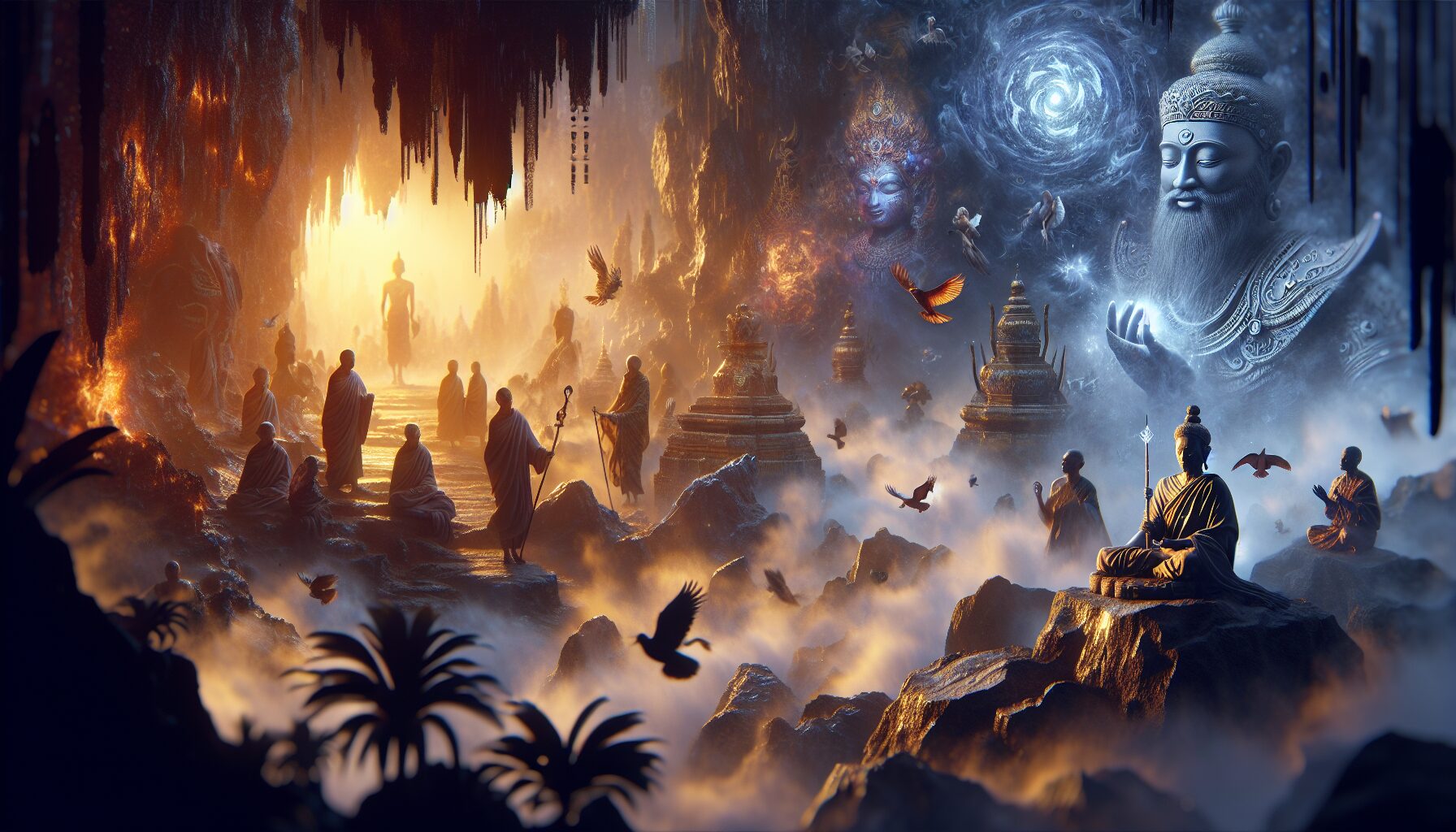
    The underworld has captivated human imagination for millennia, serving as a repository for fears, anxieties, and dark reflections of the human condition. In this exploration, we delve into the rich tapestry of archetypes that populate these shadowy realms, drawing from mythology, literature, and psychology. From terrifying demons to cursed souls, the dwellers of the underworld echo the complexities and dualities of humanity itself.

    The Descent into Darkness: Mythological Origins

    Mythologies around the world depict the underworld as not only a final destination but also a realm of transformation. In Greek mythology, the underworld ruled by Hades was a place where the souls of the deceased resided, a domain as inevitable as it was forbidding. Hades himself is an archetype of the ruler of shadows, embodying both the impartiality and the inexorability of death.

    Similarly, in Norse mythology, Hel, the underworld presided over by the goddess Hel, acts as a realm of both the living and the dead, a place where the boundaries between life and oblivion blur. These mythology-rich realms highlight the duality of the underworld as a place of both punishment and essential transformation.

    The Archetypes of the Underworld

    • The Gatekeepers

      The guardians of the underworld are often fearsome and imposing figures, such as the multi-headed canine Cerberus in Greek mythology, whose presence prevents souls from escaping and the living from intruding. In Egyptian mythology, Anubis serves as a protector of graves and a guide of souls, embodying both protection and judgment.

    • The Judges

      Figures who weigh the hearts and deeds of souls are prevalent across cultures. In the Egyptian afterlife, Osiris oversees the weighing of the heart against the feather of Ma’at—truth. This archetype speaks to humanity’s intrinsic understanding of justice and moral reckoning beyond mortal life.

    • The Spirits of the Damned

      These lost souls inhabit the shadowy recesses of the underworld, tormented by their choices or as victims of cruel fates. Their narratives serve as moral lessons or warnings about vice and folly. Dante’s Inferno richly depicts these archetypes, with sinners consigned to various circles of hell as representations of their earthly vices.

    • The Demonic Intruders

      From infernal tempters to corruptive spirits, demons represent the chaotic forces of the underworld that intrude upon the mortal realm. They often act as adversaries to humanity, challenging moral integrity and resilience. In religious texts, demons test faith and seek to disrupt the cosmic order, encapsulating the eternal struggle between good and evil.

    • The Guides and Saviors

      In many tales, figures emerge to lead others safely through the perils of the underworld. For instance, Dante’s Virgil is a guiding presence through the infernal depths to the hope of salvation. These archetypes symbolize wisdom, hope, and the possibilities of redemption and resurgence even in the darkest of times.

    The Psychological Underpinnings

    The archetypes of the underworld are not confined to mythology alone but also resonate deeply within the field of psychology. Carl Jung’s theories of the collective unconscious and archetypes suggest that these stories reflect universal patterns of human experience. Jung describes the “Shadow” as the dark side of the psyche, which we contain within us.

    “The shadow is the moral problem that challenges the whole ego-personality, for no one can become conscious of the shadow without considerable moral effort.” – Carl Jung

    These archetypes are embodiments of the shadow self, representing the repressed elements of our identity that, when acknowledged, lead to self-discovery and healing. The journey through the underworld becomes a metaphor for introspection—a necessary confrontation with the self’s darker aspects.

    The Cultural Reflections

    The portrayals of underworld archetypes across different cultures invite us to consider how societies have understood death, morality, and existence. The underworld, with its narratives, propels us to reflect on existential questions—what lies beyond our mortal experience, and how do our choices reverberate in the eternal schemes of existence?

    Literature and film continue to engage with these themes, with stories from Edgar Allan Poe to modern cinematic portrayals like The Lord of the Rings and Harry Potter, where protagonists brave their own underworlds as part of their heroic journeys.

    These cultural artifacts uphold the legacy of the archetype, each contributing to the evolving tapestry of how the underworld is perceived and imagined throughout human history.

    Conclusion: Embracing the Shadows

    The archetypes of the underworld reflect multidimensional aspects of life and the human psyche. They offer insight into the balance of light and dark, of creation and destruction, serving as invaluable mirrors to our deepest fears and hopes. Within these narratives lie profound truths about the self and society, inviting us to embrace both our light and our shadows for a fuller understanding of the human experience.

    To explore these archetypes and their modern interpretations further, you might visit resources such as Britannica’s Underworld Page and Carl Jung’s works on archetypes and the collective unconscious.

    Ultimately, the underworld, with its mystique and terror, serves as an essential component of human identity—a perpetual reflection of our inner struggles and quest for meaning beyond the veil of death.

  • Echoes of Forgotten Gods – Archetypes Reawakened

    Echoes of Forgotten Gods – Archetypes Reawakened

    For centuries, the concept of universal archetypes has captivated the minds of psychologists, mythologists, and philosophers alike. These archetypes, deeply embedded in the collective unconscious, resurface time and again, revealing the profound resonance they hold within human culture and psyche. As we navigate modernity, could the echoes of forgotten gods be a manifestation of these timeless patterns?

    The Nature of Archetypes

    Archetypes were first prominently introduced by Carl Jung, the Swiss psychiatrist and psychoanalyst who worked closely with Sigmund Freud. Jung defined archetypes as “universal, archaic symbols and images that derive from the collective unconscious”—structures shared by people all over the world (The Carl Jung Website).

    • The Hero: This archetype embarks on an adventurous quest, exemplifying courage and resilience.
    • The Mother: A nurturing, life-giving figure often associated with creation and growth.
    • The Trickster: Known for their cleverness and deceit, often serving as a catalyst for change.

    These archetypes play a foundational role in shaping narratives, whether they’re ancient myths or contemporary stories. They forge a connection between the human experience and the spiritual, transcendent aspects of life.

    Modern Reawakenings

    In today’s world, the echoes of these archetypes can be perceived in numerous ways. With the rise of superhero movies and fantastical storytelling, the Hero archetype is undeniably thriving. Characters such as Marvel’s Thor, who draws directly from Norse mythology, embody the qualities of both ancient gods and modern heroes.

    “Superheroes are modern mythology,” says Dr. Will Brooker, a professor of film and cultural studies at Kingston University, highlighting the enduring appeal and adaptability of these archetypal figures. (The Guardian)

    Psychological and Cultural Impact

    The resurgence of these archetypes in modern culture points to a psychological yearning for connection to deeper truths and shared human experiences. As Joseph Campbell, an American professor of literature known for his work in comparative mythology and religion, once remarked, “The great thing about myths is that they point beyond themselves to deeper truths.”

    By engaging with these timeless stories and characters, individuals find meaning and identity in an increasingly complex world. They serve as reminders of our intrinsic similarities, uniting us across cultures and ages.

    Thus, the echoes of forgotten gods, represented through potent archetypes, continue to wield their power, reshaping narratives and illuminating the labyrinthine pathways of the human psyche, urging us to remember and reawaken to the timeless truths they carry.

  • Grave Goods – Objects Carried Beyond the Veil

    Grave Goods – Objects Carried Beyond the Veil

    Grave Goods: Objects Carried Beyond the Veil

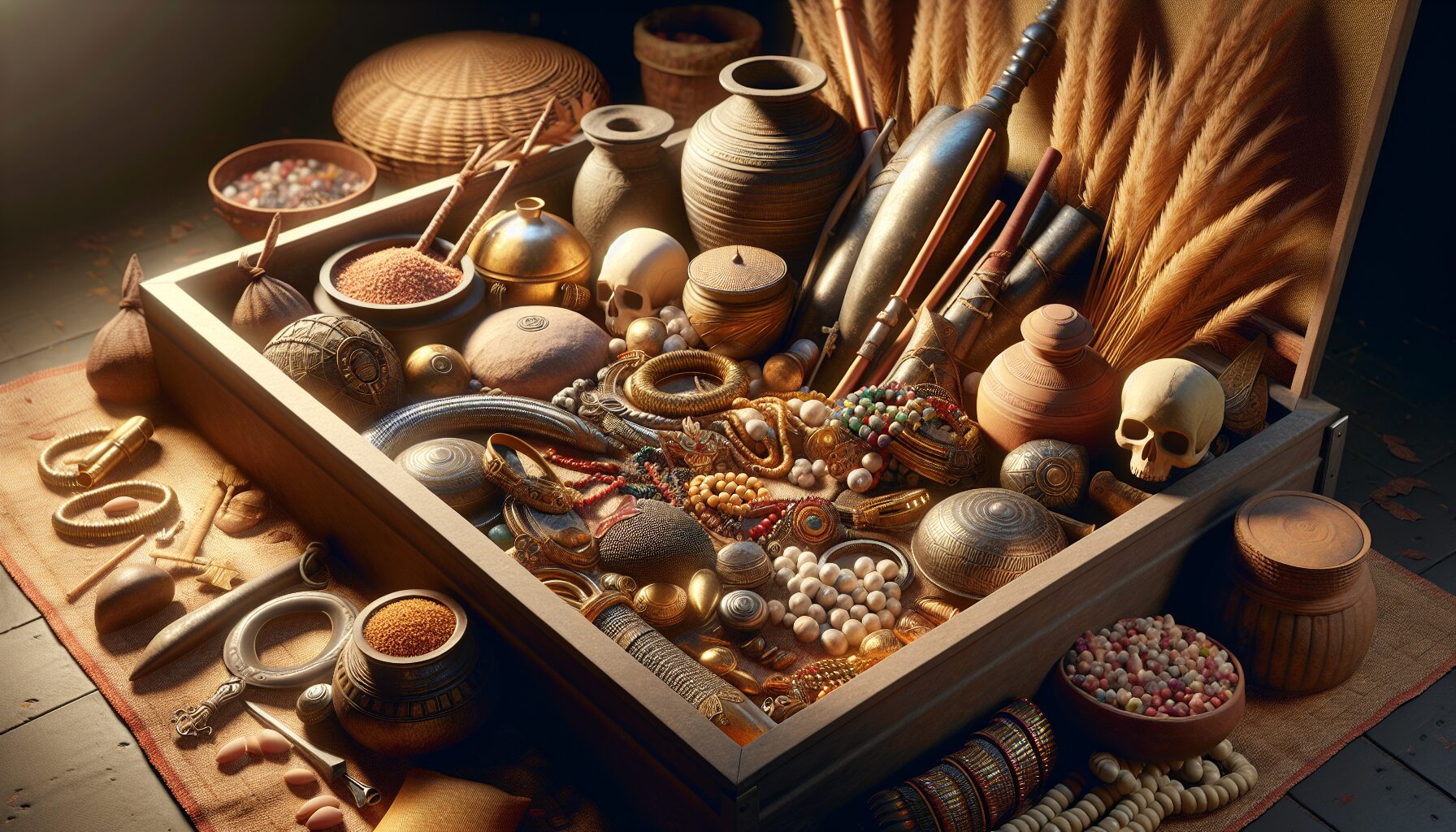
    Throughout human history, the dead have not journeyed into the afterlife alone. Grave goods have long been part of burial rituals across various cultures, reflecting our complex relationship with death, beliefs about the afterlife, and the social status of the deceased. These artifacts serve as both personal mementoes and indications of the broader cultural context in which individuals lived and died.

    The Historical Context of Grave Goods

    The tradition of burying the dead with objects dates back tens of thousands of years. The practice is thought to be rooted in the belief that these items would be useful in the afterlife or as symbols of the deceased’s life. From weapons and tools to everyday household items, grave goods tell a tale of continuity between the mortal world and whatever comes next.

    According to Britannica, “Grave goods are fundamentally tied to the cultural and religious beliefs of a society, providing insight into how people viewed the connection between life and afterlife.” In some traditions, these items were intended to protect, adorn, or provide comfort to the dead, while in others, they served to affirm social status or achievements.

    Iconic Examples from Around the World

    • Egyptian Pyramids: Perhaps the most renowned example of grave goods comes from ancient Egypt, where pharaohs were entombed with vast treasures intended to accompany them to the afterlife. The burial chamber of Tutankhamun, discovered by Howard Carter in 1922, contained a wealth of objects, including the famous golden mask, jewelry, and a chariot. These treasures were designed to ensure the young king’s safe journey to the afterlife and to demonstrate his status.
    • Chinese Terracotta Army: In China, the burial site of the first Emperor Qin Shi Huang is another dazzling example. Guarded by a terracotta army of over 8,000 soldiers, each uniquely hand-crafted, this army was believed to protect the emperor in the afterlife.
    • Viking Burials: In Norse society, warriors were often buried with weapons, armor, and ships. These goods were intended to provide the deceased with the necessary means to fight and journey in the afterlife. The Oseberg ship burial, found in Norway, is one of the most significant Viking ship burials discovered, providing rich insights into the lives of powerful Viking chieftains and their beliefs about the afterlife.

    Modern Interpretations and Continuations

    While the grandeur of historical grave goods might seem distant from contemporary practices, the core concept persists. Modern funerary customs often include placing personal items like photographs, letters, or favorite objects with the deceased during cremation or burial. These items, while often less extravagant, still carry significant emotional and symbolic value, reflecting our enduring need to honor and remember those who have passed.

    As The Guardian discusses, “Even in less death-fixated cultures, the notion of carrying mementoes or small talismans to accompany the deceased is prevalent. It speaks to a universal human need to create continuity between this world and the next.”

    Contemporary Cultural Reflections

    Grave goods also serve as cultural markers, enhancing our understanding of era-specific customs and social structures. In a sense, they are time capsules, preserving a moment or person for future generations to study. Such practices are continually unearthed and analyzed, adding layers to our understanding of past civilizations and the universality of human rituals surrounding death.

    “The items people choose to bury with their loved ones—or themselves—reflect their beliefs, social status, and personal relationships both in life and in the perception of the afterlife,” explains Dr. Sarah Tarlow, a leading expert in the archaeology of death and burial rituals.

    Conclusion

    The tradition of grave goods eloquently illustrates the continuity and change within human societies over millennia. While the scope and meaning of these items have evolved, their fundamental purpose remains the same: to serve as a testament to personal and cultural identities as we face one of life’s greatest mysteries—what lies beyond the veil of death.

    As cultural practices and beliefs about the afterlife continue to evolve, one constant remains—the human desire to bridge the gap between the living and the dead with objects steeped in love, memory, and meaning.

  • The Aesthetics of Ruins – Beauty in Death of Stone

    The Aesthetics of Ruins – Beauty in Death of Stone

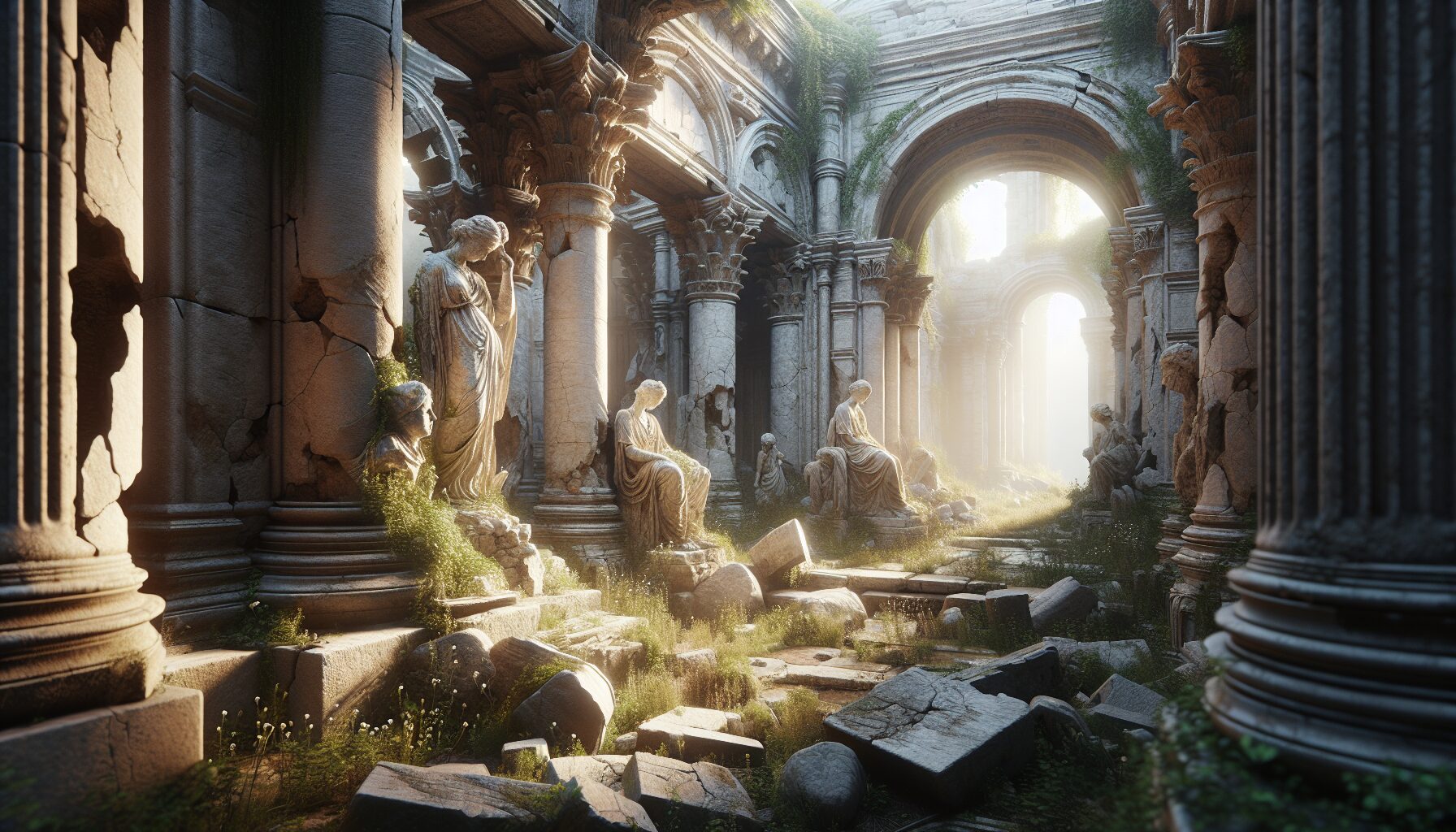
    Ruins have fascinated humanity across the ages, acting as poignant reminders of past civilizations, lost grandeur, and the relentless passage of time. The remnants of ancient structures, from crumbling cathedrals to deserted castles, evoke a complex mixture of emotions and thoughts. These stones, once a testimony to human ambition and ingenuity, now whisper stories of decline, showcasing the beauty inherent in the silent dance of decay.

    The Allure of Ruins

    To understand why ruins captivate us, one must delve into their aesthetic appeal. As philosopher and author Christopher Woodward explores in his book “In Ruins”, ruins do not merely represent the past; they allow us to dream. He writes, “Perhaps it is for their dreams that ruins are beloved: the dream of survival; the dream of destruction.” Ruins invite us to reconstruct history with our imagination, filling the gaps with possibilities while contemplating impermanence.

    The Dance of Nature and Time

    Over time, nature reclaims man-made structures, intertwining vines with stone and weaving roots through ancient brickwork. This interplay between human endeavor and nature’s reclaiming forces adds another layer of beauty to ruins. The renowned landscape architect John Ruskin noted the harmony between these elements, stating that, “There is no death where the fragrance of blossoms is about, and forms as sculptured stone, grown green with moss, are witnesses of all that is most beautiful.” The juxtaposition of fragile vines with steadfast stones highlights the resilience of both natural and architectural worlds.

    Romanticism and the Picturesque

    “Ruins are often the picturesque survival of events that were once the foreground of history.” — Woodward

    The Romantic movement of the late 18th and early 19th centuries celebrated the picturesque qualities of ruins. Artists and poets found inspiration in the melancholy beauty of decay, romanticizing ruins as symbols of the sublime and eternal struggle between civilization and nature. Paintings of Gothic abbeys or descriptions in poems conveyed a sense of awe and nostalgia. Renowned British poet Lord Byron captured this sentiment in his work when he mused over the “desolation of a mighty land,” reflecting on how ruins epitomized both beauty and tragedy.

    Ruins in Modern Culture

    In contemporary culture, ruins continue to invoke fascination and inspiration. As Paul Zucker explains in his book “Ruins: An Aesthetic Category”, the appeal lies in their ability to evoke feelings of timelessness and mystery. Cinematic portrayals often use ruins as backdrops to convey decay or loss, yet simultaneously serve as stages for renewal and rebirth.

    • Photography: Urban explorers frequently seek out abandoned sites, capturing the haunting beauty through their lenses. Instagram and social media bristle with images of dilapidated buildings, showcasing an art form that thrives in dereliction.
    • Literature: Writers explore themes of decay and resurgence within ruined landscapes, finding parallels in human experiences of growth and loss.
    • Video Games: The settings of various video games, from apocalyptic worlds to ancient fallen cities, draw players into narrative environments where the past is alive and interactive.

    The Philosophy and Reflection Ruins Offer

    Beyond mere physicality, ruins invite philosophical reflection. They challenge the notion of progress, prompting us to consider the impermanence of human endeavors. Georg Simmel, a German sociologist, observed in his essay “The Ruin”, that ruins symbolize a fusion of the forces of destruction and the gratitude of survival. They temper pride by reminding us of inevitable decline, yet they also assure continuity, their incomplete gestures left open to new meanings.

    The Future of Ruins: Preservation vs. Rebirth

    Contemporary discourse around ruins often centers on preservation versus abandonment. Some argue for the preservation of ruins as cultural heritage, their stories crucial to understanding humanity’s shared past. Others suggest allowing nature to take its course, viewing new growth as a form of rebirth. The debate raises ethical and philosophical questions about how we relate to the past and envision the future.

    Architect Juhani Pallasmaa suggests in his writings that when old walls crumble, they yield “an expanding sense of freedom and imagination.” His perspective advocates for a balance, where certain ruins serve as educational and aesthetic markers, while others are allowed to erode, contributing to the ecological tapestry.

    Conclusion

    Ruins possess an undeniable allure, offering a profound sense of beauty that transcends their material decay. They are timeless witnesses, standing between the past and the future, silent yet eloquent. As we ponder their tales, we confront our fragility and resilience, finding ourselves among the stones’ stories. Thus, the beauty of ruins does not merely lie in their death but in their testament to enduring ideas and enduring dreams.

  • The Smell of Decay – Sense as Reminder of Mortality

    The Smell of Decay – Sense as Reminder of Mortality

    The Smell of Decay: Sense as a Reminder of Mortality

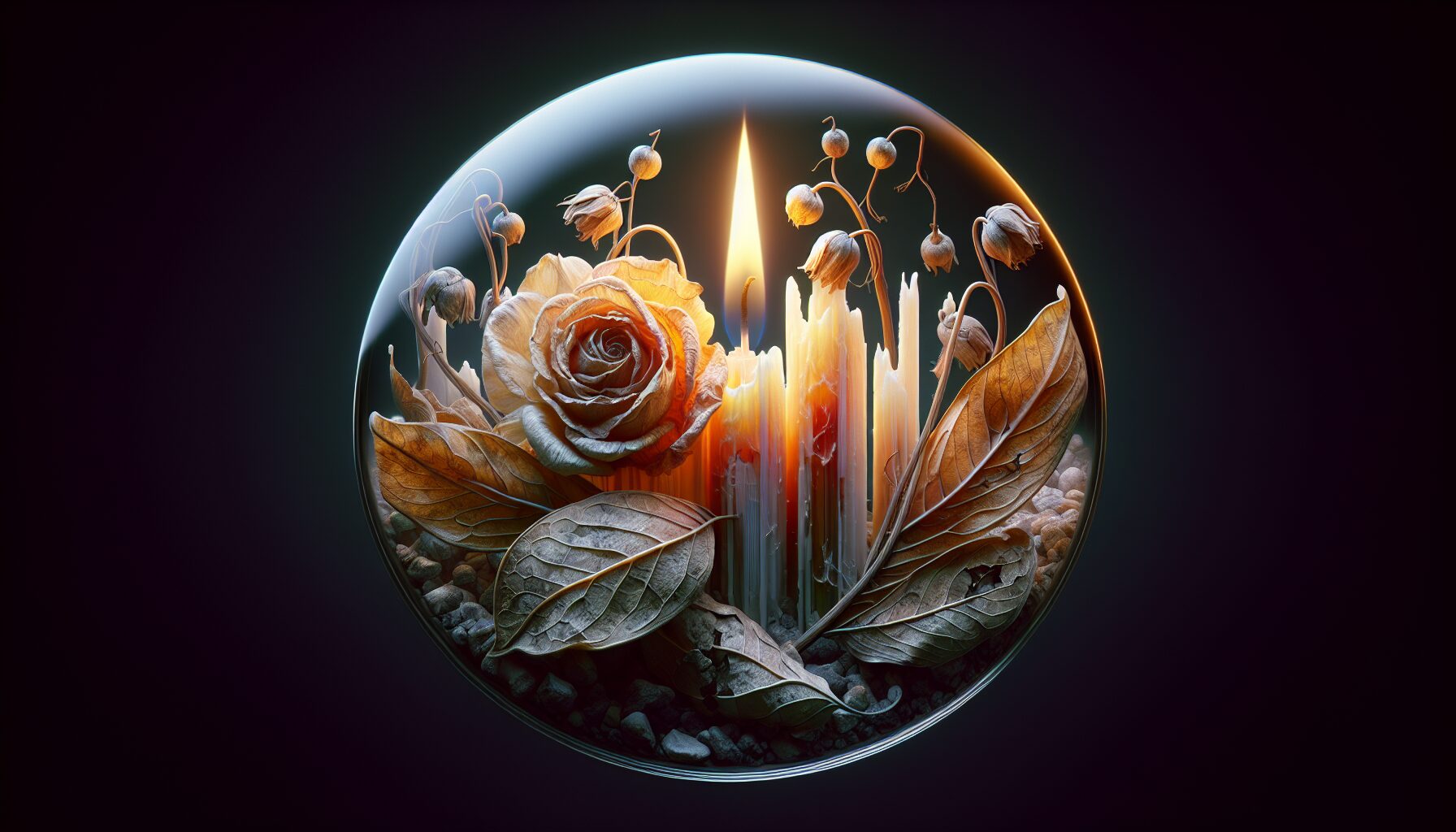
    The sense of smell, often underestimated yet profoundly powerful, possesses the ability to evoke memories and emotions that are deeply intertwined with our human experience. Among the myriad scents that waft through our lives, the smell of decay serves as a visceral reminder of mortality. This scent, unmistakable in its pungency, wields the power to awaken an awareness of the fleeting nature of life.

    Understanding the Odor of Decay

    The smell of decay is often characterized by its strong, unpleasant aroma, which results from the breakdown of organic matter. The decomposition process releases various compounds, including sulfur dioxide, cadaverine, and putrescine, which contribute to its distinctive odor. As studies on olfactory perception suggest, our sense of smell is closely tied to survival mechanisms, enabling us to detect not only food but also potential dangers such as infection or spoiled materials.

    The Psychological Impact

    Encountering the smell of decay often triggers a primal response, rooted in an evolutionary need to avoid rotten food or hazardous environments. However, the impact extends beyond physical reactions; it calls forth an existential reflection on life’s impermanence. A review by Psychology Today highlights how exposure to decay can heighten awareness of our own mortality, prompting introspection about the inevitability of death.

    “The first condition of understanding a foreign country is to smell it.” – Rudyard Kipling

    This quote by Rudyard Kipling speaks volumes about the connection between scent and awareness. Similarly, the smell of decay acts as a pungent prompt for understanding the transient nature of existence, transcending cultural and geographical boundaries.

    Cultural Perspectives on Decay and Mortality

    • Western Cultures: In many Western societies, the odor of decay is often associated with fear and taboo. This is reflected in practices surrounding funerals and the preservation of bodies. The idea of decay as something to be masked or hidden underscores a broader cultural discomfort with death.
    • Eastern Philosophies: In contrast, some Eastern philosophies view mortality as a natural part of life’s cycle. For instance, the Japanese practice of Mono no aware (the pathos of things) embraces the beauty of transience, recognizing decay as an essential element of the universe’s impermanence.

    Decay in Art and Literature

    The scent of decay has often inspired artists and writers, serving as a metaphor for the human condition. In literature, decay frequently symbolizes moral and societal decline. Shakespeare’s Hamlet, for instance, employs decay as a metaphor for the corruption pervading the state of Denmark: “Something is rotten in the state of Denmark.” This line captures the smell of decay as a harbinger of moral collapse.

    In visual arts, decay is used to evoke beauty within transience. Works by artists like Francis Bacon explore the disintegration of the human form, compelling viewers to confront the vulnerability of the human condition.

    The Philosophical Perspective

    Philosophically, the scent of decay aligns with existential themes exploring the nature of death and the value of life. French philosopher Simone de Beauvoir contemplated the inevitability of decay in “All Men are Mortal,” positing that the acceptance of mortality is essential to living a full life:

    “Death must be present in life for certain short-lived things to mean anything at all.”

    Acceptance and Embracing Life’s Fleeting Nature

    To accept the smell of decay as part of the human experience is to acknowledge the ephemeral quality of life. In doing so, we may find a deeper appreciation for the moments we have. As we confront the uncomfortable reality of our mortality, we are reminded of the importance of embracing life’s impermanent beauty, cherishing each moment as it comes.

    The smell of decay, then, becomes more than an unpleasant odor; it is a testament to the cyclical nature of existence, a call to mindfulness and a reminder that, like all things, we too shall pass. Embracing this inevitability can empower us to live more fully, with greater clarity and purpose.

  • Extraterrestrial Immortality – Myths of Eternal Beings

    Extraterrestrial Immortality – Myths of Eternal Beings

    Extraterrestrial Immortality: Myths of Eternal Beings

    The concept of extraterrestrial life has forever fueled our imagination, with countless stories exploring beings from other worlds. Among the most captivating of these tales is the idea of extraterrestrial immortality. The notion that otherworldly creatures might possess the secret to eternal life raises both curiosity and existential questions about our place in the universe.

    An Ancient Fascination

    From the annals of mythology to modern science fiction, immortality has been a recurring theme. Ancient cultures, such as the Egyptians and Greeks, often depicted gods and celestial beings possessing eternal life. These stories served as both moral lessons and reflections of human desires and fears surrounding death and the unknown realms beyond our earthly existence.

    In works like The Epic of Gilgamesh, one of the oldest surviving pieces of literature, the quest for immortality is central. Gilgamesh’s journey reflects an age-old human pursuit for eternal life—echoing modern-day aspirations and perpetuating myths that extraterrestrial beings might have already achieved this transcendence.

    Modern Mythology and Science Fiction

    Contemporary media continues to explore the idea of extraterrestrial immortality. In the realm of science fiction, countless narratives depict extraterrestrials as timeless entities. Films and television series, such as Doctor Who and Star Trek, explore the coexistence of mortal humans with near-immortal aliens, probing the ethical and psychological effects of such interactions.

    Ray Bradbury, in The Martian Chronicles, discusses the transformation and ultimate transcendence in extraterrestrial contexts. “We earth men have a talent for ruining big, beautiful things,” Bradbury writes, highlighting our transient nature in contrast with the suspected perpetual wisdom of alien life forms (Wikipedia).

    Scientific Interpretations

    The scientific community has taken keen interest in the study of longevity and potential immortality. Though the possibility of extraterrestrial life forms achieving timelessness remains speculative, research into biology and technology continues to pave the way for understanding potential mechanisms for extending life.

    Prominent physicist and futurist Michio Kaku suggests that advanced extraterrestrials might manipulate biological and technological elements to achieve long lifespans, potentially akin to immortality. “Extraterrestials a million years ahead might be immortal,” posits Kaku, urging us to consider the possibilities of what advanced sciences could entail (Michio Kaku’s Website).

    Philosophical and Ethical Considerations

    The potential existence of immortal extraterrestrial beings invites profound philosophical and ethical questions. Would immortality change the essence of what it means to be sentient? How might the existence of immortal beings affect human identity and our understanding of life and death?

    “If aliens exist, they may not just be smarter—some might be immortal. But would that be living?” – Maria Popova, Brain Pickings

    The intersection of immortality and extraterrestrial life sparks debates on the values we place on mortality, creativity, and the human spirit. Questions about control, power, and the morality of eternal life further complicate the discussion as we attempt to imagine living in a universe with beings that defy the temporal limitations that define Earthly experiences.

    Conclusion

    While the reality of immortal extraterrestrial life remains firmly in the realm of speculation, its implications continue to inspire both awe and trepidation. Exploring these narratives enriches our understanding of the universe and challenges us to ponder fundamental questions about existence, impermanence, and the human condition.

    As we continue to gaze at the stars and dream of possibilities beyond our planet, the mythology of extraterrestrial immortality serves not only as a source of wonder but as a mirror reflecting our own hopes, fears, and aspirations.

  • The End of the Human Genome – Evolutionary Death

    The End of the Human Genome – Evolutionary Death

    The End of the Human Genome – Evolutionary Death

    The End of the Human Genome – Evolutionary Death

    The human genome has long been considered the blueprint of our biological identity, but recent discussions in scientific circles propose a provocative idea: Are we witnessing an evolutionary death of the human genome?

    The Human Genome: A Brief Overview

    The Human Genome Project, completed in 2003, mapped the approximate 3 billion DNA base pairs and identified around 20,000-25,000 genes. This project brought revolutionary insights into the genetic underpinnings of life, offering immense potential for medicine and biotechnology.

    Defining Evolutionary Death

    Evolutionary death does not imply an immediate extinction, but rather a gradual decline of variability and adaptability. As species evolve, those unable to adapt to changing environments face an evolutionary dead end. In a similar vein, if the human genome loses its capacity for beneficial mutations that provide adaptive advantages, it may lead towards an evolutionary standstill.

    Factors Contributing to Evolutionary Stagnation

    • Reduced Natural Selection:

      In modern society, medical advancements and technology have dramatically reduced the impact of natural selection. Genetic mutations, once fatal, are often mitigated through medical intervention. This reduced selection pressure may lead to the accumulation of deleterious mutations.

    • Genetic Homogenization:

      Globalization has led to increased gene flow across populations, potentially diminishing genetic diversity. While this can lead to greater genetic robustness in the short term, it risks homogenization—where beneficial mutations in isolated populations are diluted.

    • Technological Interventions:

      CRISPR and other gene-editing technologies present astonishing potential. Yet, their use raises ethical and evolutionary concerns. The deliberate edit of genes might overlook complex genetic interdependencies and the long-term evolutionary potential of small variations.

    Potential Outcomes

    If these trends continue, the human genome could indeed face an evolutionary impasse. Below are scenarios that could emerge from an evolutionary standstill:

    • Increased Susceptibility:

      With a static genome, humans could become increasingly vulnerable to environmental changes and new pathogens, lacking the genetic diversity to develop resistance naturally.

    • Reliance on Technology:

      As genetic adaptability wanes, humans might become heavily reliant on technological enhancements to compensate for genetic shortcomings. This technological dependence means that the survival of the species may depend more on maintaining technological advancement than on genetic evolution.

    Advocating for Genetic Diversity

    Many scientists advocate for the preservation of genetic diversity as a bulwark against evolutionary stagnation. “Genetic diversity is essential for survival. It provides populations the ability to adapt to changing climates and resist new diseases,” researcher Dr. Sarah Hayward notes in a Science Daily article.

    Ethical and Philosophical Implications

    The discussion on the end of the human genome is not just scientific but also deeply philosophical. It raises questions about what it means to be human. Should we embrace genetic enhancement, or do we risk losing our essence? Philosopher Nick Bostrom has famously argued that

    “Biological evolution is too slow for the pace of progress. We need a better system.”

    The Future of Human Evolution

    As we stand on the brink of this evolutionary crossroads, it’s vital to explore and understand the long-term implications of our choices. Should humanity chart a new course through technology, or should we preserve and promote natural genetic diversity?

    Conclusion

    The potential end of the human genome as an evolving entity poses fundamental questions about the trajectory of human evolution. While the exact future remains uncertain, fostering a balance between technological innovation and preservation of genetic diversity is likely key to sustaining our evolutionary legacy. The choice rests in our hands—and perhaps, in our genes.

  • Immortality Projects – Scientific Attempts to Escape Death

    Immortality Projects – Scientific Attempts to Escape Death

    Immortality Projects: Scientific Attempts to Escape Death

    The quest for immortality has been a central theme in myths and legends across cultures for millennia. Today, this age-old dream has entered the realm of scientific exploration and technology innovation. Researchers and visionaries are relentlessly pursuing methods to prolong human life indefinitely. While true immortality remains elusive, there are several groundbreaking “immortality projects” underway that illustrate humanity’s enduring desire to escape the grip of death.

    The Science and Technology Behind Immortality

    Advances in biotechnology and medicine have opened up new avenues for extending human lifespan. Researchers are exploring a variety of approaches to combat aging and disease, which are often viewed as the natural precursors to death. Here are some of the most prominent scientific pursuits:

    • Genetic Manipulation: Discoveries in genetics have fueled interest in altering human DNA to slow down or reverse the effects of aging. Scientists are investigating how genes linked to longevity might be manipulated or switched on and off. CRISPR technology, a revolutionary gene-editing tool, has shown potential in making precise genetic modifications.
    • Tissue Regeneration: The ability to repair or replace damaged tissues is seen as a key to extending life. Stem cell research is at the forefront of this effort. By understanding how to effectively utilize stem cells, scientists hope to regenerate organs and bodily systems, thereby prolonging life.
    • Nanotechnology: At the subatomic level, nanotechnology offers the possibility of repairing cells and tissues on a microscopic scale. Futuristic concepts envision nanobots swimming through the bloodstream to identify and fix cellular damage, effectively halting aging in its tracks.

    Digital Immortality: Preserving Consciousness

    Beyond biological solutions, the concept of digital immortality offers an intriguing twist to the immortality quest. This idea involves the preservation of one’s personality, thoughts, and memories in a digital format that may outlive the physical body. Some of the key efforts in this domain include:

    • Mind Uploading: Scientists and technologists are exploring the theoretical possibility of transferring human consciousness to a digital medium. This so-called “mind uploading” would allow a person’s identity and experiences to continue existing in a non-biological form. Although still largely speculative, proponents believe advancements in neuroscience and computing could one day make this a reality.
    • AI and Machine Learning: Efforts are underway to create digital avatars powered by artificial intelligence that replicate an individual’s personality. These avatars could sustain engagement with the digital world after the biological self has ceased to exist.

    “The idea of ‘immortality as a code’ is fascinating — the thought that we could transcend physical limitations by preserving our digital selves,” states Dr. Meredith Vaughn, a digital ethicist. “However, we must consider the ethical implications of such technology.”

    Ethical and Philosophical Considerations

    The pursuit of immortality raises profound ethical and philosophical questions. The potential societal impacts of significantly extending human life or achieving digital immortality are vast:

    • Socioeconomic Implications: If immortality were accessible to only the wealthy, it could exacerbate existing inequalities. The prospect of an elite class of undying individuals poses moral dilemmas regarding fairness and resource allocation.
    • Identity and Continuity: Would a digitally uploaded consciousness still be the same person? Philosophers and ethicists ponder the implications of consciousness preservation, questioning whether continuity of identity can genuinely be maintained outside the biological frame.
    • Population and Resource Strain: With extended lifespans, the ramifications for the planet’s resources and ecosystems must be considered. The potential ecological footprint of a longer-living population is a significant factor in the discussion of immortality technologies.

    The Road Ahead

    While the dream of immortality continues to inspire, it is also met with skepticism. Scientific and technological advancements thus far hint at incredible possibilities, yet hurdles remain both in the laboratory and in societal consensus on how to deploy such advancements ethically and equitably.

    “We are at the crossroads of redefining what it means to be human,” says Dr. Leon Granville, a futurist. “Pursuing immortality pushes the boundaries of science and ethics to new frontiers.”

    In conclusion, the expedition toward immortality remains an enthralling narrative of human aspiration. Whether through biological means, digital innovation, or a combination of both, the coveted escape from death challenges humanity to rethink its most fundamental understandings of life, mortality, and legacy.